
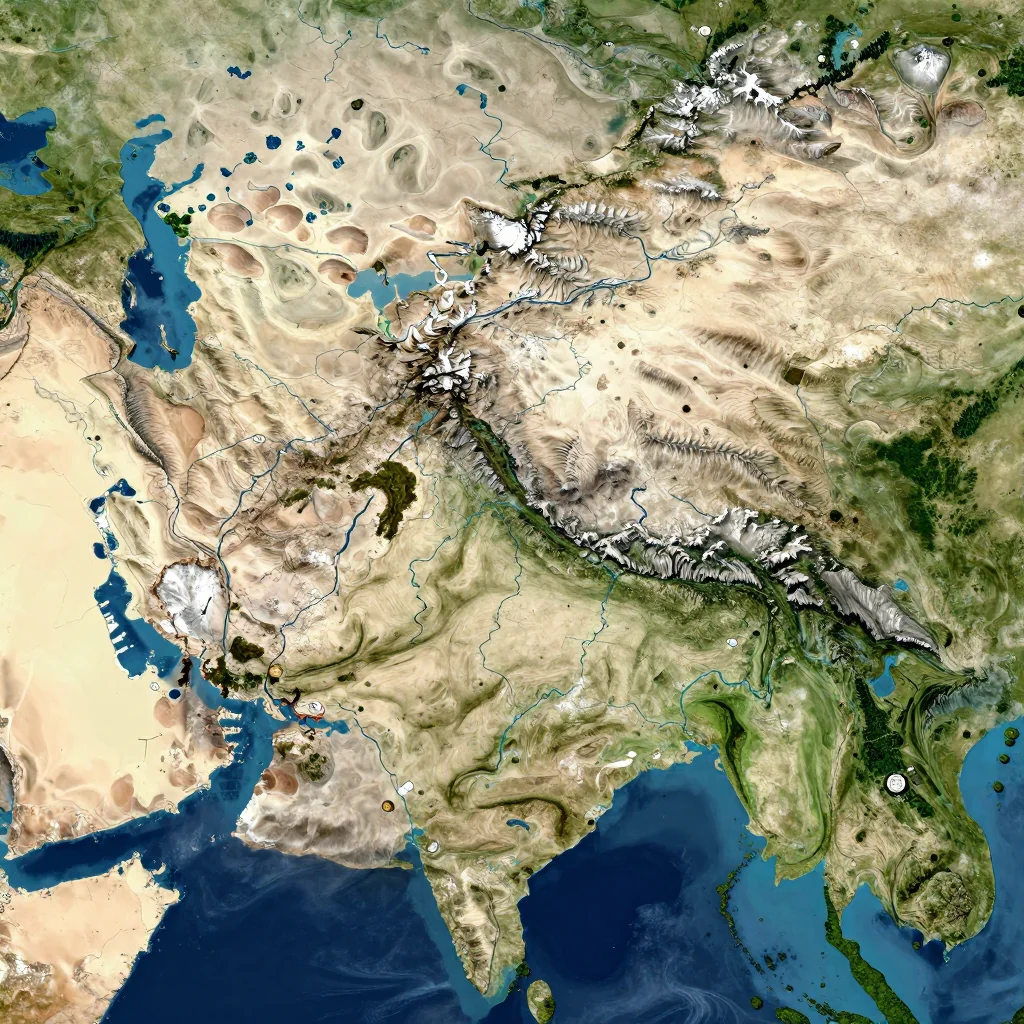
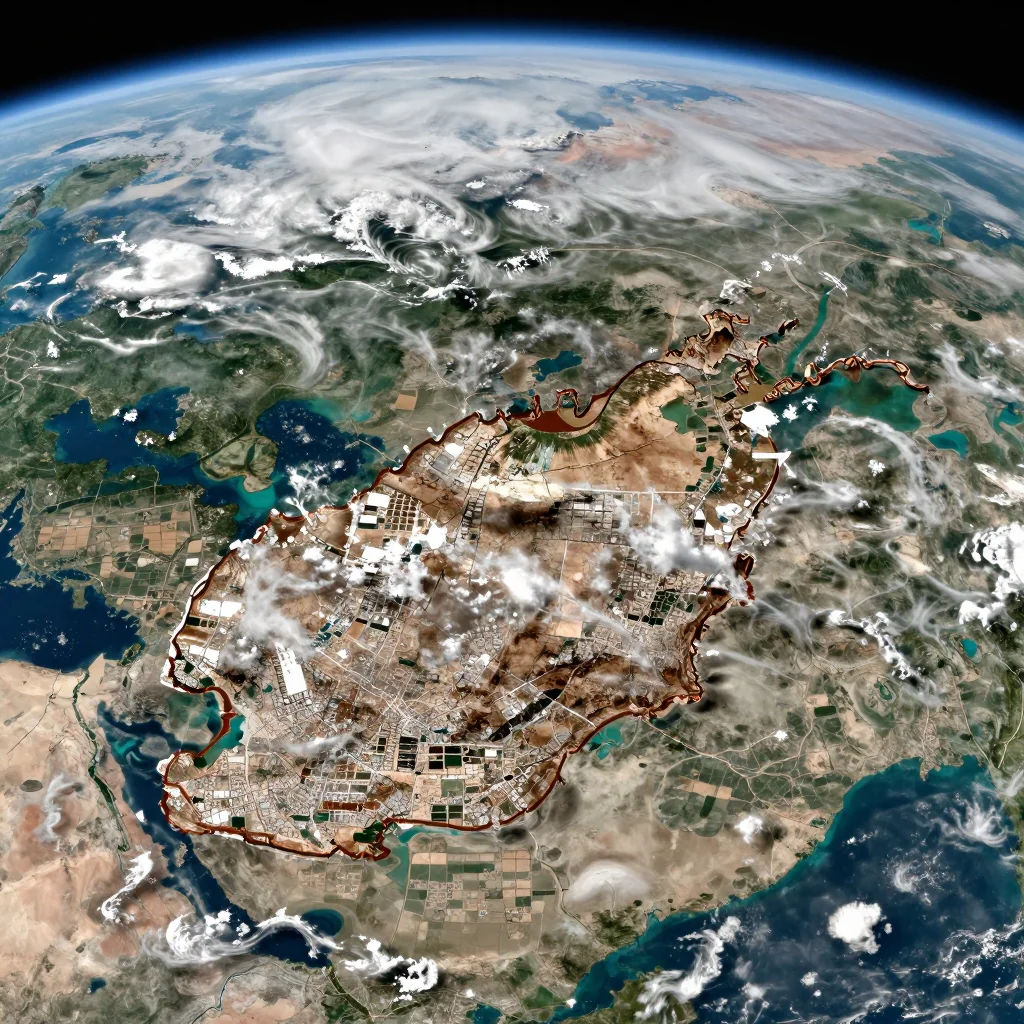
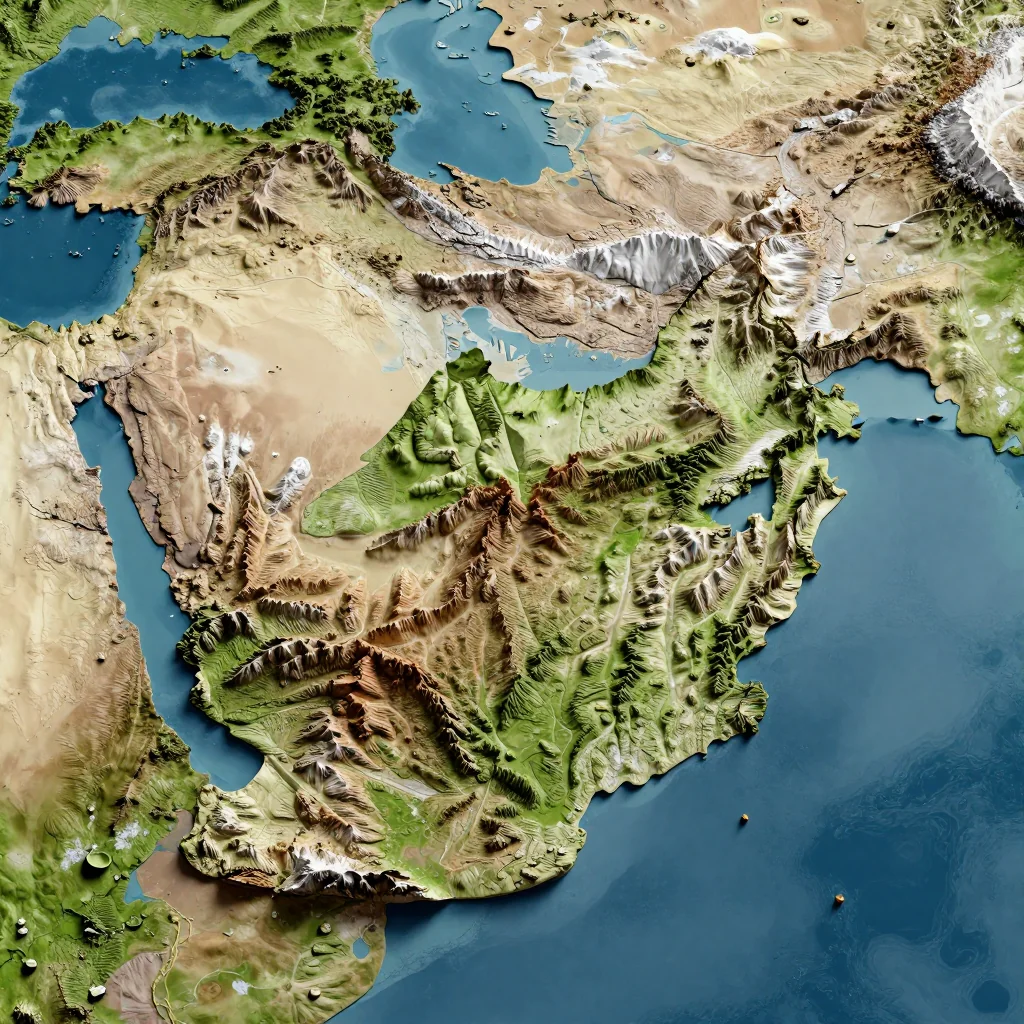
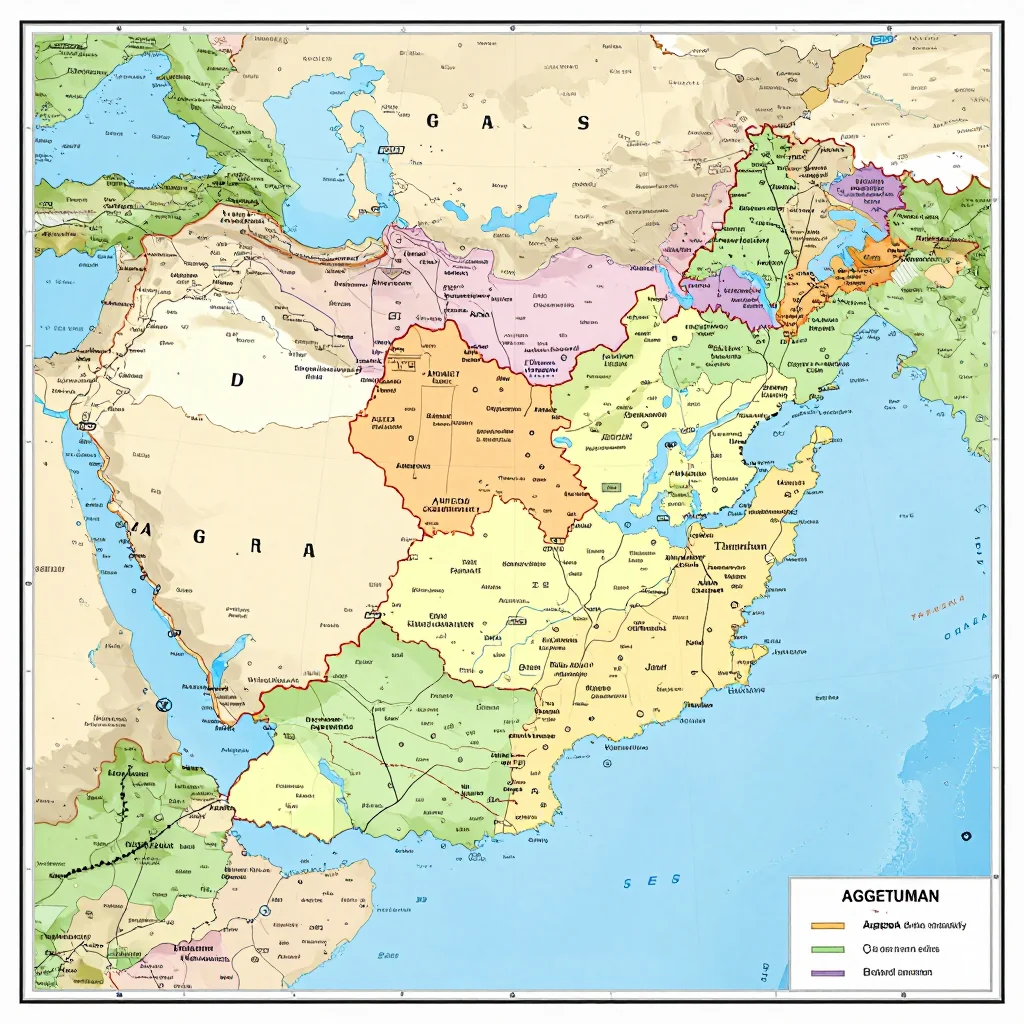
Afghanistan, a landlocked country at the crossroads of South Asia, Central Asia, and the Middle East, is renowned for its rugged terrain, rich cultural heritage, and strategic geographic position. Its geography, as depicted in Afghanistan maps and detailed in Afghanistan atlases, reveals a landscape shaped by towering mountains, arid deserts, and vital river valleys. Understanding Afghanistan’s geography is essential for comprehending its history, culture, and interactions with neighboring regions.
Map Gallery – 8 Different Styles
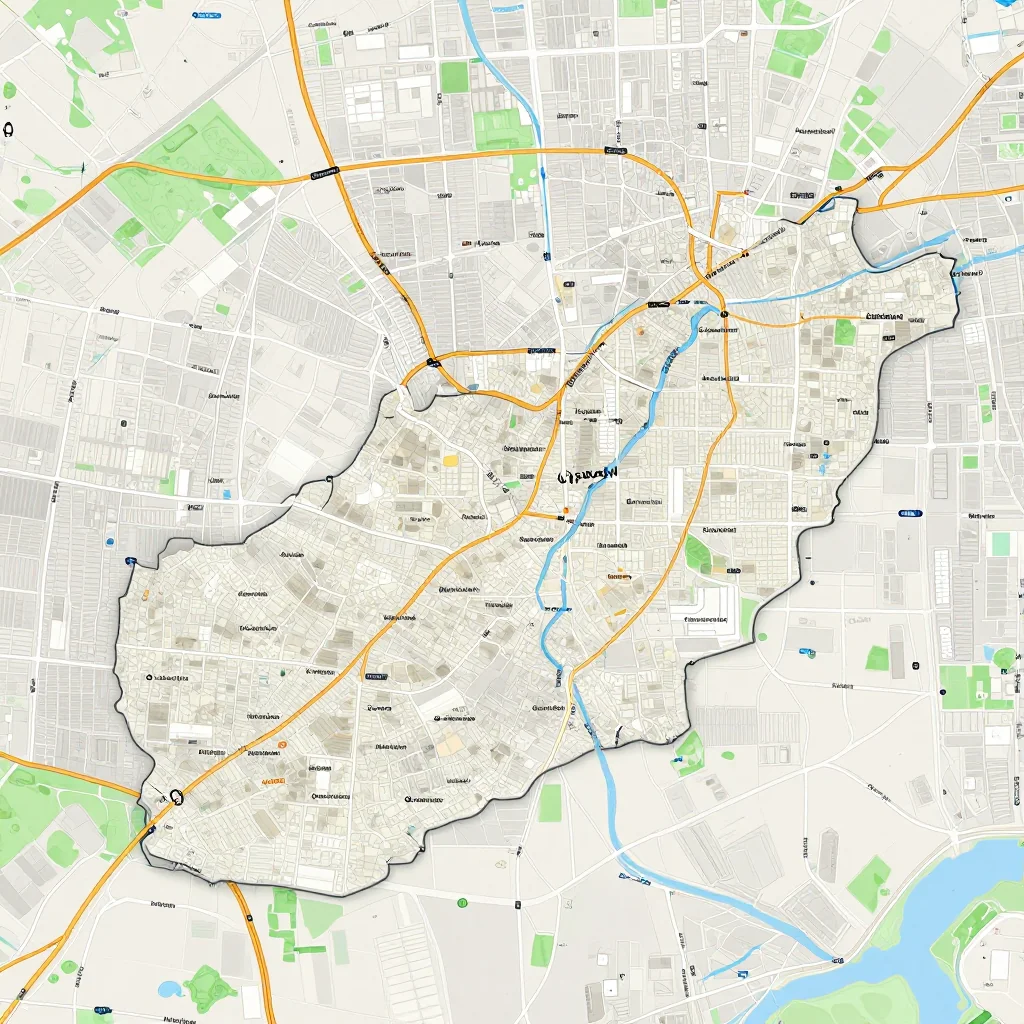
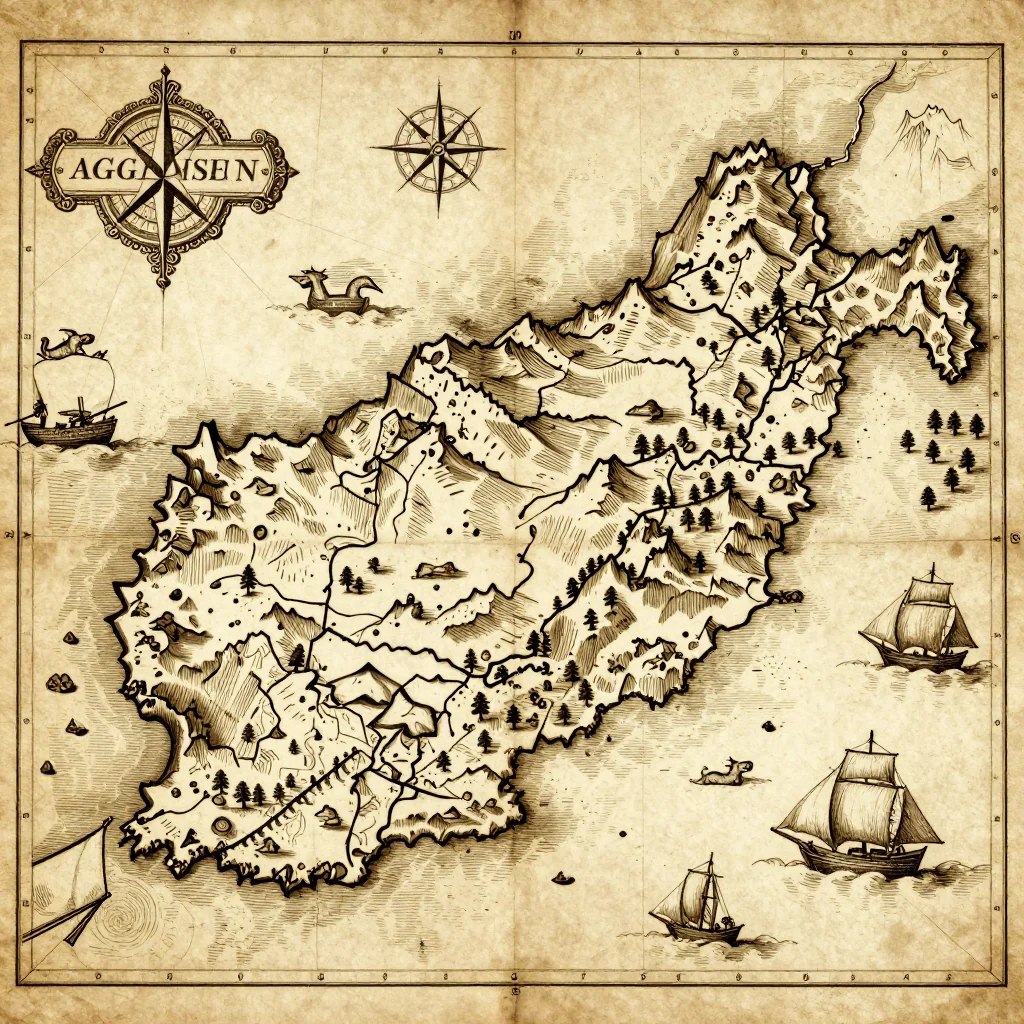
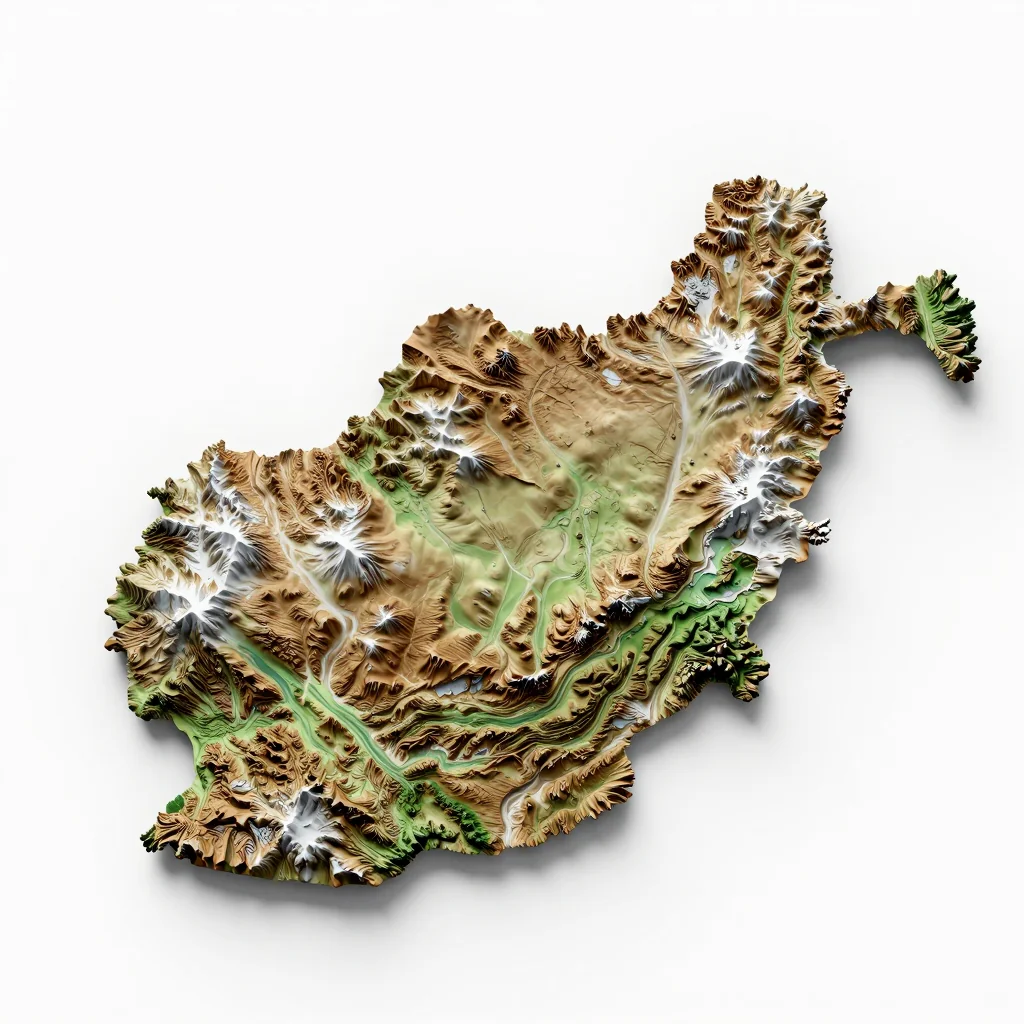

Geographic Location
Situated in southern Asia, Afghanistan spans approximately 652,000 square kilometers, bordered by Pakistan to the east and south, Iran to the west, and the Central Asian countries of Turkmenistan, Uzbekistan, and Tajikistan to the north. To the northeast, it shares a short border with China’s Xinjiang region via the Wakhan Corridor, a narrow strip of land that historically connected the Silk Road trade routes. Located at coordinates 33°00’N latitude and 65°00’E longitude, Afghanistan lies on key ancient trade paths, making it a strategic hub for commerce and cultural exchange between East and West.
Topography: A Mountainous Realm
Afghanistan’s topography is dominated by the towering Hindu Kush mountain range, which divides the country into three distinct regions: the Central Highlands, the Northern Plains, and the Southwestern Deserts. The Hindu Kush, extending from the Pamir Knot in the northeast, reaches elevations exceeding 7,000 meters (23,000 feet), with Mount Noshaq being the highest peak at 7,492 meters. These mountains create a dramatic landscape of steep valleys and isolated plateaus, contributing to Afghanistan’s extreme isolation in many areas. To the north lie the relatively flat and fertile plains of the Amu Darya River basin, which forms much of the border with Turkmenistan, Uzbekistan, and Tajikistan. In contrast, the southwest is home to the arid Dasht-e Margo (Desert of Death) and Dasht-e Naumat, vast stretches of sandy and stony wastelands. The country’s eastern regions feature lush river valleys, such as the Kabul River Valley, while the southwest is irrigated by the Helmand River, supporting agriculture in areas like Lashkar Gah.
Climate: Harsh Seasons and Arid Conditions
Afghanistan’s climate is predominantly arid to semi-arid, with significant regional variations. The Hindu Kush blocks moisture from the Indian subcontinent, creating a rain shadow effect that leaves much of the country dry. Summers are intensely hot, especially in the deserts, where temperatures can exceed 50°C (122°F). Winters are harsh in the mountains, with heavy snowfall, while lowland areas experience sharp drops, often below freezing. Precipitation is minimal except in the higher elevations, where snow provides essential meltwater for rivers. The northern plains receive slightly more rainfall, supporting agriculture. Seasonal patterns include brief spring rains and sporadic winter storms, but drought is a recurring challenge in many regions.
Major Cities: Cultural and Strategic Hubs
Afghanistan’s major cities reflect its historical and geographic diversity: 1. **Kabul**: The capital and largest city, nestled in a valley at the crossroads of ancient trade routes. Kabul’s population exceeds 5 million, making it a political, cultural, and economic center. 2. **Kandahar**: Located in the south, Kandahar is Afghanistan’s second-largest city and a historic seat of power, founded over 2,000 years ago. 3. **Herat**: Situated near the Iranian border, Herat is known for its well-preserved Islamic architecture and proximity to the Helmand River. 4. **Mazar-e-Sharif**: A major northern city near the Amu Darya, famous for the Shrine of Hazrat Ali, a sacred Islamic site. 5. **Jalalabad**: A key eastern city near the Pakistan border, surrounded by fertile orchards and linked to the Khyber Pass. These cities often serve as regional hubs, connecting Afghanistan’s diverse ethnic groups and facilitating trade.
Natural Landmarks: Scenic and Historical Treasures
Afghanistan’s landscapes are dotted with awe-inspiring landmarks: – **Band-e-Amir National Park**: A series of six strikingly turquoise lakes surrounded by dramatic cliffs in the central highlands. – **Minaret of Jam**: A 12th-century UNESCO World Heritage Site, a towering structure adorned with intricate Islamic calligraphy. – **Buddhas of Bamiyan**: Though destroyed in 2001, the 5th-century statues’ niches remain a poignant historical site in the Hazarajat region. – **Hindu Kush Mountains**: A trekker’s paradise, offering breathtaking views and challenging peaks. – **Helmand River Valley**: A fertile agricultural region vital for the country’s economy, though prone to conflict and drought.
Conclusion
Afghanistan’s geography, as mapped in detailed Afghanistan atlases, reveals a land of extremes—where snow-capped peaks contrast with sun-scorched deserts and ancient cultures intersect with modern challenges. Its strategic location has made it a battleground for empires and a crossroads of civilizations, while its topography shapes its people’s resilience and resourcefulness. Understanding Afghanistan’s geography is key to appreciating its complex history and potential for future development. As maps continue to chart its terrain, they also reflect the enduring spirit of its people and the hope for a peaceful future.