
The Åland Islands, an autonomous region of Finland, are a captivating Nordic archipelago situated in the Baltic Sea between Sweden and Finland. Known for their serene landscapes, strategic location, and distinct cultural identity, the islands offer a blend of natural beauty and historical significance. This article explores the Åland Islands’ geography, including their location, topography, climate, major cities, natural landmarks, and the role of maps in understanding this unique region.
Map Gallery – 8 Styles
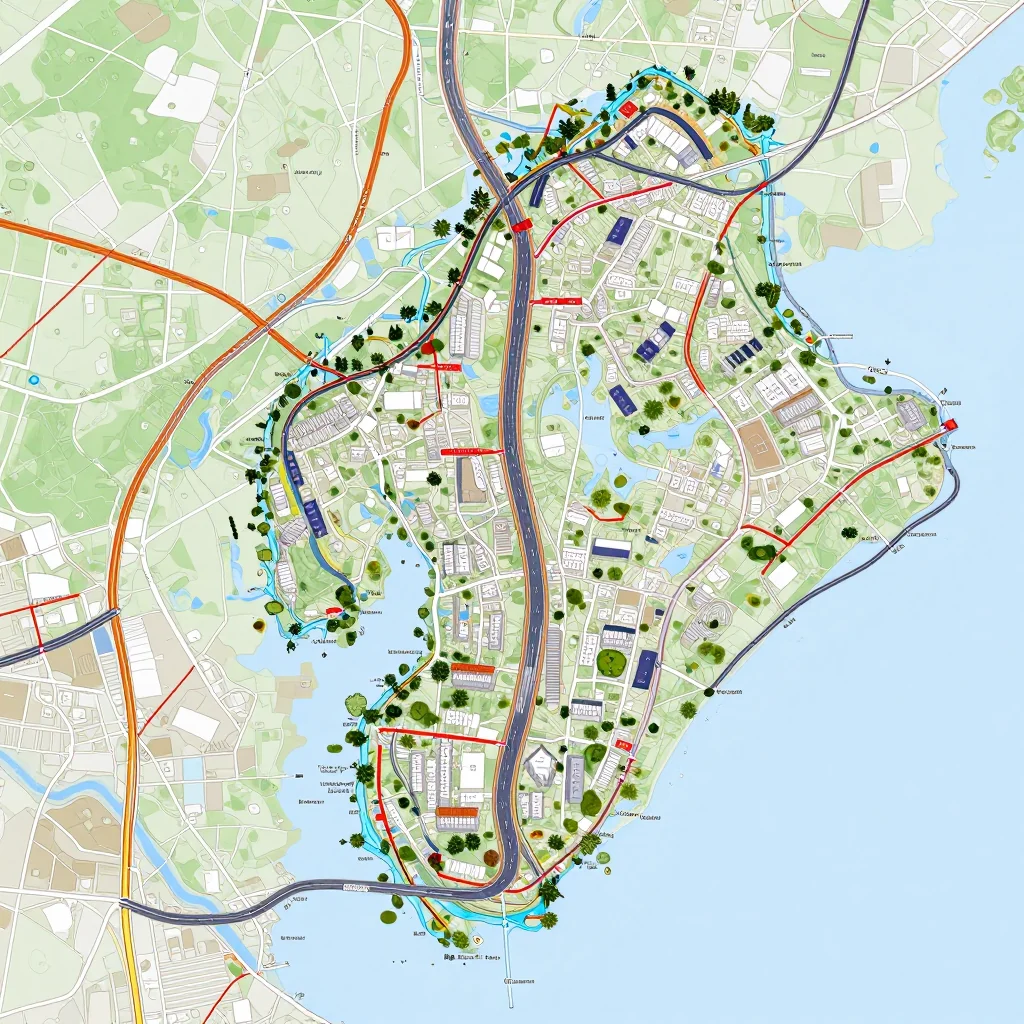

Geographic Location
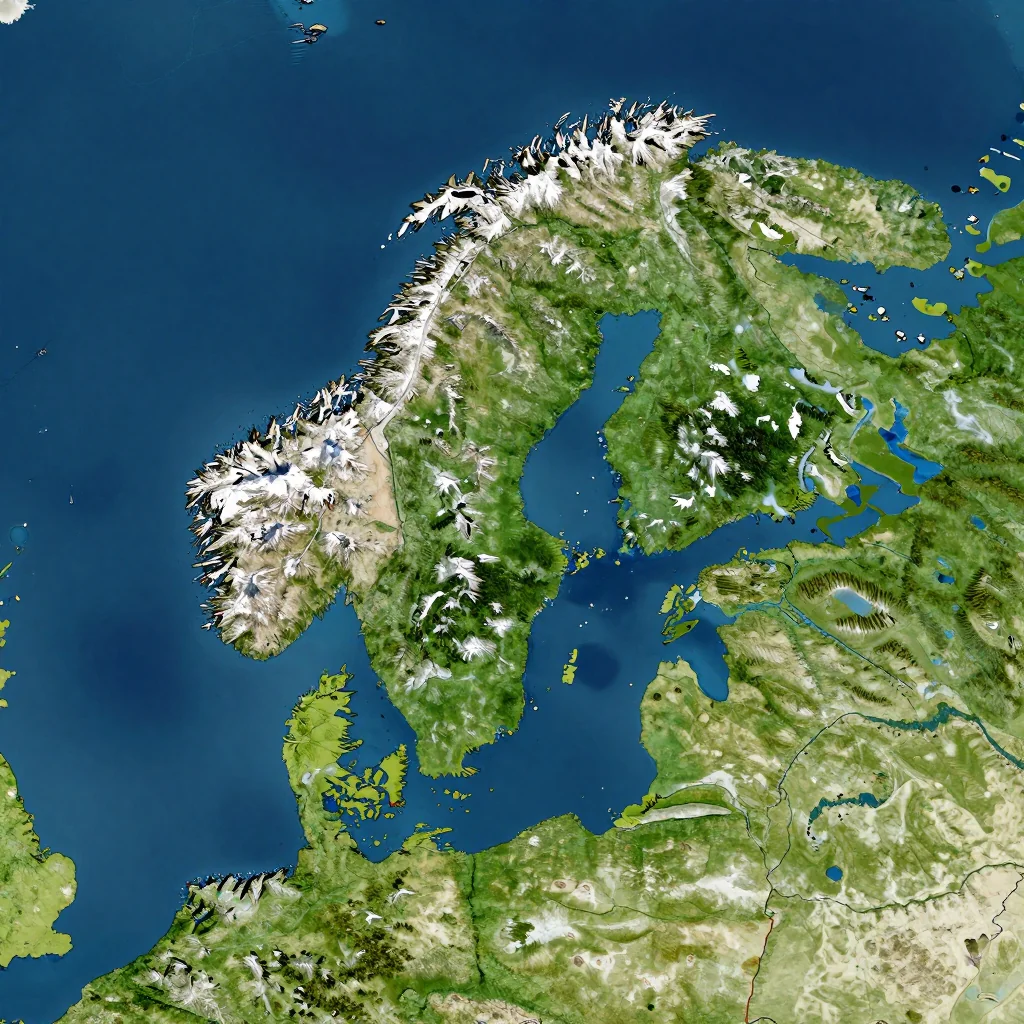
The Åland Islands are located at approximately 60°N latitude, approximately 80 kilometers (50 miles) east of Sweden’s southern coast and 110 kilometers (68 miles) southwest of mainland Finland. Comprising over 6,500 islands and islets, the archipelago spans roughly 1,551 square kilometers (600 square miles), with only about 80 islands inhabited. Åland’s sovereignty is a unique arrangement: it is Finnish territory but operates autonomously, with Swedish as its official language and a distinct cultural heritage influenced by both Sweden and Finland.
Topography
The islands are part of the bedrock of the Fennoscandian Shield, characterized by glacially carved landscapes. The terrain is predominantly flat, with gentle hills and rocky outcrops scattered across the islands. The highest point, Hanksy (311 meters/1,020 feet), is located in the southern part of Åland’s largest island, Åland Proper (Åland Huvudön). The region is dotted with numerous skerries—small, rocky islands and islets—creating a labyrinthine coastline that stretches over 2,500 kilometers (1,550 miles). Forests, wetlands, and over 1,500 small lakes dominate the inland areas, with pine and spruce trees being the primary vegetation.
Climate
Åland’s maritime climate is moderated by the Gulf of Bothnia and the Baltic Sea, resulting in milder winters compared to inland Finland. Winters (December–February) are cold, with average temperatures hovering around -3°C (26.6°F), while summers (June–August) are mild, averaging 16–20°C (60–68°F). The climate is also influenced by the North Atlantic Drift, leading to higher humidity and occasional storms. Precipitation is evenly distributed year-round, with annual rainfall averaging 600–700 millimeters (23.6–27.6 inches). Long summer days, with up to 19 hours of daylight during June, contrast with short, dark winters, where daylight may last just six hours in December.
Natural Landmarks
Åland’s natural beauty is its crown jewel, with landscapes that blend untouched wilderness and cultural heritage: 1. **Aland Archipelago National Park**: Protecting 610 hectares (1,500 acres) of islands and shallow waters, this park is a haven for birdwatchers and hikers, featuring eerie forests, bird cliffs, and ancient burial sites. 2. **Skarpans Cliffs**: These dramatic limestone cliffs in the southern part of Åland Proper offer panoramic views and are a key nesting site for seabirds. 3. **Bomarsund Fortress Ruins**: While historical, the fortress’s strategic location on the island of Märket showcases Åland’s geopolitical history. 4. **Kastelholm Castle**: A medieval ruin on Björkö Island, reflecting the islands’ Swedish governance until the 19th century. 5. **Northern Lights**: The clear, dark winters provide excellent opportunities to witness the aurora borealis.
Maps of Åland: Navigating the Archipelago
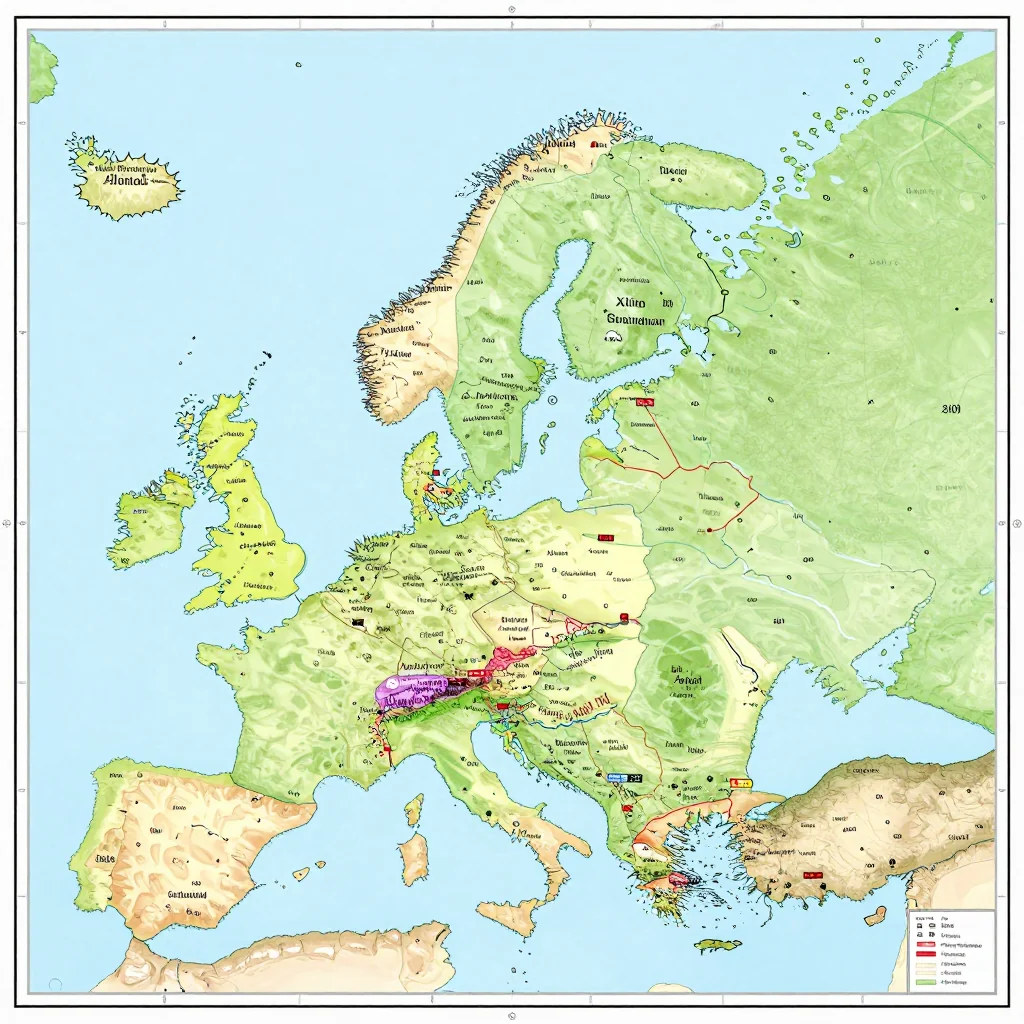
Maps are essential for exploring Åland’s intricate geography. Official maps highlight its fragmented landscape, emphasizing navigational routes, ferry connections, and hiking trails. The **Åland Tourist Map** details cultural sites, while **nautical charts** guide mariners through the islands’ complex waterways. Digital platforms like **Lantmäteriet** (Sweden’s mapping agency) and **NLS Finland** provide detailed topographic and administrative maps, aiding both visitors and locals in understanding the region’s layout.
Conclusion
The Åland Islands’ geography—shaped by glacial forces, maritime influences, and human history—is a testament to its unique position in the Baltic Sea. From its rugged skerries and vibrant cities to its UNESCO-recognized natural wonders, the archipelago offers a serene yet dynamic environment. Maps play a vital role in unraveling this landscape, revealing the interconnectedness of its islets and the cultural tapestry woven by its inhabitants. Whether through a historical map tracing Åland’s past or a modern chart guiding travelers, the Åland Islands’ geography continues to captivate all who explore it. *Keywords*: Aland Islands map, Aland Islands geography.