
Nestled in the heart of the Balkan Peninsula, Albania is a small but geographically diverse nation that has long been a crossroads of civilizations. Its strategic location, rugged landscapes, and dynamic climate make it a fascinating destination for both travelers and scholars. This article explores Albania’s geography and key landmarks, using maps and topographic details to paint a vivid picture of this captivating country.
Map Gallery – 8 Styles
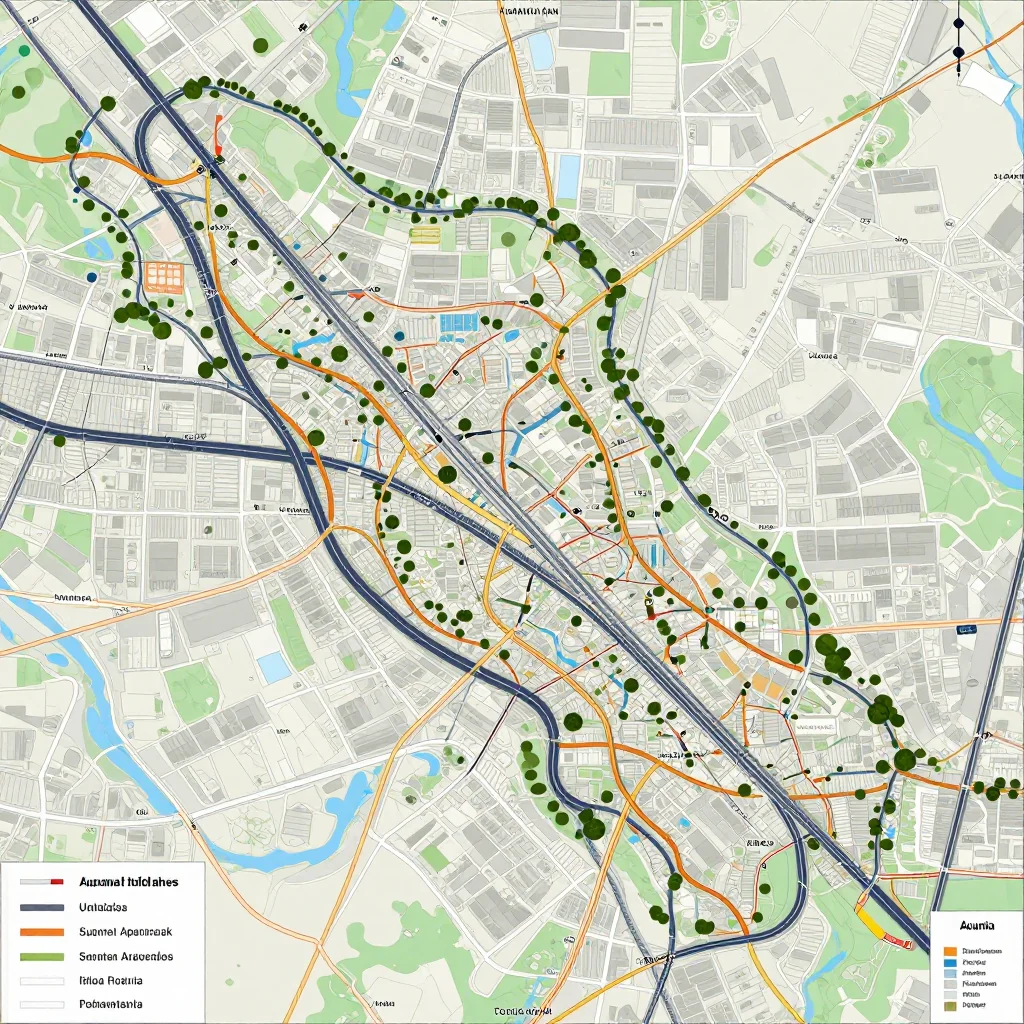
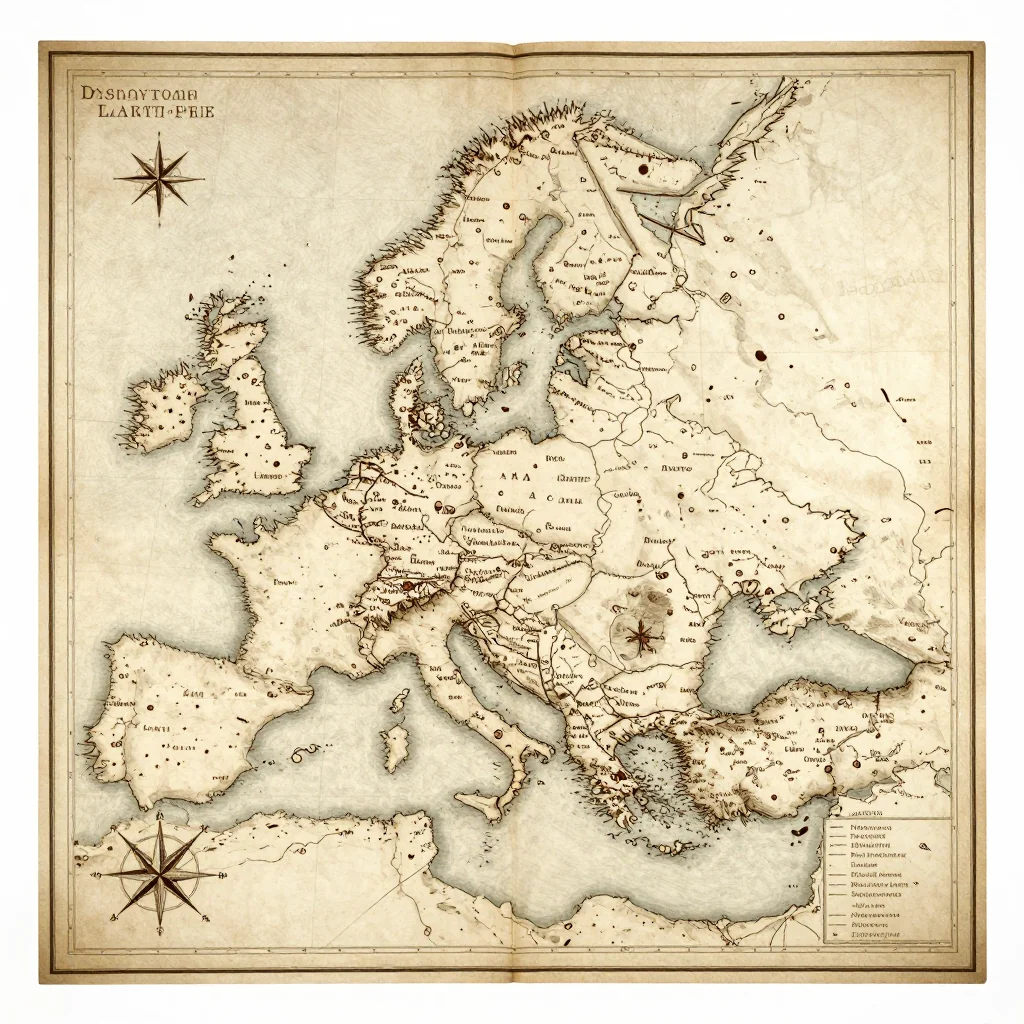
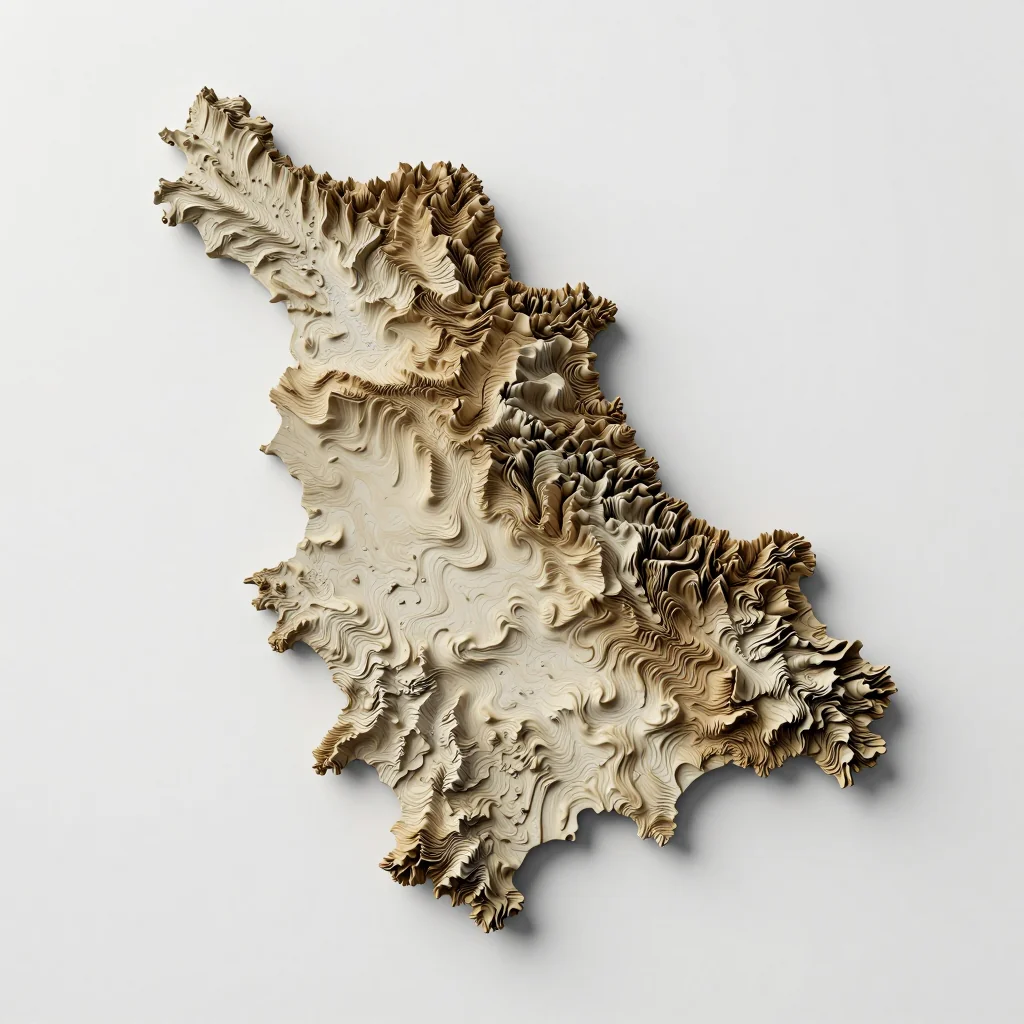
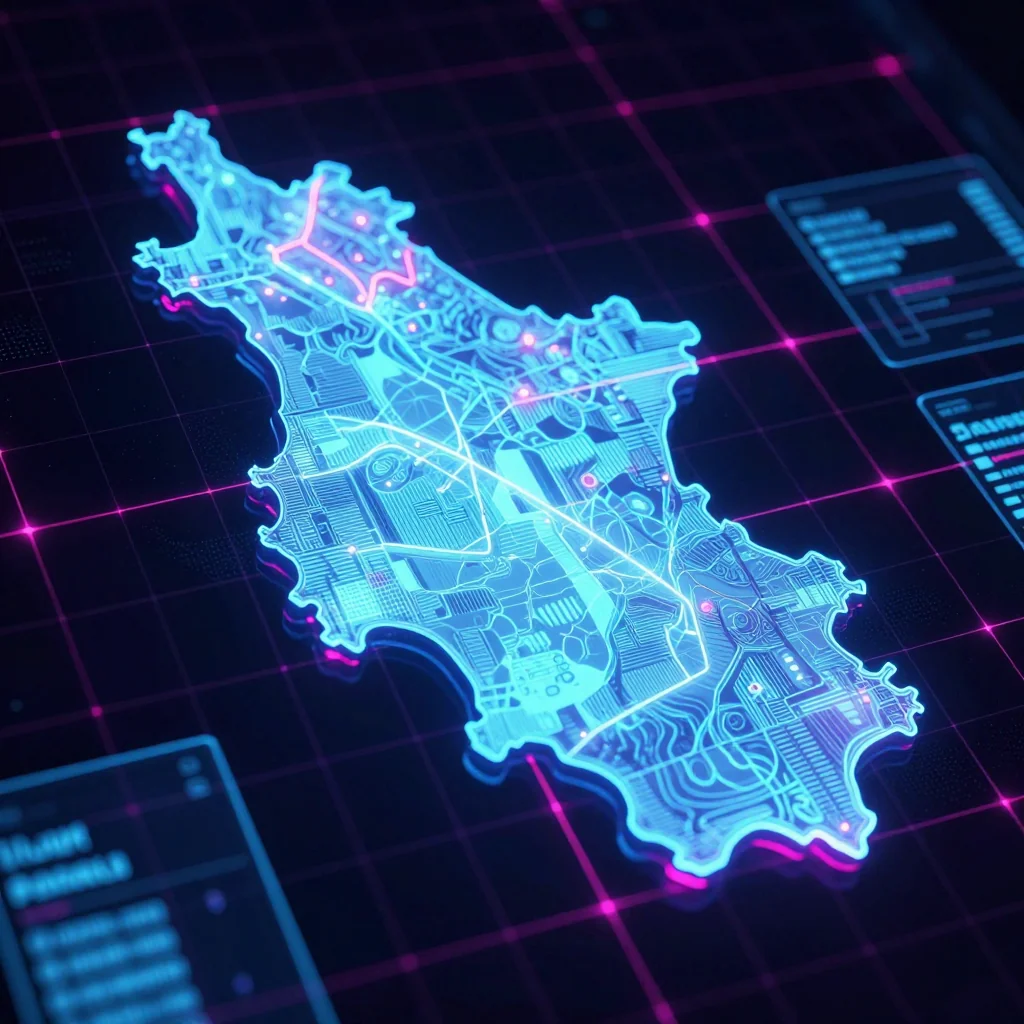
Geographic Location
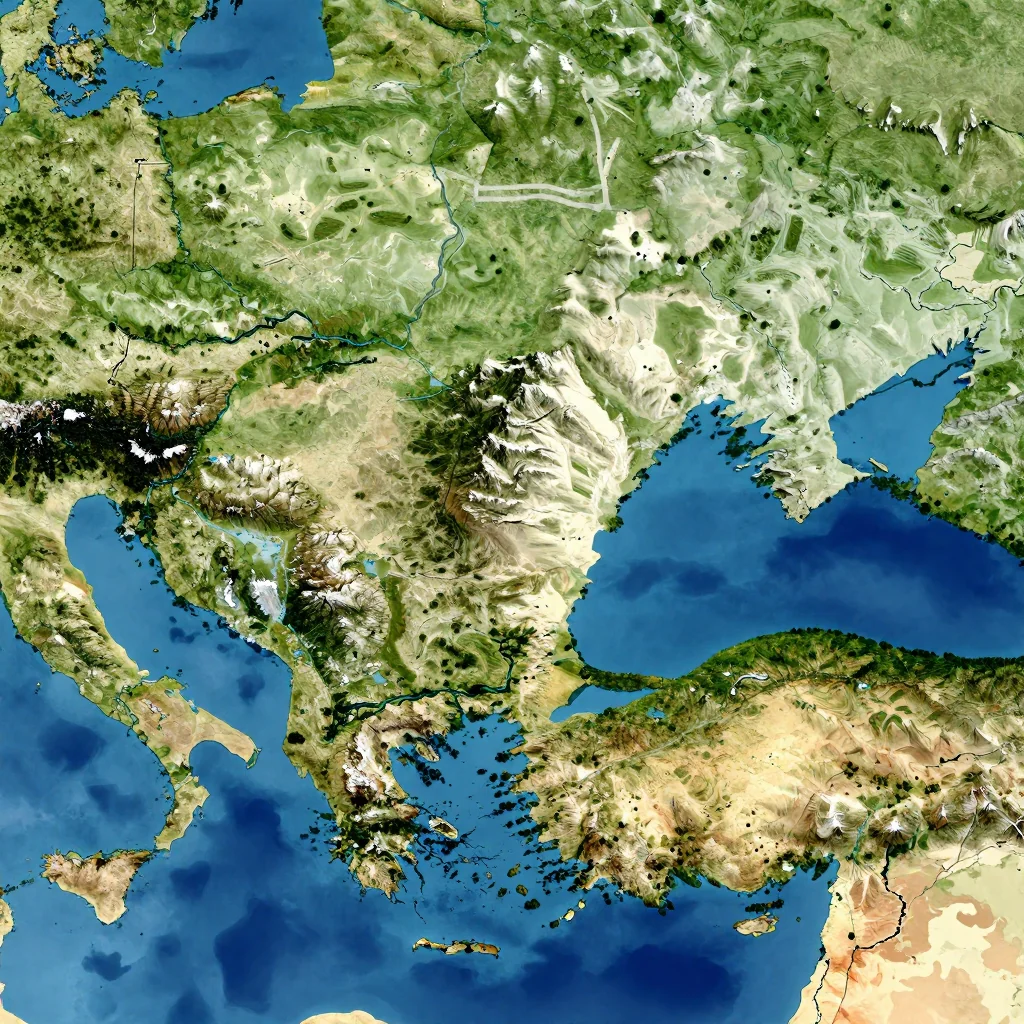
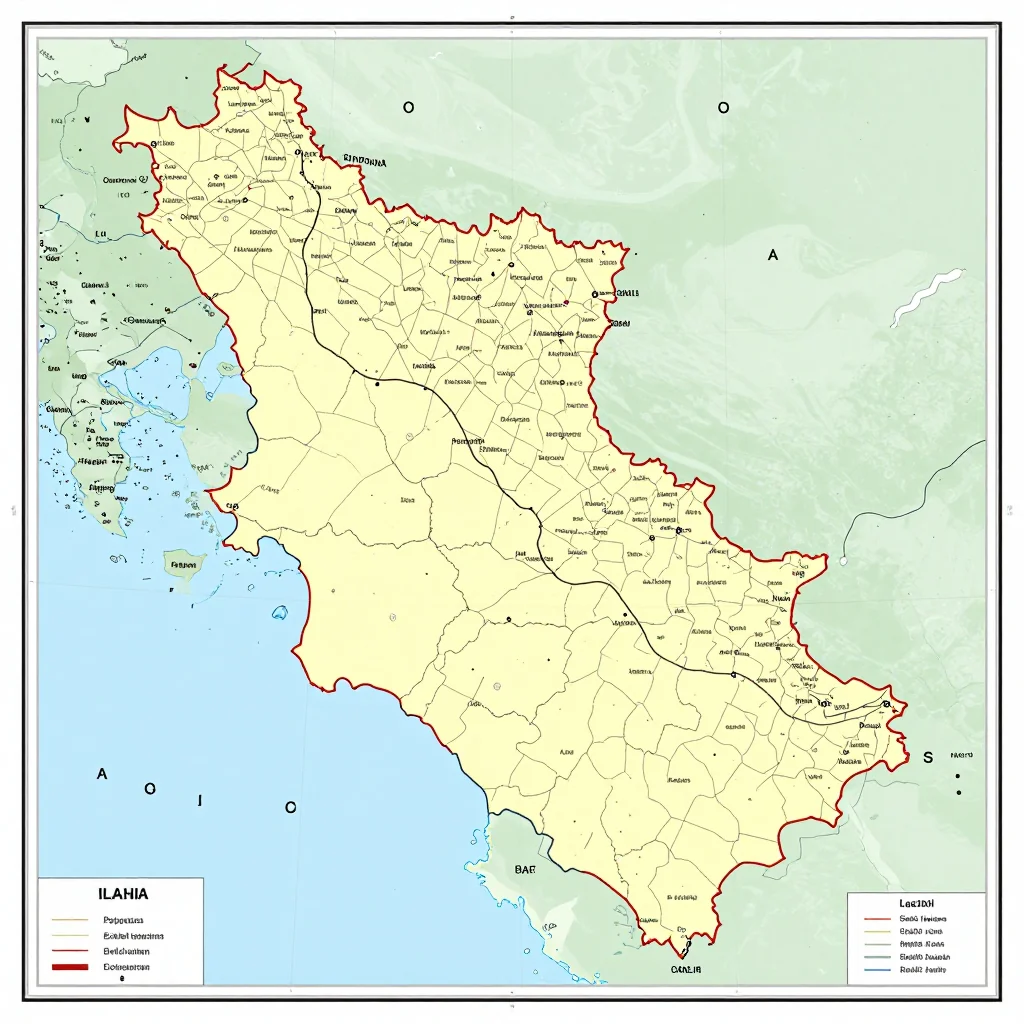
Albania is situated in Southeast Europe, bordered by Montenegro to the northwest, Kosovo to the northeast, North Macedonia to the east, and Greece to the south and southeast. To the west, the Adriatic and Ionian Seas frame its coastline, stretching over 470 kilometers (292 miles). This position at the intersection of the Mediterranean and Balkan regions has historically made Albania a vital trade and cultural hub. On the **Albania map**, its boundaries are clearly defined, with the northernmost point near the Albanian Alps and the southernmost tip close to the Greek border.
Topography: A Land of Mountains and Valleys
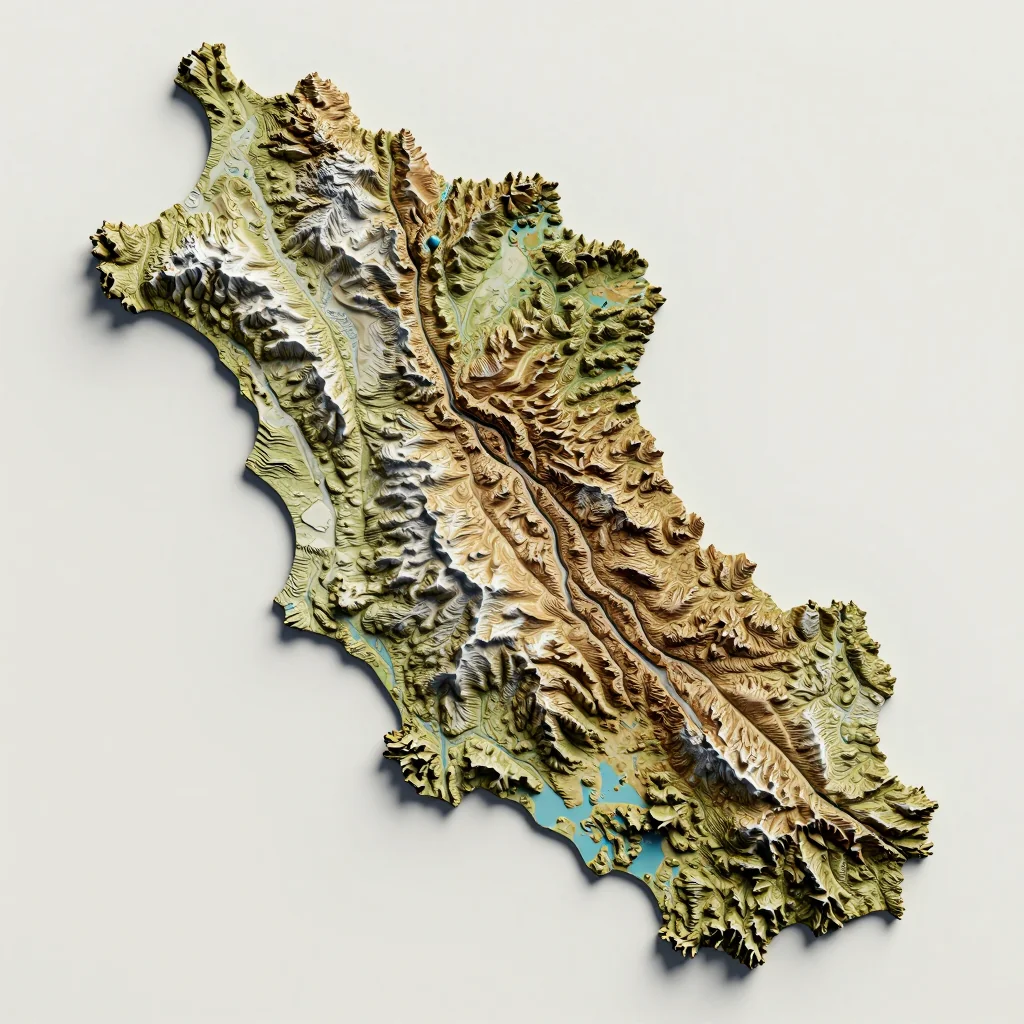
Albania’s topography is dominated by mountain ranges, which cover approximately 70% of its 28,748 km² (11,100 sq mi) territory. The **Albanian Alps** in the north, including the Korab and Ceraunian ranges, showcase peaks exceeding 2,000 meters (6,500 ft), with Mount Korab (2,764 m/9,068 ft) being the highest. Central Albania features the Dajti Mountains near Tirana, while the southern regions are characterized by the Ceraunian Mountains, known for the scenic Llogara Pass. The country’s interior includes fertile valleys, such as the Vjosa River Basin, one of Europe’s last undammed rivers, and the Myzeqe Plain, a rich agricultural zone near Durrës. Albania’s rugged terrain is bisected by rivers like the Drin (flowing north-south) and the Semani, which carve through limestone karst landscapes dotted with caves and underground rivers.
Climate: From Mediterranean to Alpine
Albania’s climate varies significantly due to its topography. Coastal regions, including the capital **Tirana** and **Vlorë**, enjoy a **Mediterranean climate** with hot, dry summers (average highs of 30°C/86°F) and mild, wet winters (around 12°C/54°F). Inland areas, like **Elbasan**, experience **continental influences**, with hotter summers (up to 35°C/95°F) and colder winters that occasionally drop below freezing. The mountains present an **alpine climate**, with heavy snowfall in winter and cool summers. Annual rainfall ranges from 1,000 mm (40 in) in the north to 500 mm (20 in) along the coast. This climatic diversity supports a wide array of flora and fauna, from olive groves in the lowlands to pine forests in the highlands.
Major Cities
1. **Tirana**: The vibrant capital, located in central Albania, is the political and economic center. Known for its Ottoman-era architecture and the dynamic Blloku district, Tirana is a gateway to exploring the country’s history and modernity. 2. **Durrës**: Albania’s second-largest city and primary port, Durrës is a hub for maritime trade and home to ancient Roman ruins, including the amphitheater. 3. **Shkodër**: Situated near **Lake Shkodra** (shared with Montenegro), this northwestern city boasts medieval fortresses and a thriving arts scene. 4. **Vlorë**: A coastal city in the south, Vlorë is historically significant as the site where Albania declared independence from the Ottoman Empire in 1912. Its beaches and proximity to the **Albanian Riviera** attract tourists. 5. **Korce**: Nestled in the eastern highlands, Korce is renowned for its wine production, Ottoman architecture, and proximity to the Prespa Lakes.
Natural Landmarks
Albania’s landscapes are dotted with exceptional natural and cultural treasures: – **Valbona Valley**: A UNESCO Biosphere Reserve in the Albanian Alps, offering pristine glacial valleys, hiking trails, and traditional stone villages. – **Llogara National Park**: Located in the Ceraunian Mountains, it features the iconic **Blue Eye Spring**, a turquoise water source surrounded by pine forests. – **Lake Shkodra**: The largest lake in the Balkans, shared with Montenegro, it supports diverse birdlife and hosts traditional fish villages. – **Butrint National Park**: A UNESCO World Heritage Site near the Greek border, this ancient city blends Greek, Roman, and Byzantine ruins with lush wetlands. – **Albanian Riviera**: A stunning coastal strip with rugged cliffs, hidden coves, and pristine beaches, particularly around Saranda and Gjipe.
The Role of Maps in Understanding Albania
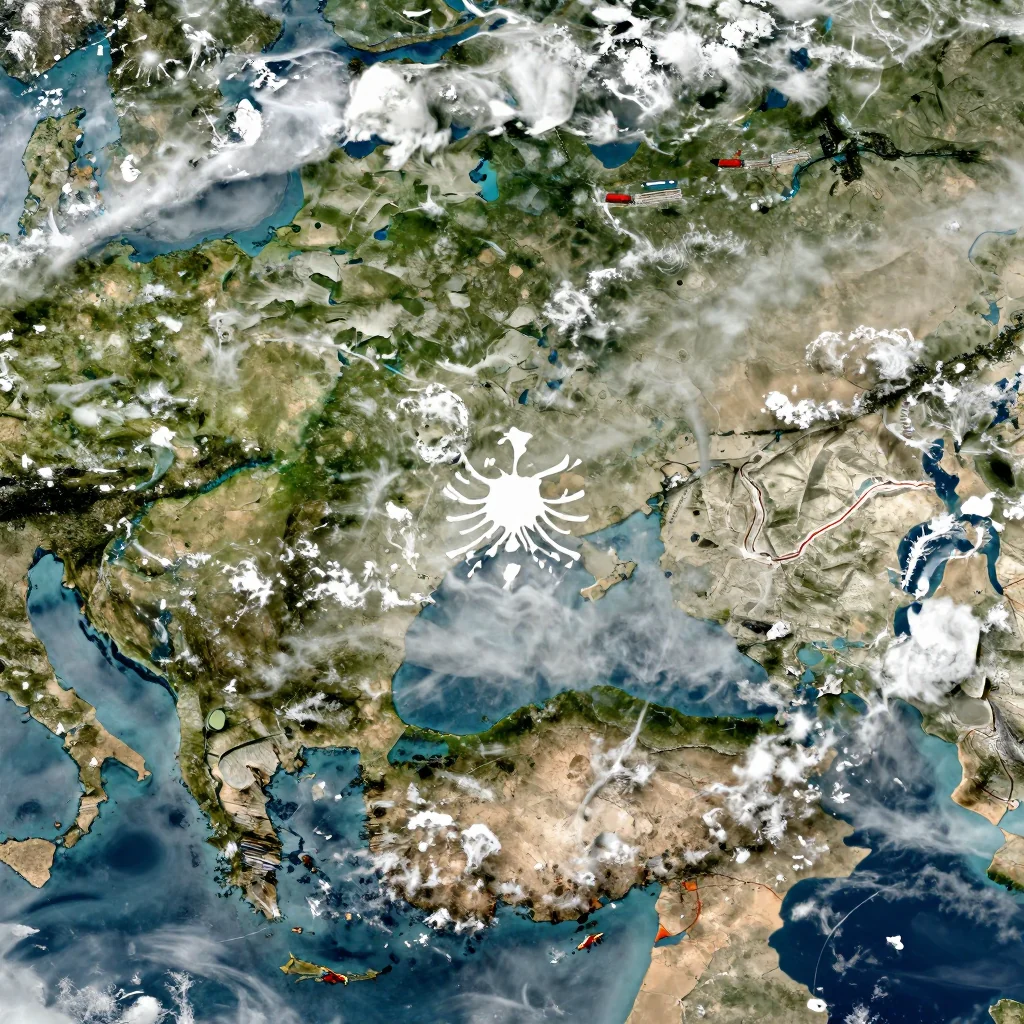
Maps of Albania, whether topographic or political, reveal its geographic complexity. Physical maps highlight the contrast between the coastal lowlands and the towering mountain ranges, essential for understanding transportation routes and settlement patterns. Historical maps also trace Albania’s shifting borders, reflecting its turbulent past under Byzantine, Ottoman, and communist regimes.
Conclusion
Albania’s geography is a tapestry of mountains, seas, and cultural heritage, offering endless opportunities for exploration. From the snow-capped peaks of the Albanian Alps to the sun-drenched shores of the Ionian coast, the nation’s landscapes are as diverse as its history. Whether navigating an **Albania map** or trekking through its valleys, visitors encounter a land where natural beauty and human resilience converge. Albania’s geography isn’t just a backdrop—it’s the very essence of its identity. (Word count: 600)