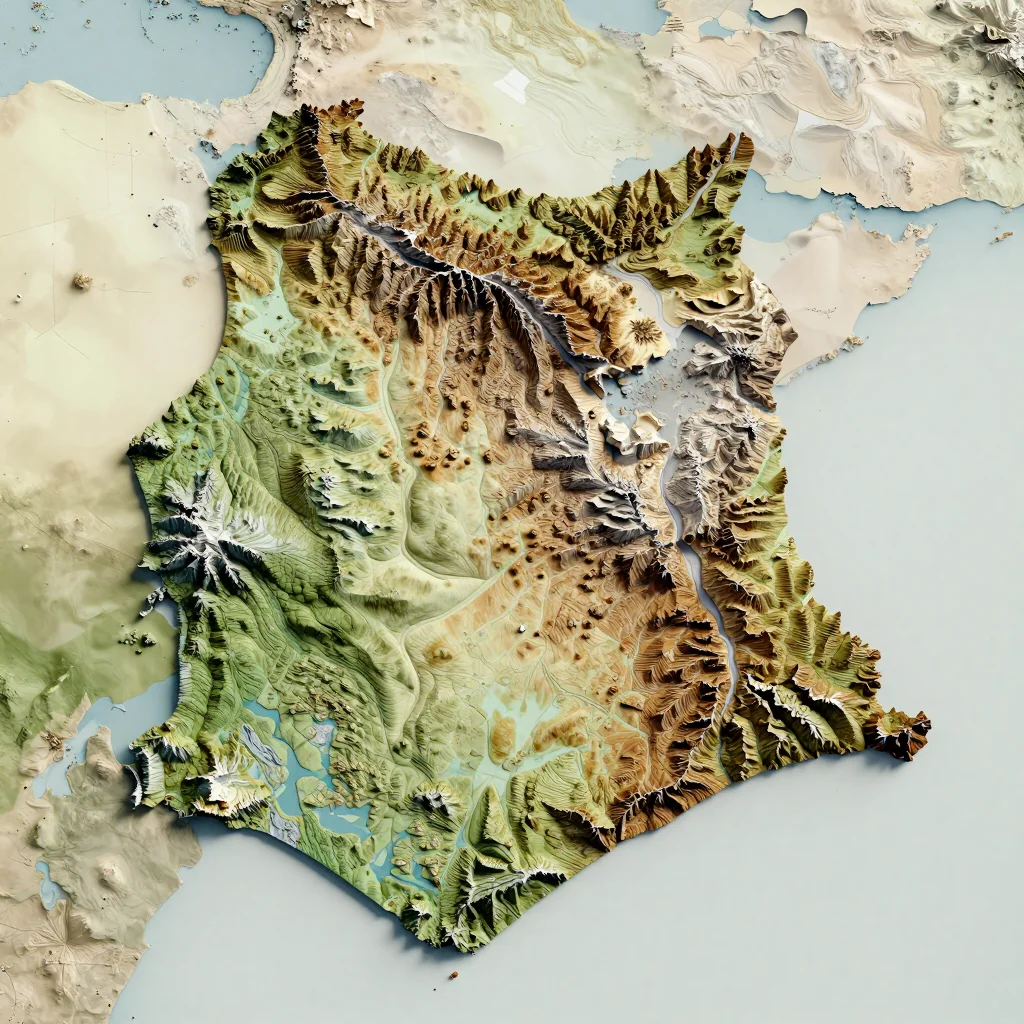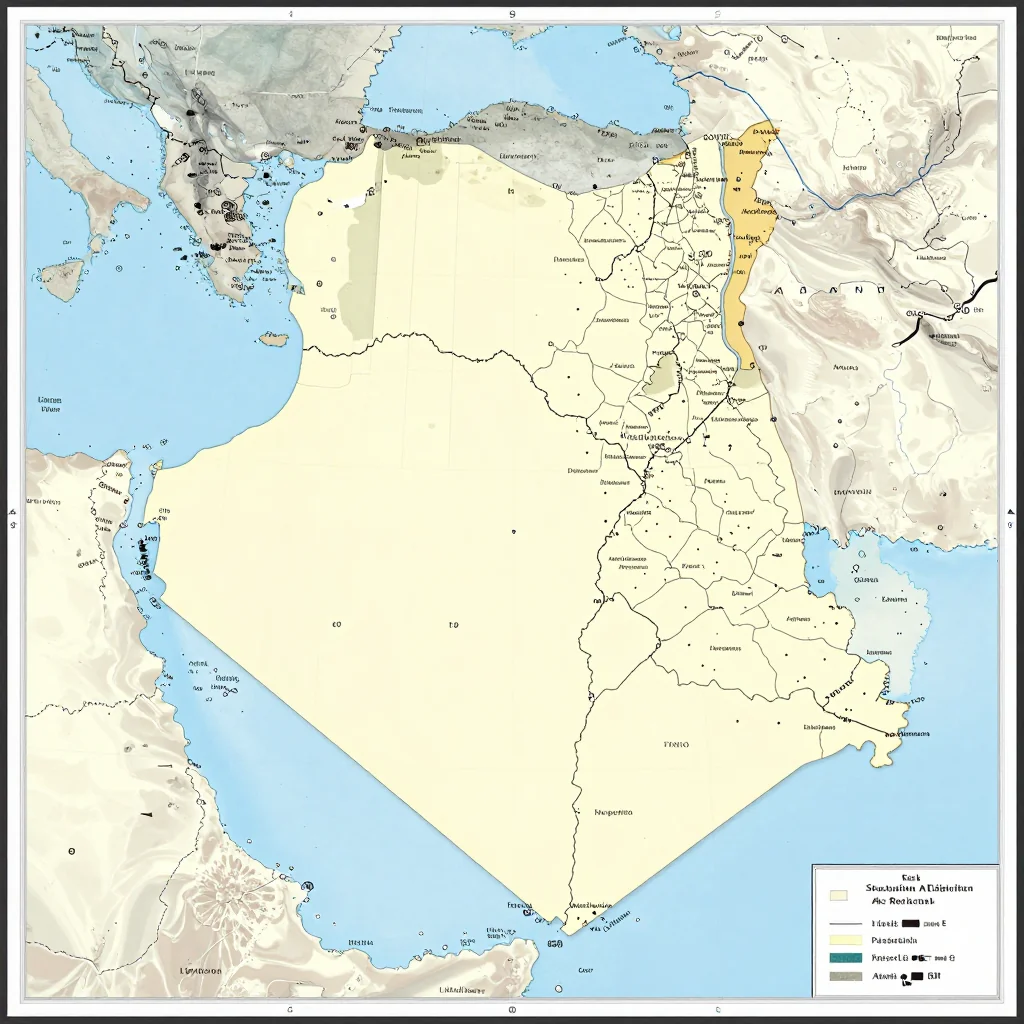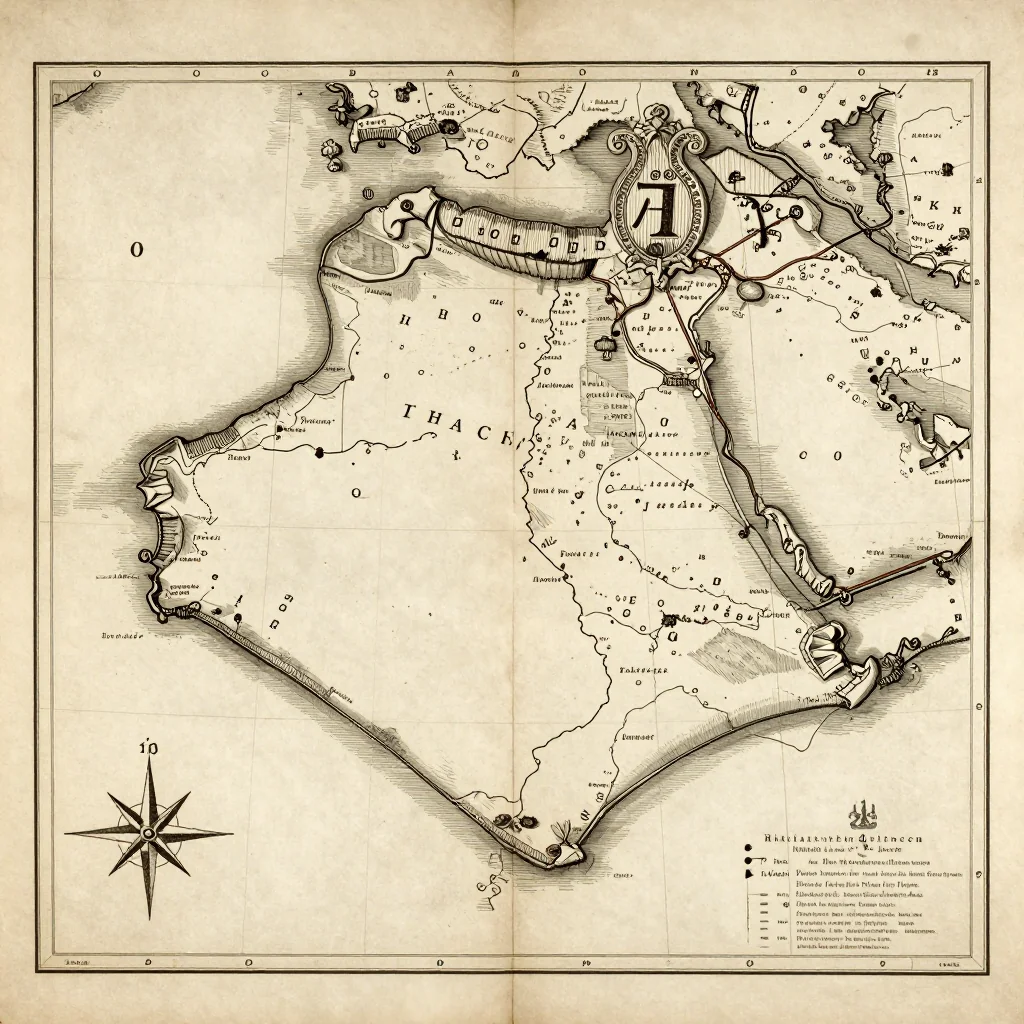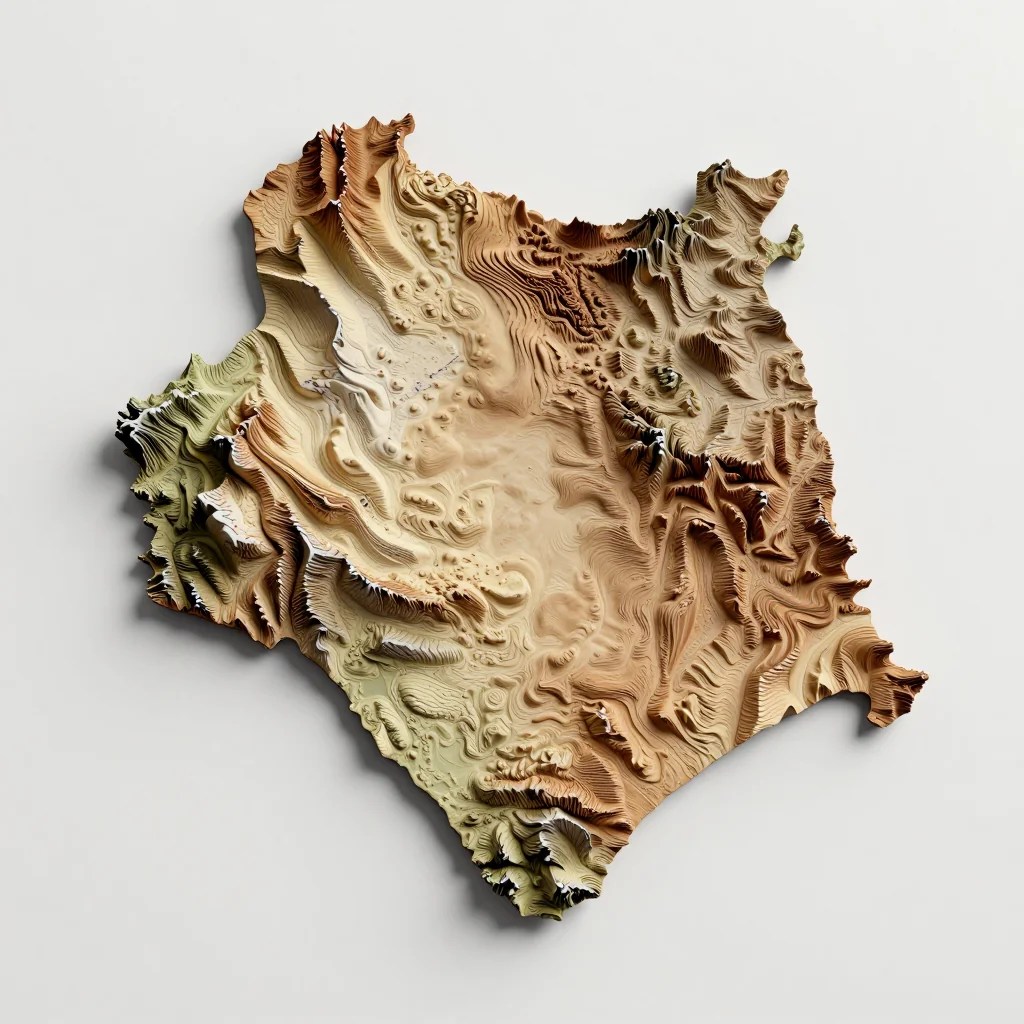
Algeria, the largest country in Africa and a Mediterranean giant, holds immense geographic significance due to its strategic location at the crossroads of the Arab world, Africa, and Europe. Its vast terrain, stretching from lush coastal plains to the endless sands of the Sahara, and its rich natural resources make it a pivotal player in regional geopolitics and global economics.
**Geographic Location**
Algeria is situated in North Africa, bordered by the Mediterranean Sea to the north, Morocco and Mauritania to the west, Mali and Niger to the south, and Libya and Tunisia to the east. Its coordinates are approximately 28°N latitude and 1°E longitude. Covering an area of 2.38 million square kilometers (919,595 square miles), Algeria is the tenth-largest country globally and nearly four times the size of Texas. This expansive territory spans three climatic zones, reflecting its diverse geography.
**Topography And Terrain**
Algeria’s topography is strikingly varied. The northern region is dominated by the Atlas Mountain system, divided into the Tell Atlas (north) and the Saharan Atlas (south). Between these ranges lies the High Plateaus (Hauts Plateaux), a semi-arid region of fertile valleys like the Chelif Valley, ideal for agriculture. To the east, the rugged Tlemcen Mountains and the Tassili n’Ajjer plateau add further complexity. The majority of Algeria is covered by the Sahara Desert, which occupies roughly 80% of the country. The Ahaggar (Hoggar) Mountains in the central Sahara, anchored by Mount Tahat (3,003 meters), rise dramatically from the desert floor. Coastal plains, such as the fertile Tell region and the Chott Depression (a salt flat), contrast sharply with the Sahara’s dunes, such as the Grand Erg Oriental and Occidental.
**Climate And Weather**
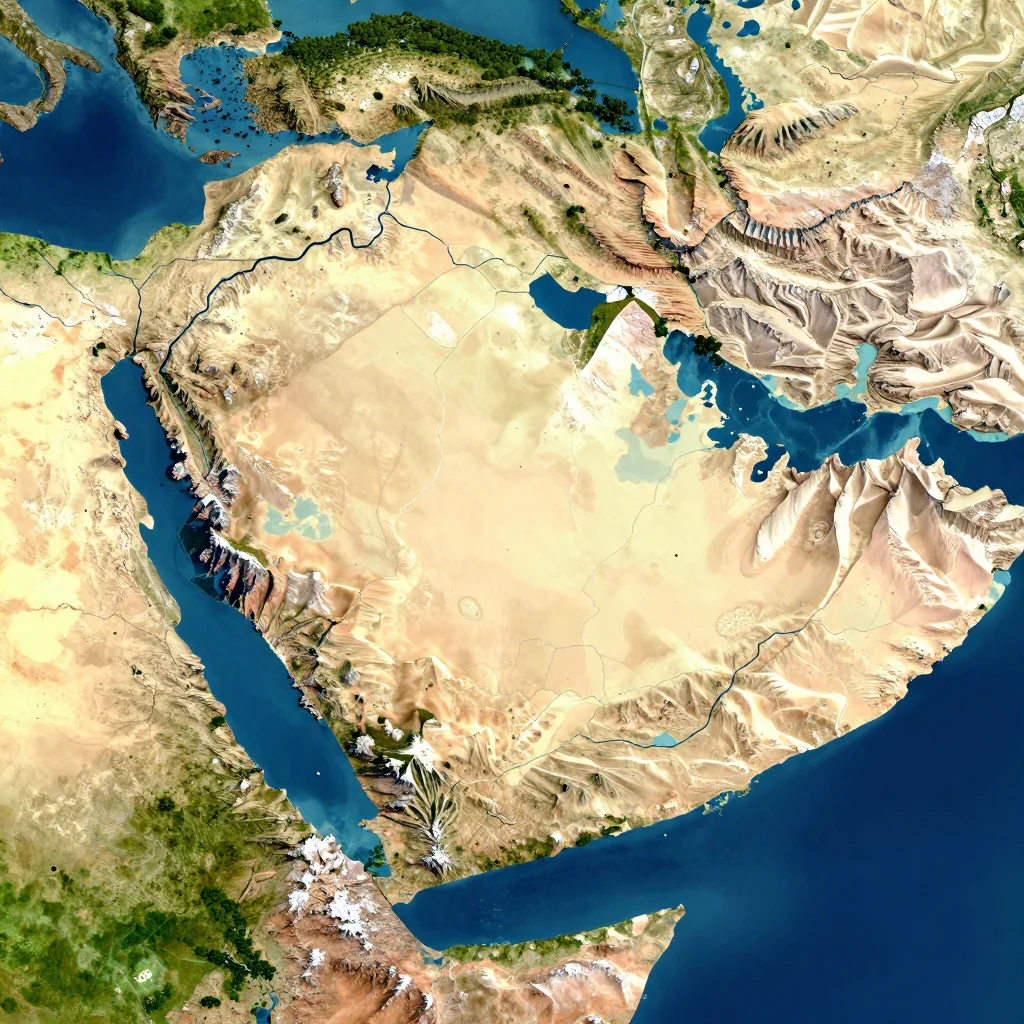
Algeria’s climate varies dramatically across three zones. The Mediterranean coastal strip experiences mild, wet winters and warm summers, ideal for citrus and vineyards. The semi-arid steppe region to the south faces hotter summers and cooler winters, with limited rainfall. The Sahara, however, is a hyper-arid desert with extreme temperatures—scorching days (up to 50°C/122°F) and freezing nights. Dust storms and occasional flash floods disrupt the south’s arid patterns. Seasonal shifts are most pronounced in the north, where winter rains sustain agriculture, while the south remains parched year-round.
**Major Cities And Regions**
Algeria’s 48 administrative regions (Wilayas) include bustling cities like Algiers, the capital, nestled between the Mediterranean and the Grande Kabylienne Mountains. Oran, a historic port city, thrives culturally and commercially. Constantine, “the City of Bridges,” dominates a steep valley, while Annaba, a coastal industrial hub, hosts energy infrastructure. Inland, Batna and Sétif anchor agricultural zones. Southern cities like Tamanrasset, a Saharan gateway, and oasis towns such as Timimoun reflect the desert’s way of life.
**Natural Landmarks**
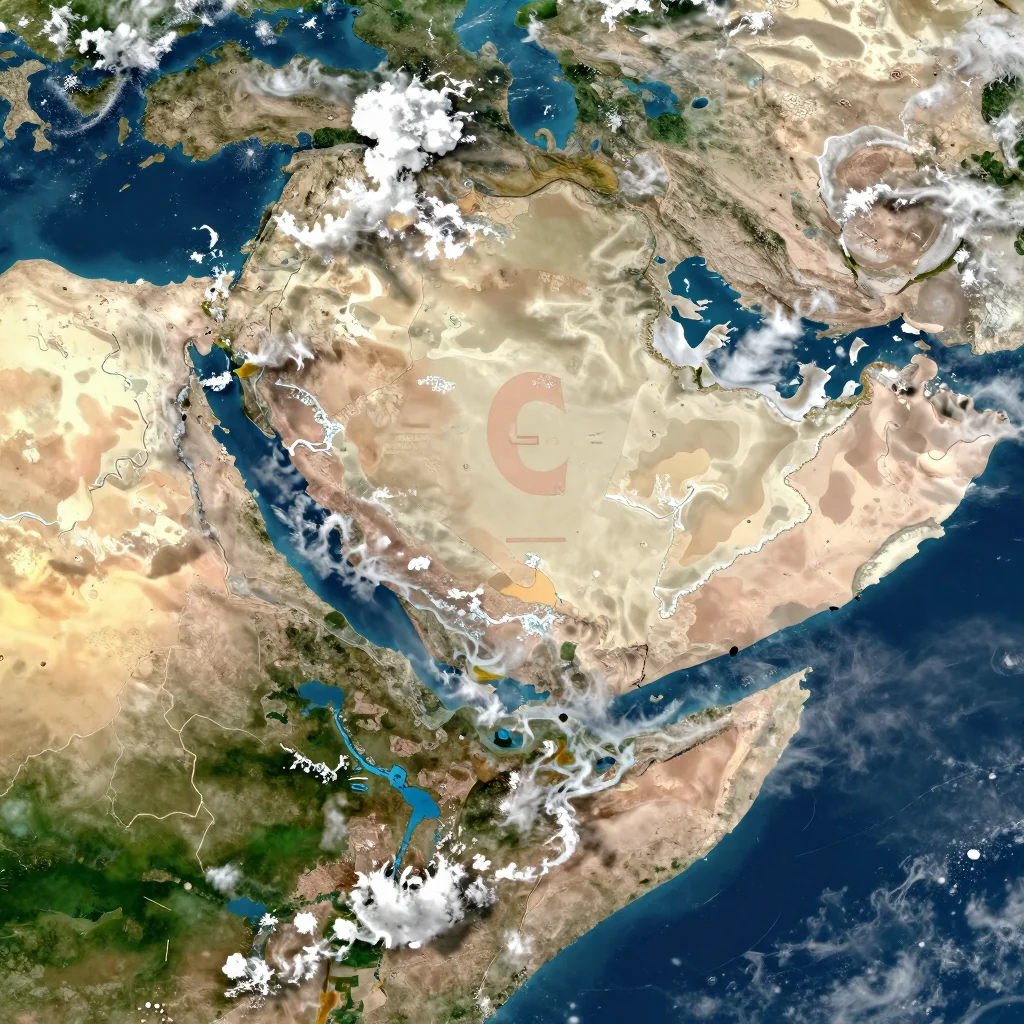
Algeria’s natural wonders are world-renowned. The Chelif Valley Wildlife Reserve shelters migratory birds, while theAhaggar National Park protects the dramatic Hoggar Mountains. Tassili n’Ajjer, a UNESCO site, features surreal sandstone formations and ancient rock art. The Mergueb Gorge carves through the Sahara, and the Tassili n’Ajjer’s “Forest of Stones” captivates visitors. Oases like El-Oued, with its palm groves, and the salt lakes of Chott Melrhir offer respite in the desert. Rivers like the Chelif and Seybouse sustain life in the north, while the wadis (dry riverbeds) of the Sahara flow briefly after rare rains.
**Conclusion**
Algeria’s geography, as depicted in its atlas, is a tapestry of coastal beauty, mountain grandeur, and desert vastness. This diversity shapes its culture, economy, and ecology, from Mediterranean vineyards to Saharan nomadic traditions. Understanding Algeria’s terrain and maps reveals a nation where ancient landscapes and modern challenges coexist, underscoring its vital role in North Africa’s geopolitical and environmental landscape.