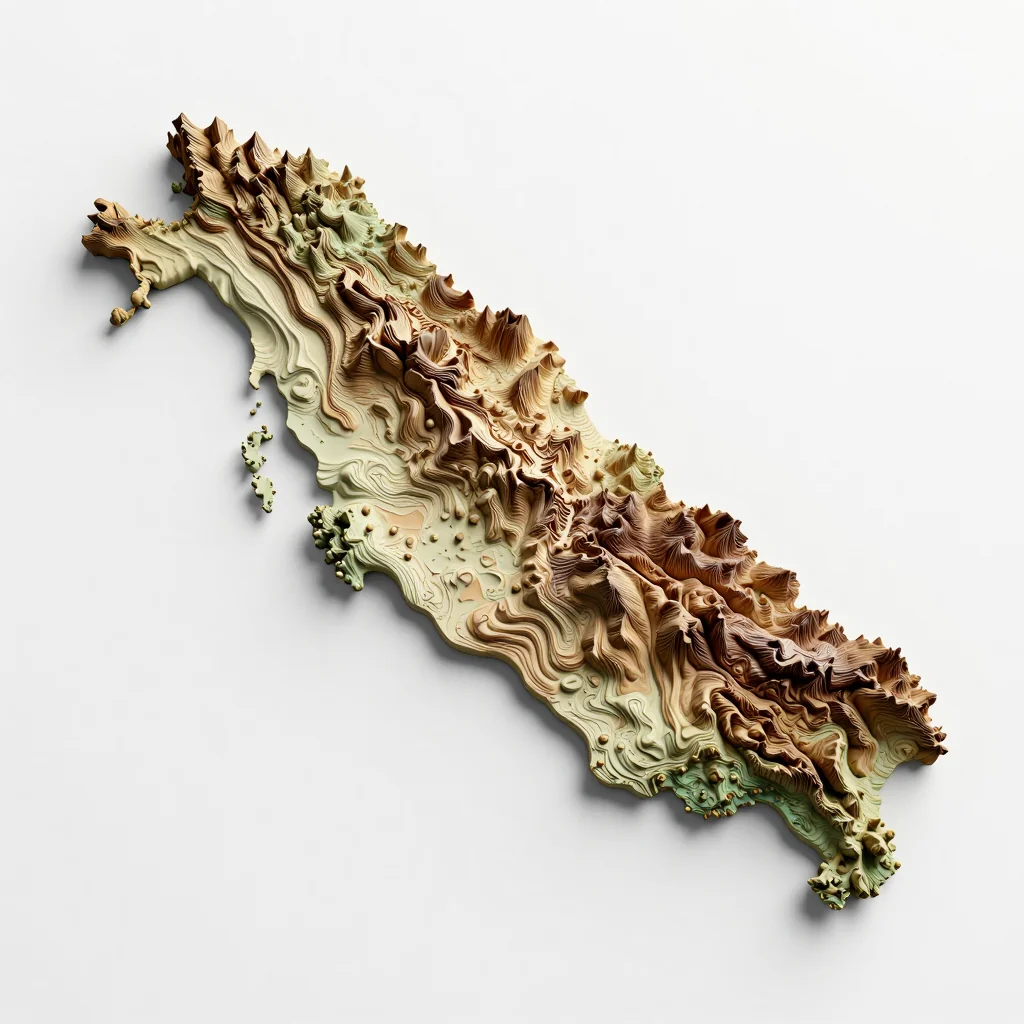
American Samoa, a U.S. territory located in the heart of the South Pacific, is a geographically diverse archipelago renowned for its volcanic origins, lush tropical ecosystems, and strategic maritime position. Its rugged terrain and vibrant cultural heritage make it a unique hub for both ecological study and tourism, while its maps reveal a landscape shaped by millennia of volcanic activity and oceanic forces.
**Geographic Location**
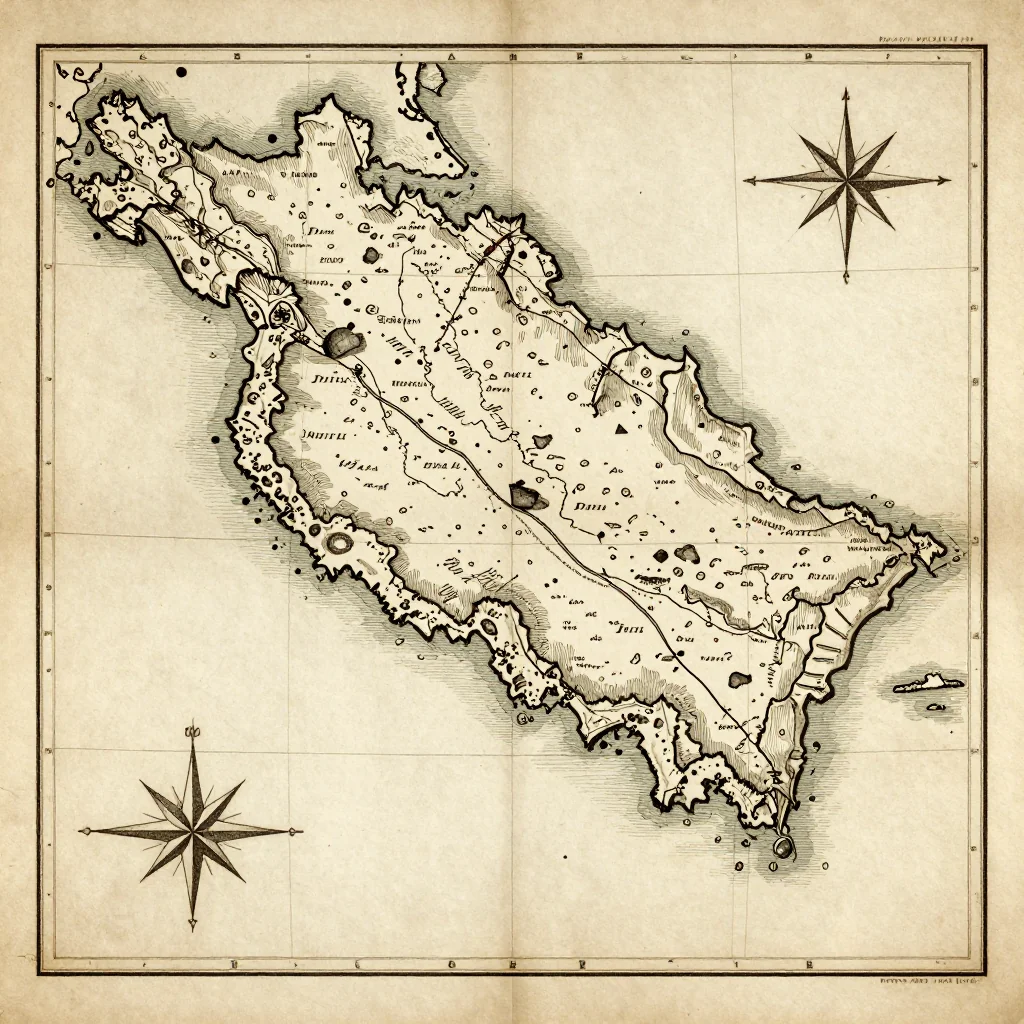
American Samoa lies approximately 2,300 miles southwest of Hawaii and 1,600 miles northeast of New Zealand. Its coordinates are 14°16′S latitude and 170°41′W longitude, placing it within the Polynesian region of Oceania. The territory comprises five main volcanic islands—Tutuila, Tau, Ofu, Olosega, and Aunuu—and two coral atolls, Rose Atoll and Swains Island. It is bordered by the South Pacific Ocean and sits near neighboring independent nations: Samoa to the west, Tonga to the south, and Fiji to the southwest. With a total land area of just 199 square kilometers (76.8 square miles), American Samoa is one of the smallest U.S. territories but punches above its size in geological and ecological significance.
**Topography And Terrain**
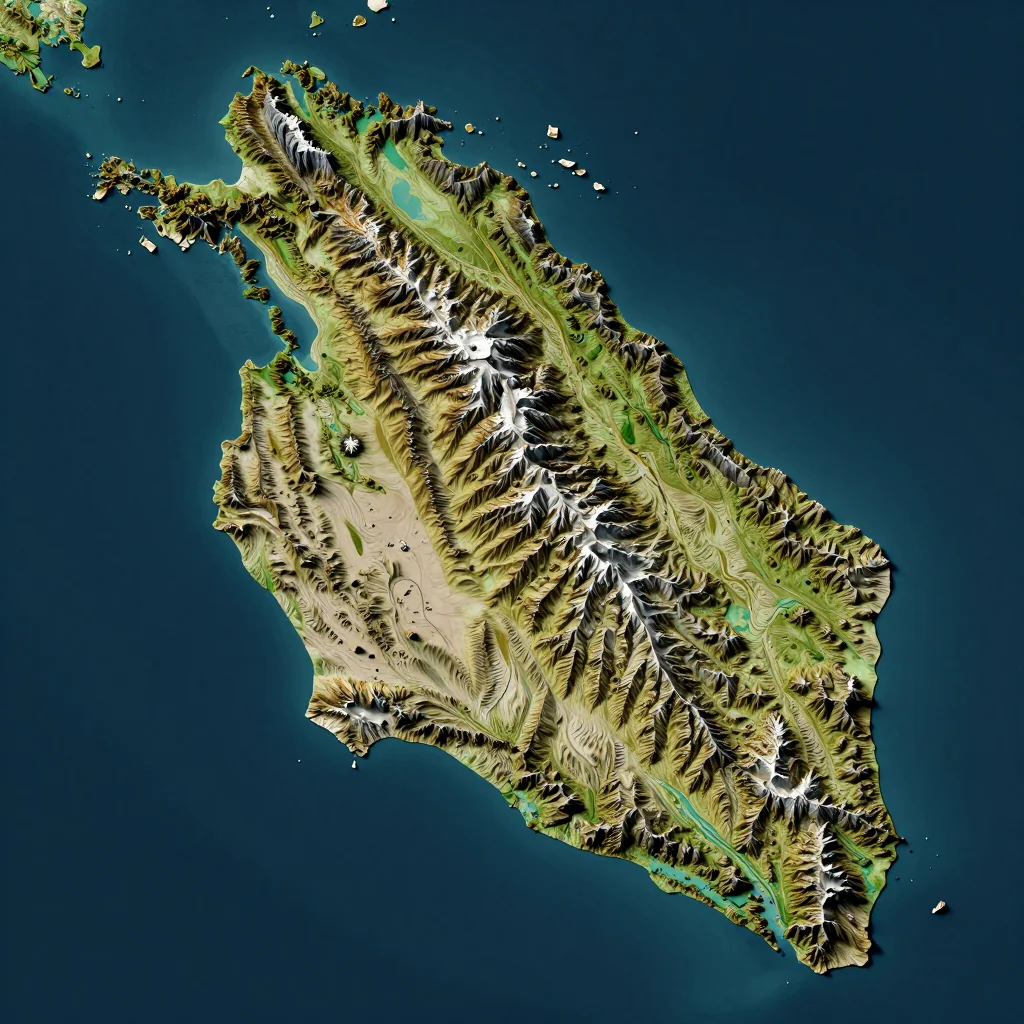
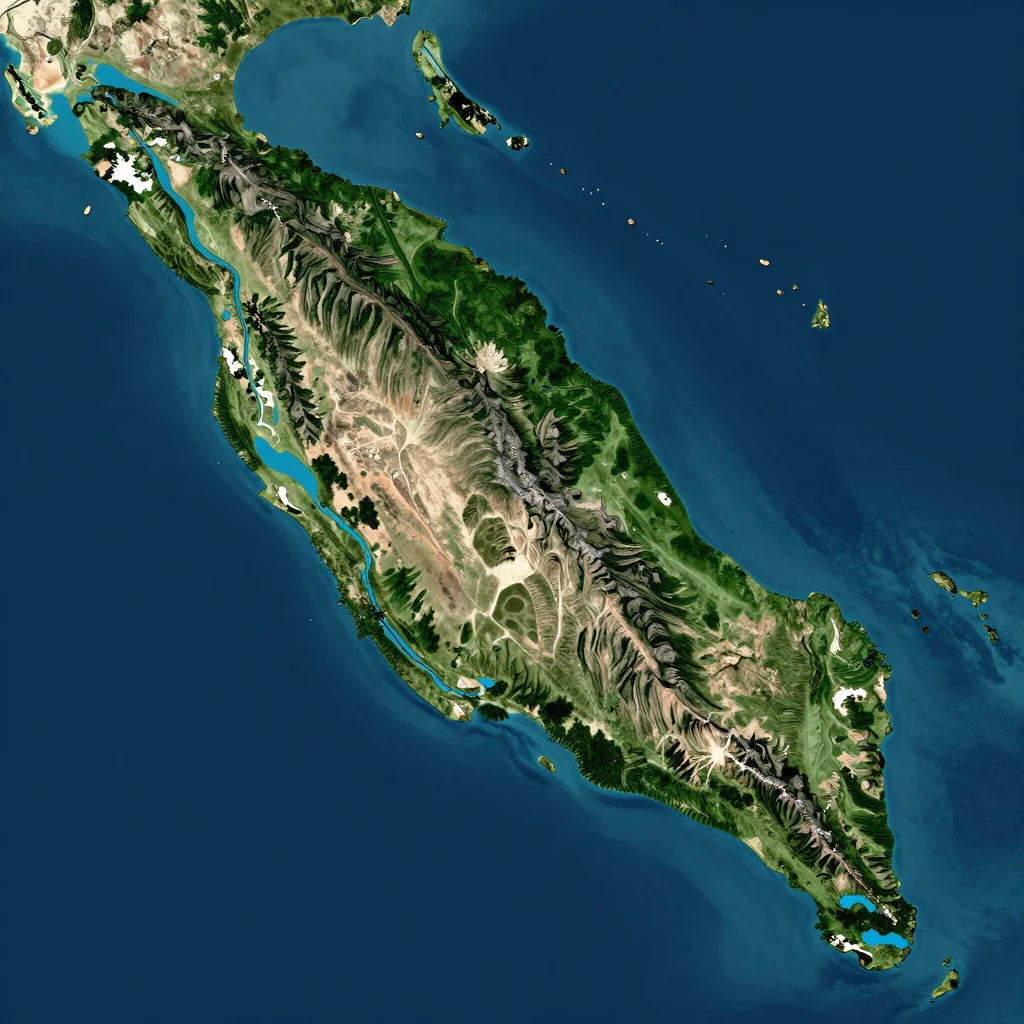
American Samoa’s islands are defined by dramatic volcanic landscapes. The terrain is predominantly mountainous, with steep slopes, narrow coastal plains, and deep valleys. Tutuila, the largest island, hosts the highest point in the territory: Lata Mountain on Tau Island, which rises to 984 meters (3,228 feet). Tutuila’s central ridge, capped by Matafao Peak (653 meters/2,142 feet), creates a rain shadow effect, resulting in stark elevation-dependent climate variations. The rugged topography is punctuated by ancient volcanic craters, such as the Tiala Crater, and erosion-carved gorges like the Blunt’s Cave. The limited flat land is found in coastal areas, where most settlements and agriculture are concentrated.
**Climate And Weather**
American Samoa experiences a tropical rainforest climate (Af), characterized by warm temperatures year-round, high humidity, and abundant rainfall. Average temperatures range from 26°C (79°F) to 30°C (86°F). The rainy season lasts from November to April, with sporadic thunderstorms and occasional cyclones, while the dry season (May–October) brings calmer weather. The islands’ topography creates microclimates: windward slopes receive up to 762 centimeters (300 inches) of annual rainfall, fostering dense rainforests, whereas leeward areas are drier and sunnier. The South Pacific Convergence Zone influences weather patterns, though American Samoa’s distance from major landmasses shields it from extreme climatic events relative to neighboring regions.
**Major Cities And Regions**
The territory is divided into three administrative regions: Eastern District, Western District, and the Manu‘a District, which includes the remote Manu‘a Islands. Tutuila Island hosts the majority of the population and the capital, Pago Pago, a natural harbor at the mouth of Pago Pago Bay. Other significant towns include Nu‘uuli, a primary residential area on Tutuila, and Leone, a historic site with cultural landmarks. The Manu‘a District, accessible only by boat or small aircraft, includes the volcanic island of Tau and the smaller Ofu and Olosega islands. These regions reflect cultural and geographic diversity, from the bustling port city of Pago Pago to the secluded, agricultural communities of the Manu‘a Islands.
**Natural Landmarks**
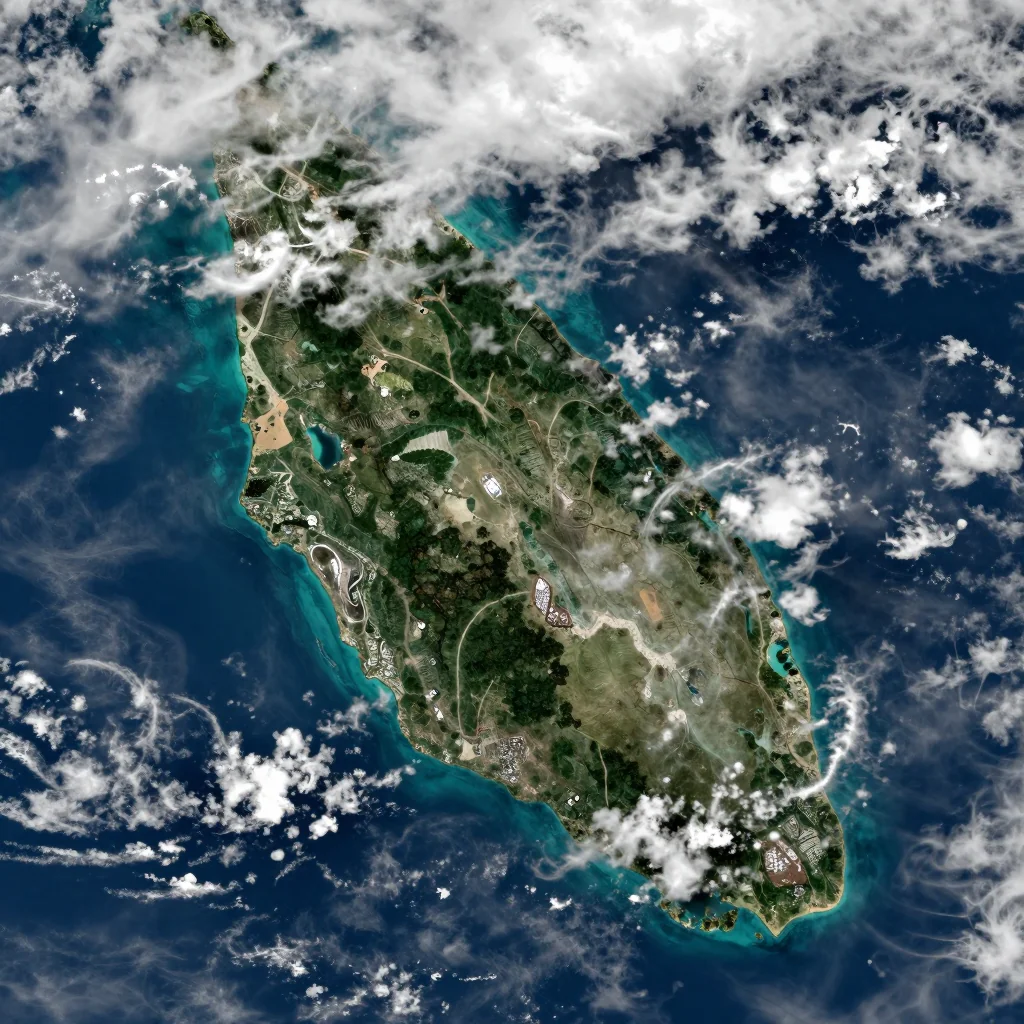
American Samoa’s natural wonders are a highlight of its geography. The National Park of American Samoa, spanning Tutuila, Tau, and Ofu, protects coral reefs, rainforests, and volcanic formations. Notable landmarks include **To Sua Ocean Trench**, a turquoise lagoon surrounded by cliffs, and the **Tafunu Cliffs**, which offer panoramic views of the Manu‘a Islands. **Taoa Ridge** on Tutuila features ancient lava flows, while the **Maopoopo Falls** cascade through lush vegetation. Rose Atoll, part of the National Wildlife Refuge, is a critical habitat for endangered green sea turtles and seabirds. The islands’ rugged coastlines, such as **Aasu Beach** on Ta‘u, showcase volcanic black sand and dramatic sea cliffs.
**Conclusion**
American Samoa’s geography is a mosaic of volcanic peaks, tropical forests, and coral reefs, shaped over millions of years by tectonic forces and oceanic currents. Its maps reveal a land of contrasts—where high-altitude cloud forests meet coral-fringed coastlines and where cultural traditions thrive alongside biodiversity. This small but geographically rich territory plays a vital role in ecological conservation and serves as a fascinating study of island biogeography. For travelers and scholars alike, American Samoa’s terrain and natural wonders offer unparalleled insights into the dynamic relationship between land, sea, and culture in the Pacific.