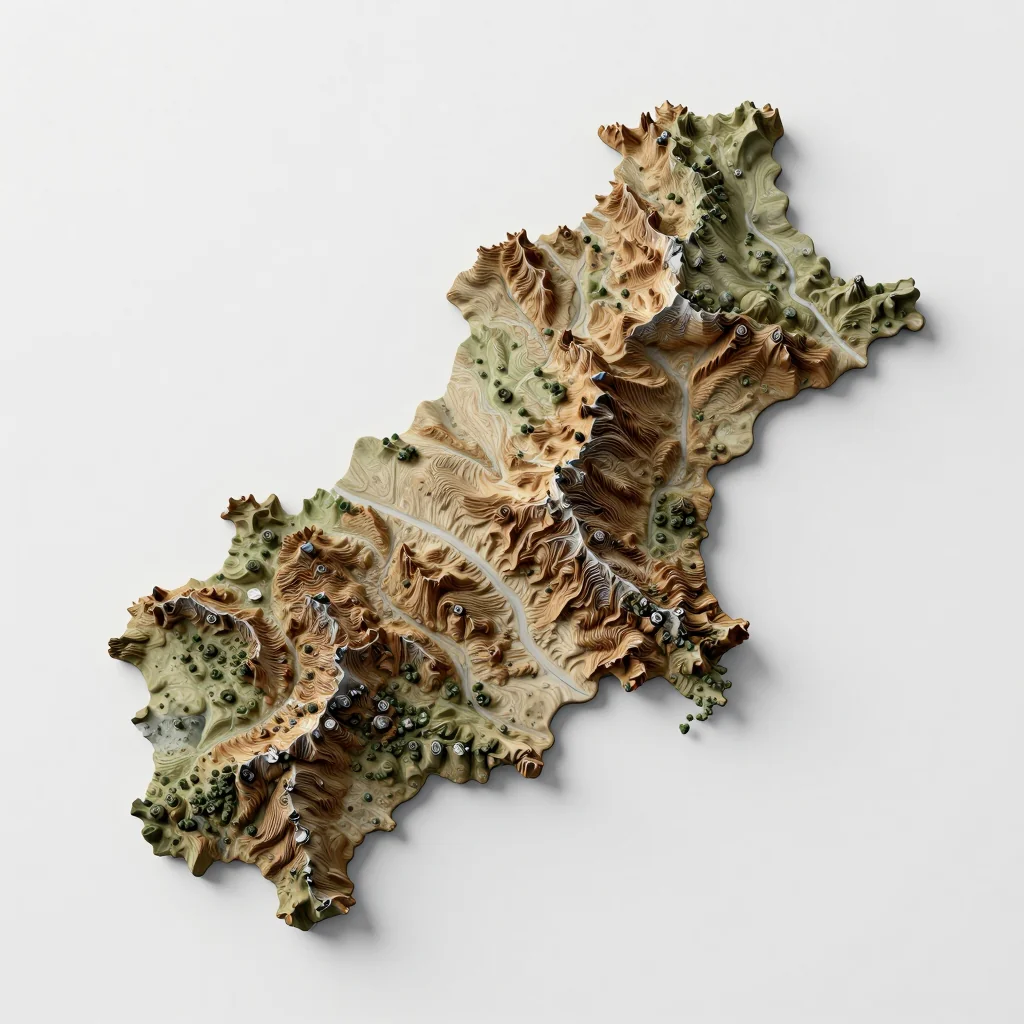
Nestled in the heart of the Pyrenees, Andorra is a small, landlocked principality renowned for its stunning alpine landscapes and strategic geographic position between France and Spain. Its rugged terrain, rich in natural resources, and unique climate make it a haven for winter sports and outdoor activities. Andorra’s geography, best explored through detailed maps and atlases, reveals a nation of breathtaking diversity shaped by centuries of geologic forces and human adaptation.
Geographic Location
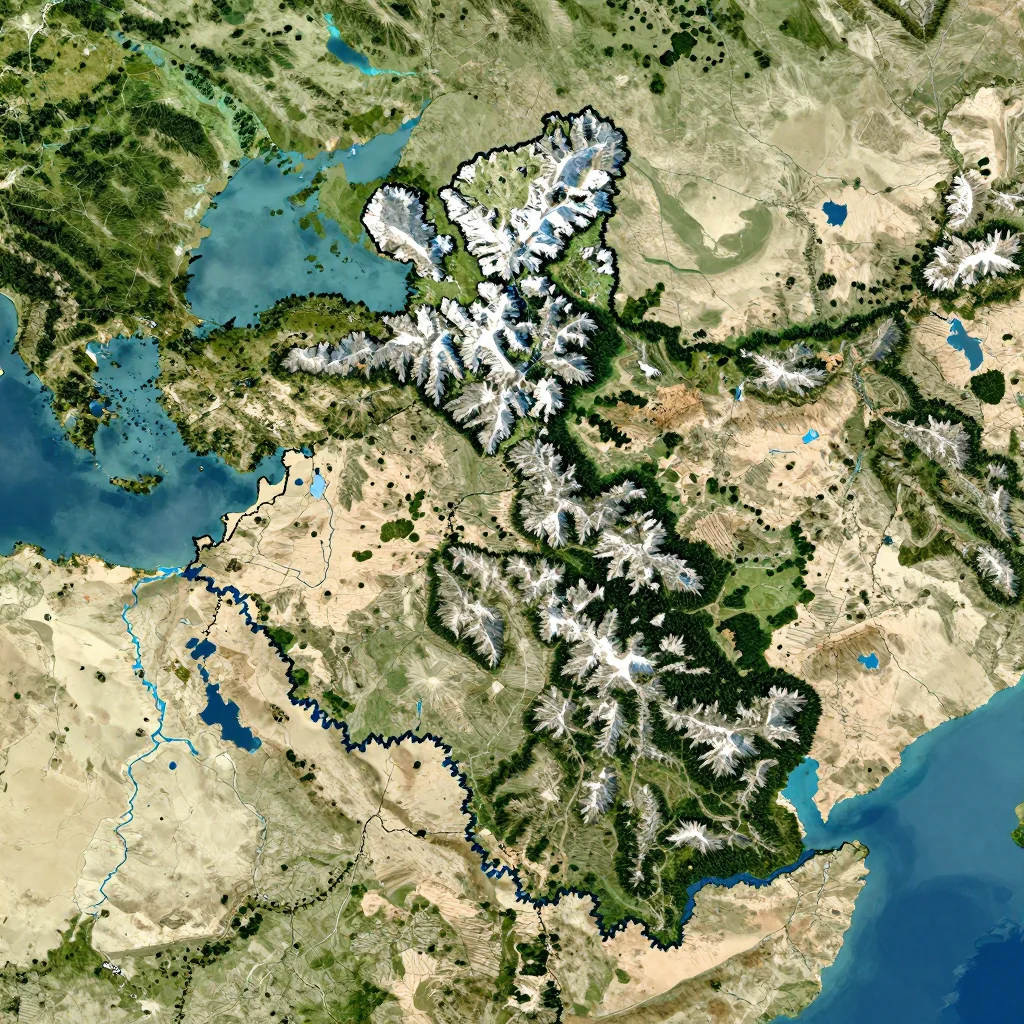
Andorra is situated in southwestern Europe, bordered by France to the north and Spain to the south. Its coordinates are approximately 42°30′N latitude and 1°30′E longitude. Covering just 468 square kilometers (181 square miles), it is one of Europe’s smallest countries, slightly larger than Malta. This diminutive size belies its geographic significance as a crossroads of cultural and ecological exchange between the Iberian Peninsula and the French Massif Central.
Topography and Terrain
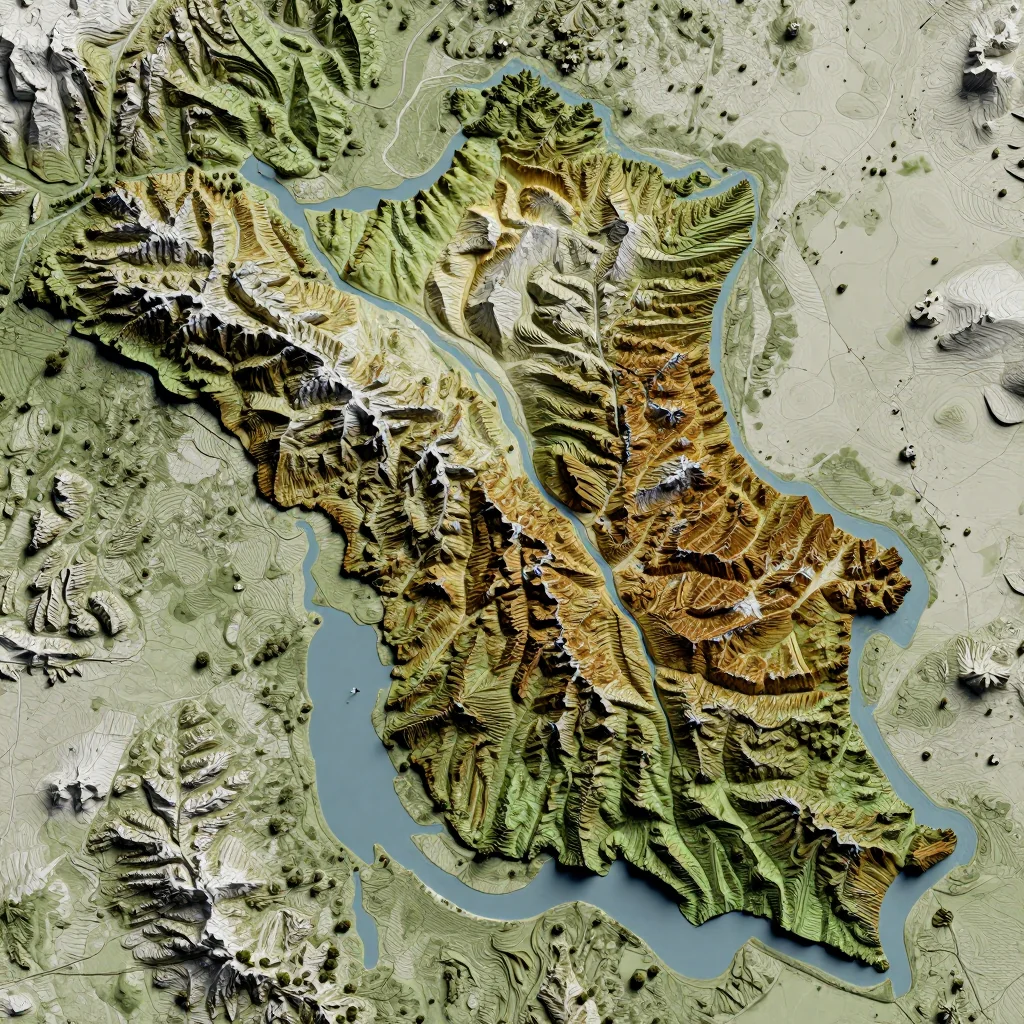
Andorra’s landscape is defined by the Pyrenees, with mountains occupying nearly the entire country. The highest peak, Coma Pedrosa (2,942 meters/9,652 feet), towers over the rugged eastern region. The terrain consists of deep valleys, narrow gorges, and high plateaus. The Valira River, the country’s largest waterway, flows through the central valleys, carving out fertile areas like the Valira Valley. Elevation varies dramatically, from 840 meters (2,756 feet) near the Spanish border to the Coma Pedrosa summit, creating a vertical landscape with no true plains.
Climate and Weather
Andorra’s climate is continental Mediterranean, influenced by its elevation and mountainous terrain. Summers (June–August) are cool and dry, with temperatures rarely exceeding 25°C (77°F). Winters are harsh, with heavy snowfall and temperatures often below freezing, especially in higher altitudes. The climate varies significantly by elevation: valleys experience milder temperatures, while ski resorts like Grandvalira (at 2,200 meters/7,218 feet) remain snowy until spring. Annual precipitation is moderate, with brief thunderstorms in summer.
Major Cities and Regions
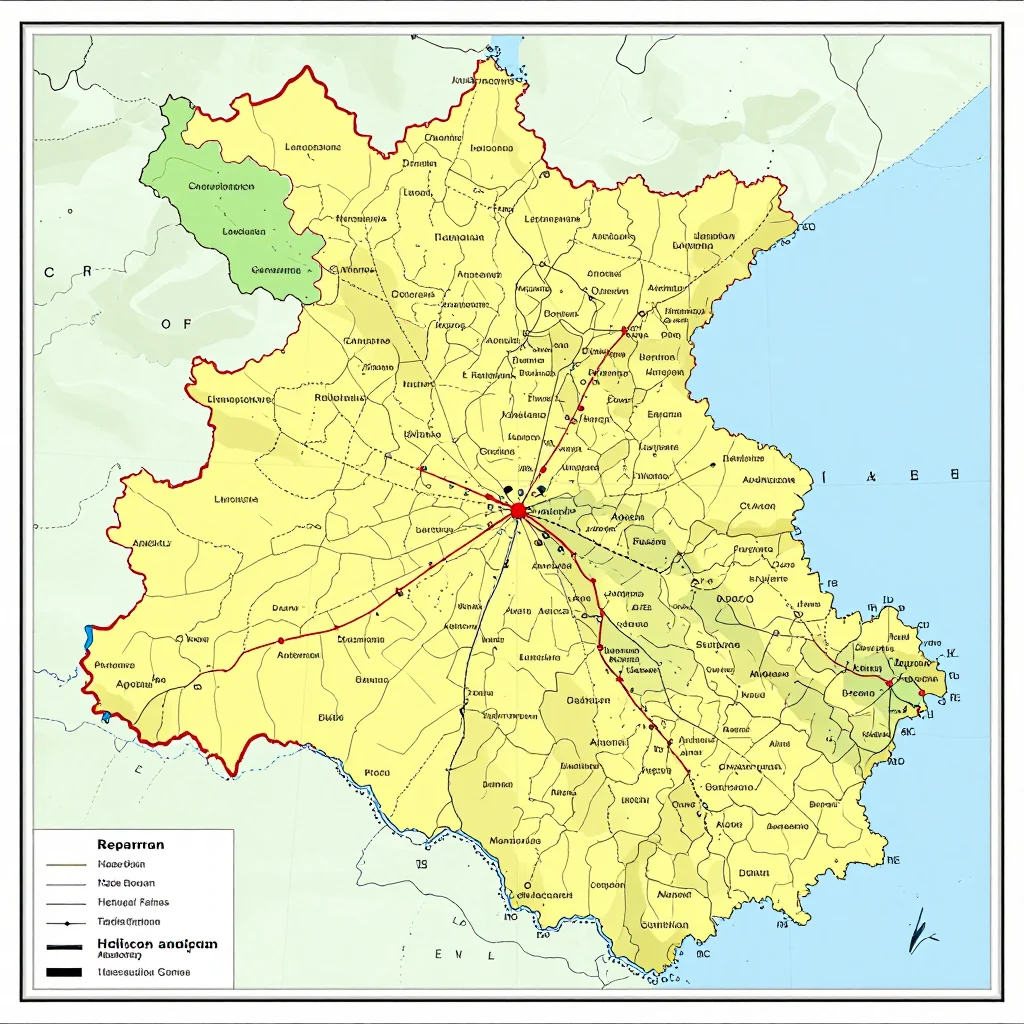
Andorra la Vella, the capital, is a compact, modern city surrounded by mountains and home to government institutions. Escaldes-Engordany, adjacent to the capital, serves as the country’s commercial and financial hub. Other key cities include Encamp (a historical town with medieval architecture), Sant Julià de Lòria (known for its lakes and vineyards), and La Massana (a gateway to ski resorts). Andorra is divided administratively into seven parishes: Andorra la Vella, Canillo, Encamp, La Massana, Ordino, Sant Julià de Lòria, and Escaldes-Engordany. Each retains local governance and cultural distinctiveness.
Natural Landmarks
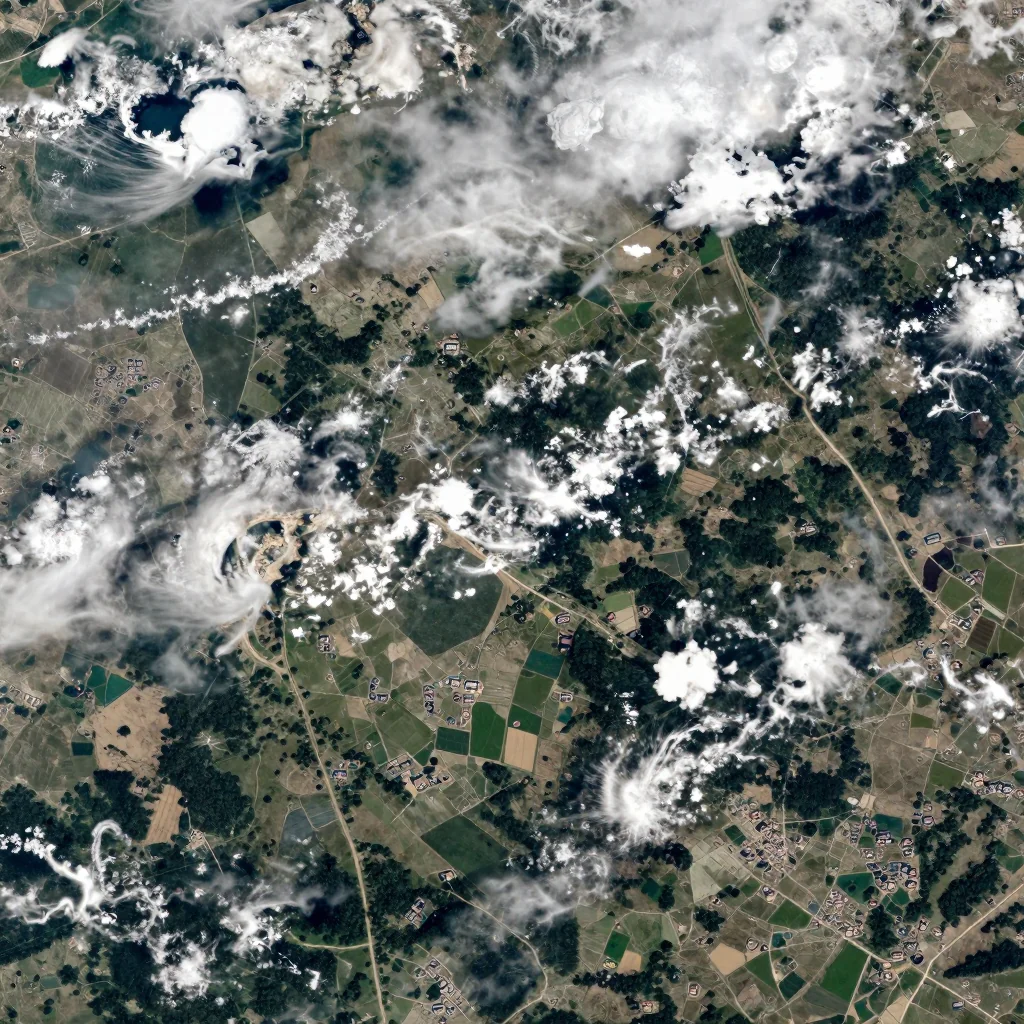
Andorra’s natural beauty is highlighted by its mountain vistas, glacial lakes, and rivers. The Valira River system, including its tributaries (Ordino and Gran Valira), sustains the valleys. Glacial lakes like Estanys de l’Aranyó and Estanys de Juclà offer serene retreats. The country’s highest peaks, such as Pic de Médécourbe and Pic d’Estats, attract hikers and climbers. The Natural Park of the Valira (Parc Natural dels Aiguamolls de l’Empordà) protects wetlands and migratory bird habitats. Thermal springs in Caldea Spa and the iconic ski slopes of Grandvalira further underscore Andorra’s natural and recreational landmarks.
Conclusion
Andorra’s geography is a tapestry of towering mountains, glacial valleys, and microclimates, all captured vividly in its maps and atlases. This tiny nation’s terrain, shaped by the Pyrenees, offers dramatic contrasts—from snow-capped peaks to verdant valleys—and supports a thriving tourism economy. Its strategic location between France and Spain has also influenced its culture and history. Andorra’s geographic diversity not only defines its identity but also positions it as a unique destination for adventure, relaxation, and ecological exploration.