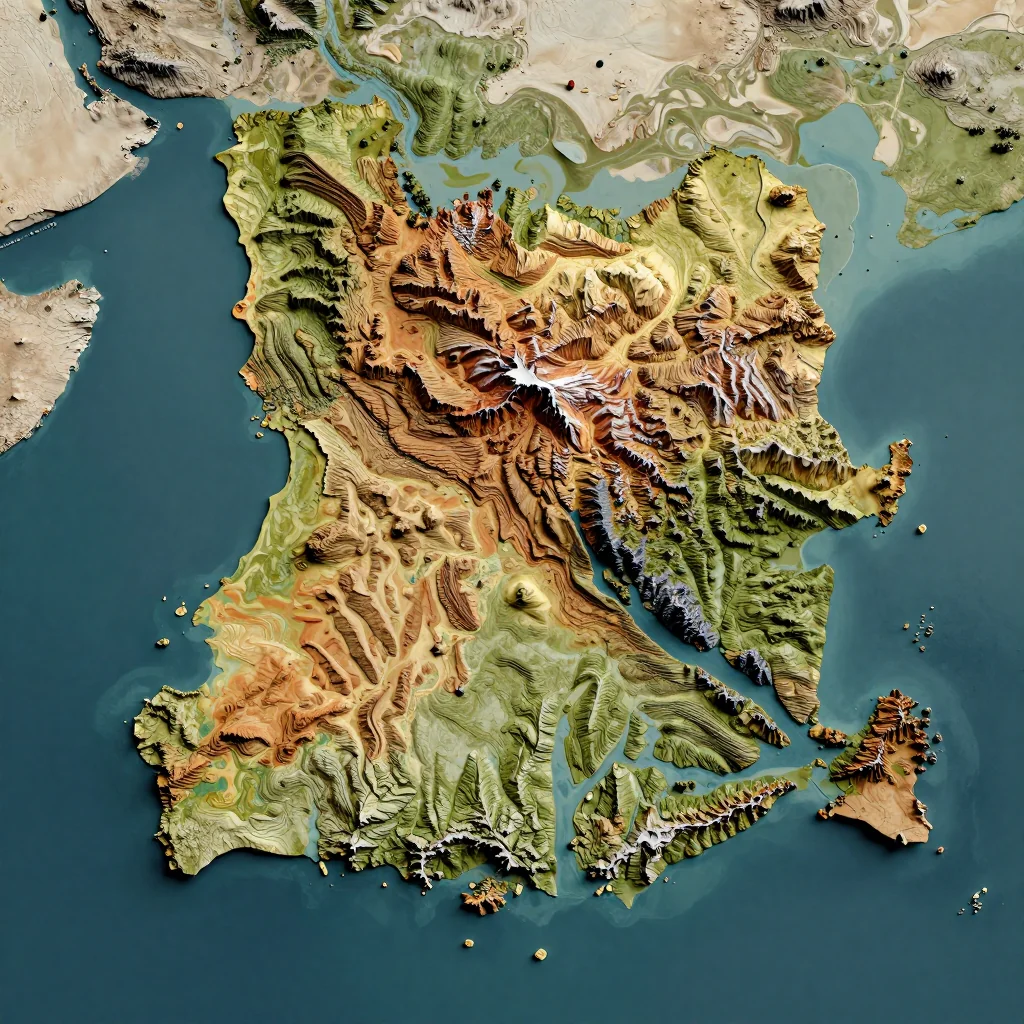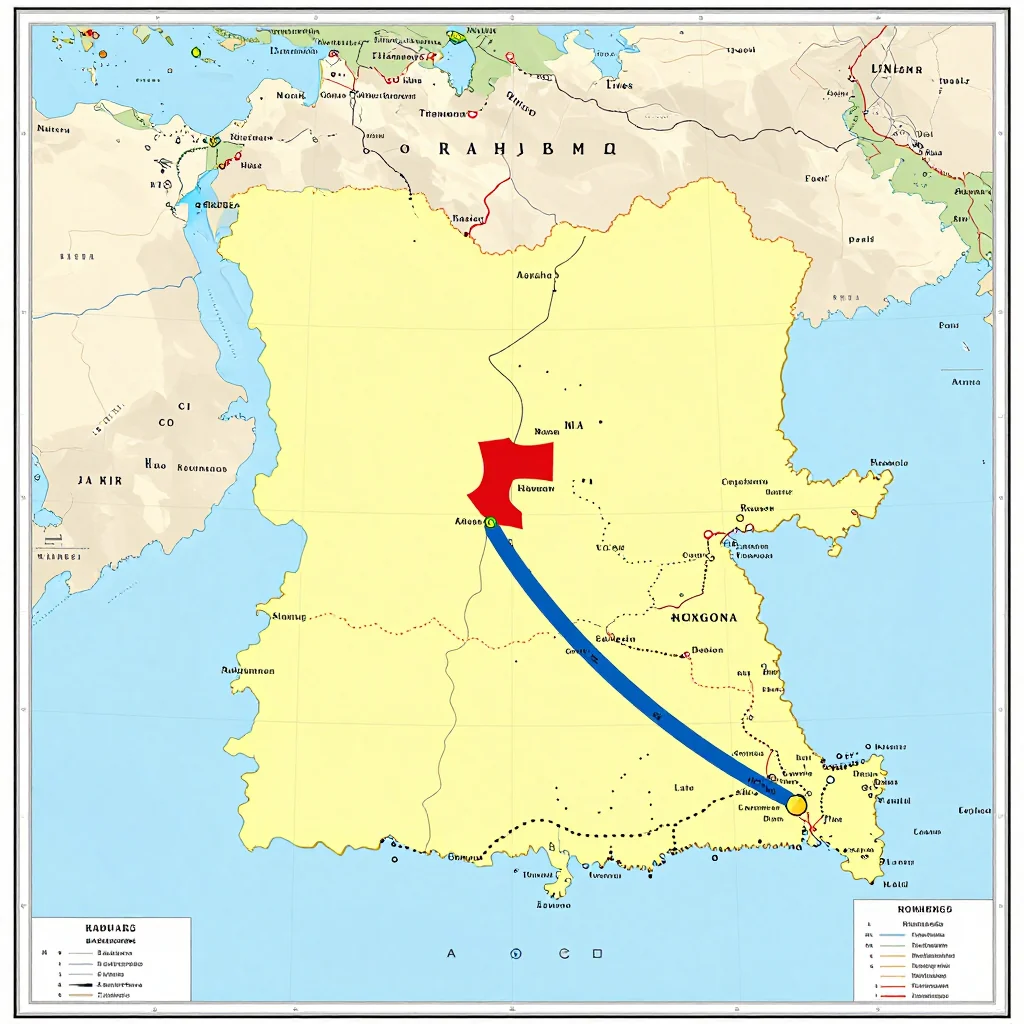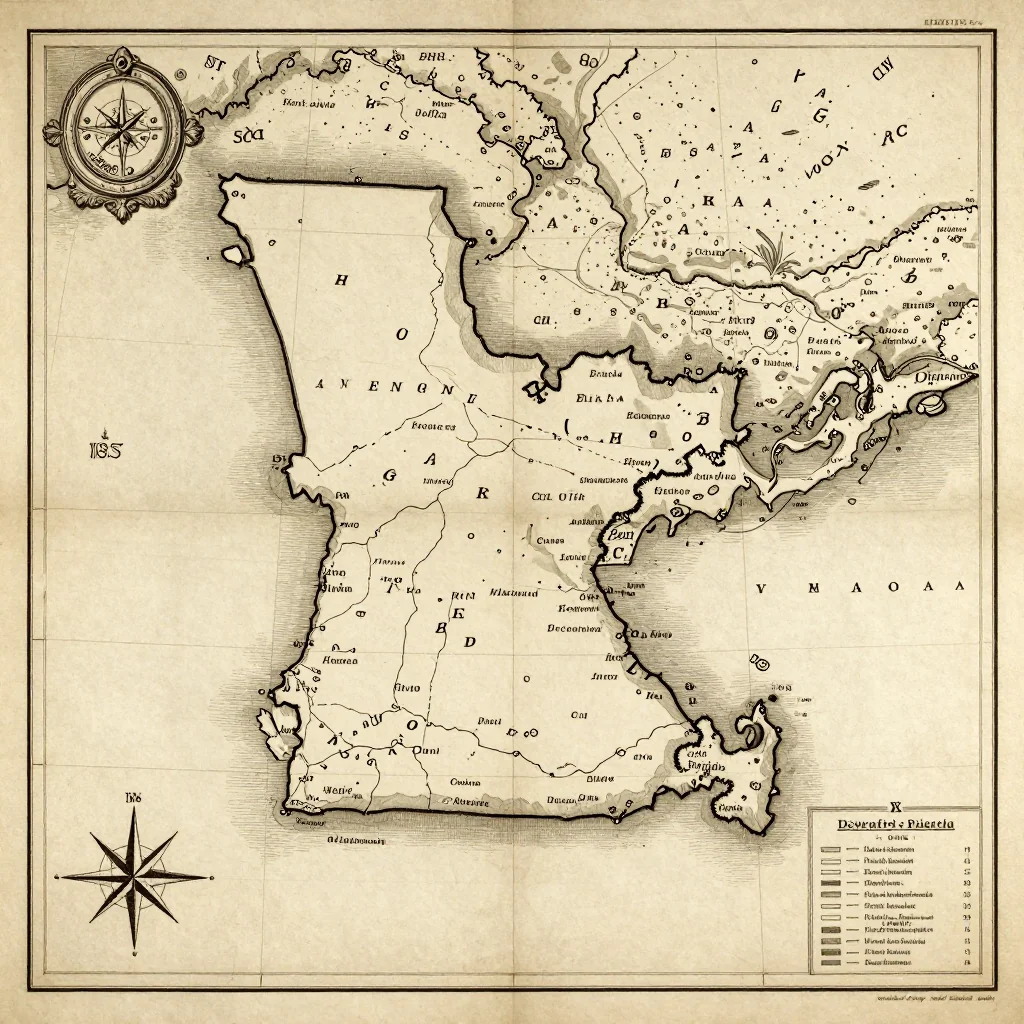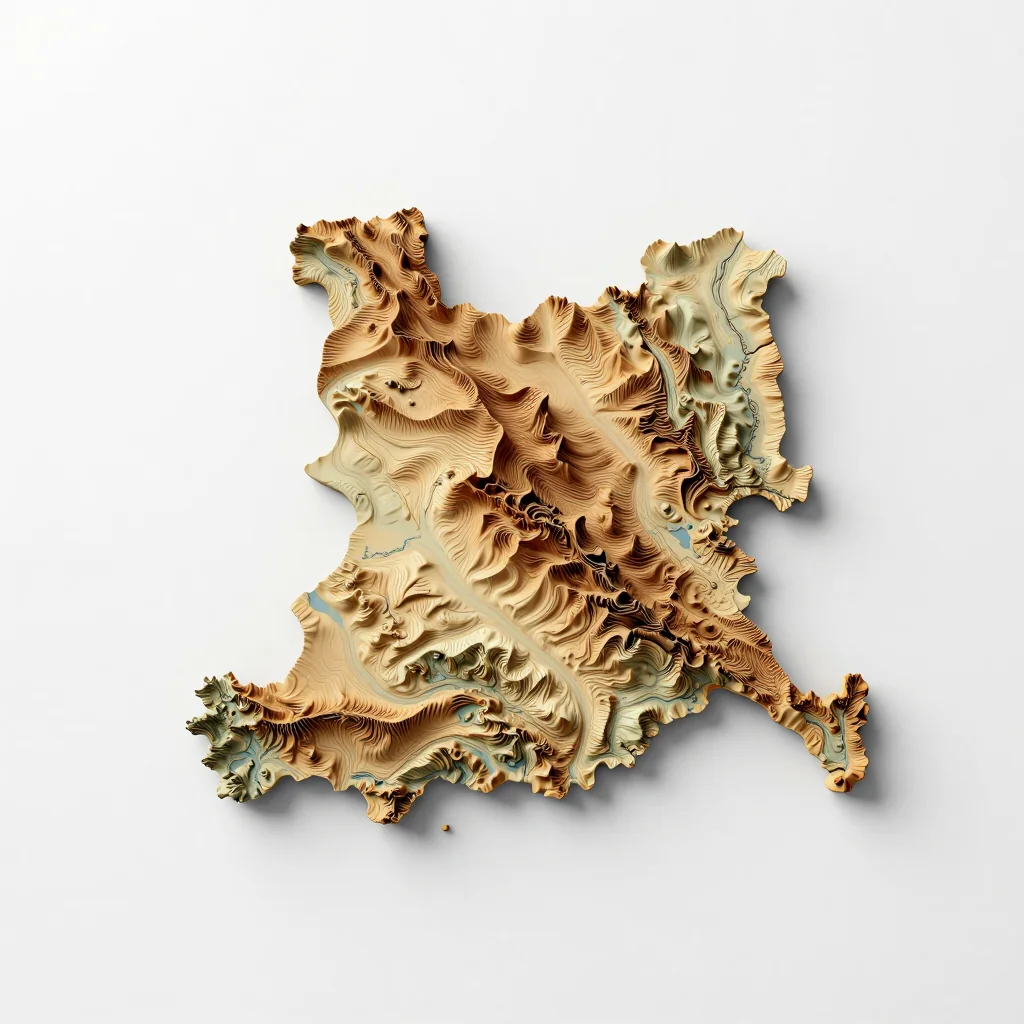
Angola, a nation of striking natural beauty and strategic geographic significance, occupies a pivotal position in Southern Africa. Known for its oil reserves, diamond deposits, and vast natural landscapes, Angola’s geography encompasses coastal plains, towering mountains, and fertile valleys, making it a vital crossroads for regional trade and ecological diversity. Its terrain and climate zones reflect the country’s rich environmental heritage, as depicted in detailed **Angola maps** and **Angola atlases**.
**Geographic Location**
Angola is situated in southwestern Africa, bordered by the Democratic Republic of the Congo to the north and east, Zambia to the east, Namibia to the south, and the Republic of the Congo to the north. To the west lies the Atlantic Ocean, which shapes its 1,600-kilometer coastline. The country’s coordinates span approximately 5°S to 18°S latitude and 10°E to 24°E longitude. With an area of 1.25 million square kilometers, Angola is the second-largest country in Southern Africa after the Democratic Republic of the Congo.
**Topography And Terrain**
Angola’s **terrain** varies dramatically across its three distinct regions. The narrow coastal plain, averaging 120 kilometers in width, slopes gently into the **Planalto de Angola** (Angolan Plateau), a vast central highland that dominates the country. Elevations here range from 1,000 to 1,700 meters, with peaks like Mount Moco (2,620 meters)—Angola’s highest point—rising dramatically. To the east, the terrain descends into the basins of the Zambezi and Cuando rivers. The Bié Plateau, a fertile agricultural region, and the Namib Desert in the south contrast starkly with the lush, green highlands of the north.
**Climate And Weather**
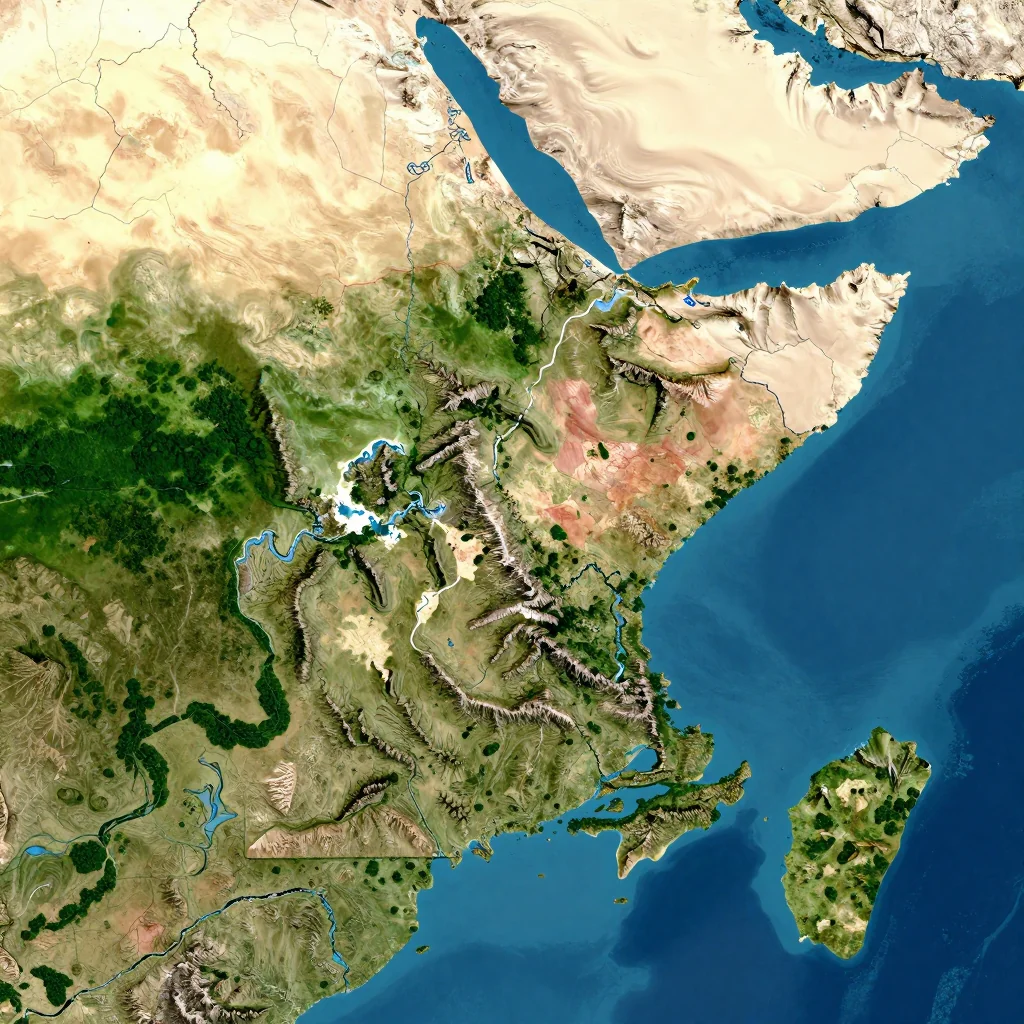
Angola’s climate is predominantly tropical, characterized by two main seasons: a wet season (November to April) and a dry season (May to October). However, regional variations are pronounced. The northern regions, influenced by equatorial rains, experience heavy rainfall and dense rainforests, while the south, cooled by the Benguela Current, is arid, forming part of the Namib Desert. The central highlands enjoy a milder climate, with temperate temperatures year-round. Floods and droughts are occasional challenges due to erratic rainfall patterns.
**Major Cities And Regions**
Angola is divided into 18 provinces, each reflecting diverse geographic and cultural landscapes. The capital, **Luanda**, is a bustling coastal city surrounded by the Atlantic and the elevated margens (hills). Inland, **Huambo** and **Lubango** anchor the fertile highlands, while **Malanje** sits in the northern rainforest belt. **Benguela**, a historic port, lies on the southwest coast, and the oil-rich enclave of **Cabinda** is separated from the mainland by the Democratic Republic of the Congo. These regions highlight Angola’s geographic and economic diversity.
**Natural Landmarks**
Angola’s natural wonders include the **Zambezi River**, which originates in the Bié Plateau, and the Cuando River, which flows into Botswana’s Okavango Delta. The **Iona National Park** in the south protects savannahs and the Cuando River delta, home to elephants and lions. The **Kundalai Islands**, off Luanda’s coast, offer pristine beaches and marine biodiversity. The **Namib Desert** stretches into southern Angola, featuring stark sand dunes and desert-adapted wildlife.
**Conclusion**
Angola’s geographic diversity—from coastal cities to mountainous highlands and arid deserts—underscores its ecological and cultural richness. Its varied **geography**, as detailed in **Angola terrain** maps and atlases, fosters a dynamic environment for agriculture, mining, and conservation. This landscape not only defines Angola’s identity but also presents unique challenges and opportunities for sustainable development in the 21st century. Keywords: Angola map, Angola geography, Angola atlas, Angola terrain.