
Nestled in the heart of Turkey’s Central Anatolia region, **Ankara** is the vibrant political, administrative, and cultural heart of the nation. Serving as the capital since 1923, Ankara offers a rich blend of ancient history, modern infrastructure, and a dynamic urban atmosphere. This **Ankara city guide** explores the city’s location, districts, landmarks, transportation, and unique cultural identity, making it a must-visit destination for travelers exploring Turkey.
Map Gallery
Location and Geography
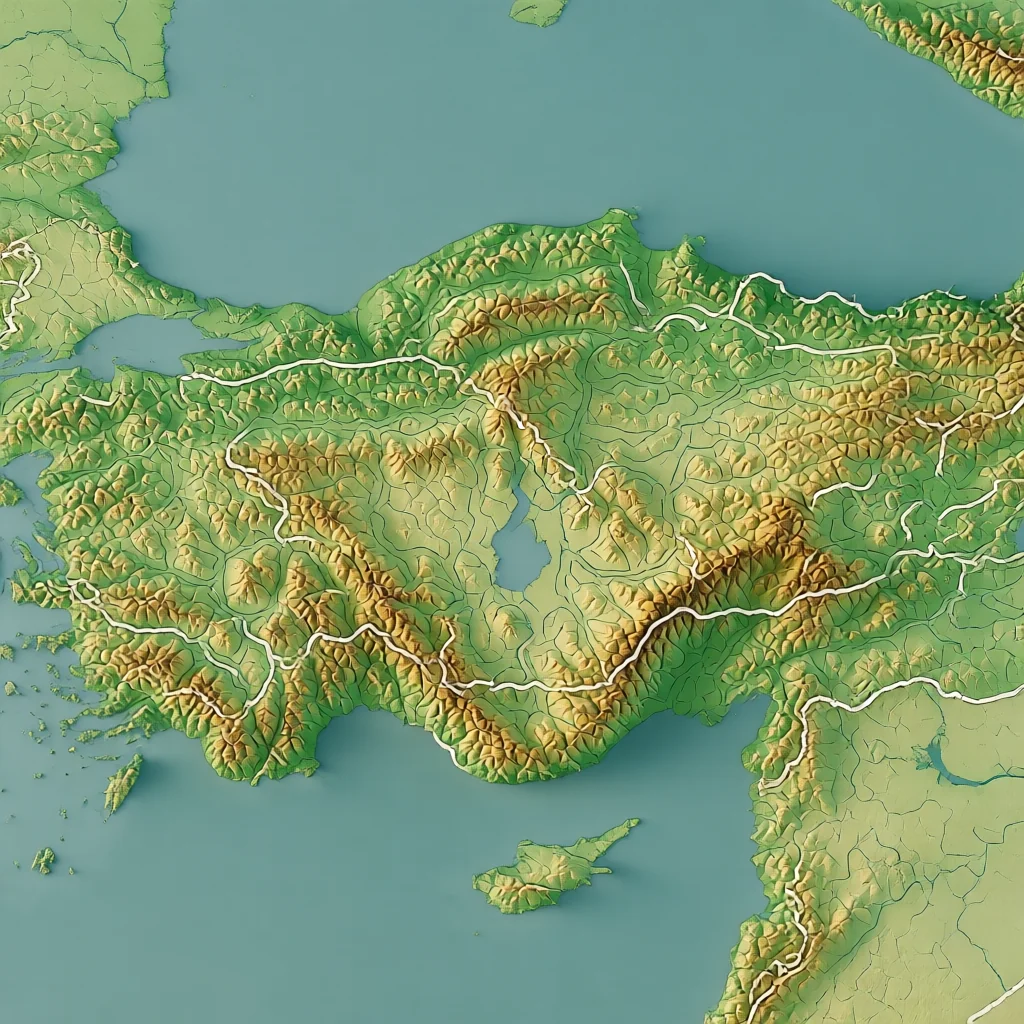
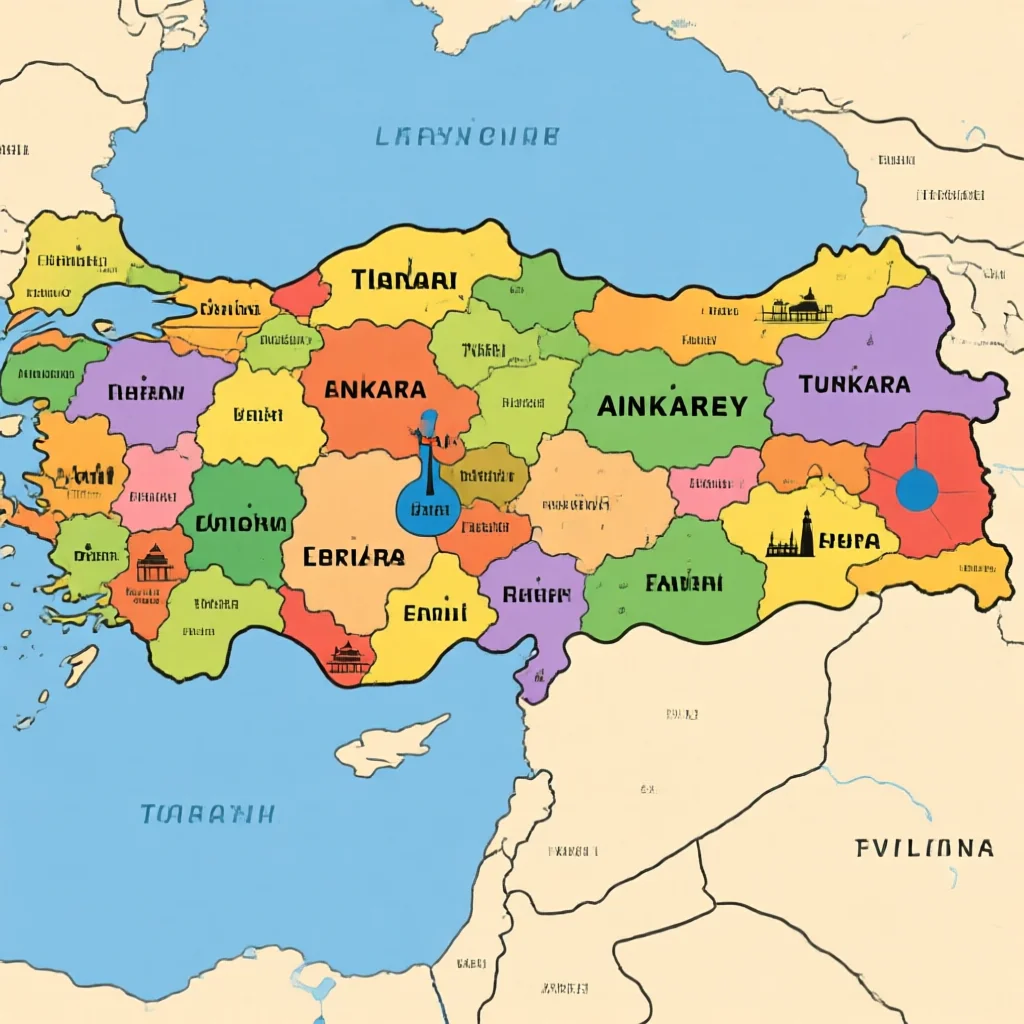
Ankara is situated on the eastern edge of the Anatolian Plateau, surrounded by rolling hills and fertile valleys. Its strategic central location has made it a crossroads of civilizations for millennia. At an elevation of 938 meters (3,077 feet), the city enjoys a continental climate with hot summers and cold winters. A detailed **Ankara map** reveals a compact urban core surrounded by sprawling suburbs, with key landmarks like the Ankara Citadel and Anıtkabir (Atatürk Mausoleum) defining its historic and modern identity.
Districts of Ankara
Ankara is divided into 28 districts, each with its own character and significance: 1. **Ulus**: The historic center, home to the iconic Ankara Citadel and Anıtkabur. 2. **Çankaya**: The political hub, housing the Presidential Complex and the Grand National Assembly of Turkey (TBMM). 3. **Kızılay**: The bustling commercial and financial district, known for its shopping centers, theaters, and nightlife. 4. **Yenimahalle**: A vibrant area with a mix of traditional markets and industrial zones. 5. **Sincan**: A modern residential area with green parks and universities. 6. **Esenboga**: Hosts the Ankara Esenboga Airport, the city’s primary aviation gateway. These districts collectively shape Ankara’s identity, offering everything from historic sites to contemporary urban life.
Landmarks and Attractions
Ankara’s landmarks reflect its layered history and modernity: – **Ankara Citadel**: A 4th-century Roman fortress overlooking Ulus, symbolizing the city’s ancient roots. – **Anıtkabir**: The mausoleum of Mustafa Kemal Atatürk, Turkey’s founder, is a neoclassical masterpiece with panoramic city views. – **Museum of Anatolian Civilizations**: Housed in a restored 15th-century mosque, it showcases artifacts from Turkey’s rich archaeological heritage. – **Gençlik Parkı**: A large green space in the city center, perfect for relaxation and cultural events. – **Ankara Opera and Ballet**: A modern theater hosting world-class performances. – **Ulus Square**: The symbolic heart of the city, surrounded by government buildings and historic sites.
Transportation
Ankara’s transportation network ensures seamless mobility: – **Ankara Esenboga Airport** (ESB): Connects the city to domestic and international destinations. – **Ankara Metro**: Operates three lines (1st, 2nd, and 3rd) covering central areas like Ulus and Kızılay. – **Buses and Taxis**: Extensive bus routes and affordable taxis dominate daily commuting. – **Railway**: The **Ankara Central Station** links the city to Istanbul, Izmir, and other major cities via intercity trains. – **Highways**: The O-3 (Ankara-Istanbul) and O-4 (Ankara-Konya) motorways provide road access.
Culture and Lifestyle
Ankara’s culture balances tradition and modernity, shaped by its role as Turkey’s administrative capital. The city is less touristy than Istanbul or İzmir but offers unique experiences: – **Cuisine**: Sample **borek** (savory pastries), **pastırma** (cured beef), and **taraklı pide** (anchovy pizza) in districts like Kızılay or Yenimahalle. – **Festivals**: The **Ankara International Film Festival** and **Ankara International Fair** (a trade and cultural exposition) highlight the city’s vibrant arts scene. – **Nightlife**: Kızılay and Çankaya host trendy bars and cafes, while historic quarters offer traditional teahouses. – **Shopping**: Grand malls like Atlas Park and Akmerkez contrast with lively bazaars selling local crafts and textiles.
Conclusion
Ankara is more than Turkey’s political capital—it’s a city where history meets innovation. From its ancient citadel to its bustling districts, the city offers a compelling mix of cultural depth and urban energy. Whether exploring landmarks on an **Ankara map** or savoring its unique flavors, visitors will find Ankara a captivating gateway to Turkey’s heartland. This **Ankara city guide** serves as a starting point for discovering a city that continues to shape Turkey’s future while honoring its past. (Word count: 500)