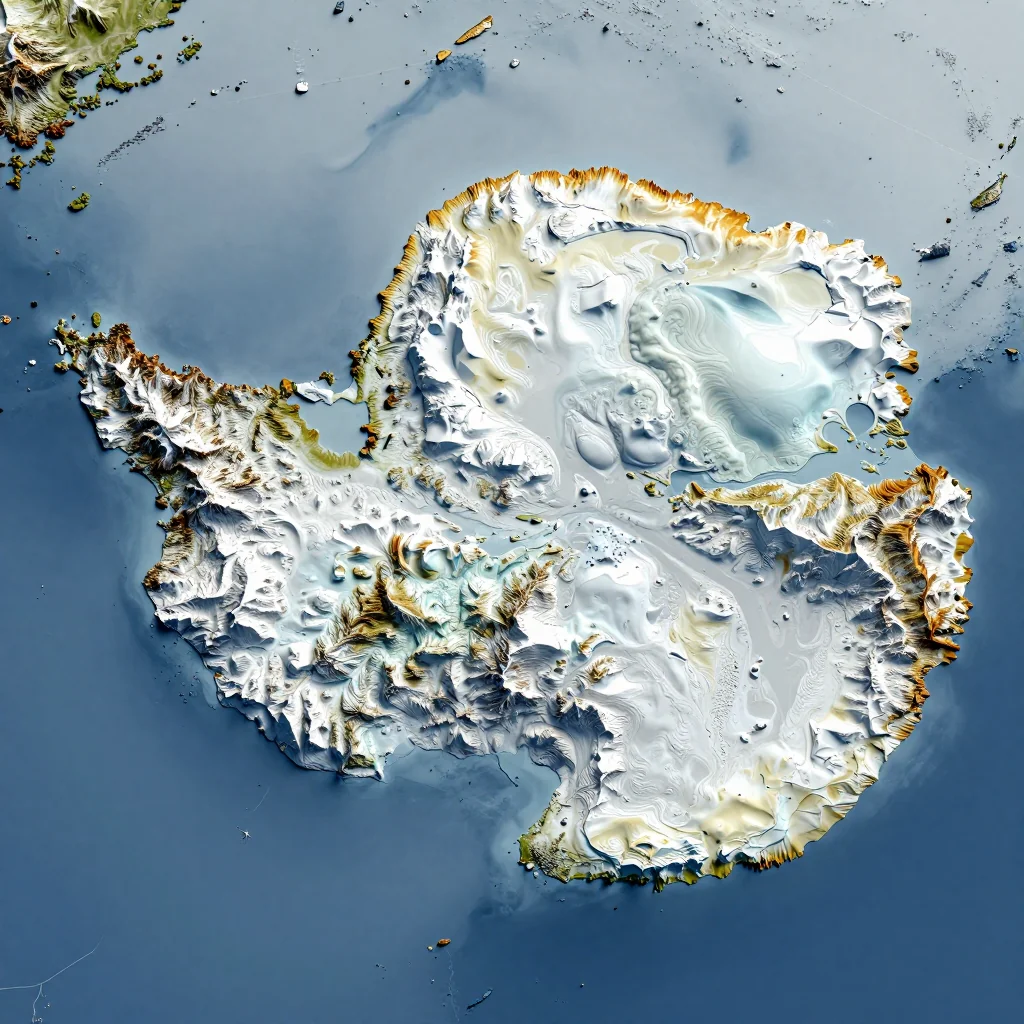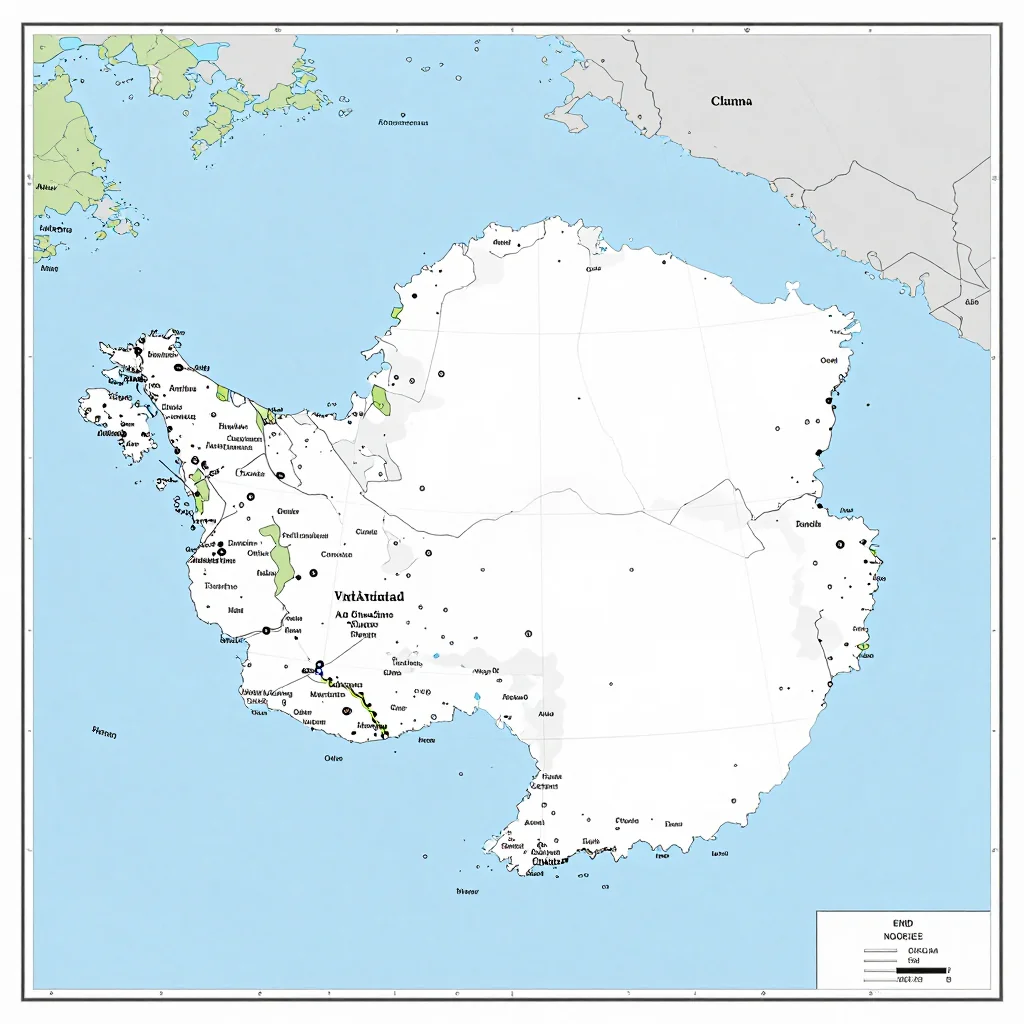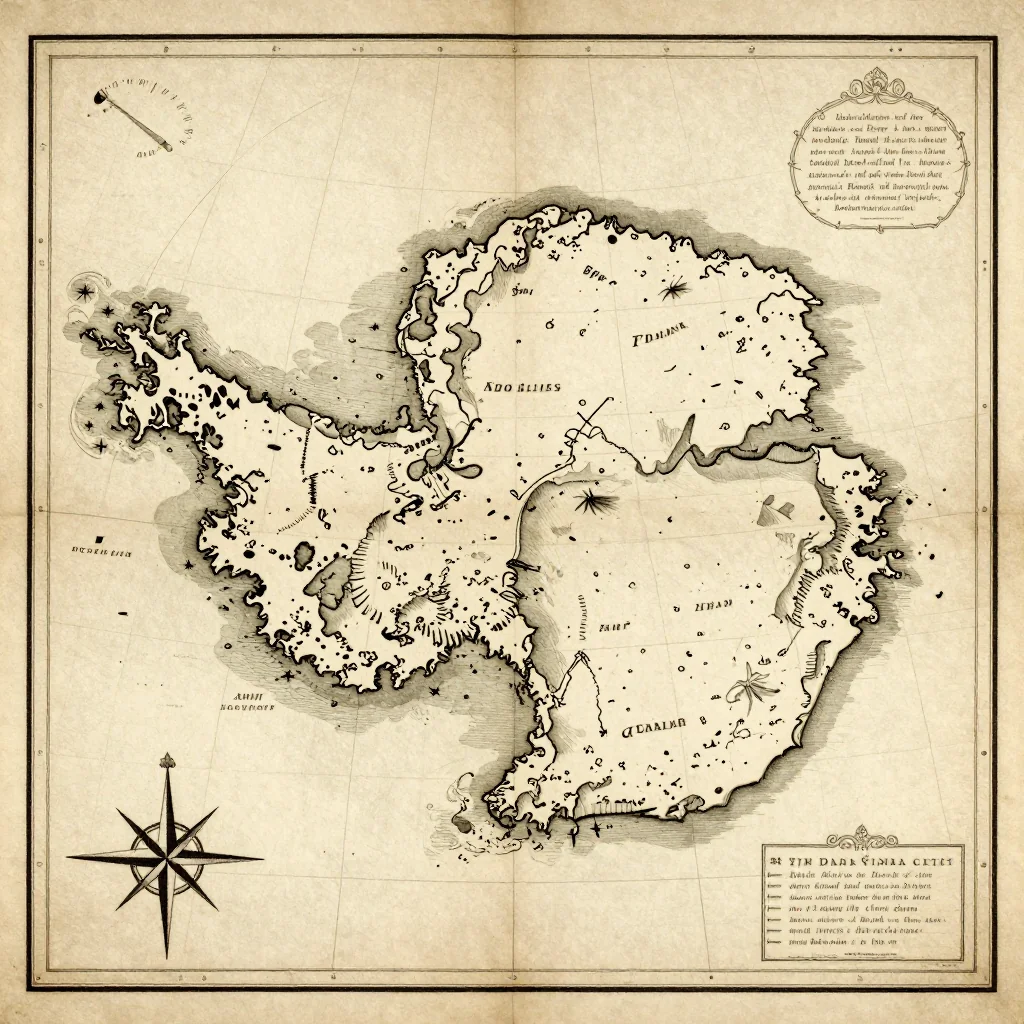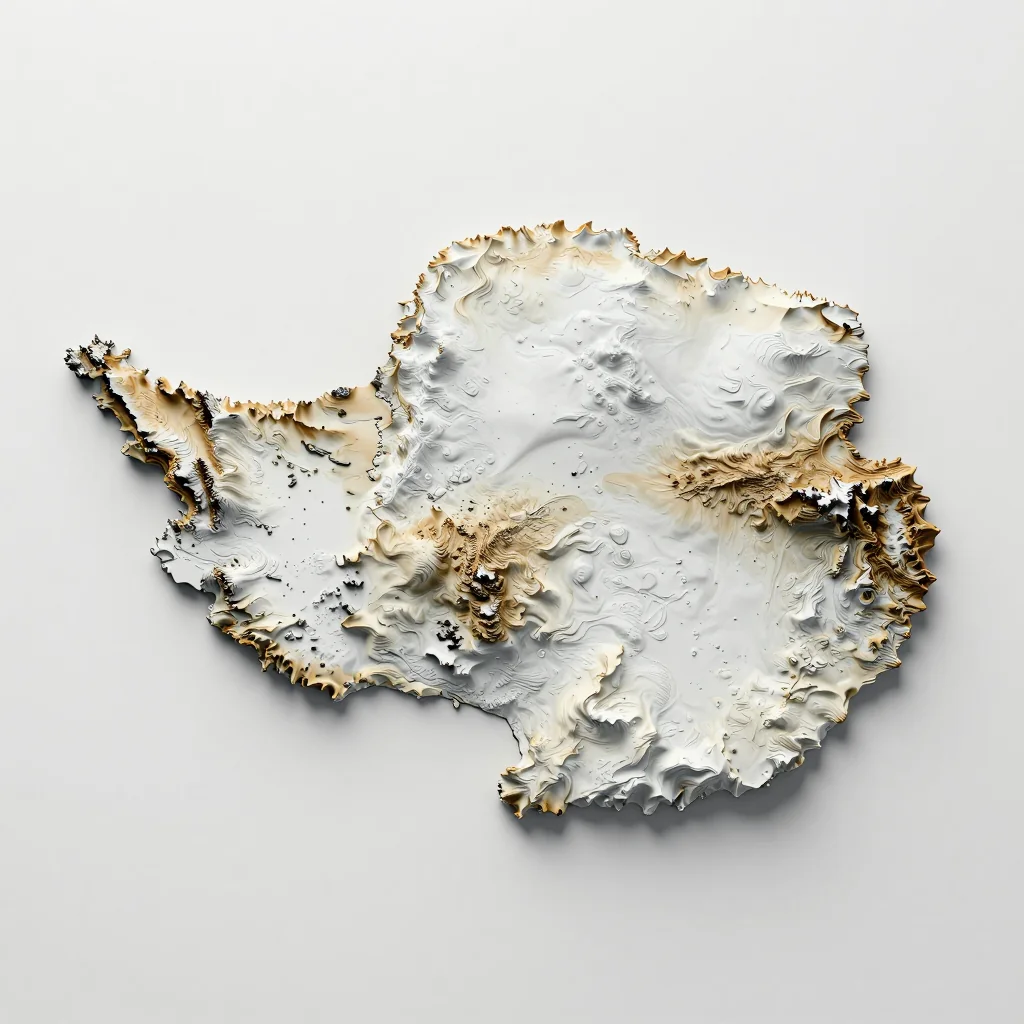
Antarctica, Earth’s southernmost continent, holds unparalleled geographic significance as the world’s coldest, driest, and windiest continent. Its vast ice sheets influence global climate patterns, and its unique ecosystems offer critical insights into environmental science. Studied through detailed Antarctica maps and atlases, this frozen wilderness remains a focal point for international research and conservation efforts.
**Geographic Location**
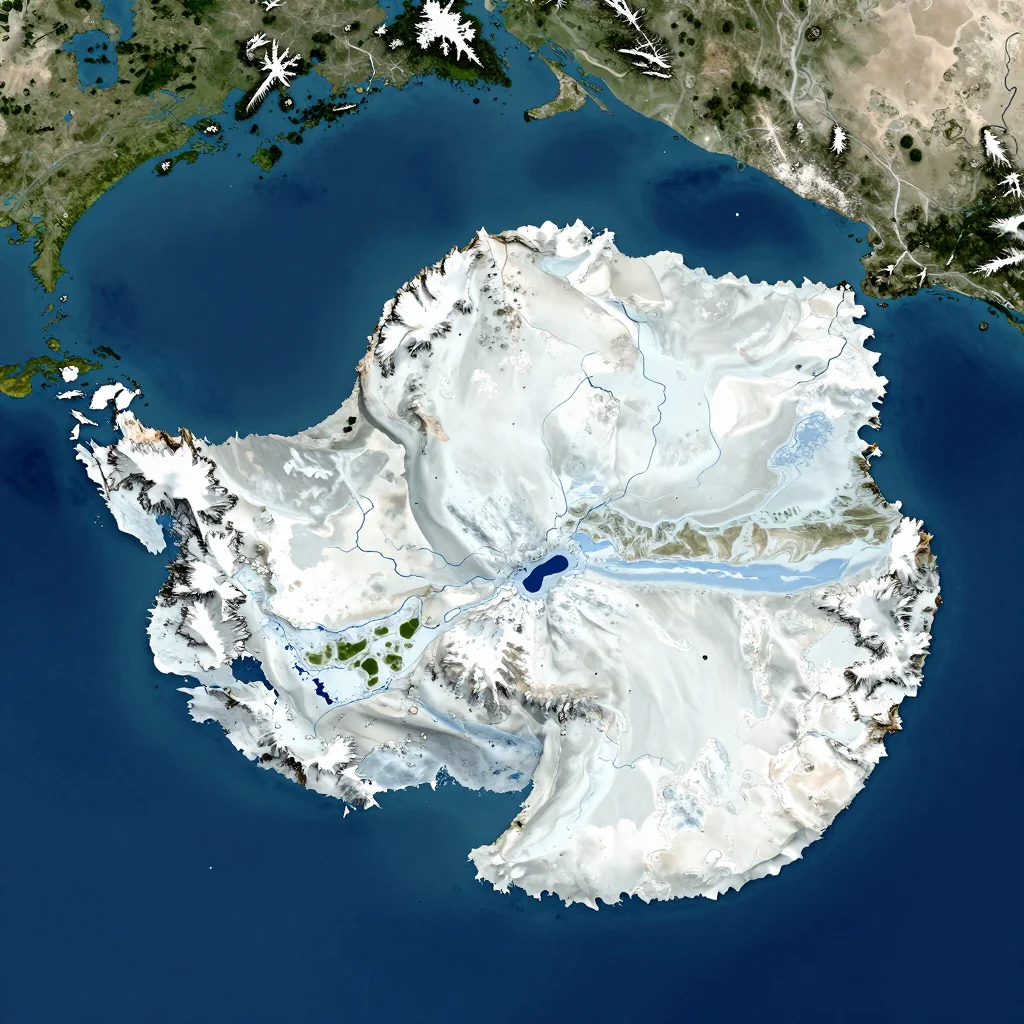
Antarctica is located almost entirely within the Antarctic Circle, surrounded by the Southern Ocean. It is geographically isolated, with no land borders, though its closest neighbors are South America (1,200 km from the southern tip of Chile), Australia (1,500 km), and the southern coasts of Africa and New Zealand. Its coordinates span roughly 60°S to 90°S latitude and 0° to 360° longitude, covering an area of approximately 14 million square kilometers—making it the fifth-largest continent. However, its size fluctuates seasonally due to sea ice expansion, doubling its area in winter.
**Topography And Terrain**
Antarctica’s terrain is dominated by the East and West Antarctic Ice Sheets, which host 90% of Earth’s freshwater. East Antarctica, a high, ancient continental plateau, rises to 3,000–4,000 meters above sea level, while West Antarctica, a geologically younger region, includes the Transantarctic Mountains, stretching 3,500 km across the continent. The highest peak is Vinson Massif (4,892 m), part of the Sentinel Range. Valleys such as the Lambert Graben, a massive ice-filled trench, and the ice-free Dry Valleys showcase stark contrasts in elevation and terrain. The polar plateau, a flat, high-altitude region, is the coldest part of the continent.
**Climate And Weather**
Antarctica’s climate is hypercontinental and extremely harsh. The interior experiences frigid temperatures, with an average winter low of -60°C and a record -89.2°C recorded at Vostok Station. Coastal regions are slightly milder but still extreme, with summer highs rarely exceeding 5°C. Seasonal variations are dramatic: 24-hour daylight in summer and perpetual darkness in winter. Katabatic winds, descending from the high interior, can reach 320 km/h, contributing to its “dry desert” status—the continent receives less than 200 mm of precipitation annually.
**Major Cities And Regions**
Antarctica has no permanent cities; its inhabitants are transient researchers. Major research stations include McMurdo Station (U.S.—the largest, with 1,200 summer residents), Palmer Station (U.S.—studying climate impacts), and Vostok Station (Russia—site of the coldest temperature ever recorded). The continent is divided into territorial claims by seven nations (e.g., Australia’s Australian Antarctic Territory, Norway’s Queen Maud Land), though the Antarctic Treaty (1959) suspends sovereignty disputes, designating it a scientific preserve.
**Natural Landmarks**
Antarctica boasts awe-inspiring natural features. The Transantarctic Mountains divide East and West Antarctica, while the Antarctic Peninsula, a rugged finger of land jutting toward South America, is home to glaciers and penguin colonies. Notable landmarks include Lake Vostok, a subglacial lake buried under 4,000 meters of ice, and the Ross Ice Shelf, a floating ice platform the size of France. The Dry Valleys, ice-free regions sculpted by wind erosion, and the Lambert Glacier, the world’s largest valley glacier, highlight the continent’s glacial diversity.
**Conclusion**
Antarctica’s geography is a mosaic of extremes—towering ice sheets, desolate valleys, and windswept coasts—that make it a critical site for climate and ecological research. Its maps and atlases reveal a dynamic landscape shaped by ice, wind, and tectonic forces. As a shared global resource under the Antarctic Treaty, the continent’s preservation is vital for understanding Earth’s climatic past and future. Antarctica’s terrain, climate, and landmarks underscore its role as both an environmental barometer and a testament to Earth’s natural wonders. Keywords: Antarctica map, Antarctica geography, Antarctica atlas, Antarctica terrain