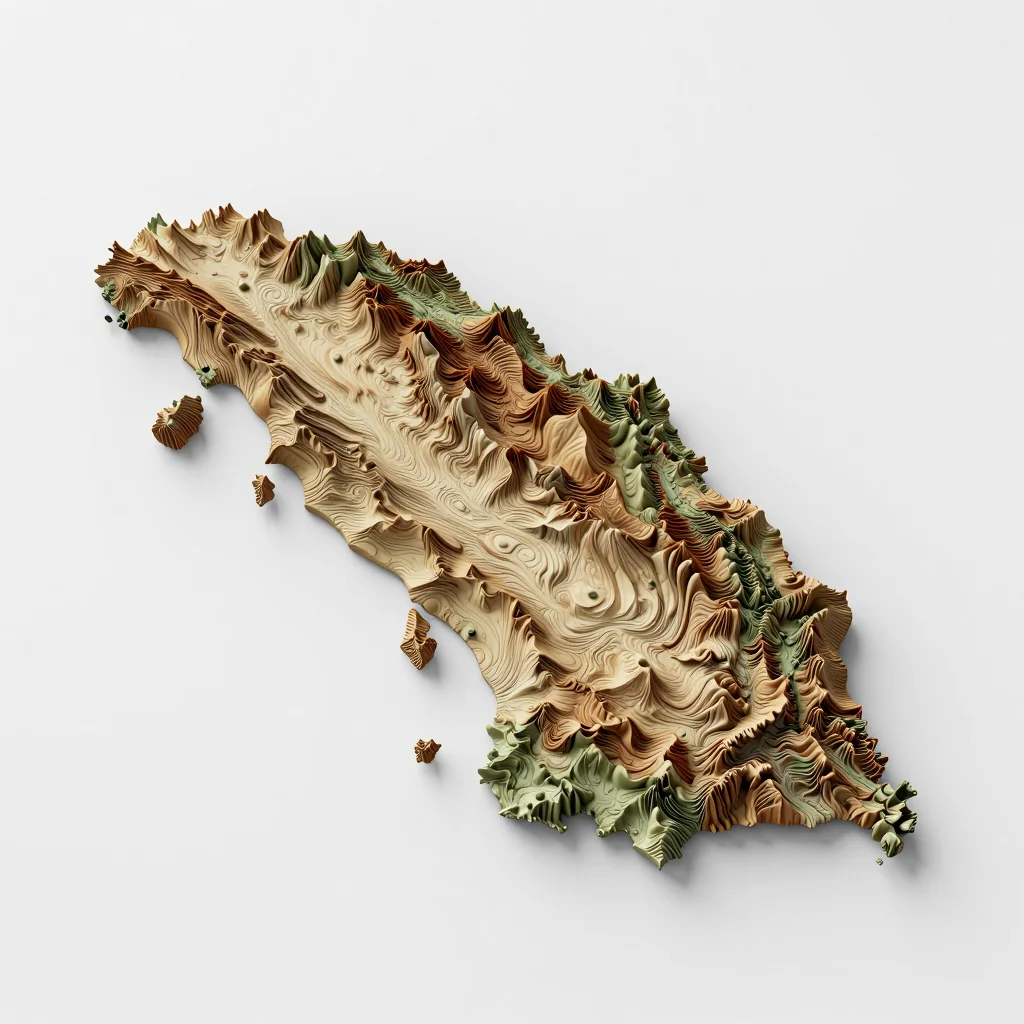
Antigua and Barbuda, a twin-island nation in the eastern Caribbean, holds significant geographic importance as a key point in the Leeward Islands. Known for its stunning beaches, volcanic landscapes, and strategic maritime position, the country’s diverse terrain and climate have shaped its history, culture, and tourism-driven economy. Its geography—captured in detailed maps and atlases—reveals a blend of rugged peaks, sandy shores, and tranquil lagoons, making it a natural wonder of the Caribbean.
**Geographic Location**
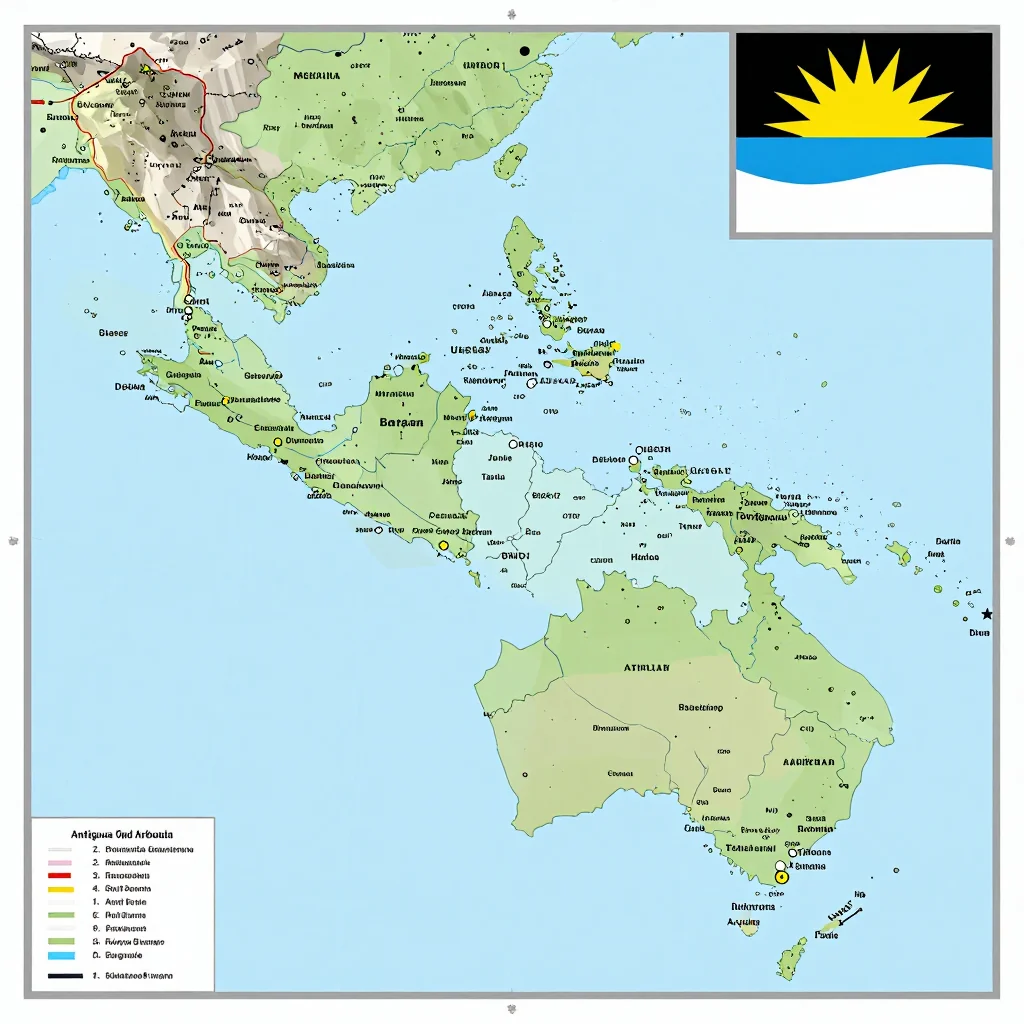
Antigua and Barbuda lies between the Atlantic Ocean and the Caribbean Sea at approximately **17°10′N latitude and 61°30′W longitude**, forming part of the Leeward Islands in the Lesser Antilles. It is positioned northeast of Dominica, south of the British Virgin Islands, and west of Saint Martin. Neighboring territories include Saint Kitts and Nevis to the south, Montserrat to the southwest, and Guadeloupe to the southwest. The country comprises three main islands: Antigua (281 km²), Barbuda (161 km²), and the uninhabited volcanic islet of Redonda (2.6 km²). With a total land area of **442.6 km²**, Antigua constitutes two-thirds of the nation’s territory, while Barbuda and Redonda contribute to its ecological and cultural diversity.
**Topography And Terrain**
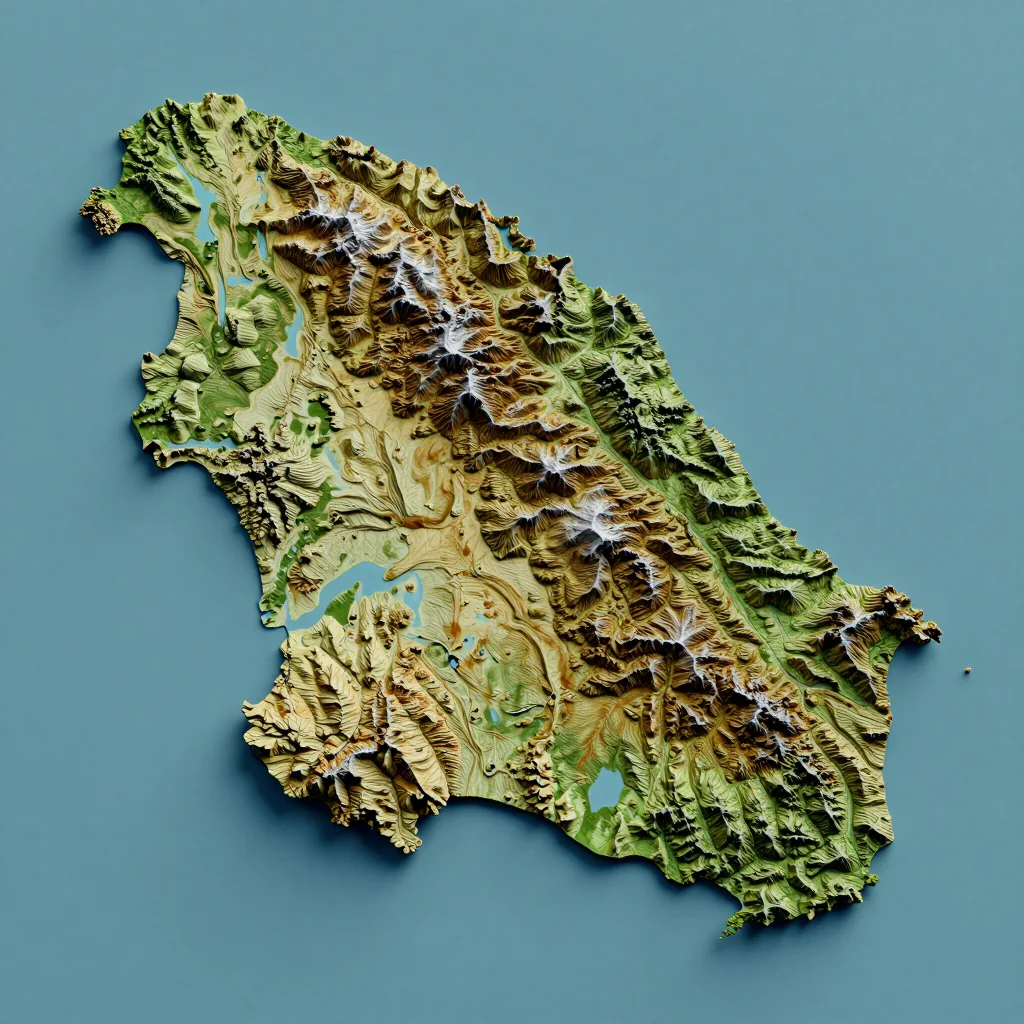
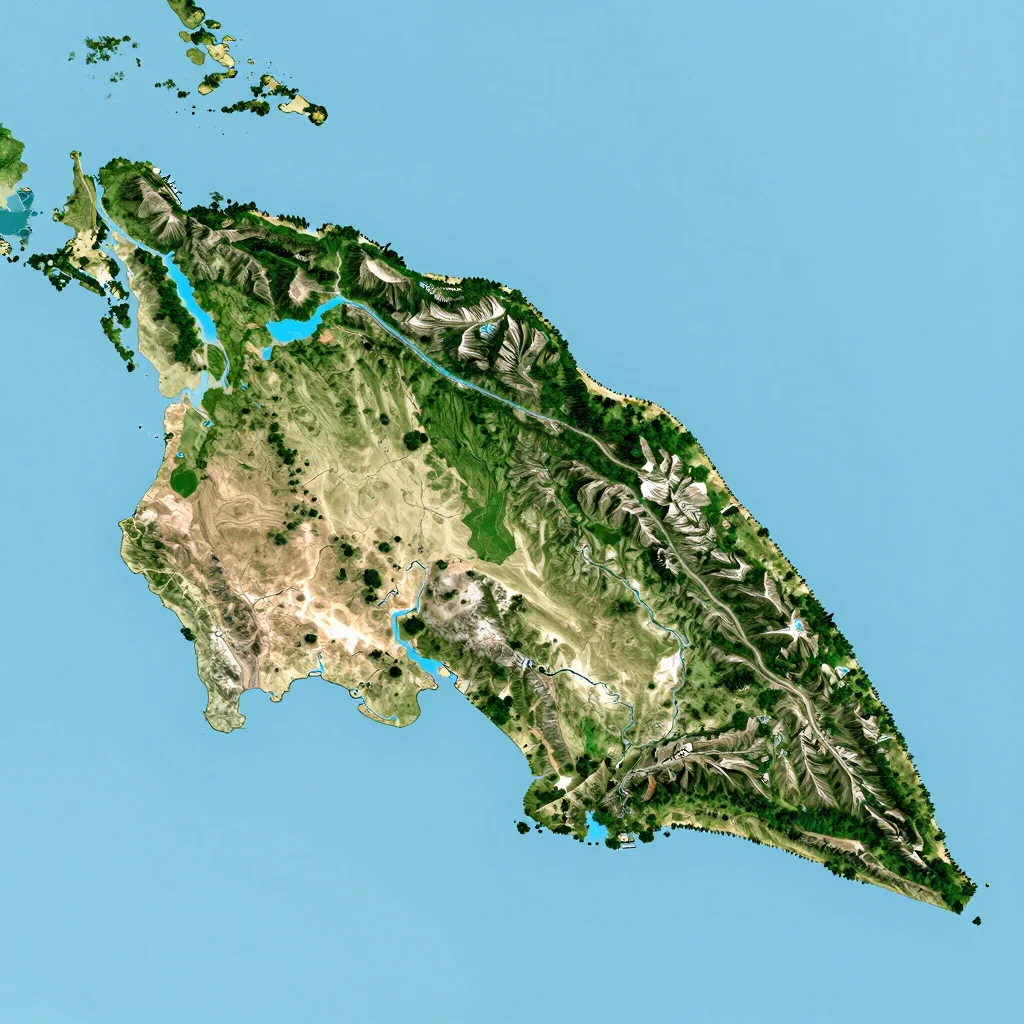
Antigua’s landscape is shaped by volcanic activity, featuring dramatic peaks and fertile valleys. The highest point, **Boggy Peak** (Mount Obama), rises to 402 meters, dominating the island’s central region. The slopes of this inactive volcano support lush rainforests and fertile agricultural zones, while the island’s interior includes elevated plateaus and rolling hills. Coastal areas are characterized by flat, sandy plains and some of the Caribbean’s most iconic beaches. In contrast, **Barbuda** is a flat limestone plateau with an average elevation of just 5 meters. Its most notable feature is the **Codrington Lagoon**, a vast tidal inlet surrounded by mangroves and white-sand shores. Redonda, though tiny, is a steep volcanic island with rugged, uninhabitable terrain protected as a nature reserve. These elevation contrasts—from Antigua’s volcanic peaks to Barbuda’s low-lying flats—create striking geographic diversity.
**Climate And Weather**
Antigua and Barbuda experience a **tropical marine climate**, moderated by northeast trade winds. The **dry season** (December–April) offers sunny skies and minimal rainfall, ideal for tourism, while the **rainy season** (May–November) brings higher humidity and occasional hurricanes, particularly between August and October. Average temperatures range between **24°C and 30°C**, with humidity levels typically between 70–80%. The trade winds provide a cooling effect, ensuring comfortable conditions year-round.
**Major Cities And Regions**
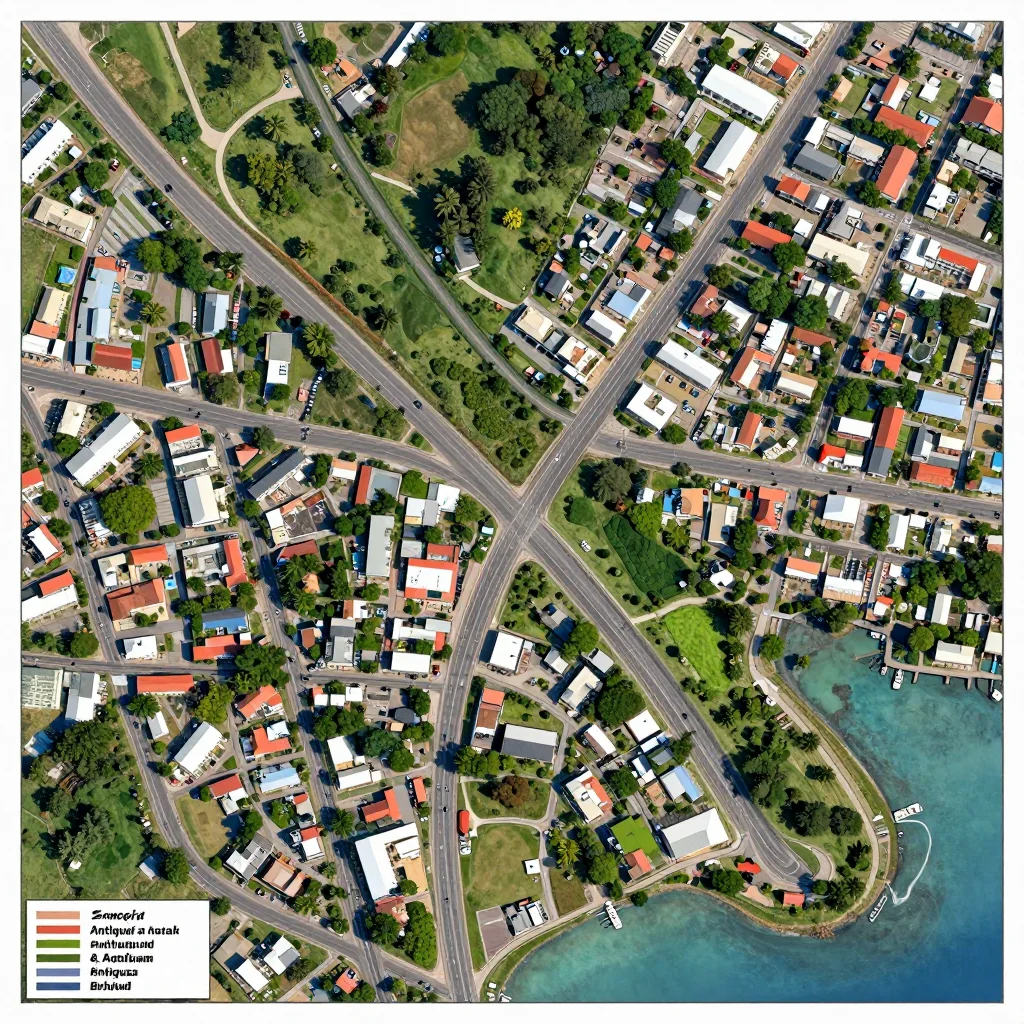
The capital, **Saint John’s**, on Antigua’s northwestern coast, is the economic and cultural center. Other key towns include **All Saints** and **Liberta**, while **English Harbour** is famous for its yachting marina. Barbuda’s main settlement is **Codrington**, near its namesake lagoon. Administratively, Antigua is divided into six parishes: Saint George, Saint John, Saint Mary, Saint Paul, Saint Peter, and Saint Philip. **Barbuda** and **Redonda** are separate administrative regions, each preserving distinct cultural and environmental identities.
**Natural Landmarks**
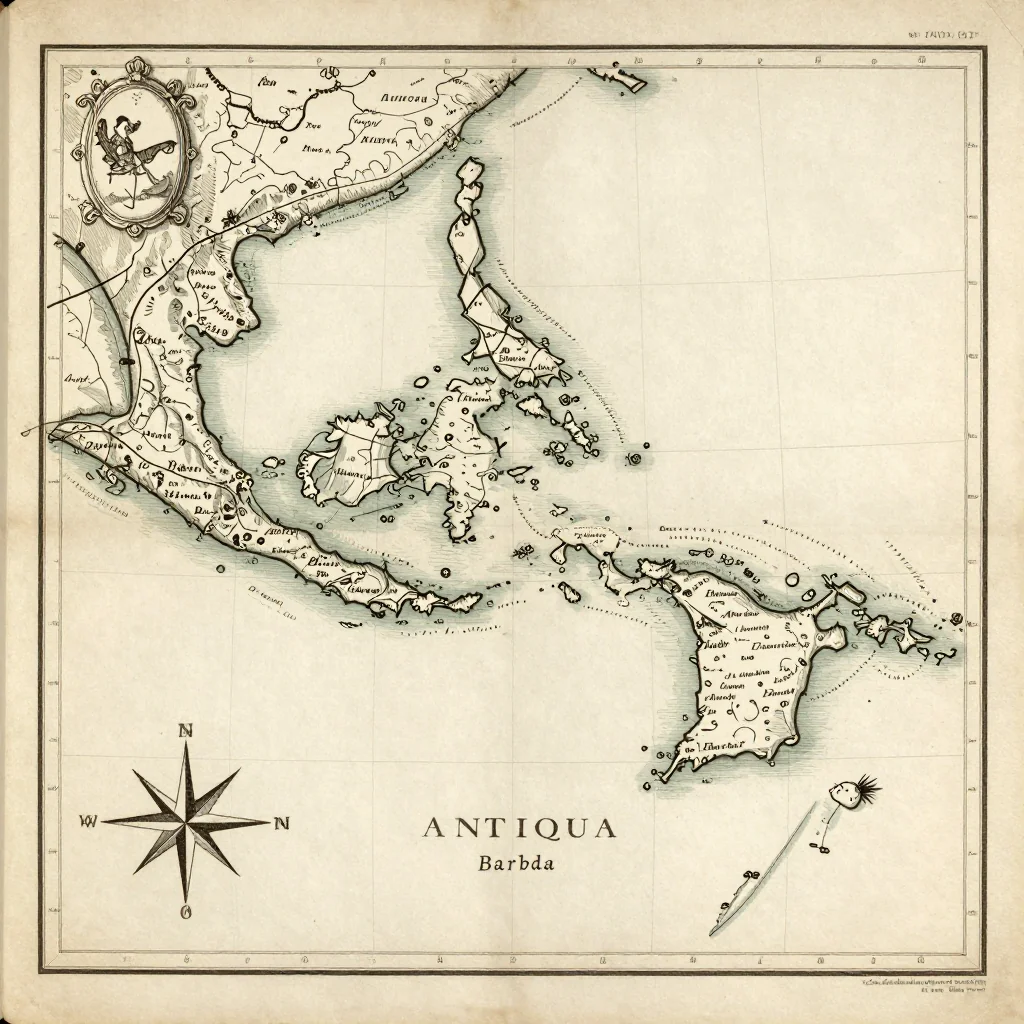
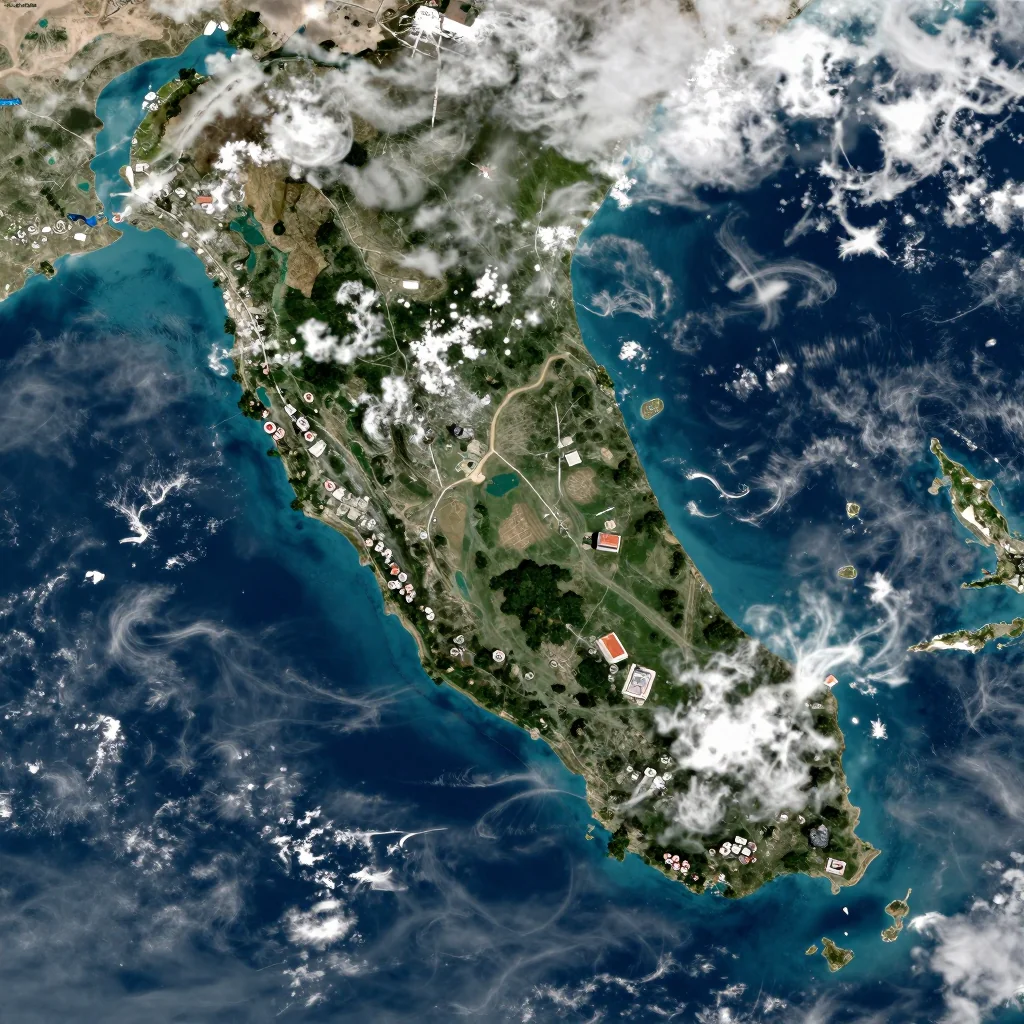
Antigua and Barbuda’s natural landmarks highlight its ecological richness. **Boggy Peak** is surrounded by cloud forests and hiking trails, while the **Devil’s Bridge**, a natural limestone arch near Falmouth, draws visitors. Coastal gems include **Shirley Heights**, offering panoramic views of the island, and **Boat Island Nature Reserve**, a protected area for endangered hawksbill turtles. Barbuda’s **Codrington Lagoon** is a biodiverse tidal inlet, home to mangroves and marine life. Short rivers like the **Sallee River** and freshwater springs like **Wallibay Spring** add to the islands’ hydrographic diversity. These landmarks are meticulously mapped in geographical atlases, showcasing the nation’s natural wonders.
**Conclusion**
Antigua and Barbuda’s geography is a mosaic of volcanic peaks, tranquil lagoons, and sun-kissed coasts, reflecting its ecological and cultural vitality. From the misty heights of Boggy Peak to the serene waters of Codrington Lagoon, the nation’s terrain and climate underscore its role as a Caribbean paradise. Its strategic location and geographic diversity, explored through maps and atlases, attract tourists and researchers alike, cementing its significance as a destination of natural beauty and adventure. This tiny nation’s landscapes not only define its identity but also ensure its enduring allure in the Caribbean tapestry.