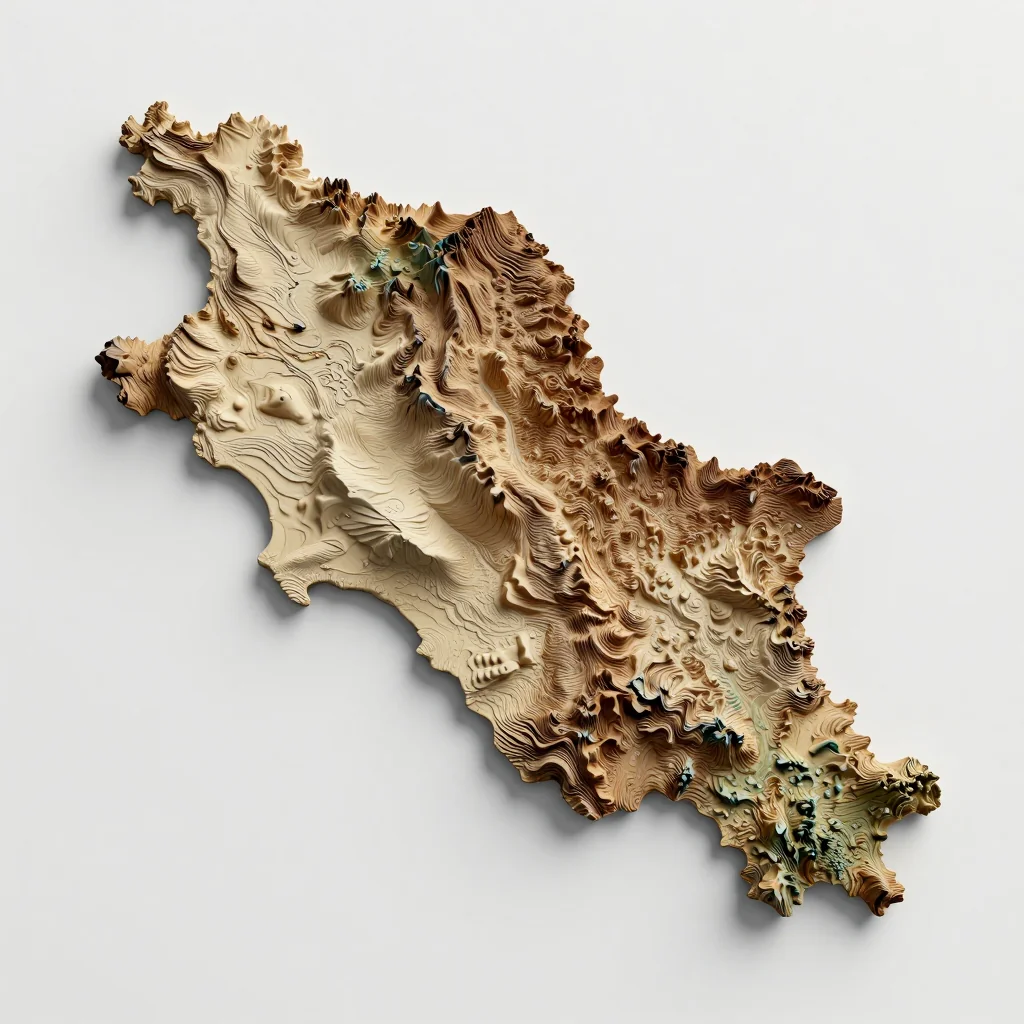
Nestled at the crossroads of Europe and Asia, Armenia’s geography has long been a defining force in its history and culture. As a landlocked nation in the Caucasus region, its rugged terrain, strategic location, and diverse ecosystems make it a fascinating subject in both historical and modern geopolitical contexts. From its snow-capped mountains to its fertile valleys, Armenia’s geography is as rich as its history, offering insights into its resilience and identity.
Geographic Location
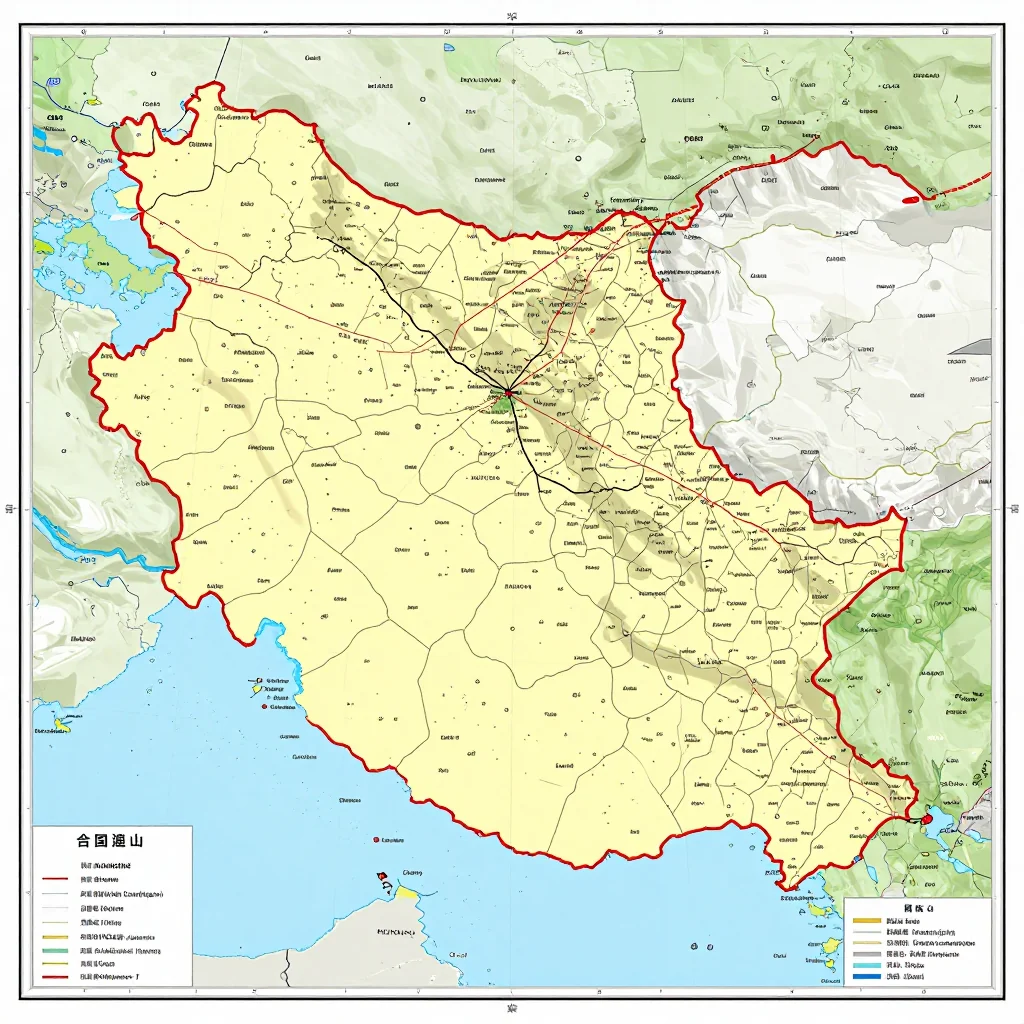
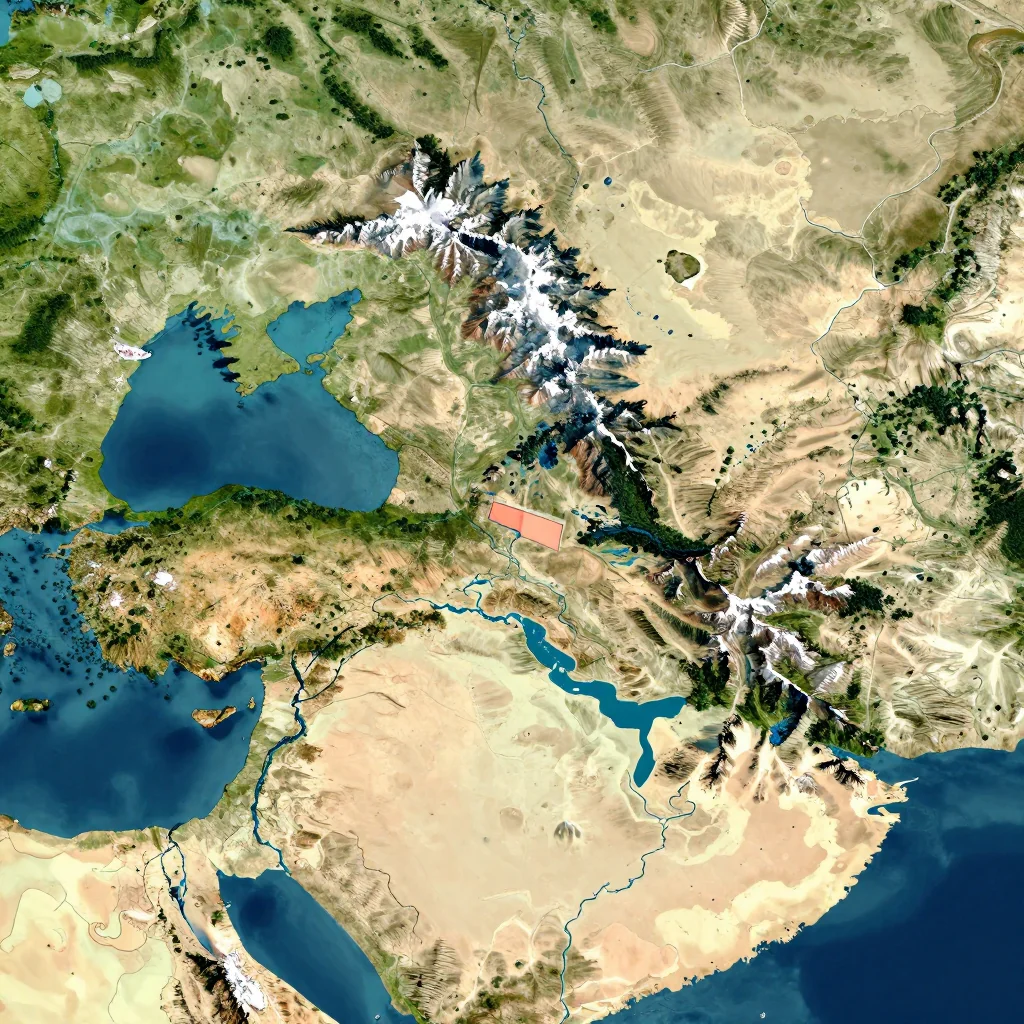
Armenia is situated in the South Caucasus, a region bridging Eastern Europe and Western Asia. Its coordinates place it approximately at 40°N latitude and 45°E longitude. Bordered by Turkey to the west, Georgia to the north, Azerbaijan to the east (with the disputed Nagorno-Karabakh region to the southeast), and Iran to the south, Armenia occupies a territory of roughly 29,743 square kilometers (11,484 square miles). Though geographically within the Transcaucasian boundary of Asia, Armenia is culturally and politically aligned with Europe, reflecting its complex identity.
Topography and Terrain
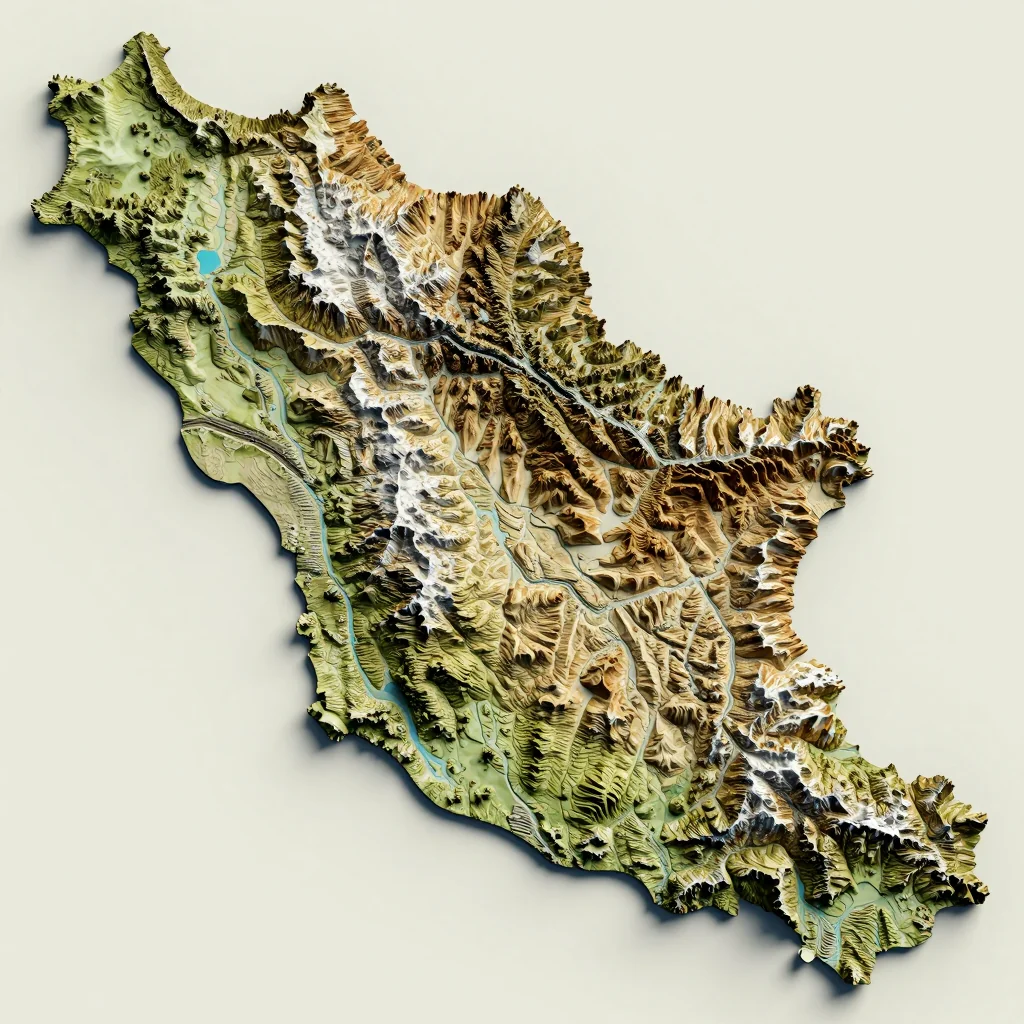
Armenia is one of the most mountainous countries in the world, with over 90% of its territory comprising mountains and highlands. The Caucasus Mountains dominate the northern regions, while the Lesser Caucasus chain traverses the southern part of the country. The highest peak, Mount Aragats (4,090 meters/13,419 feet), is both a geographic landmark and a symbol of Armenia’s rugged landscape. The Ararat Valley, a fertile lowland in the southwest, contrasts starkly with the surrounding peaks, offering a stark elevation range from 400 meters (Debed River valley) to over 4,000 meters in the highlands. Rivers like the Aras and Debed carve through these landscapes, creating dramatic gorges and valleys. The Sevan Highlands, home to Lake Sevan, add further diversity to Armenia’s terrain.
Climate and Weather
Armenia experiences a highland continental climate, characterized by hot, dry summers and cold, snowy winters. Temperature extremes are significant, with summer averages reaching 25–30°C (77–86°F) and winter lows dipping below -10°C (14°F). The Ararat Valley and lower regions exhibit semi-arid conditions, while higher elevations support alpine climates. Rainfall is moderate, concentrated in spring and autumn, though aridity increases toward the southeast. Due to its elevation, Armenia’s mountainous regions often experience severe winter storms and occasional avalanches, while droughts can affect lowland areas during summer.
Major Cities and Regions
The capital, Yerevan, lies in the Ararat Valley, surrounded by ancient sites like the ruins of Urartu citadels. Gyumri, Armenia’s second-largest city, is a cultural hub in the northwestern Shirak Region. Vanadzor, in the Lori Region, serves as a gateway to the Caucasus Mountains, while Goris in the Syunik Region overlooks the stunning Khndzoresk Canyon. Armenia is divided into ten administrative regions (marzes): Armavir, Aragatsotn, Ararat, Gegharkunik (home to Lake Sevan), Lori, Shirak, Syunik, Tavush, Vayots Dzor, and Kotayk. Each region boasts unique landscapes and economic roles, from tourism in Lori to agriculture in Ararat.
Natural Landmarks
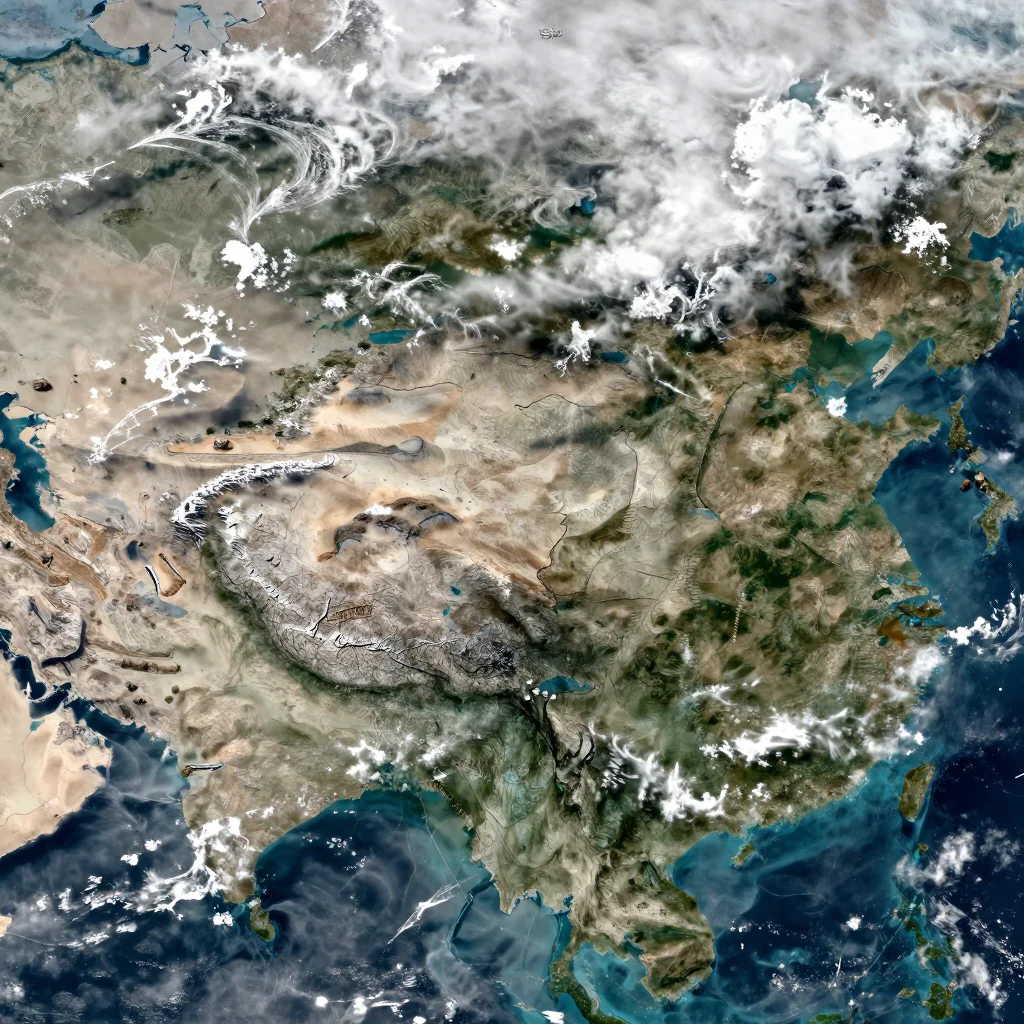
Armenia’s natural wonders are as iconic as its history. Lake Sevan, one of the world’s largest high-altitude lakes (1,900 meters/6,234 feet), provides a serene backdrop for recreation and biodiversity. The Aras River flows along the Turkish border, creating lush valleys. Mount Ararat, though located in Turkey, towers over the horizon near Yerevan, holding immense cultural significance for Armenians. The Caucasus Mountains shelter diverse flora and fauna in protected areas like Dilijan National Park and Khosrov Forest State Reserve. Unique geological formations, such as the Devil’s Bridge near nor Avan village, and the basalt columns of Goght’n Mtsit (Goght Canyon), add to Armenia’s natural allure.
Conclusion
Armenia’s geography is a tapestry of contrasts—snow-capped peaks, verdant valleys, and arid plains—that have shaped its people, culture, and resilience. From the strategic significance of its location to the ecological diversity of its landscapes, Armenia’s terrain and climate underscore its uniqueness. As a nation where every region tells a story, Armenia’s geography is not just a map but a living testament to its enduring spirit. Whether exploring Lake Sevan’s shores or trekking the Caucasus trails, visitors and scholars alike find Armenia’s natural and human geography deeply interconnected, making it a captivating subject in the atlas of the world.