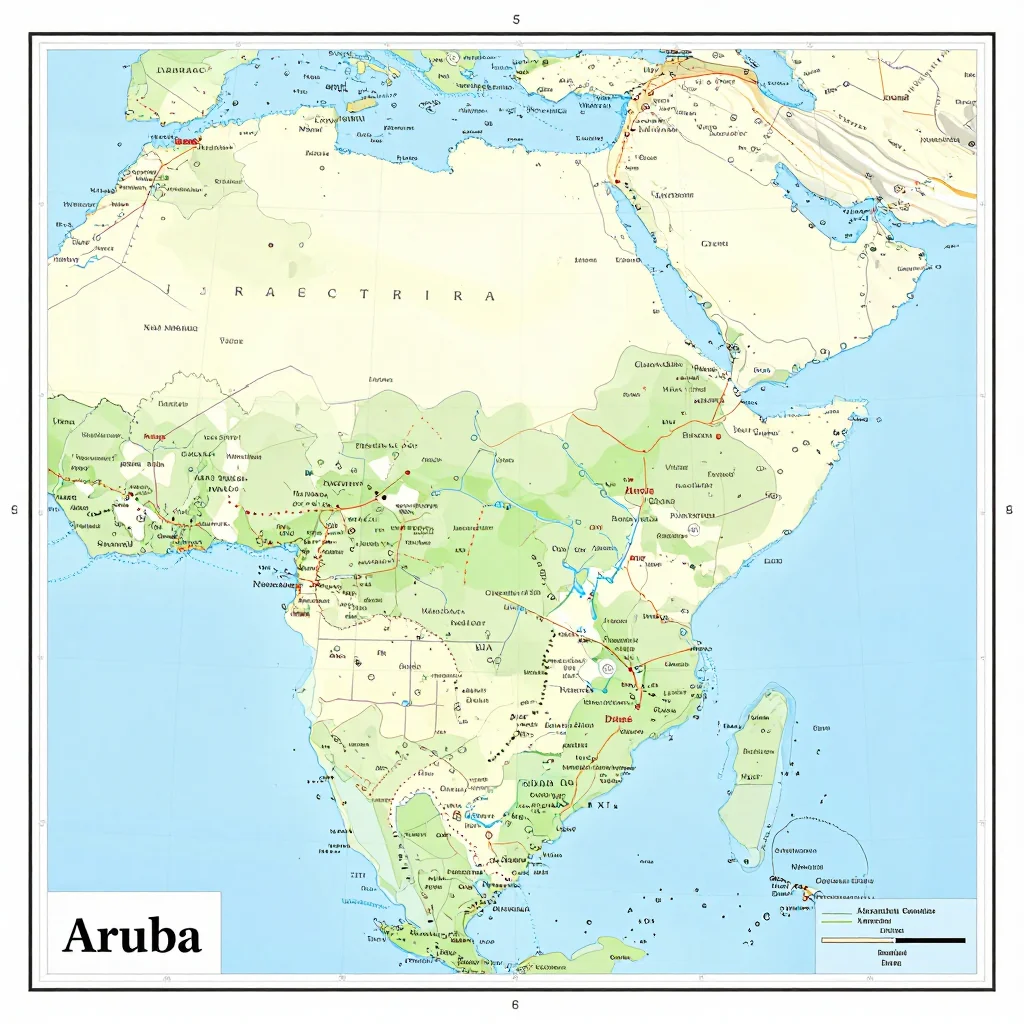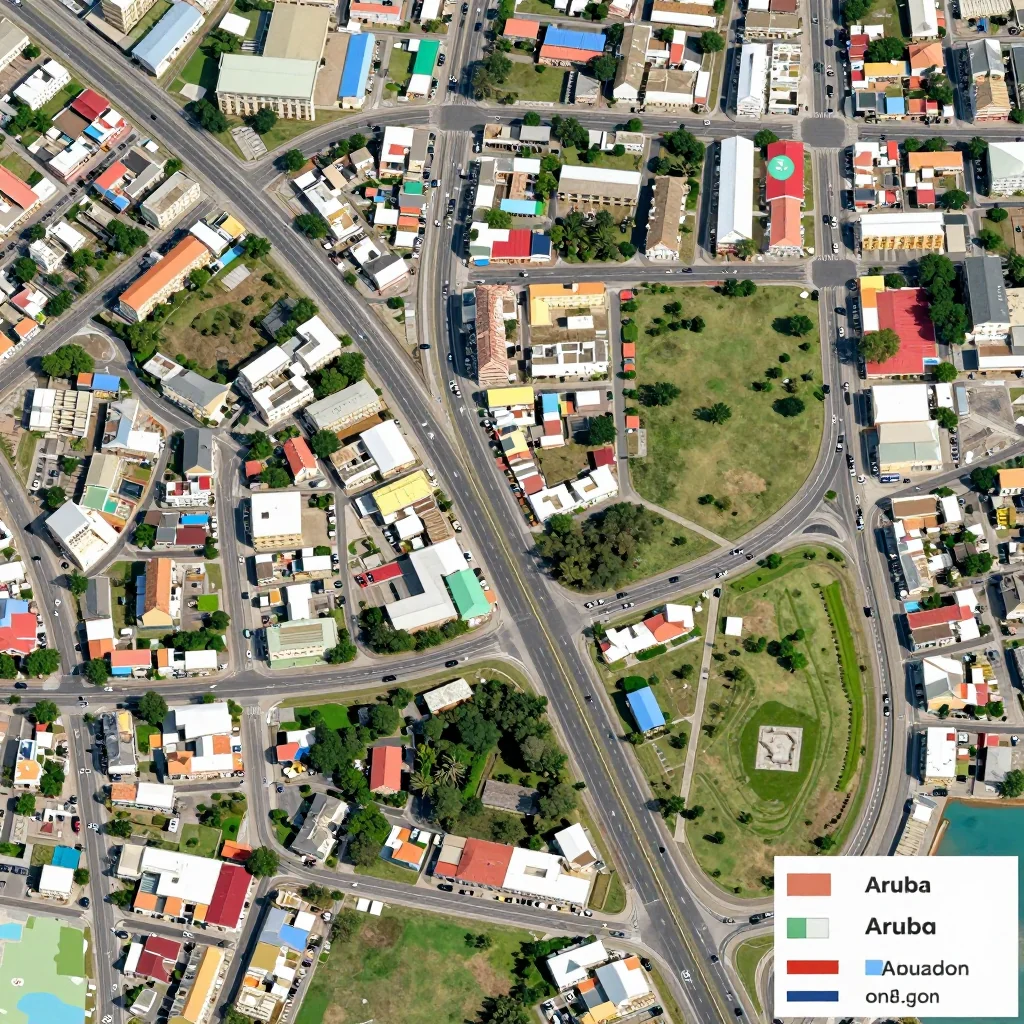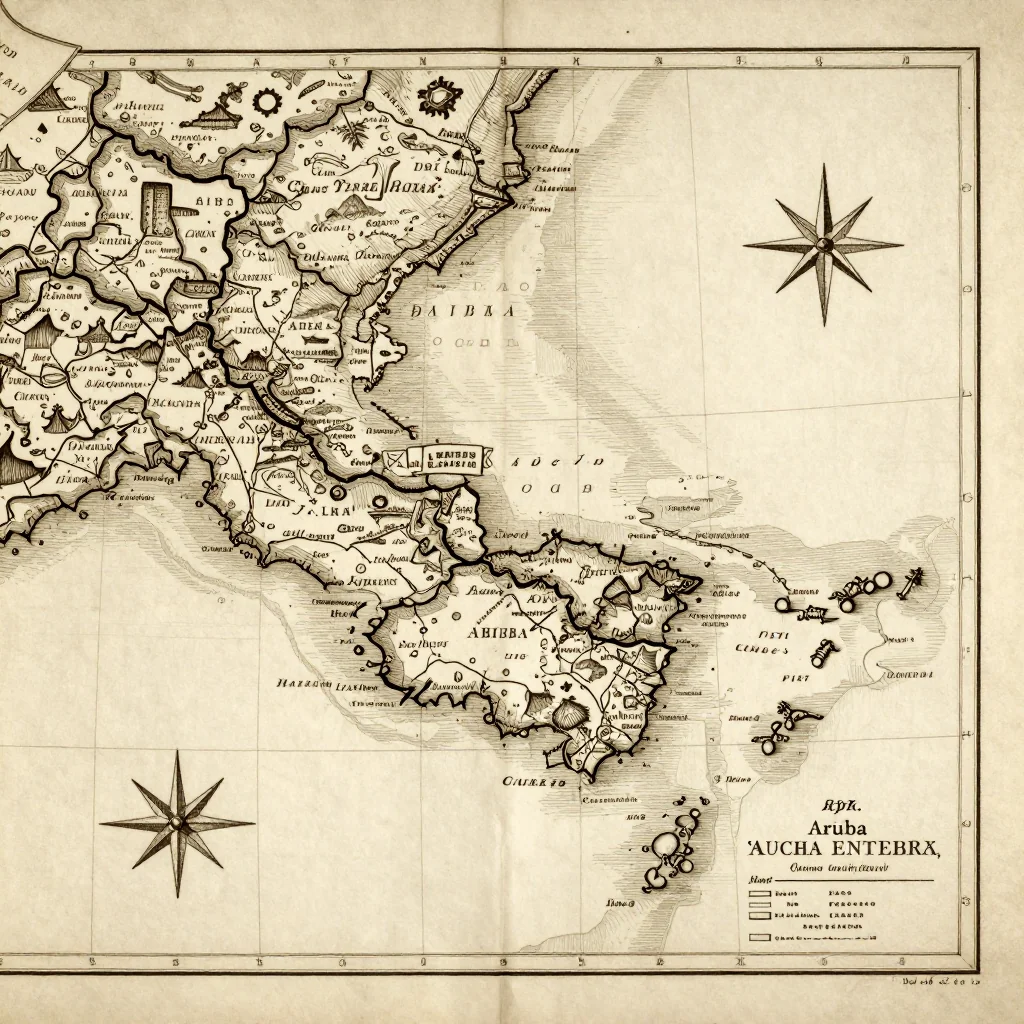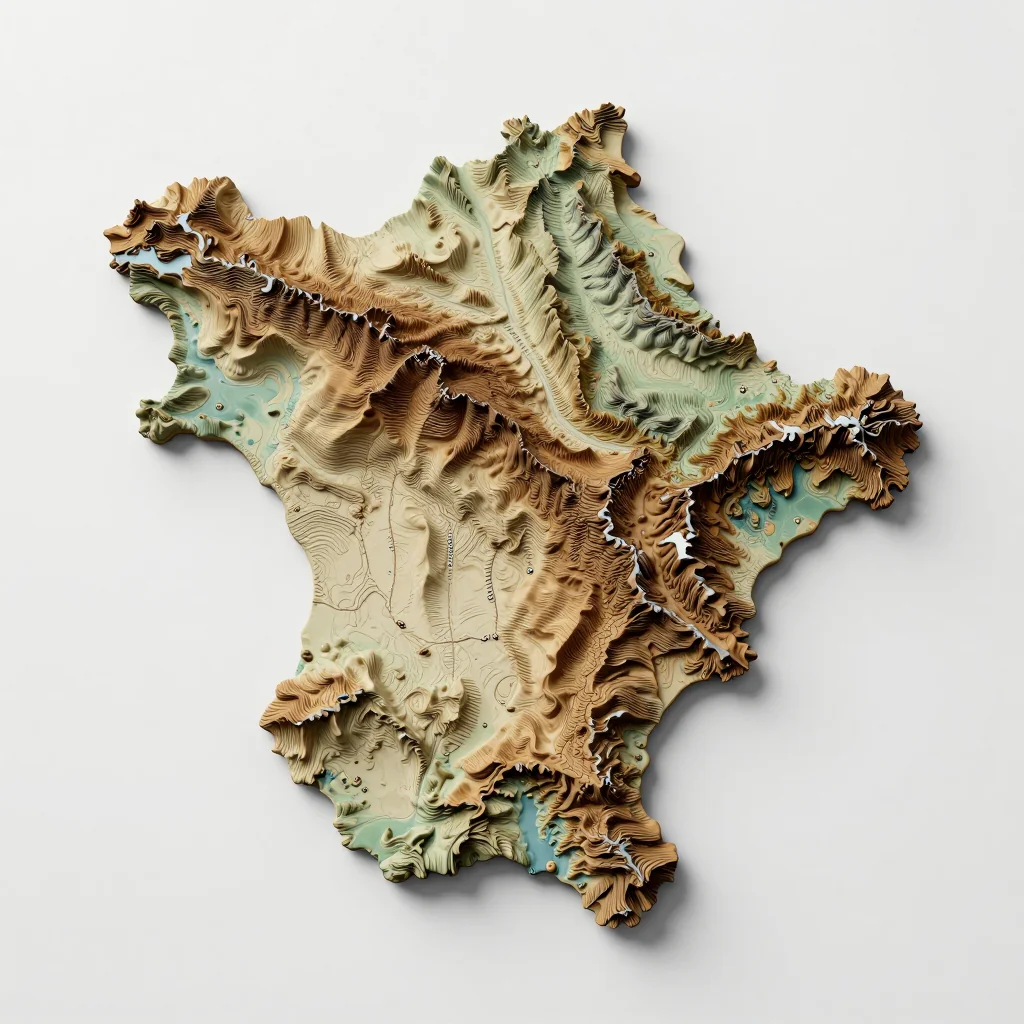
Aruba, a small but geographically significant island in the Caribbean, holds a unique position as a self-governing part of the Kingdom of the Netherlands. Known for its arid landscapes, turquoise waters, and year-round sunshine, Aruba’s geography—shaped by its geological history and climate—makes it a captivating destination and a microcosm of Caribbean diversity. Maps of Aruba reveal a compact yet varied island where deserts meet the sea, mountains frame the horizon, and cultural landmarks blend with natural wonders.
**Geographic Location**
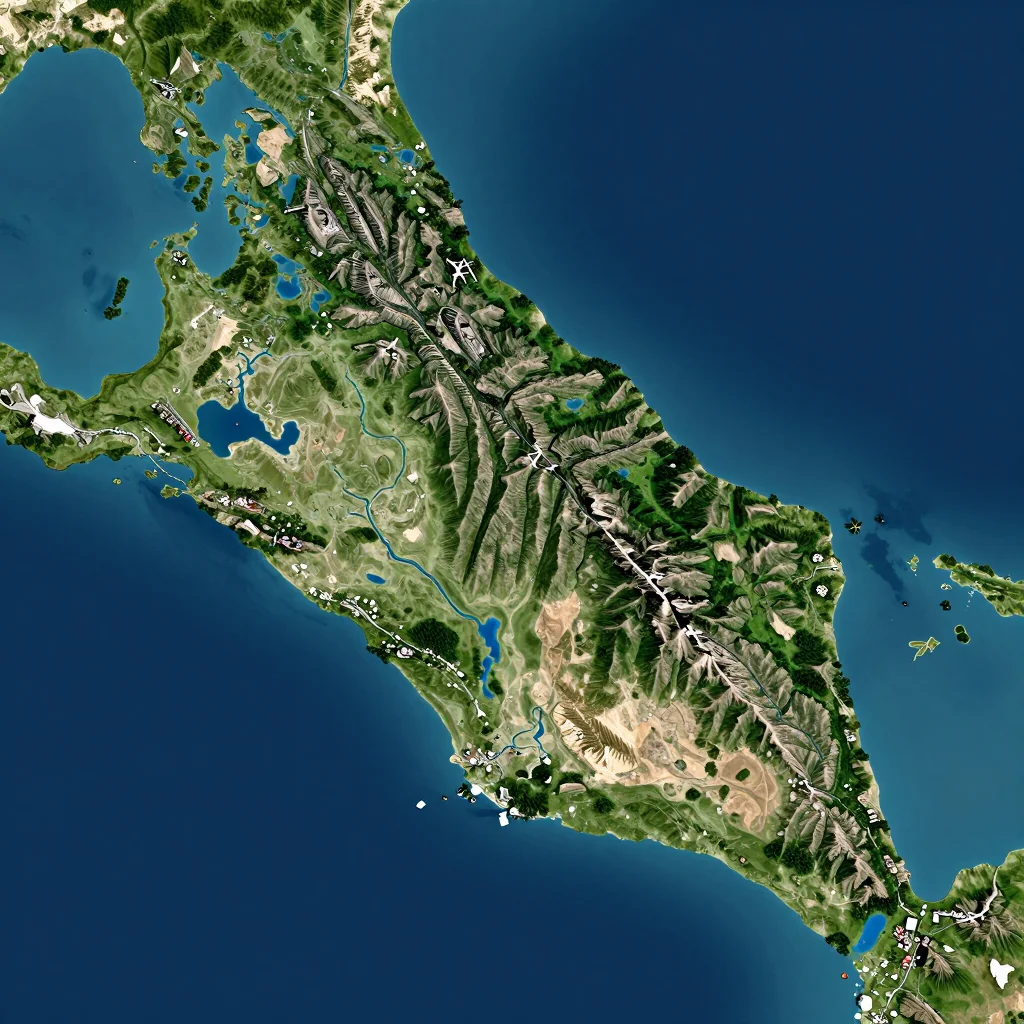
Aruba is located in the southern Caribbean Sea, just 15 miles north of Venezuela’s Paraguaná Peninsula. Its coordinates are approximately 12°30′ North latitude and 70°00′ West longitude. Part of the Leeward Antilles, it lies west of the ABC islands (Aruba, Bonaire, and Curaçao), which are not part of the volcanic Lesser Antilles but instead rest on the South American continental shelf. At just 17.5 miles long and 6 miles wide, Aruba’s total area is 74.9 square miles (194 square kilometers), making it the 19th largest Caribbean island.
**Topography And Terrain**
Aruba’s terrain is a blend of arid plains, rugged hills, and sandy shores, all resulting from its geological origins as a raised reef core. While the island is relatively flat, its northern half features volcanic remnants, including the hilly Abretchen Mountains. The highest point is Mount Jamanota (617 feet/188 meters), followed by Mount Arikok (578 feet/176 meters). These peaks offer panoramic views and are home to cacti, shrubs, and the occasional wild donkey. South of the mountains, the landscape flattens into expansive salt flats and beaches, while the coastline is dotted with rocky cliffs, bays, and coral reefs.
**Climate And Weather**
Aruba boasts a tropical desert climate (BWh under Köppen classification), characterized by year-round warmth and low rainfall. The trade winds from the northeast mitigate humidity, keeping temperatures steady at 81–86°F (27–30°C) year-round. The dry season runs from January to June, while the wet season (July to December) sees minimal rain, averaging just 17 inches annually. Hurricanes rarely strike Aruba; its location outside the hurricane belt ensures stable weather patterns.
**Major Cities And Regions**
Aruba’s population is concentrated in urban areas, with its capital, Oranjestad, serving as the political and cultural hub. The port city of San Nicolas, the second-largest urban center, hosts industrial zones and a vibrant downtown. The island is administratively divided into five districts: Oranjestad, Noord (North), Paradera, San Nicolas, and Savaneta/Santa Cruz. Each region offers distinct experiences: Noord is rural with nature trails, while Santa Cruz and Savaneta blend residential and agricultural areas.
**Natural Landmarks**
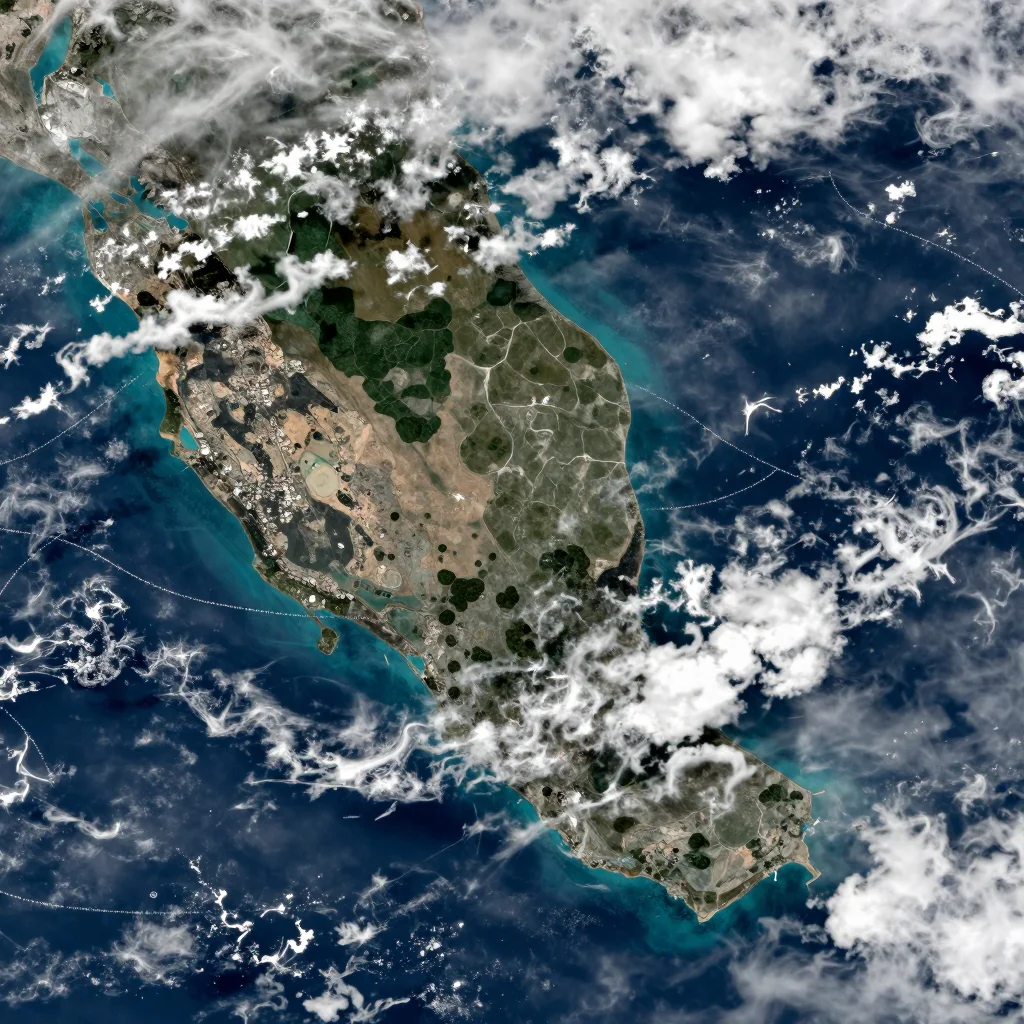
Aruba’s geography is punctuated by striking natural features. Arikok National Park covers 18% of the island, encompassing the island’s most dramatic landscapes, including the Casibari Rock Formations—a cluster of ancient volcanic pillars. The Hooiberg, a 560-foot-tall volcanic dike, is a popular hiking spot. California Lagoon, a saltwater lagoon, contrasts with the Aruba’s dry interior, while the Natural Pool, a sea-carved rock basin near Eagle Beach, offers serene swimming. Offshore, the Aruba Bank provides rich fishing grounds, and the island’s coral reefs support diverse marine life.
**Conclusion**
Aruba’s geography—marked by stark contrasts between desert plains and lush coastlines, volcanic hills and turquoise waters—reflects its unique geological and climatic heritage. Maps of Aruba (Aruba atlas) highlight its compact size yet vast diversity, from Arikok’s rugged trails to its white-sand beaches. This tiny island’s terrain and climate have shaped its identity as a resilient, ecologically rich destination, where every region tells a story of sun, wind, and timeless natural beauty. Whether through its geology or cultural landmarks, Aruba’s geography remains a testament to the Caribbean’s extraordinary variety. *Keywords: Aruba map, Aruba geography, Aruba atlas, Aruba terrain*