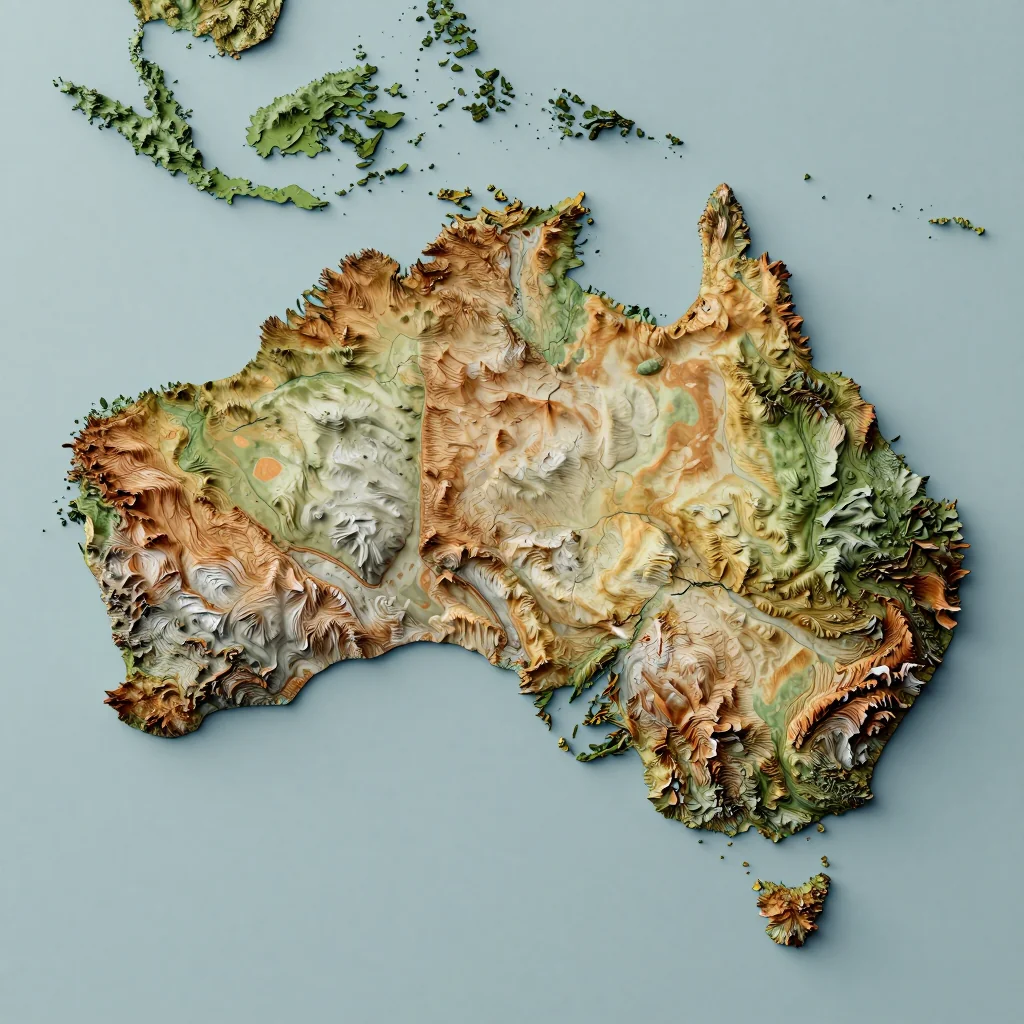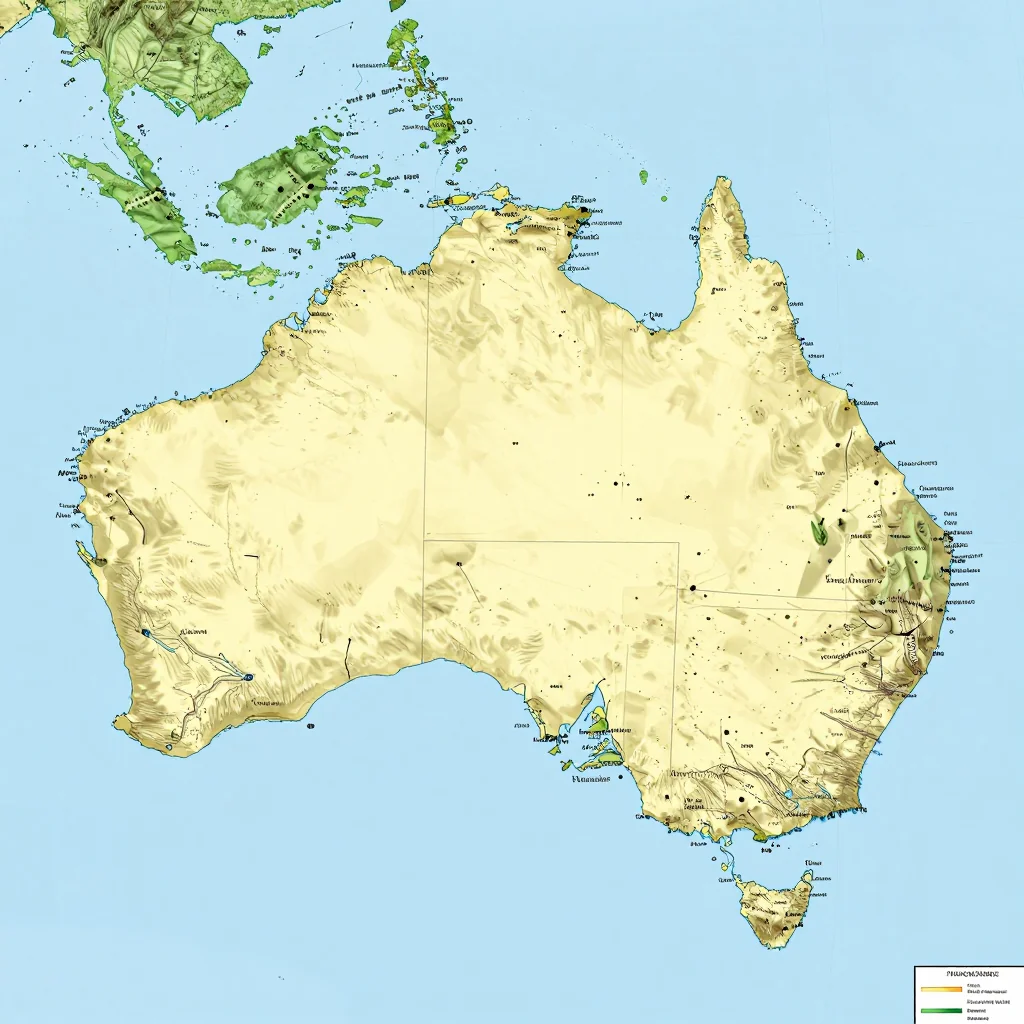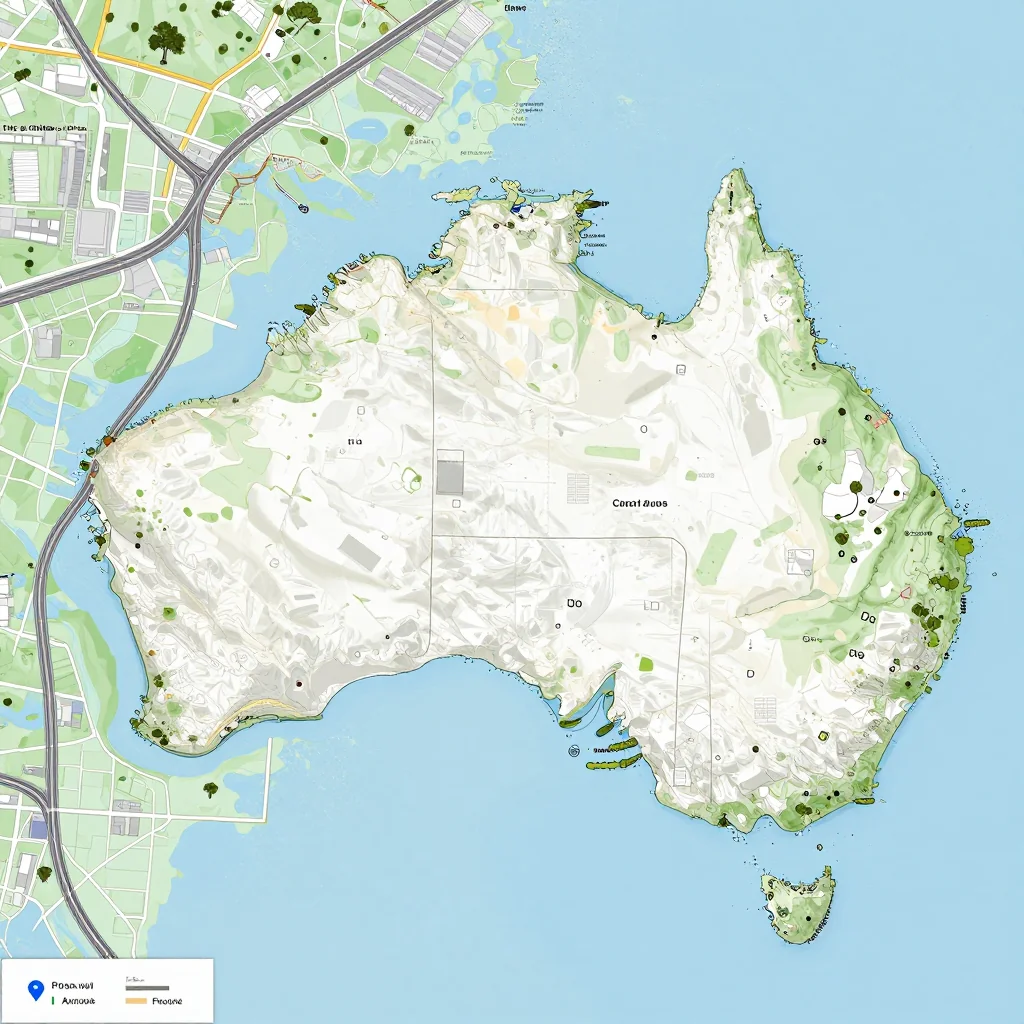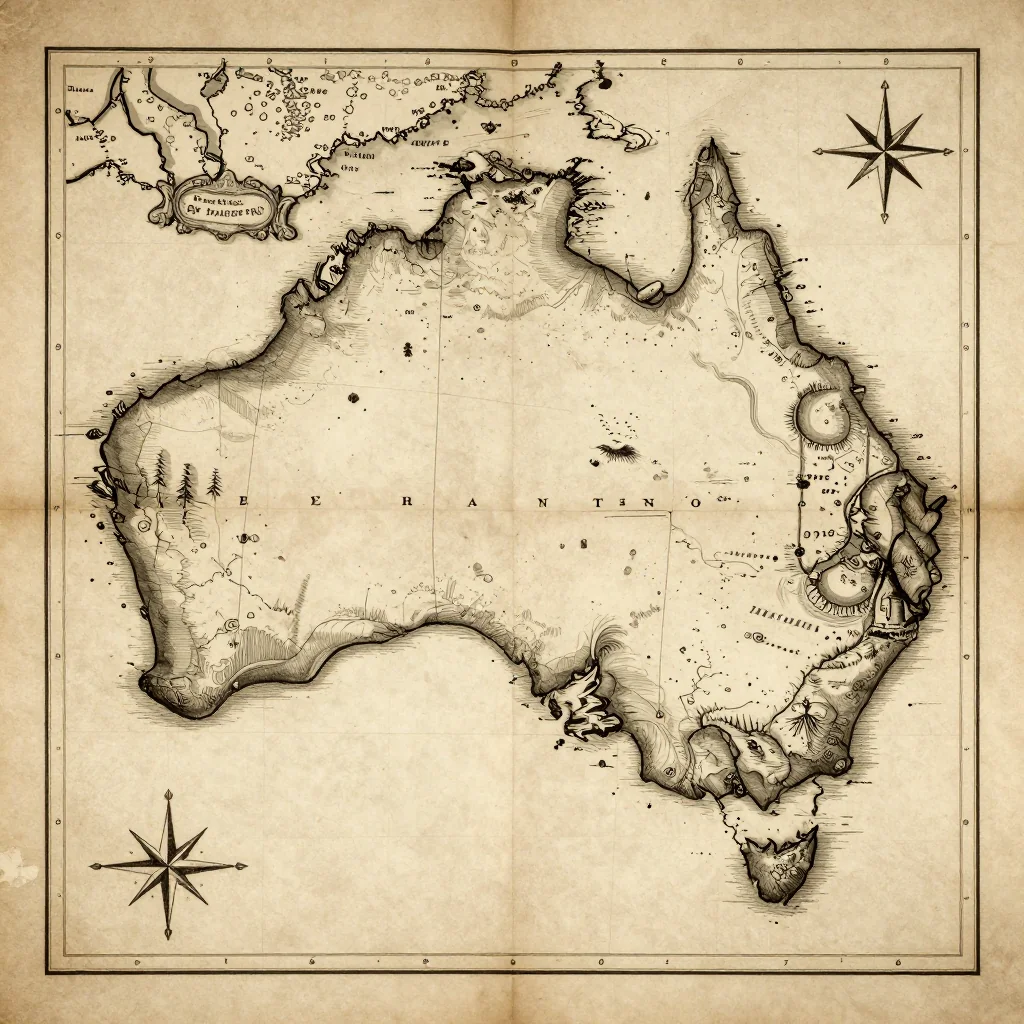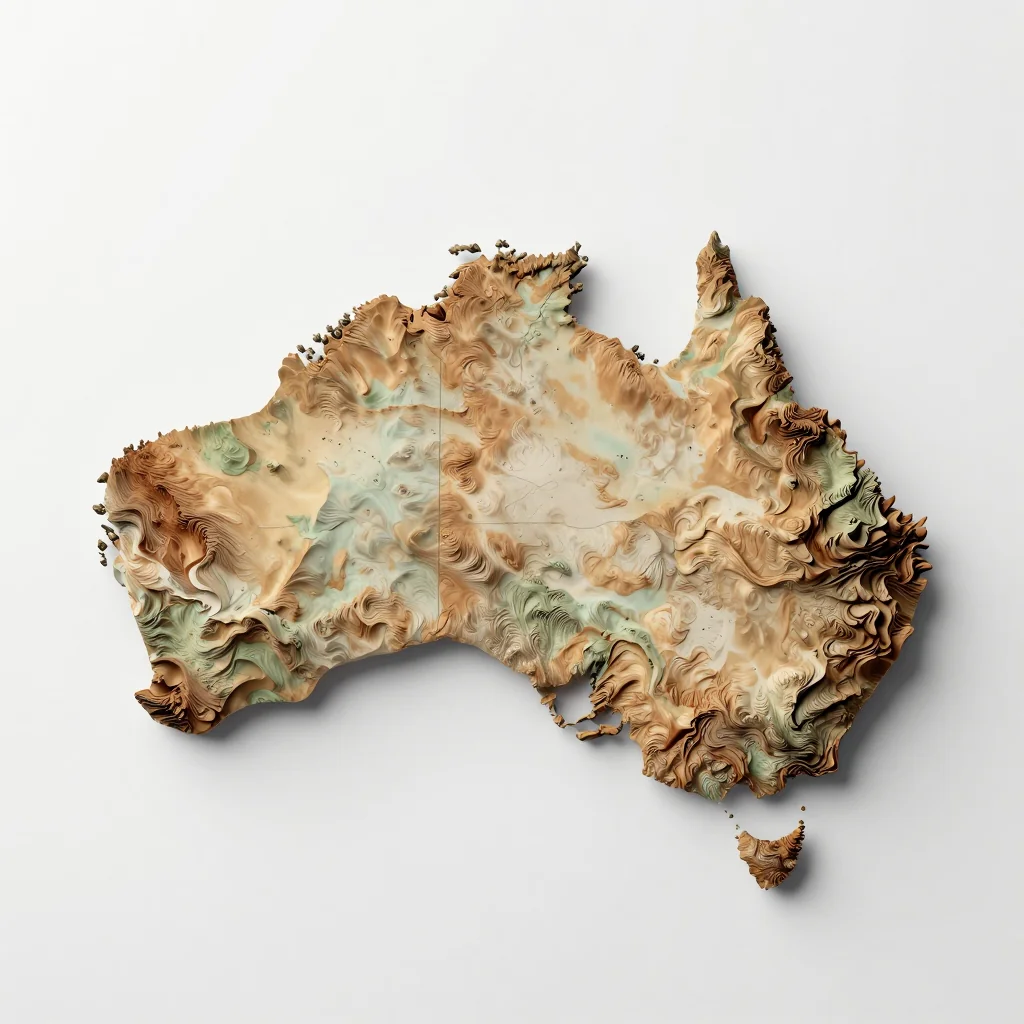
Australia, the world’s smallest continent and sixth-largest country, stands as a geographic marvel. Its isolation in the Pacific and Indian Oceans, vast interior deserts, and diverse ecosystems make it a unique destination. From the Great Barrier Reef to the red heart of the Outback, Australia’s geography shapes its identity and global significance.
**Geographic Location**
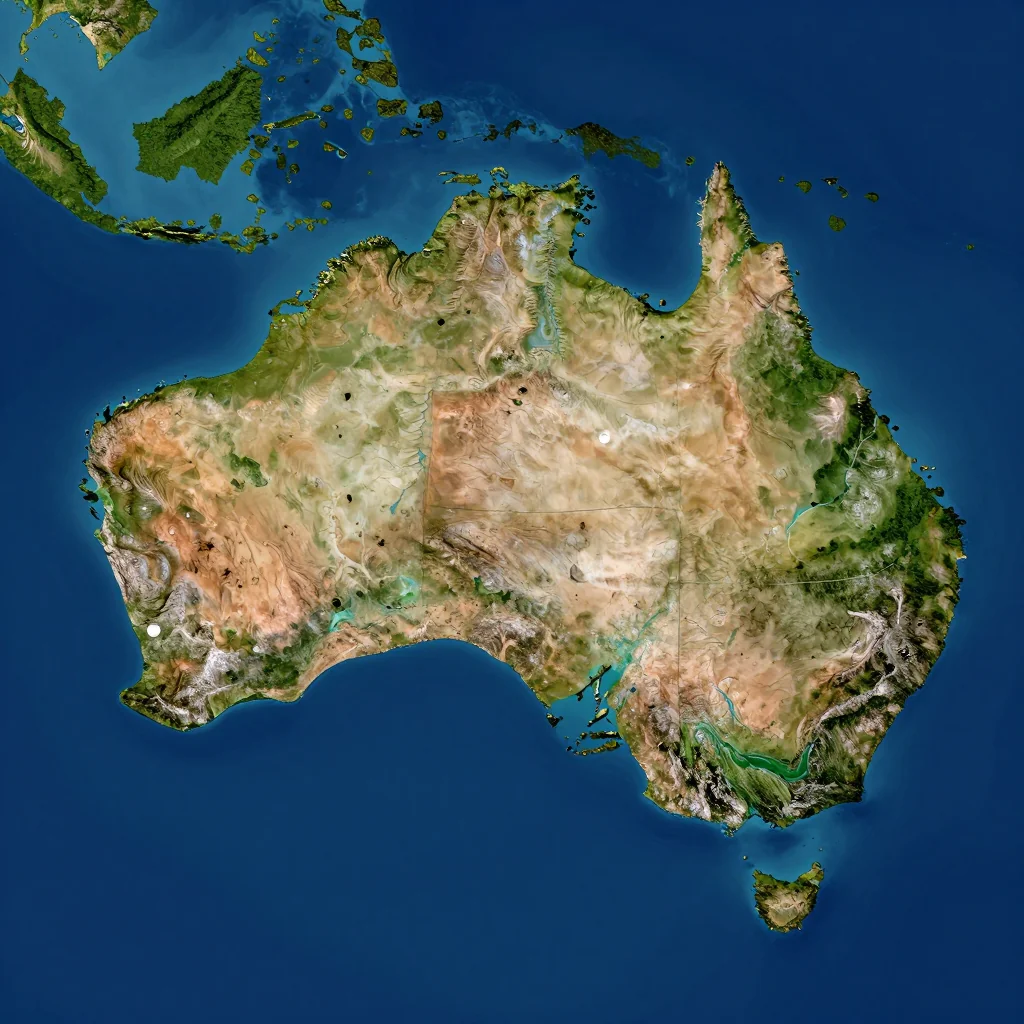
Australia is located between 10°S and 44°S latitude and 113°E and 154°E longitude, south of Indonesia, Papua New Guinea, and East Timor, and across the Tasman Sea from New Zealand. It is bordered by the Indian Ocean to the west, the Southern Ocean to the south, and the Pacific Ocean to the east. With a land area of approximately 7.7 million square kilometers, it is slightly smaller than the United States but larger than the European Union. Its strategic position at the crossroads of the Pacific and Indian Oceans has long influenced its role in trade and geopolitics.
**Topography And Terrain**
Australia’s terrain is strikingly varied. The Great Dividing Range, a mountainous spine running along the eastern coast, includes peaks like Mount Kosciuszko (2,228 meters), the highest point. To the west, the flat, arid interior—the Outback—features expansive deserts such as the Simpson and the Great Victoria. The Nullarbor Plain, a vast limestone plateau stretching 1,100 kilometers, forms a stark contrast with its treeless, treeless expanse. The western third of the continent is dominated by the low, ancient Yilgarn and Pilbara Cratons, while the southeast boasts fertile plains and valleys. Australia’s elevation ranges from coastal lowlands to the rugged Australian Alps, creating dramatic topographic diversity.
**Climate And Weather**
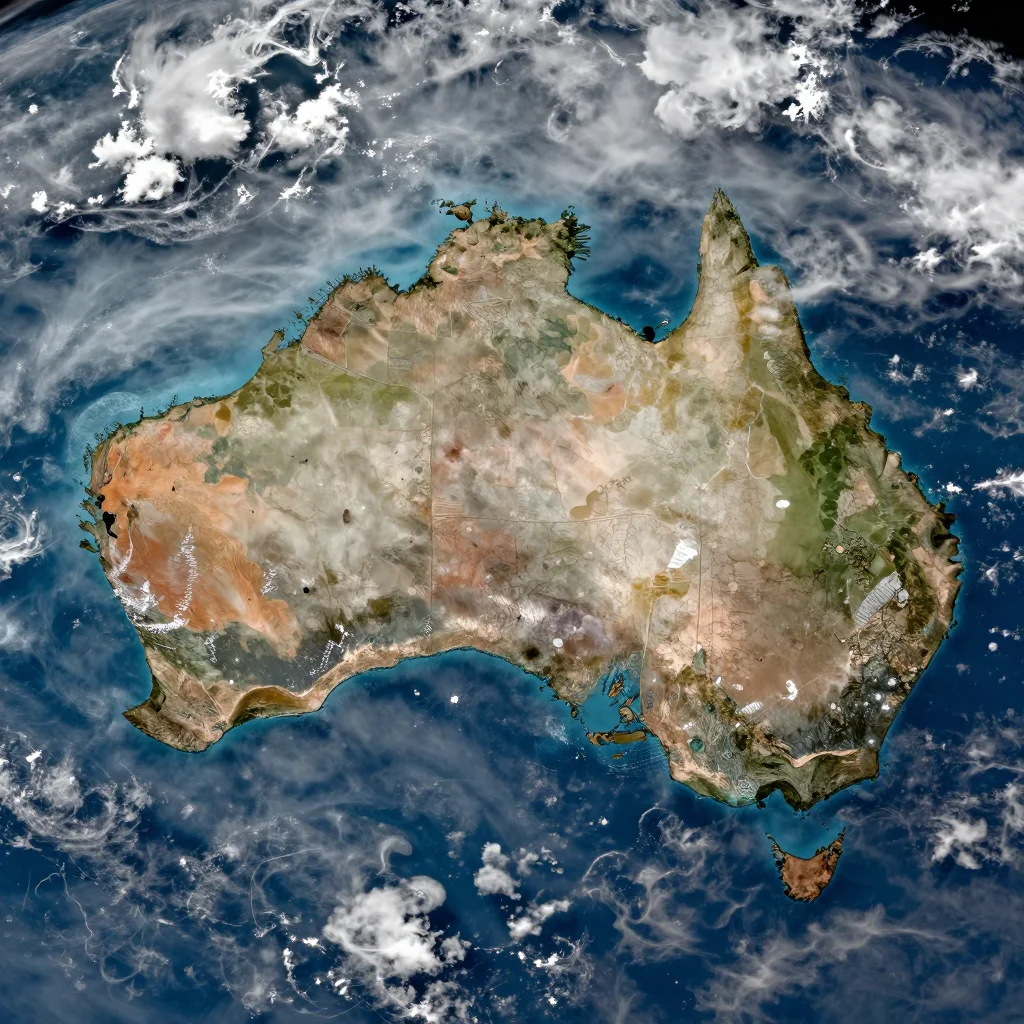
Australia’s climate is shaped by its latitude and arid interior. Most of the continent falls within the arid zone, with over 70% classified as desert or semi-arid. The tropical north, including regions like Queensland and the Northern Territory, experiences monsoonal rains and high humidity. The temperate zones of southeastern Australia have mild, wet winters and warm, dry summers, while the southwest has a Mediterranean climate. Seasonal variations are reversed compared to the Northern Hemisphere. Cyclones impact northern coastal areas, and droughts, exacerbated by El Niño events, are common in the interior. Much of the population lives along the coastal fringe, where climates are more moderate.
**Major Cities And Regions**
Australia’s population is concentrated in coastal urban centers. Sydney, the largest city, is renowned for its harbor and Opera House. Melbourne, known for its culture and sports, anchors Victoria. Brisbane, Queensland’s capital, enjoys a tropical climate and proximity to the Great Barrier Reef. Perth, isolated in Western Australia, faces the Indian Ocean, while Adelaide, in South Australia, is a hub for wine production. The capital, Canberra, is centrally located in the Australian Capital Territory. The country is divided into six states (New South Wales, Victoria, Queensland, South Australia, Western Australia, Tasmania) and two territories (Northern Territory and the Australian Capital Territory), each with distinct landscapes and economies.
**Natural Landmarks**
Australia’s natural wonders are iconic. The Great Barrier Reef, the world’s largest coral reef system, spans 2,300 kilometers off Queensland’s coast. Uluru (Ayers Rock), a sacred Indigenous monolith in the Northern Territory, and Kata Tjuta (the Olgas) symbolize the Red Centre’s spiritual significance. The Kimberley region in Western Australia boasts rugged gorges and waterfalls, while Kakadu National Park preserves wetlands and Aboriginal rock art. Tasmania’s Cradle Mountain-Lake St. Clair National Park features alpine landscapes, and the Murray River, Australia’s longest, flows through agricultural regions. The Purnululu National Park’s beehive-shaped Bungle Bungles and Victoria’s Twelve Apostles coastal cliffs further highlight the nation’s geological diversity.
**Conclusion**
Australia’s geography is a tapestry of deserts, rainforests, coral reefs, and mountain ranges, reflecting its ancient geological history and climatic extremes. This diversity sustains unique ecosystems and influences human settlement patterns. From the vibrant cities along its coasts to the untamed Outback, Australia’s landscapes are both a source of national pride and a global environmental priority. As a continent-country, it embodies the interplay between human activity and nature, making its geography not just a map’s outline but a living narrative of adaptation and resilience. Keywords: Australia map, Australia geography, Australia atlas, Australia terrain.