
Did you know Australia is the only continent that’s also a single country? This island nation, nestled between the Indian and Pacific Oceans, is a land of contrasts—from the world’s largest coral reef to vast deserts and snow-capped mountains. Spanning over 7.7 million square kilometers, Australia’s unique geography includes six states, two territories, and nearly 8,000 coastal islands. From the iconic Sydney Opera House to the ancient Uluru, Australia’s landscapes are as diverse as its wildlife. Let’s dive into an atlas of this extraordinary country, exploring its maps, terrain, and natural wonders.
Table of Contents
Map Gallery
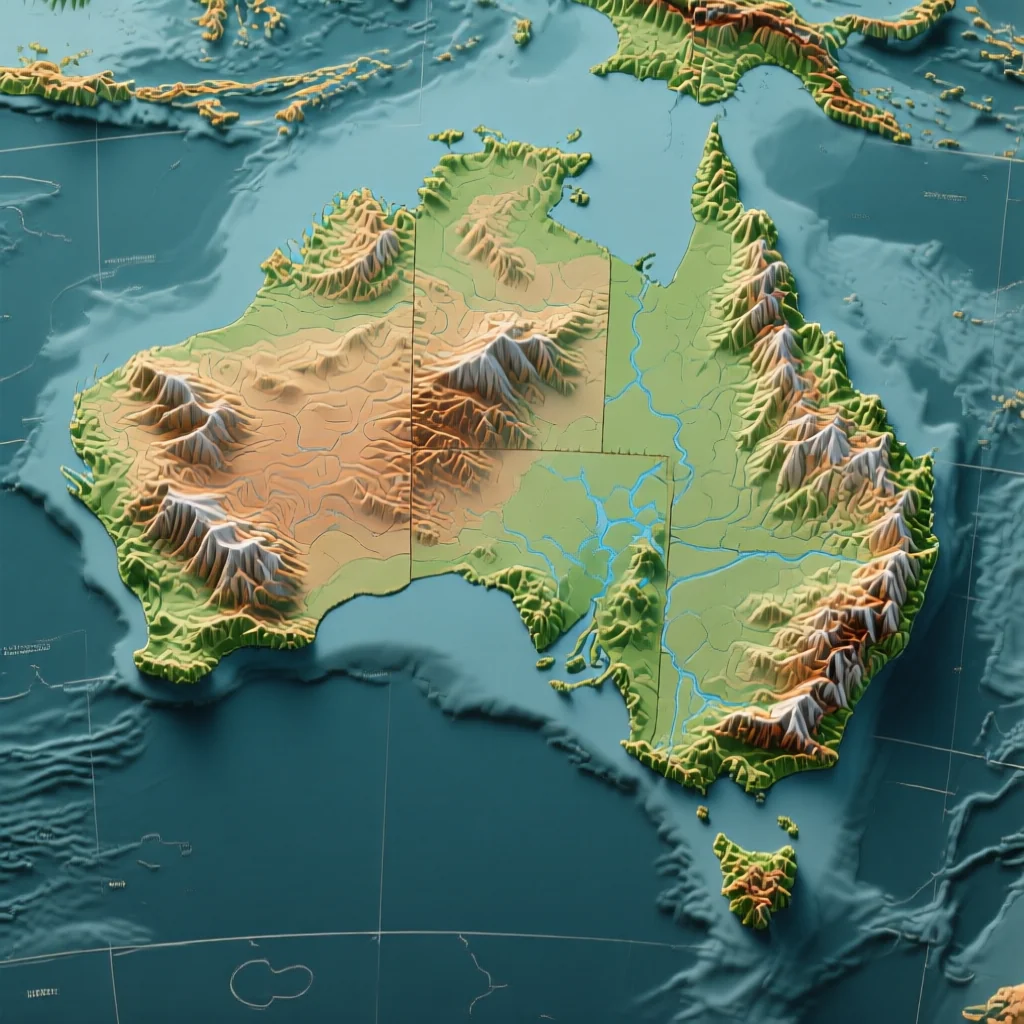
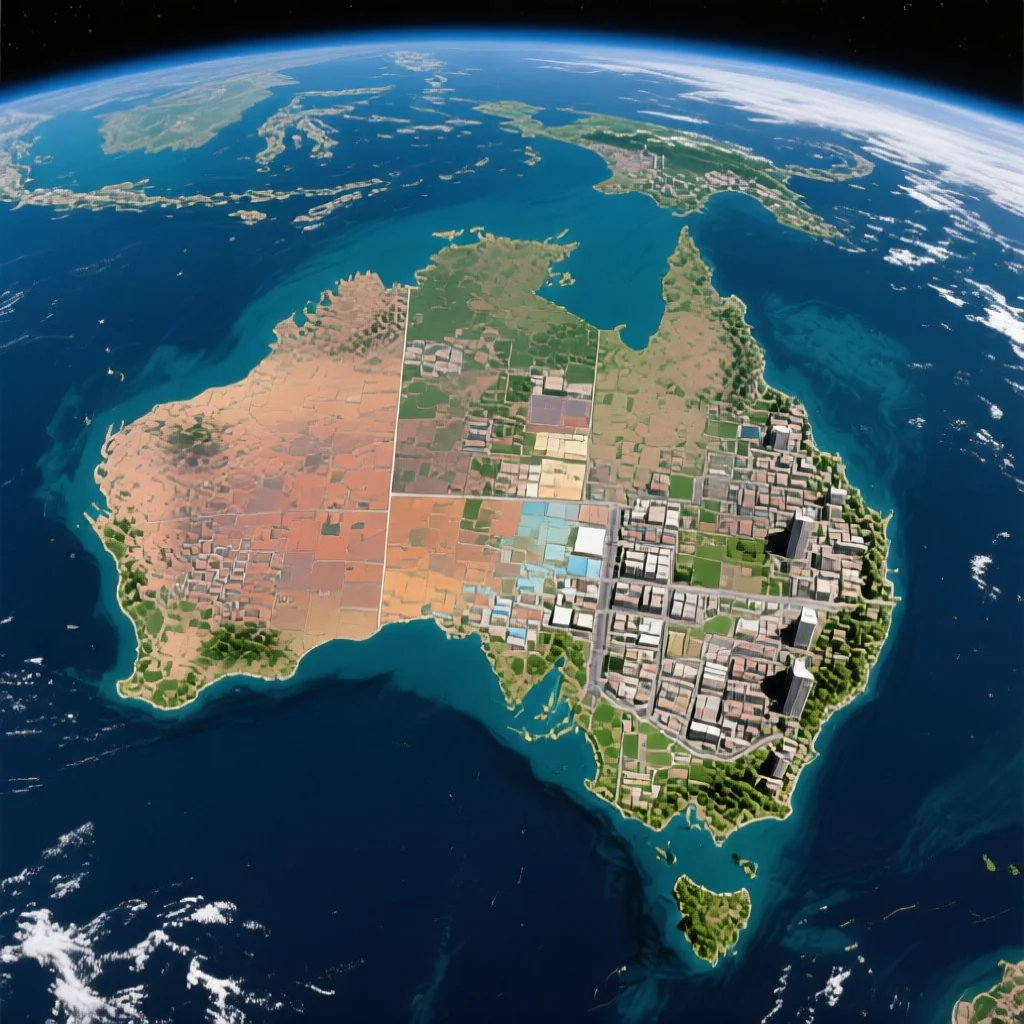
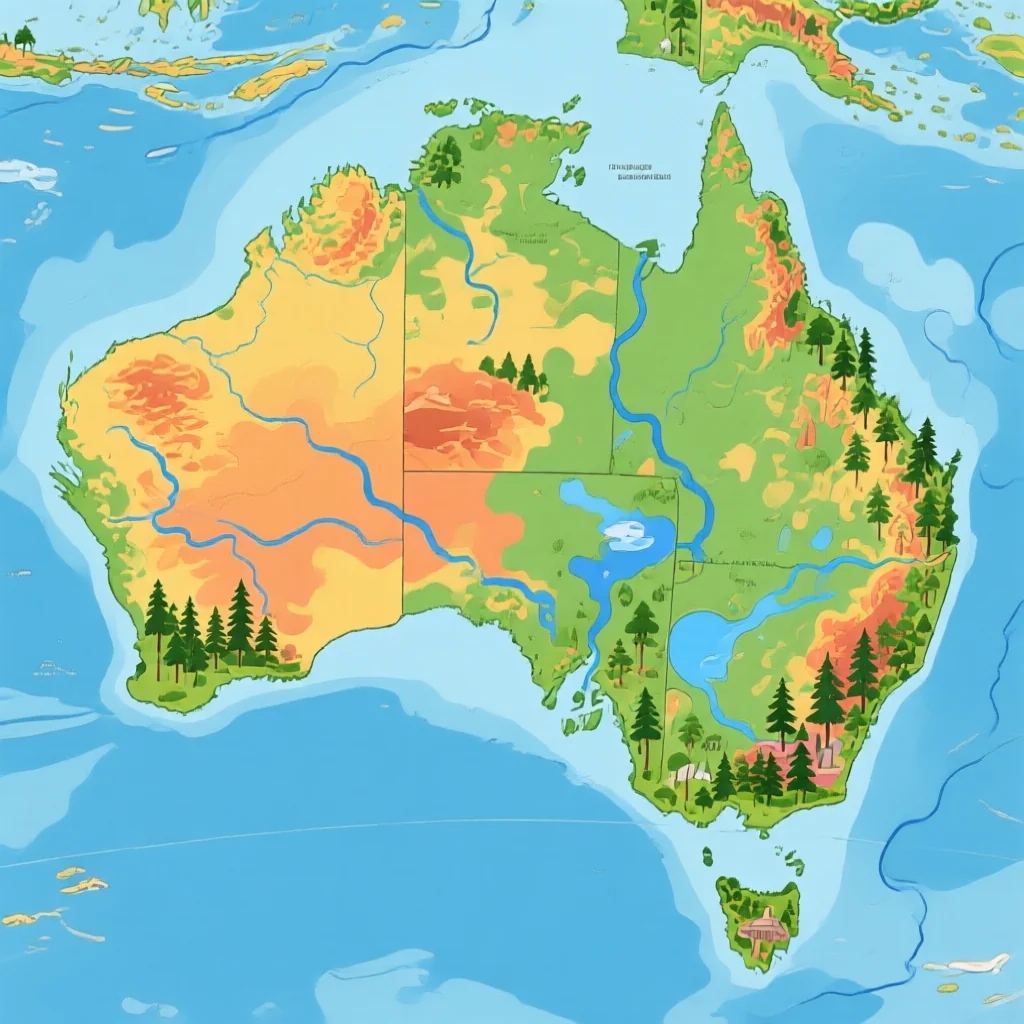
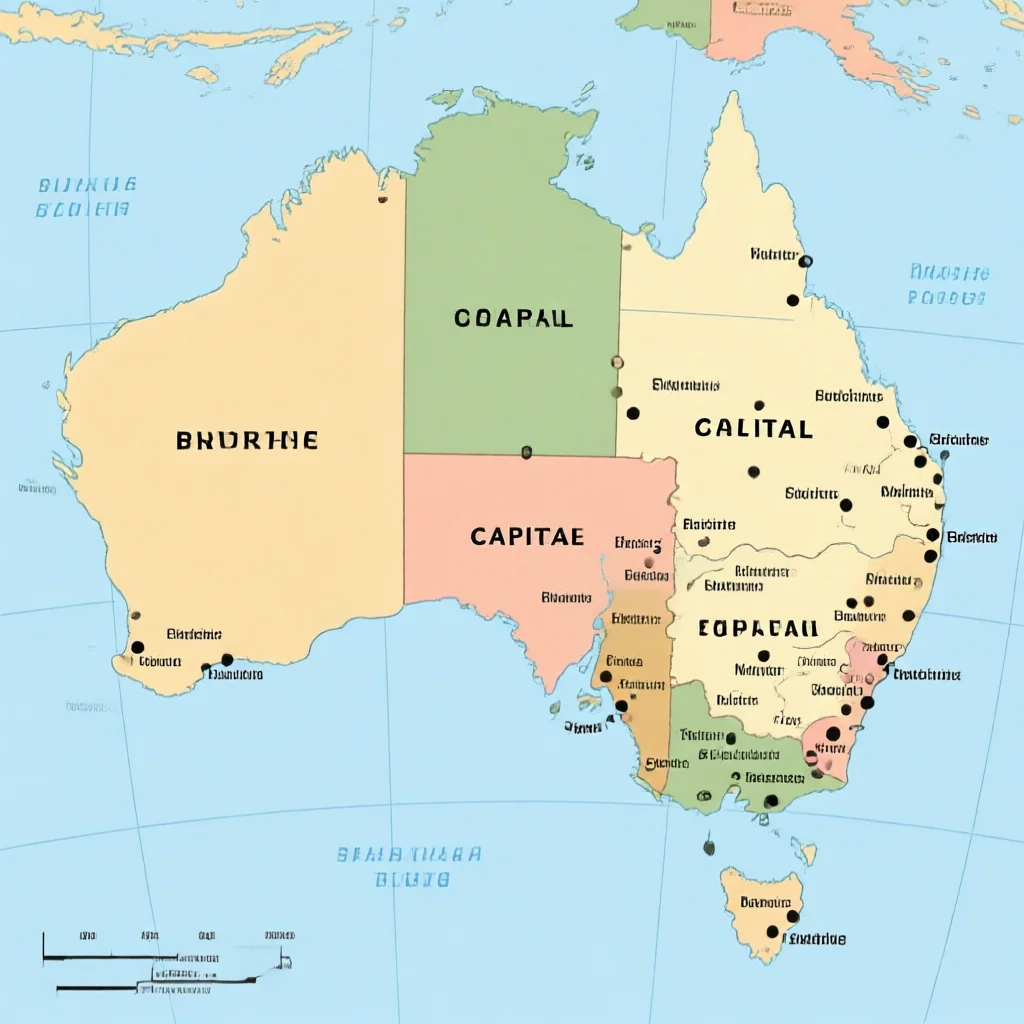
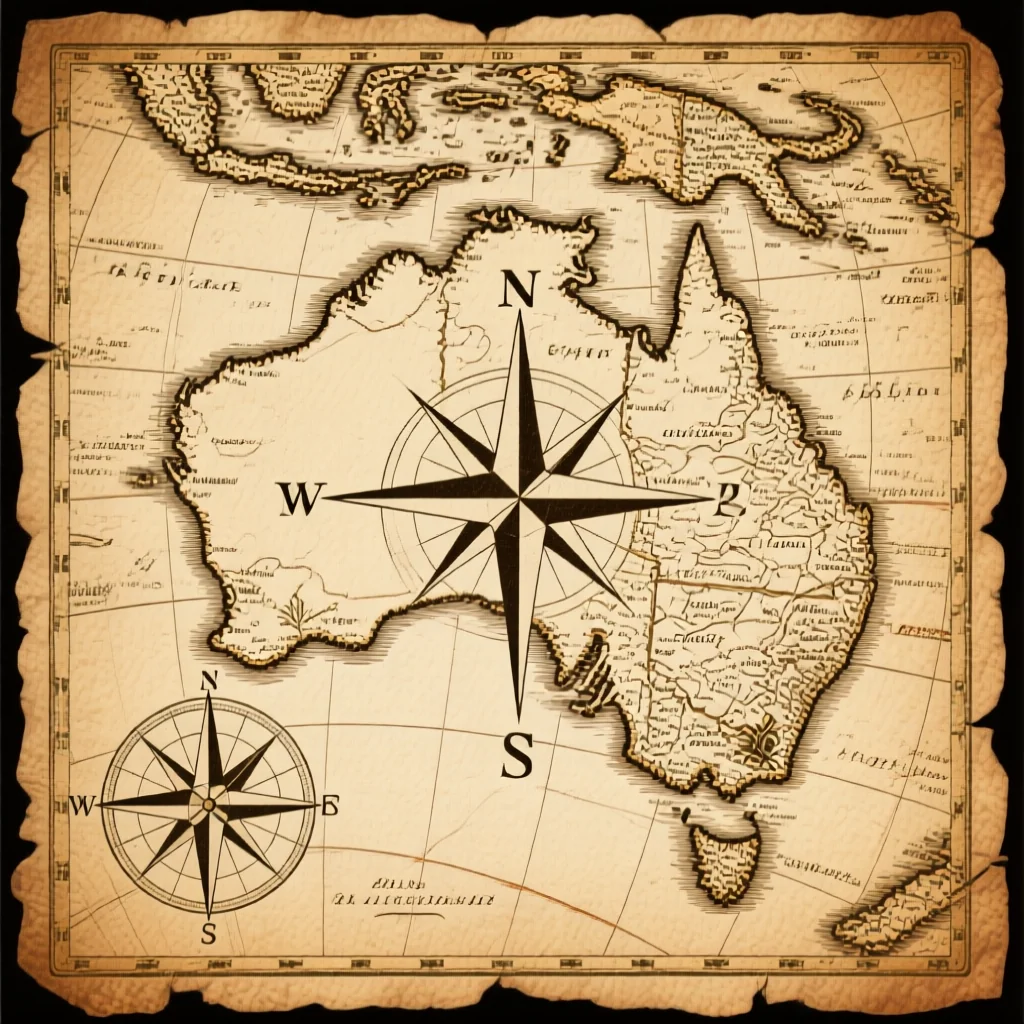
Geographic Overview
Geographic Location
Australia is positioned in the Southern Hemisphere, between 10° and 44° south latitude and 113° and 154° east longitude. It is bordered by the Indian Ocean to the west, the Southern Ocean to the south, and the Pacific Ocean to the east. Its closest neighbors are Indonesia and Papua New Guinea to the north, while the Solomon Islands and New Zealand lie to the east. Slightly smaller than the United States (at 7.7 million km²), Australia is the world’s sixth-largest country. The Tropic of Capricorn slices through its northern regions, while most of its population clusters along the fertile eastern and southeastern coasts.
Topography and Terrain
Australia’s topography is shaped by its ancient geology. The **Great Dividing Range**, a mountain chain stretching over 3,500 km along the east coast, separates the arid inland from fertile coastal plains. Its highest peak, Mount Kosciuszko (2,228 meters), is part of the Snowy Mountains—ideal for winter sports. To the west lies the **Western Plateau**, a flat, rocky region占 majority of the country, while the **Central Lowlands** include the Great Artesian Basin, a vital groundwater source. The **Murray-Darling Basin**, Australia’s largest river system, spans 1.4 million km², supporting agriculture. Deserts, including the Simpson Desert (170,000 km²), dominate the interior, with red sand dunes stretching endlessly.
Climate and Weather
Australia’s climate varies dramatically, from tropical rainforests to arid deserts. The northern third experiences a **tropical climate** with wet and dry seasons, while the southern regions enjoy temperate weather. Over 70% of Australia is arid or semi-arid, with annual rainfall below 500 mm. The **Great Barrier Reef’s waters** are warm year-round, while the Snowy Mountains see alpine winters. Weather extremes are common: cyclones hit the north during summer, and bushfire risks soar in the temperate south during hot, dry summers. The El Niño phenomenon often brings droughts to eastern Australia.
Major Cities and Regions
Australia’s population is concentrated along the coast, with iconic cities like **Sydney** (5.3 million), known for its harbor and Opera House, and **Melbourne** (5 million), a cultural hub famed for its laneways and coffee culture. **Brisbane** (2.5 million) lies in sunny Queensland, near the Great Barrier Reef, while **Perth** (2.5 million) is isolated on the west coast, close to the rugged Kimberley region. **Adelaide**, in the south, is a gateway to wine regions like the Barossa Valley. Regional highlights include the **Outback** (central deserts), the **Northern Territory** (home to Kakadu National Park and Alice Springs), and **Tasmania** (wilderness and rugged coastlines).
Natural Landmarks
Australia’s natural landmarks are global icons. The **Great Barrier Reef**, stretching 2,300 km off Queensland, is the world’s largest coral reef system, housing thousands of marine species. **Uluru (Ayers Rock)**, a sacred site for Indigenous Anangu people, rises 348 meters in the Red Centre. The **Great Ocean Road** winds through Victoria’s cliffs, showcasing the Twelve Apostles. In New South Wales, the **Blue Mountains** feature eucalyptus-covered gorges, while the **Daintree Rainforest**, near Cairns, is Earth’s oldest tropical rainforest. These wonders, mapped in Australia’s topographic and satellite atlases, reveal a continent of unmatched natural beauty. Whether exploring its maps, deserts, or coral reefs, Australia’s geography captivates with its diversity and grandeur. From coastal cities to ancient landscapes, this island continent continues to inspire curiosity and awe.
Conclusion
Australia offers a diverse geographical landscape worth exploring. From its natural wonders to urban centers, there is much to discover.