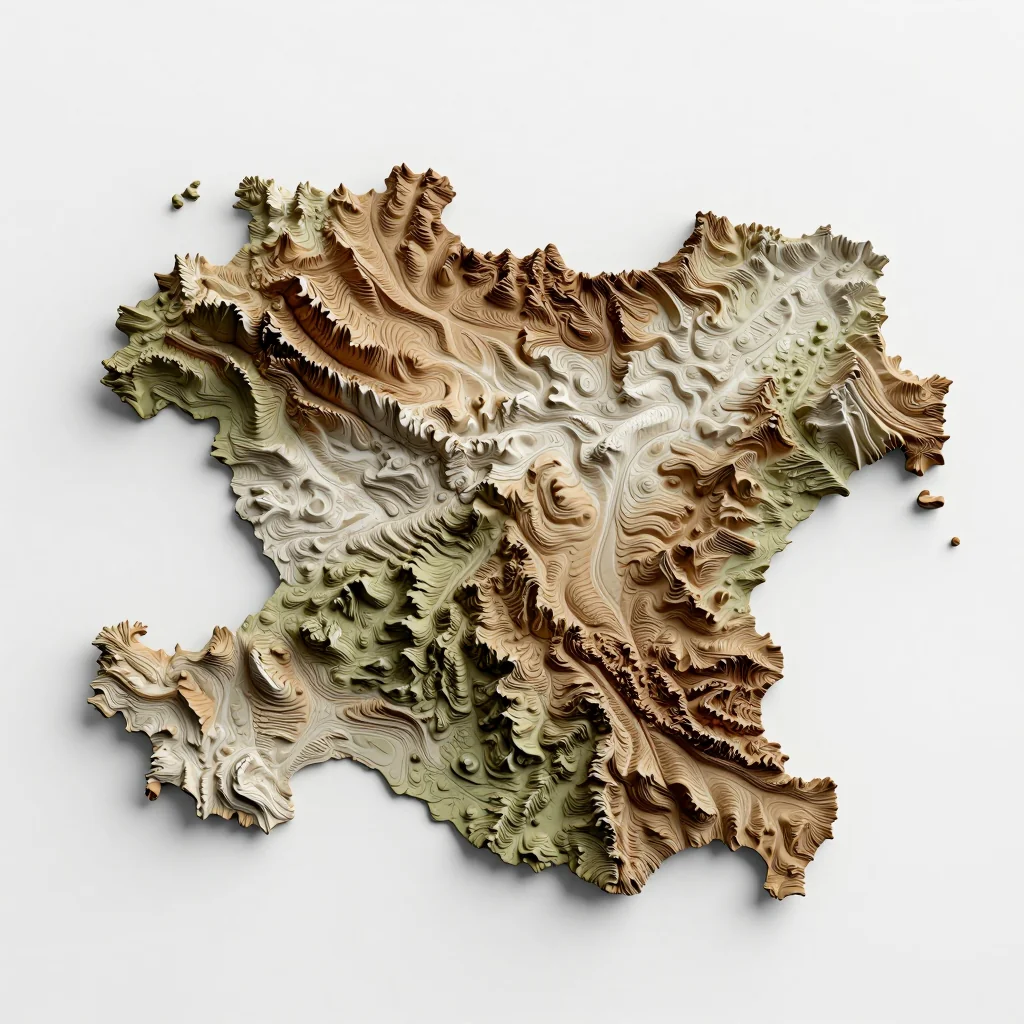
Nestled in the heart of Europe, Austria is a country of striking geographic diversity, from the towering Alps to the rolling plains of the East. Its strategic location connects Central and Eastern Europe, while its terrain—famously depicted on Austria maps and in geography atlases—offers everything from pristine alpine landscapes to vibrant urban centers.
Geographic Location
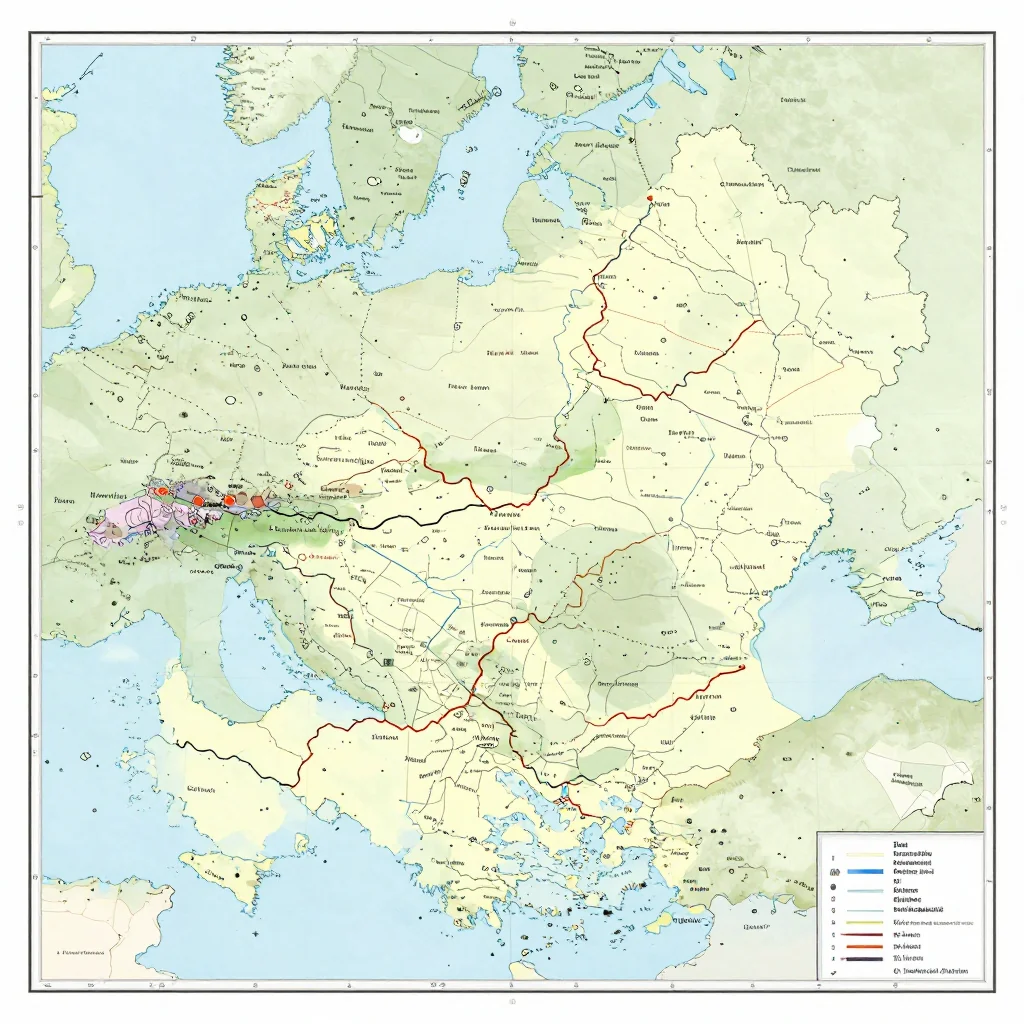
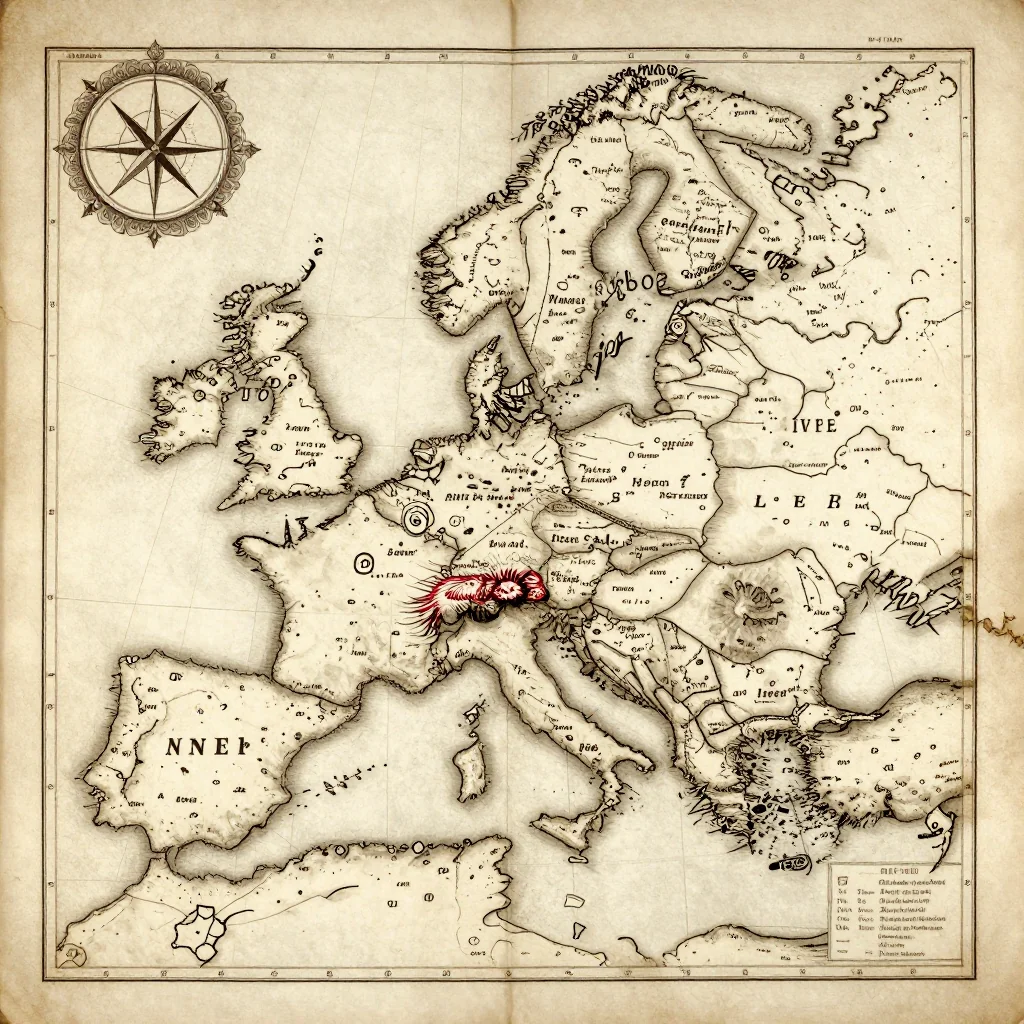
Austria is a landlocked nation in Central Europe, bordered by Germany and the Czech Republic to the north, Slovakia and Hungary to the east, Slovenia and Italy to the south, and Switzerland, Liechtenstein, and Switzerland again to the west. Its coordinates are approximately 47°18′ North latitude and 13°10′ East longitude. Covering 83,871 square kilometers, Austria’s size makes it comparable to the state of Maine in the U.S., yet its compact geography packs immense natural and cultural richness.
Topography and Terrain
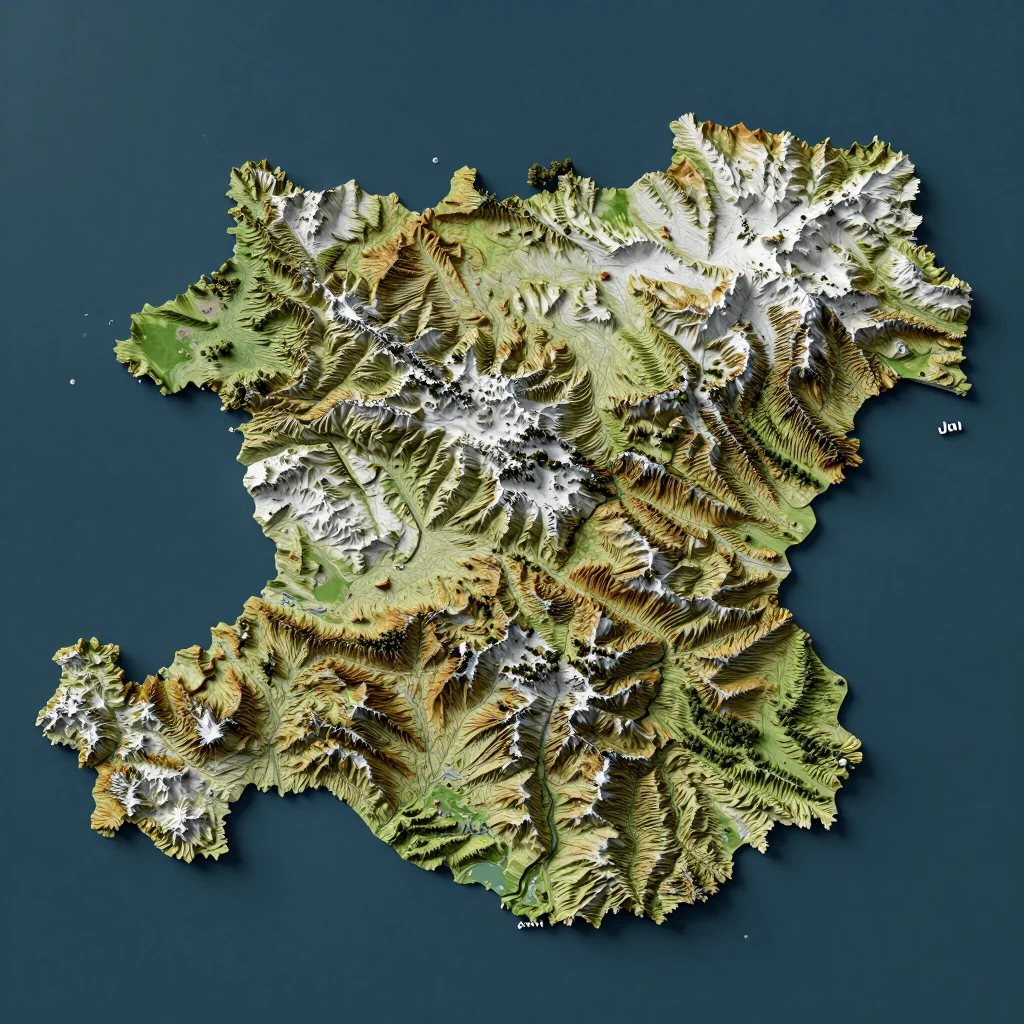
Austria’s terrain is dominated by the Alps, which cover roughly two-thirds of the country. The Austrian Alps rise to dramatic peaks like Grossglockner (3,798 meters), the nation’s highest point. To the east lies the Pannonian Basin, a lowland region featuring plains and the flat shores of Lake Neusiedler See, Austria’s lowest elevation at 115 meters. Between these extremes are valleys, such as the Danube River valley, and karst landscapes like the Limestone Alps. This elevation variation creates distinct microclimates and habitats, showcased vividly in Austria’s topographic maps.
Climate and Weather
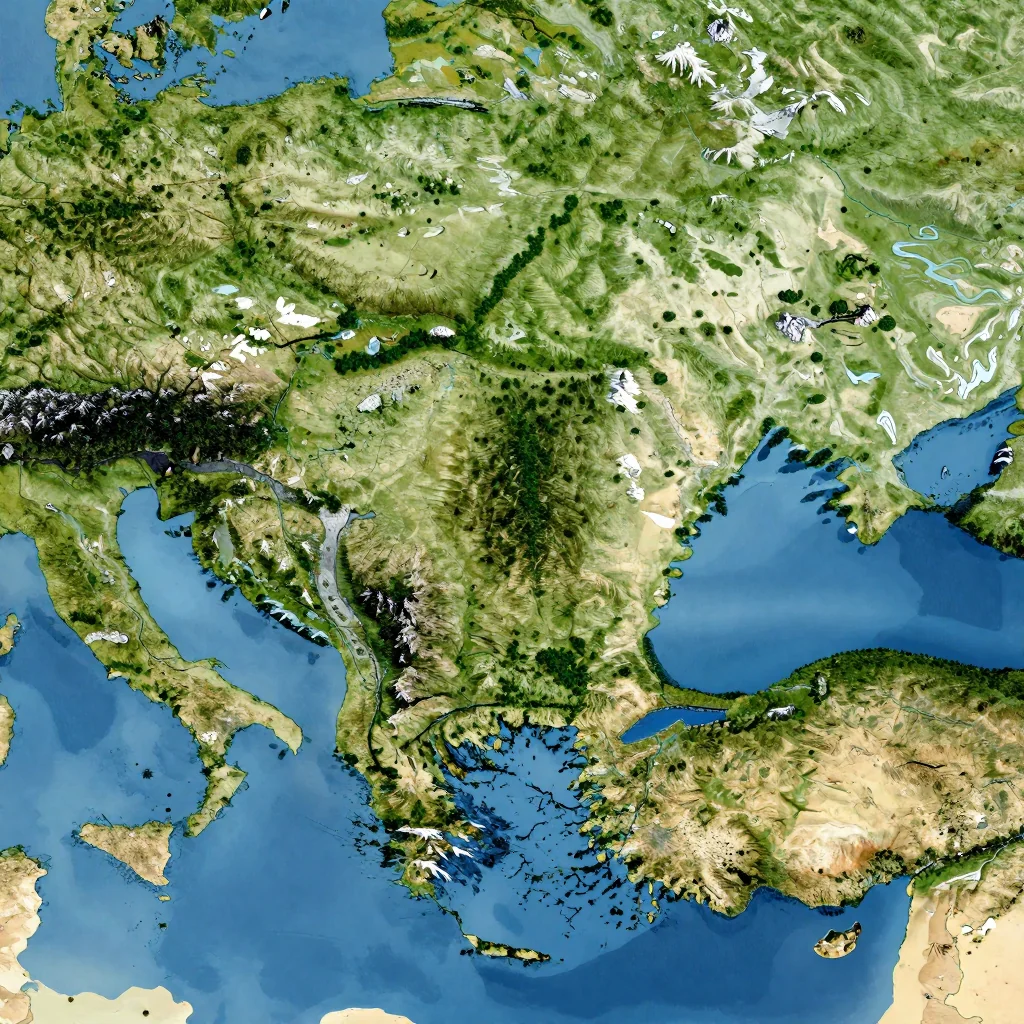
Austria experiences a temperate oceanic climate, moderated by its continental position. However, elevation greatly influences weather patterns: the Alps create rain shadows in the east and south while trapping colder air in winter. Summers are mild to warm, with temperatures averaging 20–25°C, while winters bring snow to the mountains and occasional frost in lowland areas. The south, particularly Carinthia, enjoys a sunnier, milder climate, resembling the Mediterranean in some regions.
Major Cities and Regions
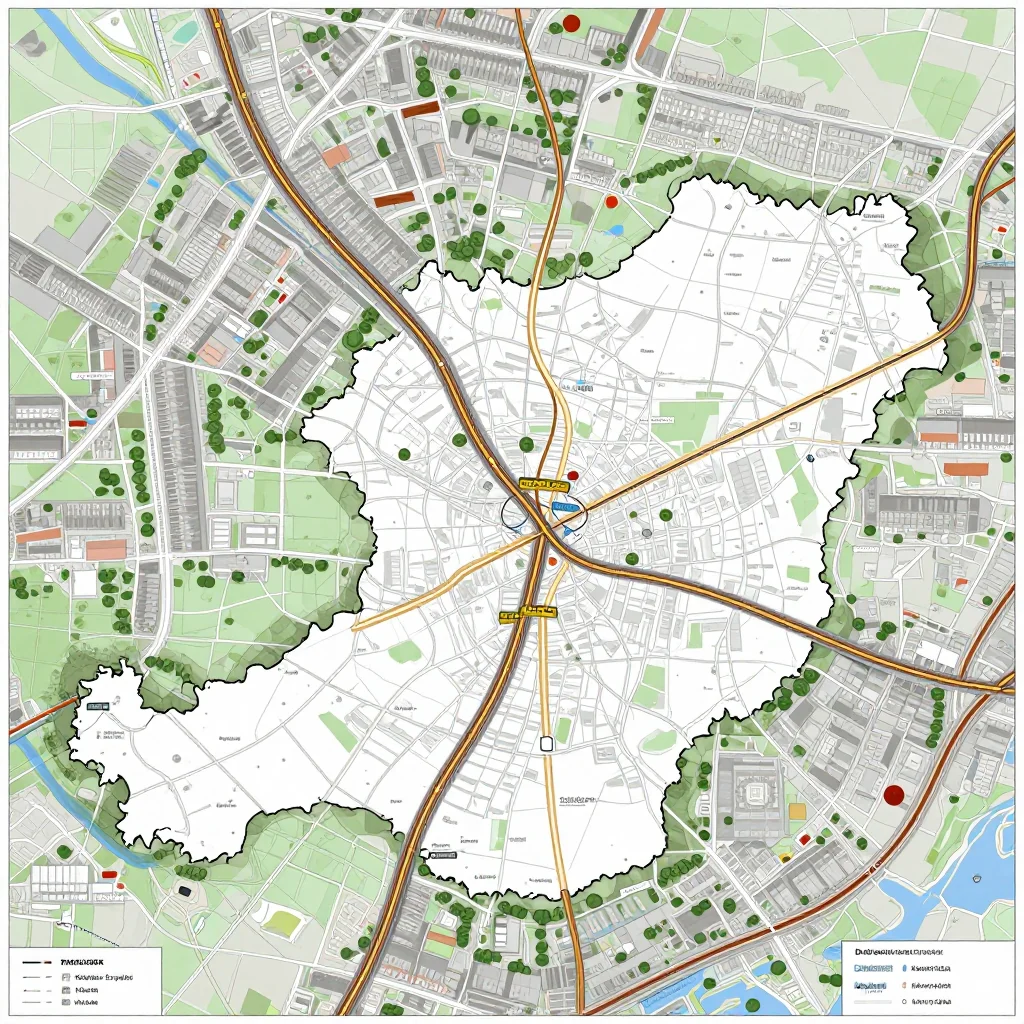
Austria is divided into nine federal states (*Bundesländer*), each with unique landscapes and identities: – **Vienna** (capital): A cultural and political hub along the Danube, blending baroque architecture with modernity. – **Vienna** (Lower Austria): Fertile farmlands and the Wachau Valley, a UNESCO World Heritage site. – **Upper Austria**: Industrial heartland with the Salzkammergut lakes and the Danube’s source. – **Salzburg**: Home to Mozart’s birthplace and the alpine backdrop of *The Sound of Music*. – **Tyrol**: Snow-capped peaks like the Ötztal Alps and Innsbruck, the “Capital of the Alps.” – **Carinthia**: Southernmost state with Lake Wörth and a Slovenian minority. – **Styria**: Known for vineyards (especially in the south) and the rugged Gurk Alps. – **Burgenland**: Flatlands bordering Hungary, with Lake Neusiedler See.
Natural Landmarks
Austria’s natural wonders are highlighted in its geography atlas: – **Rivers**: The Danube flows through eastern Austria, carving gorges like the Wachau Valley. The Inn and Drau rivers also define regional landscapes. – **Lakes**: The Salzkammergut’s Hallstätter See and Wolfgangsee are postcard-perfect alpine lakes. Neusiedler See, a Ramsar wetland, straddles the Hungarian border. – **Mountains**: The Hohe Tauern National Park, Europe’s largest alpine park, includes peaks like Grossglockner. The Dachstein Massif’s glaciers and caves are also iconic. – **Parks & Reserves**: The Kalkalpen National Park protects limestone karst terrain, while Donau-Auen National Park preserves Danube wetlands.
Conclusion
Austria’s geography is a tapestry of alpine majesty, fertile plains, and cultural crossroads, all captured in its detailed maps and atlases. From its snow-capped Alps to the flowing Danube, the country’s terrain shapes its identity, economy, and global influence. This geographic diversity not only defines Austria’s natural beauty but also its role as a gateway connecting Europe’s landscapes and cultures. Whether exploring Vienna’s streets or hiking Grossglockner’s trails, Austria’s landscapes offer a timeless journey through Europe’s heart.