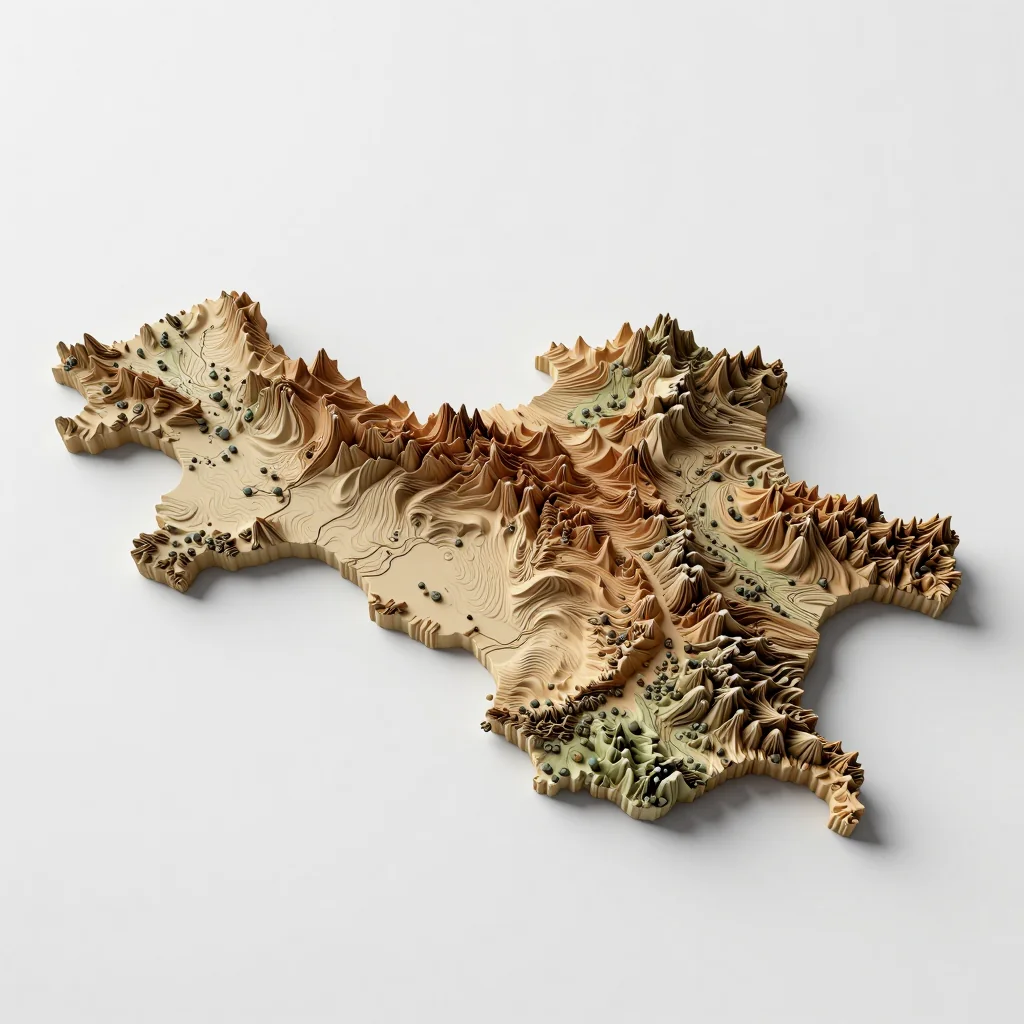
Nestled at the crossroads of Eastern Europe and Western Asia, Azerbaijan is a country of extraordinary geographic diversity. Its strategic location, rich natural resources, and varied ecosystems make it a vital link between continents, cultures, and economic corridors. From the snow-capped peaks of the Caucasus Mountains to the arid plains of the Caspian Sea, Azerbaijan’s geography is as dynamic as its history.
**Geographic Location**
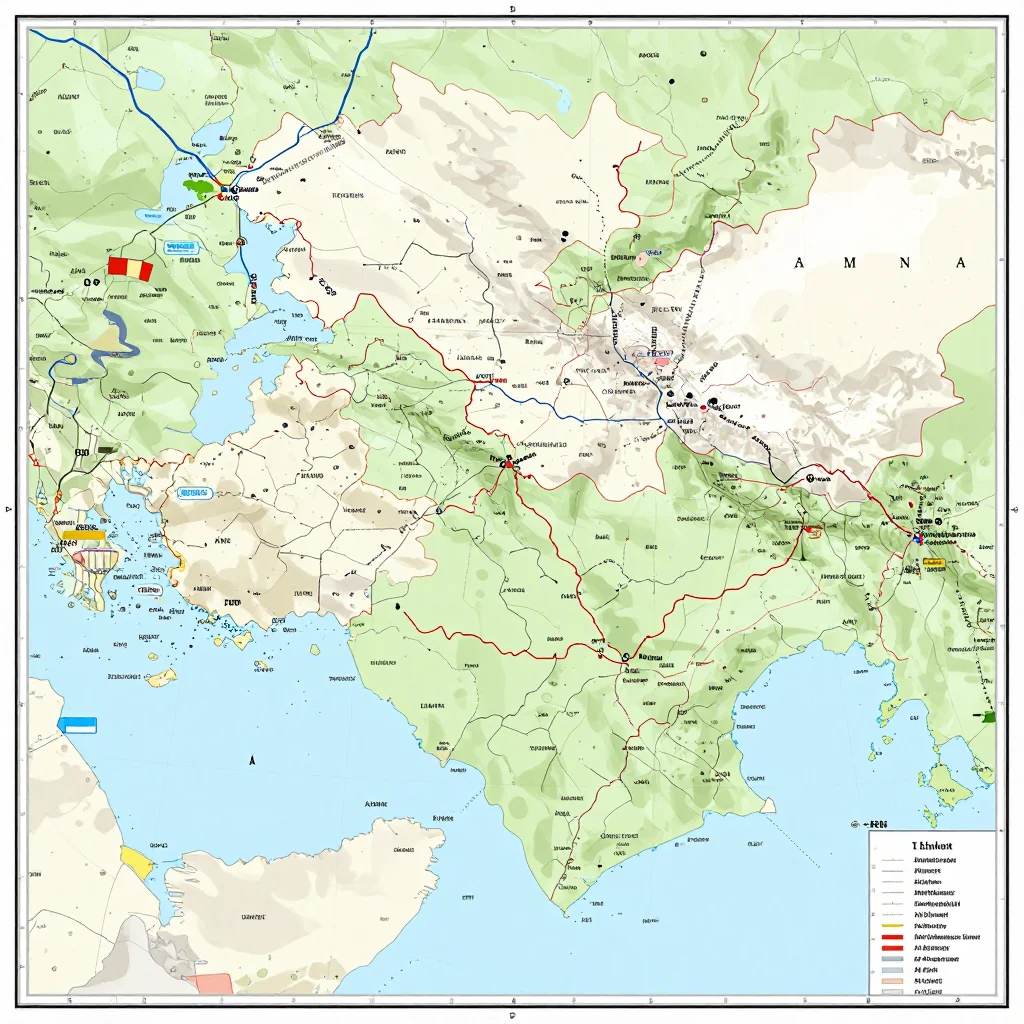
Azerbaijan is situated in the South Caucasus region, bordered by five countries: Russia and Georgia to the north, Armenia to the west, Turkey to the southwest, and Iran to the south. It also shares a maritime border with Kazakhstan in the Caspian Sea. The country’s coordinates are approximately 40°29’N latitude and 47°35’E longitude, spanning an area of 86,600 square kilometers (33,436 square miles). This strategic position has historically made Azerbaijan a hub for trade routes and cultural exchange.
**Topography And Terrain**
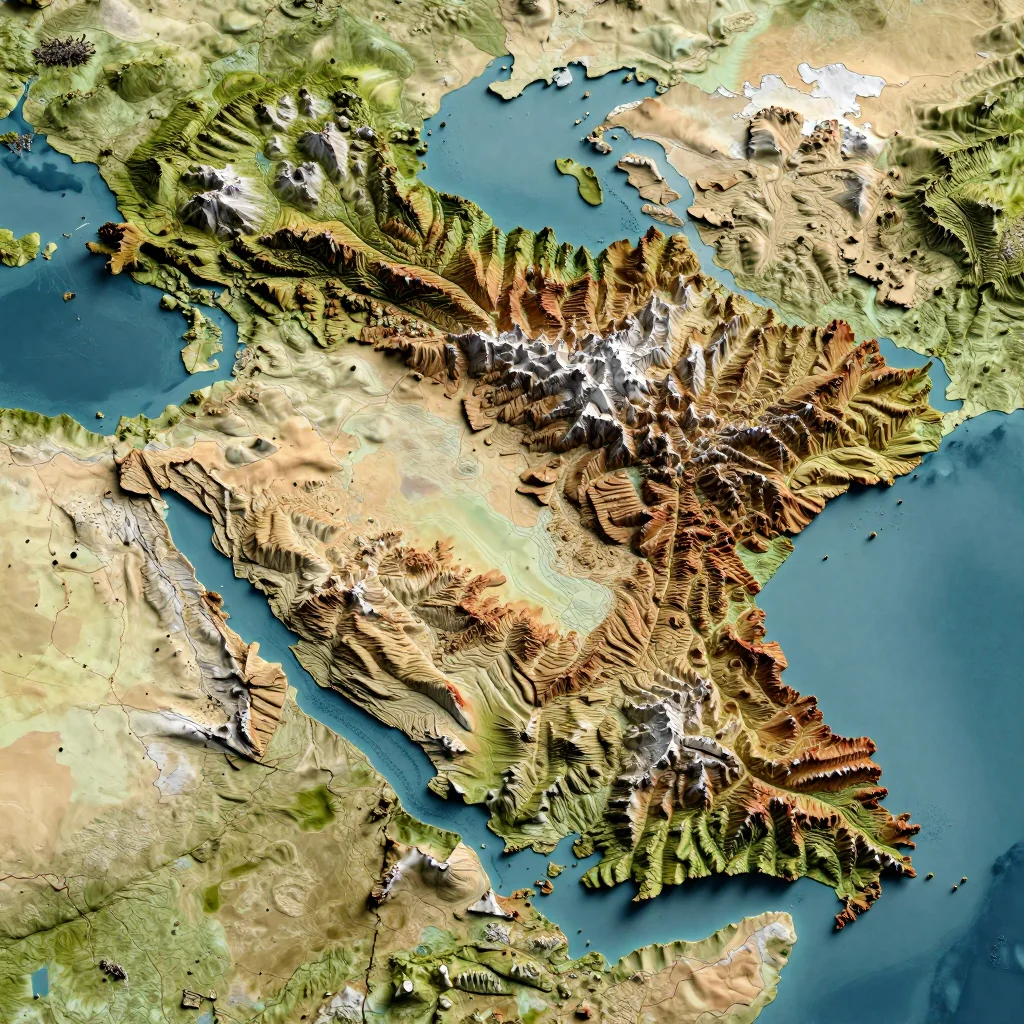
Azerbaijan’s topography is characterized by striking contrasts. The Greater Caucasus Mountains form a natural northern boundary, with Bazardüzü Peak (4,466 meters/14,652 feet) as the highest point. The Lesser Caucasus Mountains dominate the south and southwest, creating regions like the Karabakh Highland. Between these mountain ranges lies the Kura-Aras Lowland, a fertile agricultural zone in the east. The Caspian Sea’s shoreline— Azerbaijan’s eastern border—features low-lying coastal plains, while the Aran Plain in the center supports lush oases. Elevation drops to 28 meters below sea level at the Caspian coast, creating one of the world’s most dramatic vertical ranges within a single nation.
**Climate And Weather**
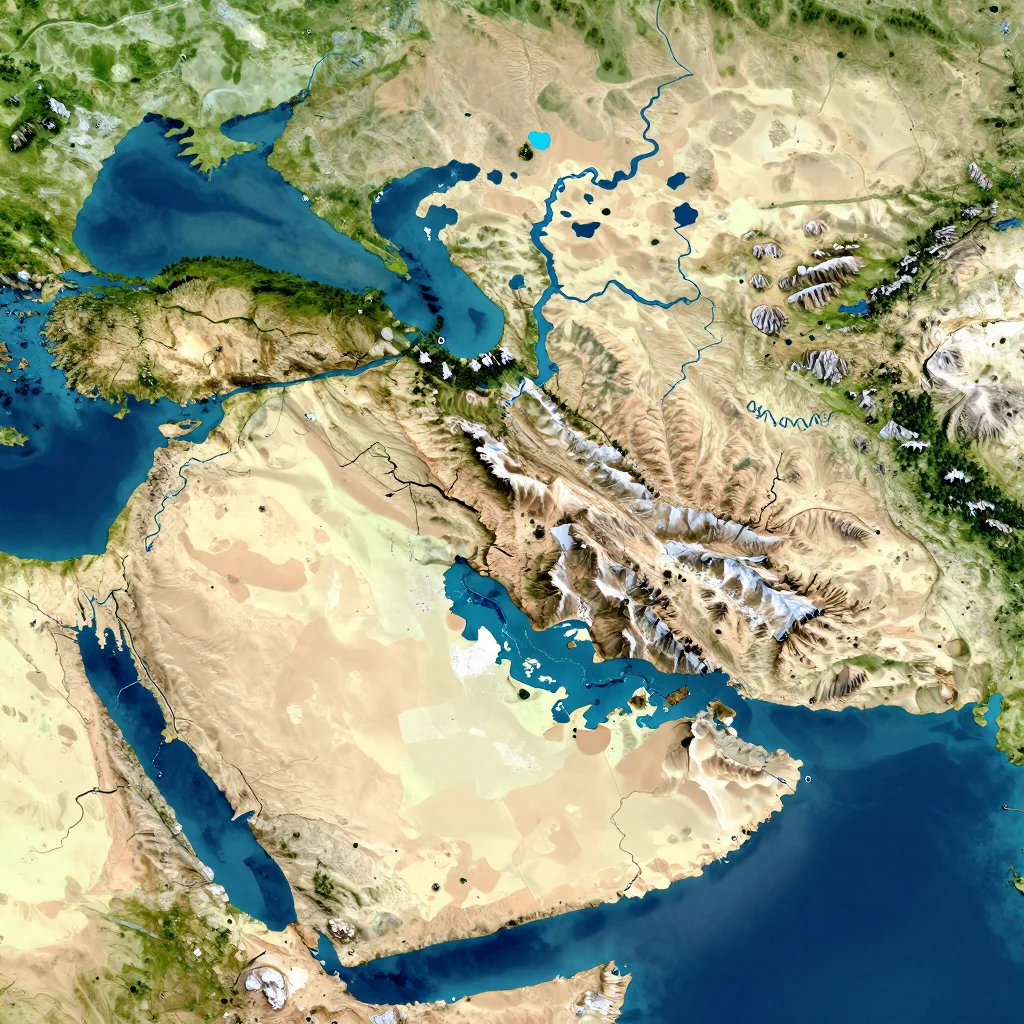
Azerbaijan’s microclimates rival its topographic diversity. The Apsheron Plateau, where the capital Baku is located, has a semi-arid climate with hot, dry summers and mild winters. In contrast, the Lankaran Lowland in the southeast enjoys a humid subtropical climate, earning it the nickname “the Land of Eternal Spring.” The high Caucasus Mountains experience alpine conditions, with heavy snowfall and glaciers. Seasonal variations include scorching summers (up to 40°C/104°F) in lowland regions and freezing winters in the mountains. Precipitation ranges from arid conditions in the north to heavy rainfall in mountainous forests.
**Major Cities And Regions**
Azerbaijan’s major cities reflect its cultural and economic diversity. **Baku**, the capital, is a modern metropolis on the Caspian, renowned for its iconic Flame Towers and oil industry heritage. **Ganja**, the second-largest city, is a historical hub in the west. **Sumgayit** is an industrial port on the Apsheron Peninsula, while **Mingachevir** hosts the massive Mingachevir Dam on the Kura River. The country is divided into 10 regions and two autonomous republics: **Nakhchivan** (an exclave bordered by Armenia and Iran) and **Nagorno-Karabakh** (a disputed region in the south). Other notable regions include **Sheki** (famous for its UNESCO-listed silk-weaving heritage) and **Shamakhi**, a historic Silk Road city.
**Natural Landmarks**
Azerbaijan’s natural wonders are as unique as its geography. The **Kura and Aras Rivers** form the backbone of its hydrology, while **Lake Goygol** (created by a landslide) is a stunning glacial lake in the Caucasus. The **Gobustan Rock Art Cultural Landscape**, a UNESCO site, preserves ancient petroglyphs depicting life over millennia. The mud volcanoes of **Absheron**, including **Yanar Dag** (“Burning Mountain”), are a surreal sight with flames fueled by natural gas. The **Shahdag National Park** offers alpine meadows and ski resorts, and the **Hyrcanian Forests** in the southeast are rare subtropical woodlands. The **Kyzylagach Bay** is a critically important wetland for migratory birds.
**Conclusion**
Azerbaijan’s geography is a mosaic of mountains, plains, rivers, and seas, offering a microcosm of global ecosystems within its borders. This diversity supports rich biodiversity, fuels agriculture and energy sectors, and attracts global interest for its strategic location. From the ancient carvings of Gobustan to the modern skyline of Baku, Azerbaijan’s landscapes reflect its history and promise a dynamic future. As a key player in regional geopolitics and a gateway between East and West, its geographic significance continues to shape the world’s cultural and economic landscapes.