Bandarban, a picturesque city nestled in the southeastern hills of Bangladesh, is a vibrant tapestry of natural beauty, cultural diversity, and serene landscapes. As part of the Chittagong Division, Bandarban is renowned as a gateway to Bangladesh’s indigenous heritage, making it a must-visit destination for travelers seeking adventure and cultural immersion. Known as the “Land of the Hills,” Bandarban Bangladesh offers a unique blend of unspoiled nature and rich traditions.
**Location And Setting**
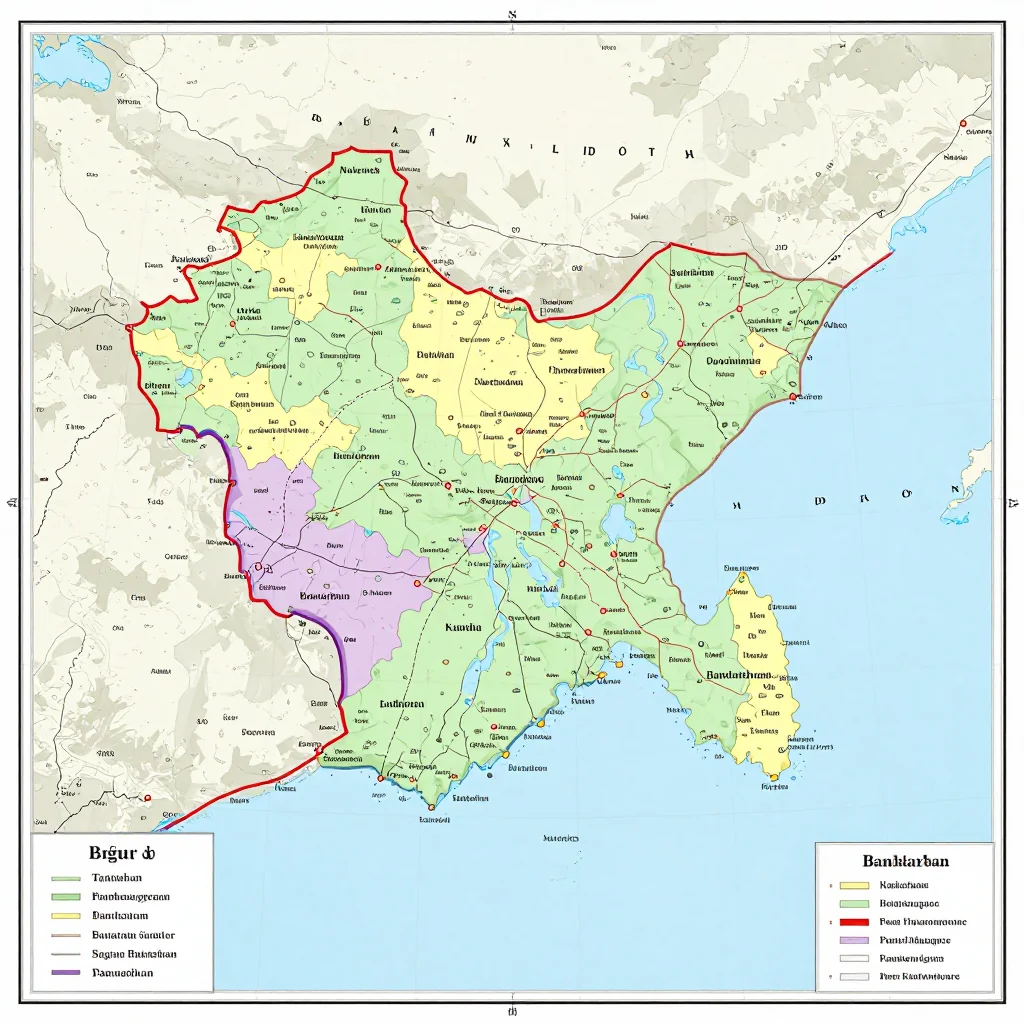
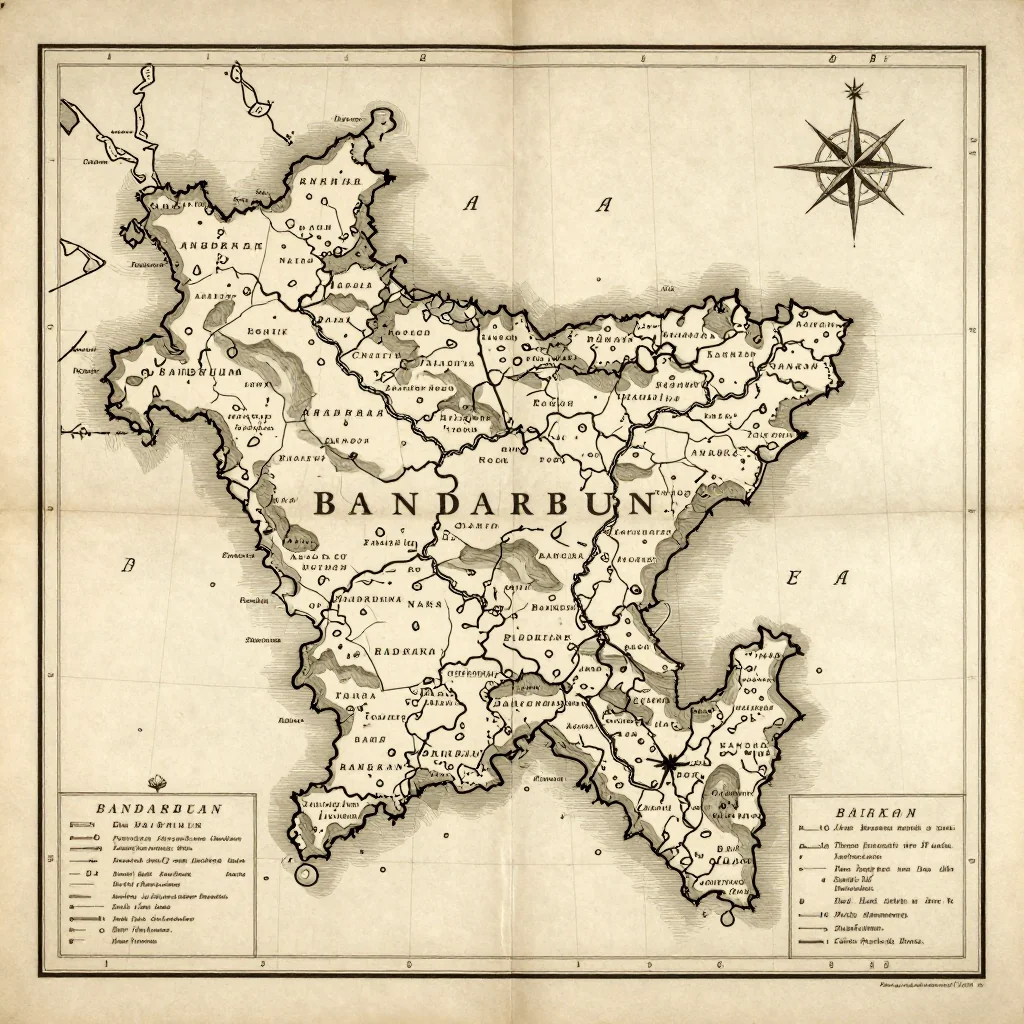
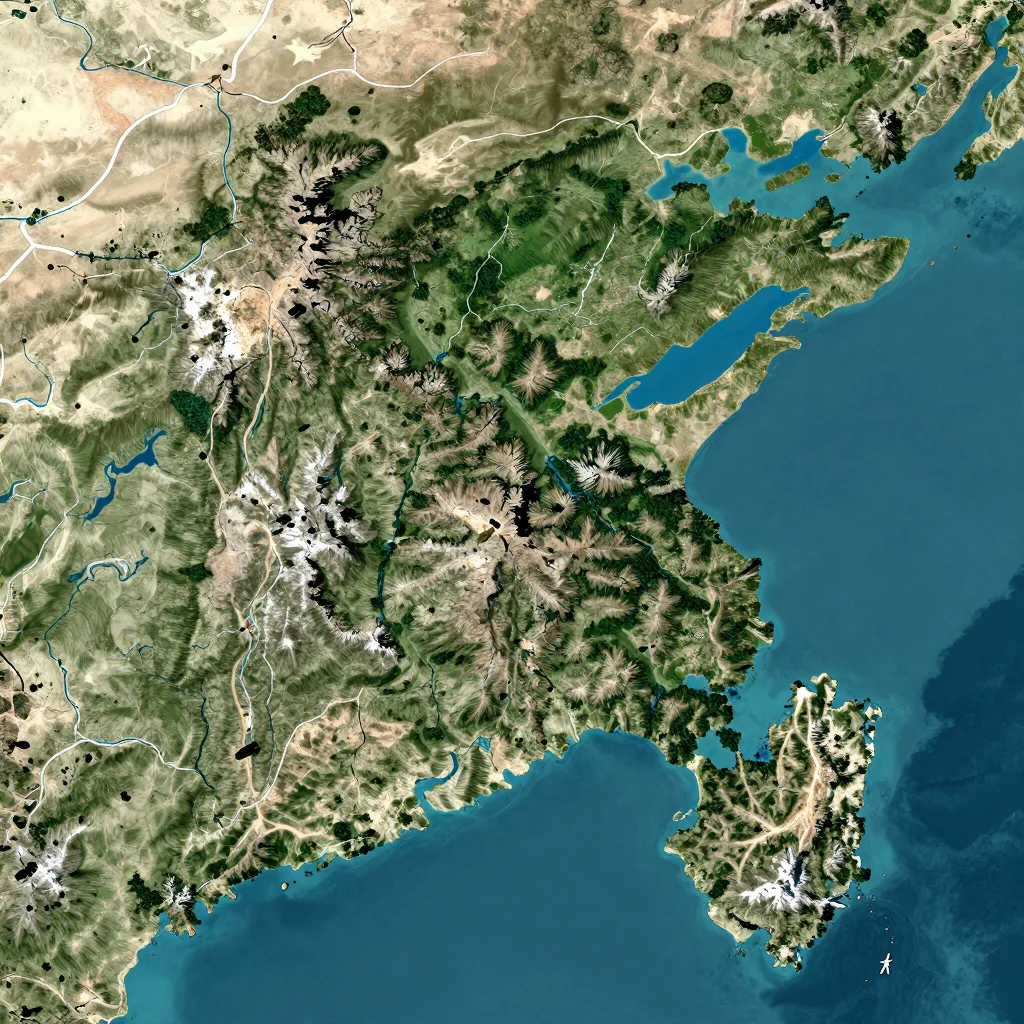
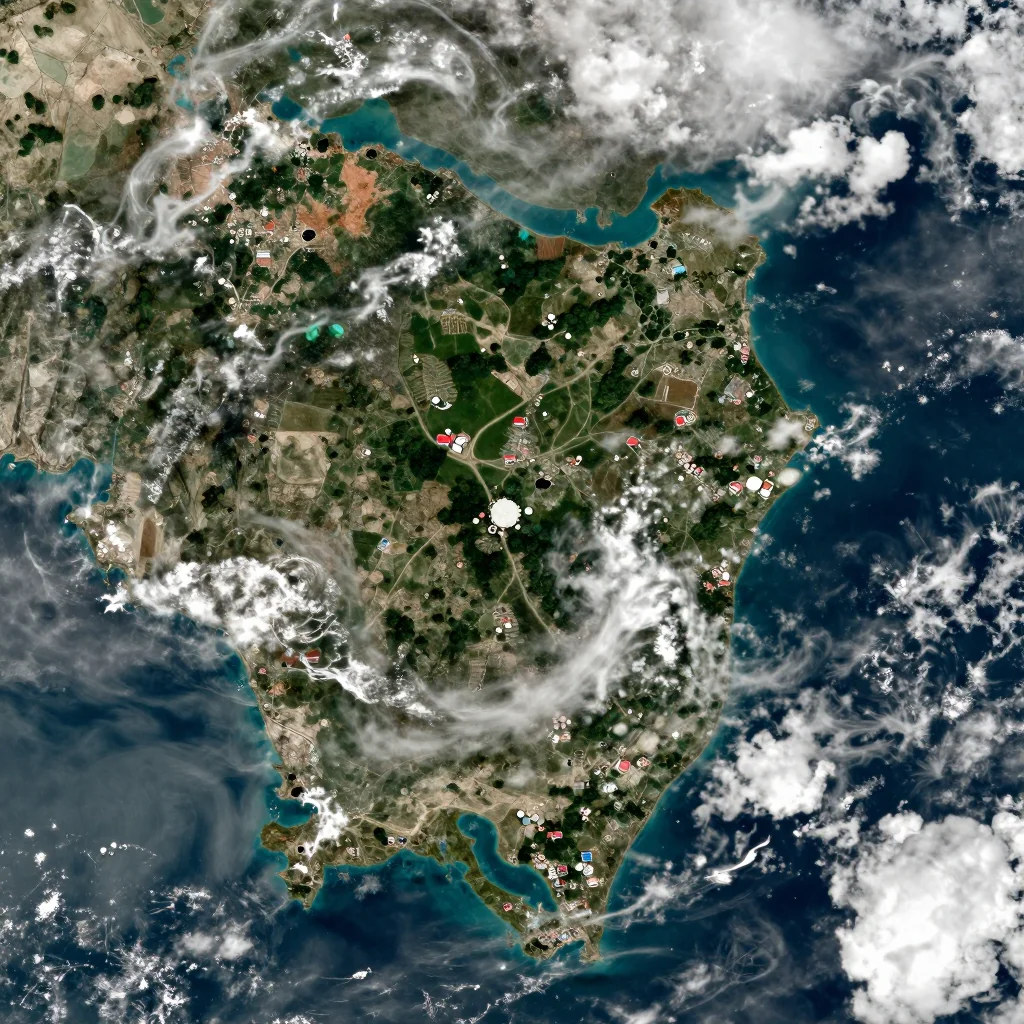
Bandarban is located in the northeastern part of the Chittagong Hill Tracts (CHT), bordering Myanmar to the south and east. Surrounded by the Srimangal range and other mountainous terrain, the city is characterized by lush evergreen forests, rugged hills, and swift-flowing rivers like the Sangu and Matamuhuri. The landscape features steep valleys, dense foliage, and rugged peaks, creating a breathtaking backdrop. The region experiences a tropical monsoon climate with heavy rainfall, contributing to its dense biodiversity. A **Bandarban map** reveals its strategic position within the Bandarban districts, which are part of the CHT administrative area.
**History And Significance**
Bandarban’s history is intertwined with its indigenous communities, including the Chakma, Marma, Tripura, and Mro peoples, who have inhabited the region for centuries. The area was part of the colonial British administration and later became a district in 1984. It holds cultural significance as a hub of ethnic traditions, with festivals like Buddha Purnima and *Bishu* celebrated with vibrant rituals. The city’s strategic location along ancient trade routes also highlights its historical role in regional connectivity.
**Neighborhoods And Districts**
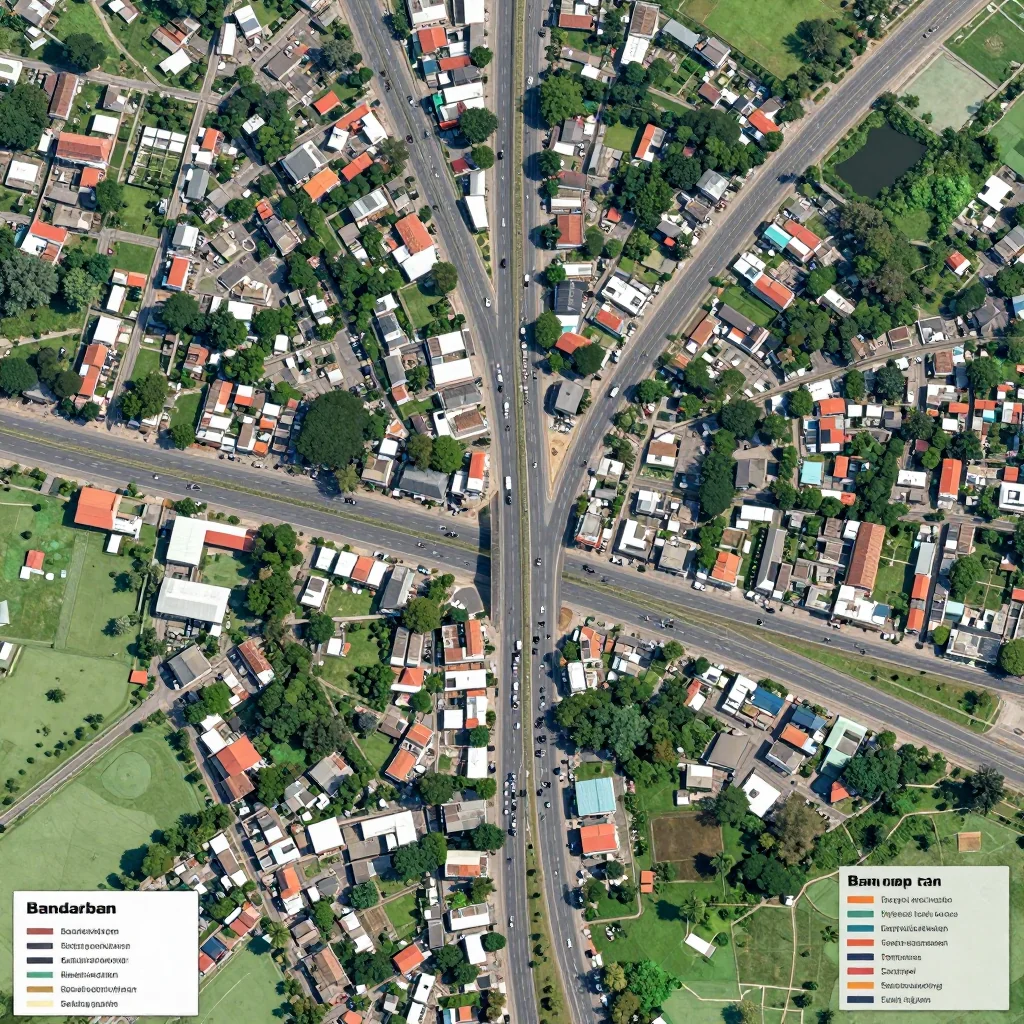
Bandarban’s urban layout centers around **Bandarban Sadar**, the administrative heart with government offices and markets. Key districts include **Thanchi**, famous for its natural beauty; **Ruma**, home to the scenic Ruma Falls; and **Lama**, known for its tea gardens and tranquil surroundings. The city’s rural-urban divide is distinct, with hillside villages and lowland settlements coexisting. Each area reflects the cultural diversity of its inhabitants, with local markets showcasing traditional handicrafts and foods.
**Transportation**
Reaching Bandarban involves a scenic drive along winding roads, including the Khagrachhari–Bandarban Highway. Public transport primarily relies on buses and mini-vans from Chittagong, though the journey can be arduous due to rugged terrain. A new **Bandarban Airport** is under construction, set to enhance accessibility once operational. For now, the nearest airport remains Chittagong, followed by a four-hour road trip. A **Bandarban map** is essential for navigating the region’s intricate network of trails and villages.
**Landmarks And Attractions**
Bandarban’s top attractions include **Sitakundu Waterfall**, a cascading waterfall surrounded by greenery, and **Thanchi**, offering viewpoints like Nijighonna, which overlooks the mysterious “Vanishing Lake.” Visitors also flock to **Ruma Falls** and the mystical **Bandarban Buddha Vihara**, a stunning monastery. The city’s cultural vibrancy shines during festivals, while trekking trails and eco-tours through hill forests provide adventure.
**Conclusion**
Bandarban stands out as a cultural and ecological haven in Bangladesh, where ancient traditions harmonize with untouched nature. Its diverse landscapes, indigenous heritage, and serene ambiance make it a standout destination on a **Bandarban city guide**. Whether exploring waterfalls or engaging with local cultures, Bandarban offers a unique glimpse into Bangladesh’s less-traveled corners, solidifying its status as a must-visit gem in **Bandarban Bangladesh**. Keywords seamlessly integrated: Bandarban map, Bandarban city guide, Bandarban Bangladesh, Bandarban districts.