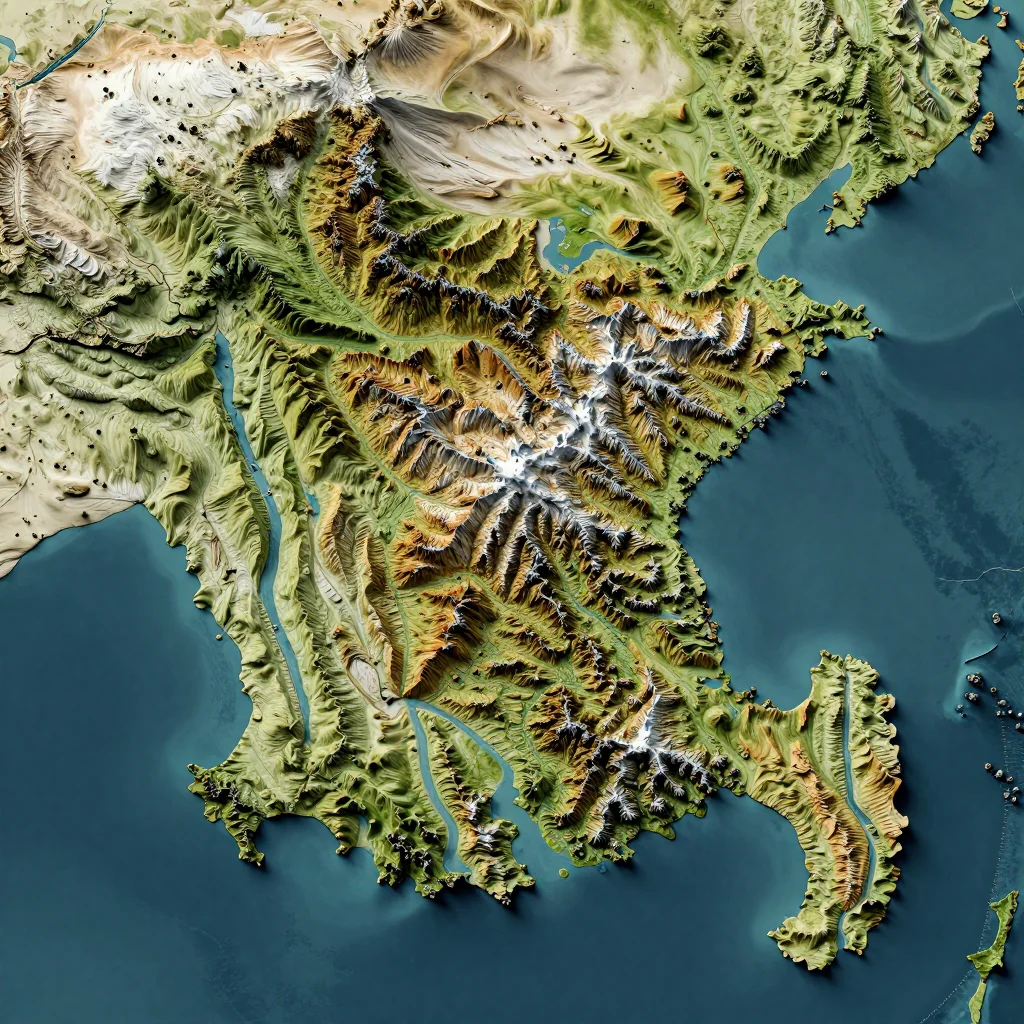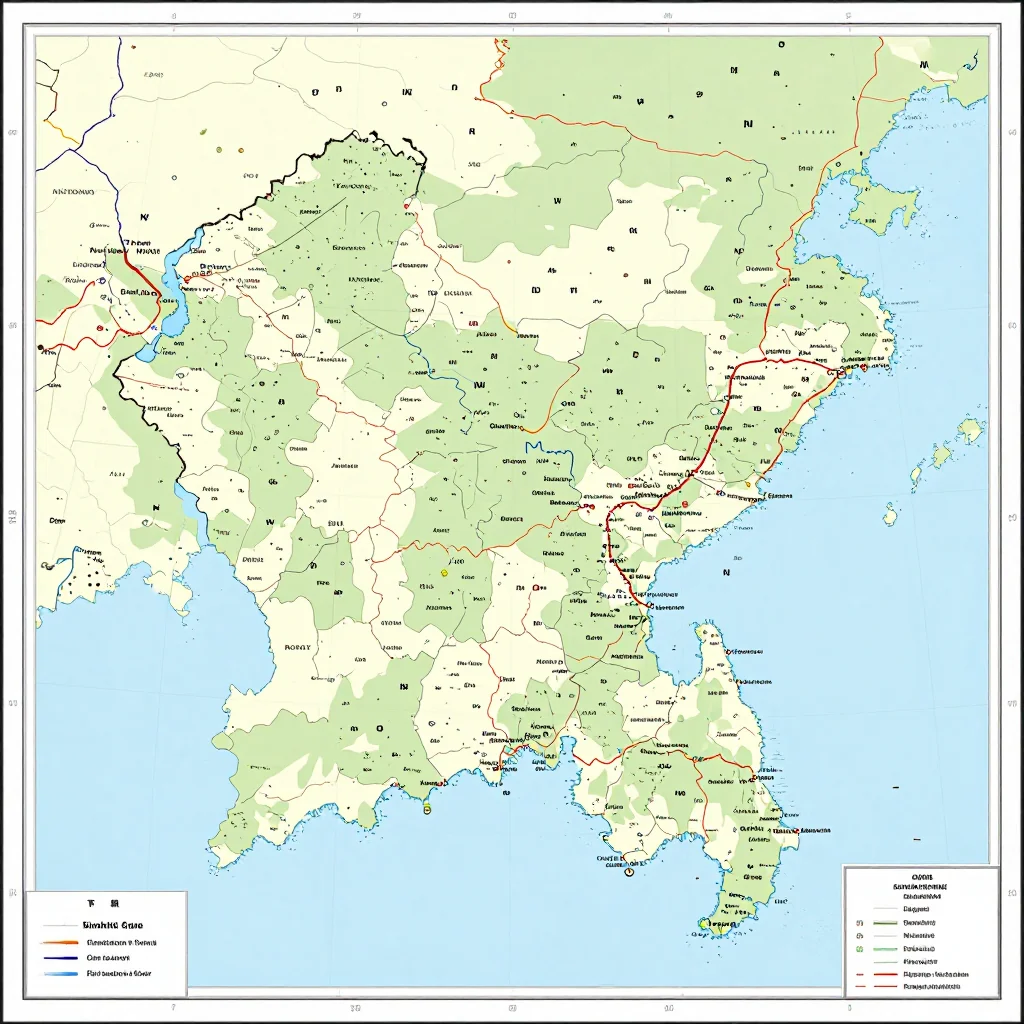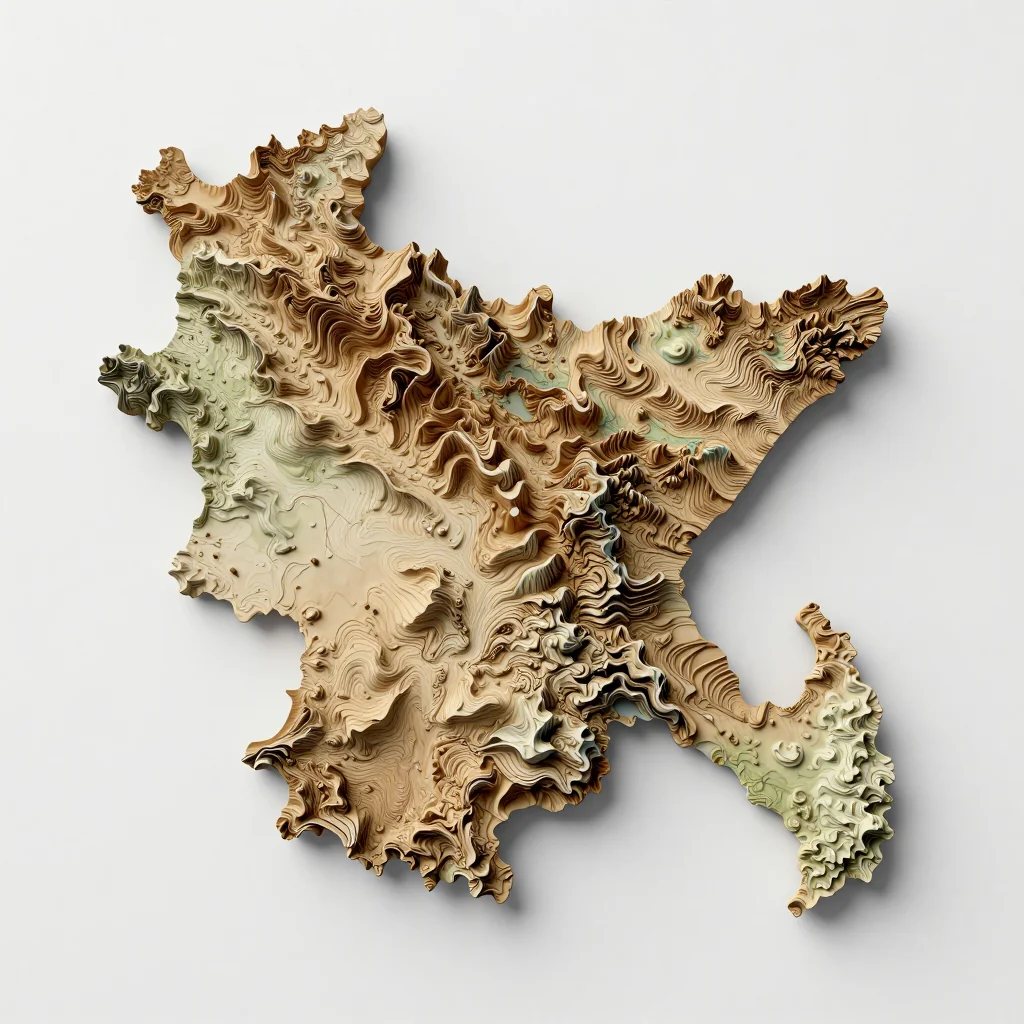
Bangladesh, a nation of unparalleled geographic diversity, is nestled in the northeastern part of South Asia. Known as the “Land of Rivers,” it is strategically positioned at the crossroads of the Indian subcontinent and is shaped by its dynamic topography, including vast deltas, lush forests, and mountainous regions. Understanding Bangladesh’s geography—from its fertile plains to its vulnerable coastlines—is key to appreciating its cultural, economic, and environmental significance.
**Geographic Location**
Bangladesh is bordered by India to its west, north, and east; Myanmar to its southeast; and the Bay of Bengal to its south. Its coordinates lie between 20°34′ and 26°38′ north latitude and 88°01′ and 92°41′ east longitude. With a total area of approximately 147,570 square kilometers, it is the world’s 92nd largest country by land area. Despite its modest size, Bangladesh’s location at the delta of the Ganges, Brahmaputra, and Meghna rivers makes it a hydrological marvel, often referred to as the “Water Kingdom.”
**Topography And Terrain**
Bangladesh’s terrain is predominantly flat, with over 80% of its land covered by the Ganges-Brahmaputra-Meghna (GBM) delta. This low-lying alluvial plain averages just 10 meters above sea level, making it one of the most flood-prone regions globally. The country’s elevation rises gradually toward the east and southeast, where the Chittagong Hill Tracts and Sylhet region feature rolling hills and mountains. The highest peak, Keokradong in the Chittagong Hill Tracts, reaches 1,230 meters, offering stark contrasts to the flat deltaic landscapes. The terrain’s flatness and rich soil fertility support intensive agriculture, while the hills host biodiversity and tribal communities.
**Climate And Weather**
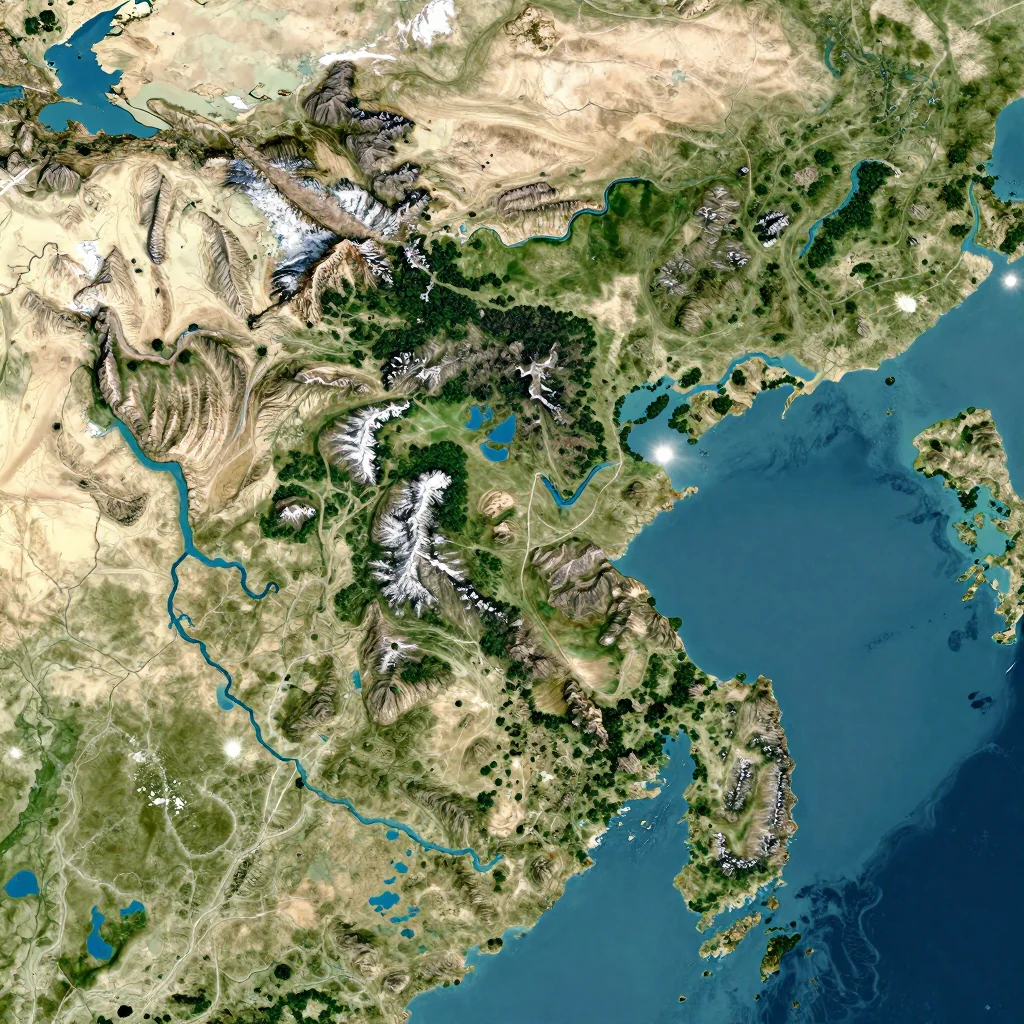
Bangladesh experiences a tropical monsoon climate, characterized by three distinct seasons: hot, humid summers (March–May), intense monsoons (June–October), and mild winters (November–February). Summer temperatures often exceed 35°C, while monsoon rains bring 1,500–3,500 mm of annual precipitation, sustaining agriculture but causing frequent flooding and soil erosion. Winter temperatures drop to around 10–15°C, providing respite from the heat. Cyclones in the Bay of Bengal pose significant threats, with devastating storms like Cyclone Bhola (1970) and Amphan (2020) leaving lasting impacts on coastal communities.
**Major Cities And Regions**
Bangladesh is divided into eight administrative divisions, each with unique characteristics: 1. **Dhaka Division**: Includes the capital, Dhaka, a bustling metropolis of over 20 million people, and cultural hubs like Narayanganj. 2. **Chittagong Division**: Home to the country’s largest port and the vibrant city of Chittagong, surrounded by the Chittagong Hill Tracts. 3. **Khulna Division**: Encompasses the Sundarbans mangrove forest and the port city of Khulna. 4. **Rajshahi Division**: Known for its silk and archaeological sites, with Rajshahi as its capital. 5. **Barisal Division**: A network of rivers and wetlands, centered around the Sundarbans. 6. **Rangpur Division**: A major rice-producing region with a subtropical climate. 7. **Mymensingh Division**: A heartland for agriculture and education. 8. **Sylhet Division**: Famous for tea plantations and the scenic Surma Valley. Major cities like Dhaka, Chittagong, Khulna, Rajshahi, and Sylhet serve as economic, cultural, and administrative centers, reflecting the nation’s geographic and demographic diversity.
**Natural Landmarks**
Bangladesh’s natural landmarks highlight its ecological wealth: – **Sundarbans**: The world’s largest mangrove forest, shared with India, is a UNESCO World Heritage Site and home to the endangered Royal Bengal tiger. – **Chittagong Hill Tracts**: A region of lush hills and tribal communities, offering trekking routes like Keokradong. – **Padma and Meghna Rivers**: The Padma, a distributary of the Ganges, and the Meghna, which forms the largest river estuary in the world, dominate the delta’s hydrology. – **Beel Bhaina**: Bangladesh’s largest wetland, critical for biodiversity and flood control. – **Lawachara National Park**: A rainforest in Sylhet with rare species like the pygmy hog and hispid hare. These landmarks underscore Bangladesh’s role as a biodiversity hotspot and its ecological vulnerability to climate change.
**Conclusion**
Bangladesh’s geography is a tapestry of rivers, plains, hills, and coastlines, shaped by its position at the intersection of tectonic and climatic forces. Its deltaic terrain, monsoon climate, and natural landmarks like the Sundarbans reflect both its resilience and challenges. From the fertile fields of the GBM delta to the mountainous Chittagong Hill Tracts, Bangladesh’s atlas captures a nation defined by geographic diversity. This diversity, however, also presents ongoing struggles with climate change, flooding, and environmental preservation. As global attention grows on climate resilience, Bangladesh’s geography remains a focal point for adaptation and sustainability efforts. Understanding its landscapes through maps and study of Bangladesh geography is essential to appreciating its rich heritage and future challenges. *Keywords*: Bangladesh map, Bangladesh geography, Bangladesh atlas, Bangladesh terrain.