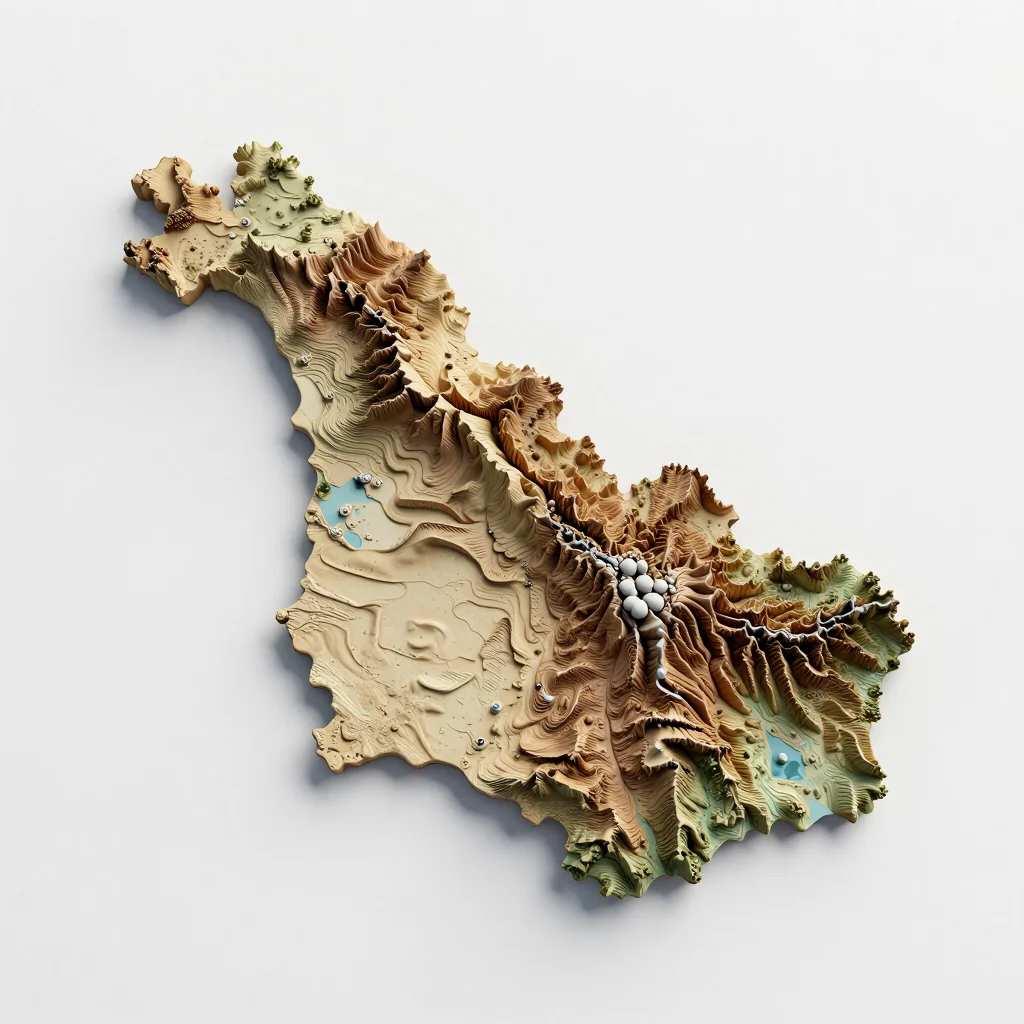
Barbados, a coral island nation in the Caribbean, holds significant geographic importance as a key island in the Lesser Antilles. Its strategic location in the Atlantic Ocean and Caribbean Sea, coupled with its diverse terrain and climate, makes it a unique destination for both ecological study and tourism. From dramatic coastal cliffs to fertile plains, Barbados’s geography shapes its culture, economy, and natural beauty.
Geographic Location
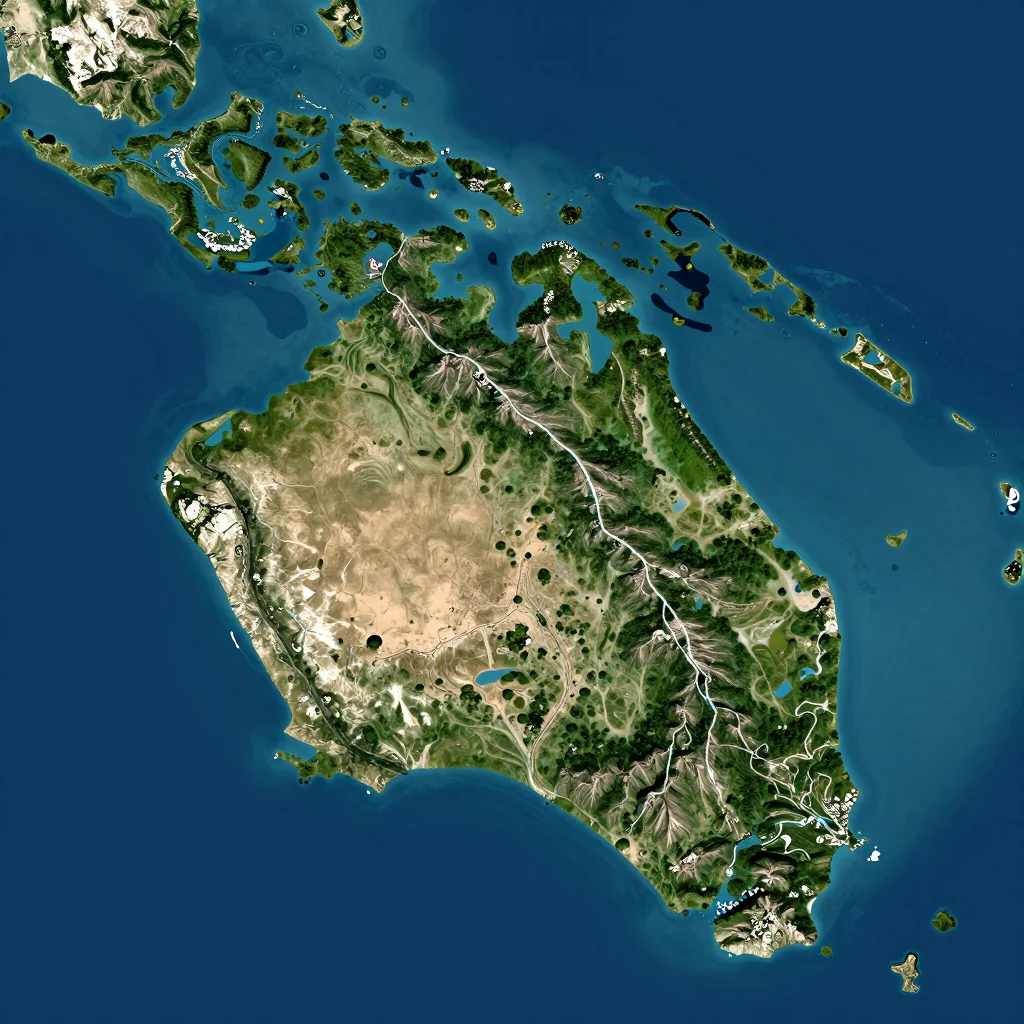
Barbados is situated in the western Atlantic Ocean, forming part of the Caribbean archipelago. Specifically, it lies at coordinates **13°10′ North latitude** and **59°33′ West longitude**, approximately 100 miles east of the Caribbean islands of St. Lucia and St. Vincent, and 160 miles north of Trinidad and Tobago. As an island nation, Barbados has no land borders, but its closest neighbors include the Windward Islands to the west and the open Atlantic Ocean to the east. With a total area of **431 square kilometers (166 square miles)**, it is one of the smallest sovereign states in the Americas.
Topography and Terrain
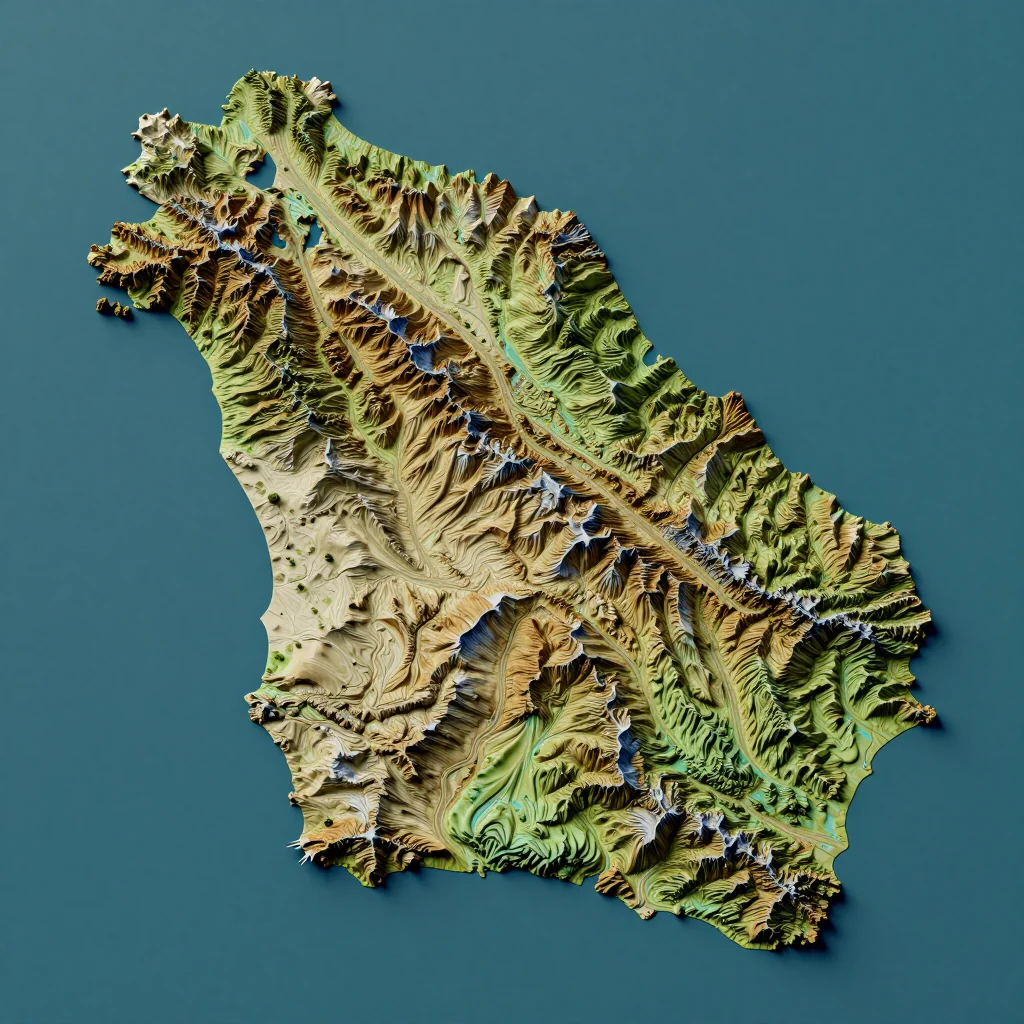
Barbados’s terrain is characterized by a central highland plateau and rolling hills, formed from coral limestone deposits over millions of years. The highest point is **Mount Hillaby**, reaching **336 meters (1,102 feet)** in the island’s northeast, part of the **Scotland District**, named for its rugged, hill-like landscapes. The central region slopes downward to coastal plains, particularly in the south and west, where fertile soil supports agriculture. The island’s flat coastal areas contrast sharply with its elevated interior, creating a unique geographic gradient. The western and southern coasts feature expansive beaches, while the eastern shoreline is marked by rocky cliffs and dramatic waves.
Climate and Weather
Barbados enjoys a **tropical maritime climate**, with two primary seasons: a dry season (January to June) and a rainy season (June to December). Average temperatures range from **25°C (77°F)** to **30°C (86°F)**, moderated by trade winds that provide consistent breeze. Rainfall peaks between July and November, coinciding with the Caribbean hurricane season. Despite its tropical setting, Barbados rarely experiences severe hurricanes, though its low elevation makes it vulnerable to rising sea levels. The climate supports lush vegetation and agriculture, including sugarcane, which once dominated the economy.
Major Cities and Regions
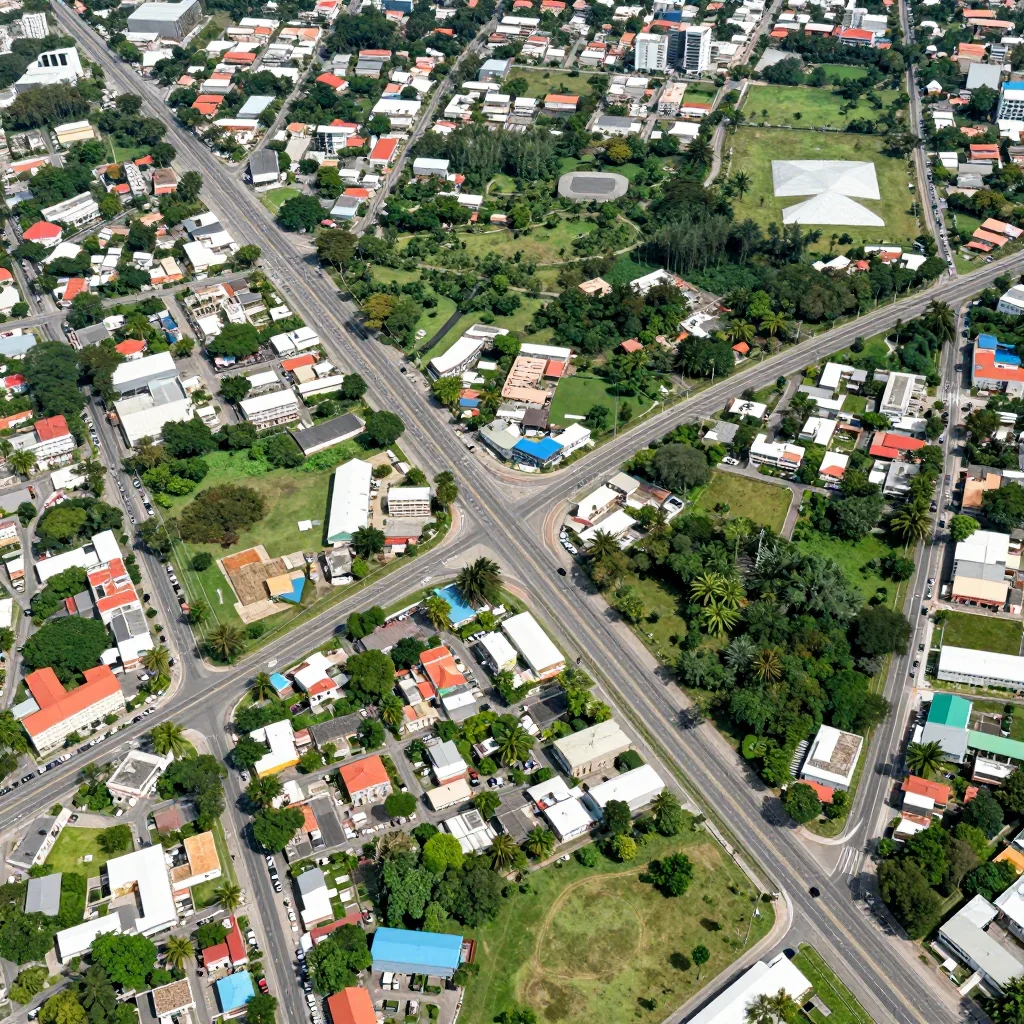
Barbados is divided into eleven administrative **parishes**, each with distinct characteristics: – **St. Michael**: Houses the capital, Bridgetown, a bustling port city with historic sites like the **National Heroes Square**. – **Christ Church**: Home to Oistins, famous for its Friday night fish fries. – **St. Philip**: Known for its sugarcane fields and the **Harrison’s Cave** attraction. – **St. Peter**: Includes the trendy village of Speightstown, popular for art galleries and dining. – **St. Lucy**: Barbados’s highest parish, offering scenic views and the **Welchman Hall Gully** geological site. Other notable regions include the **Platinum Coast** (southern beaches) and the **East Coast Cliffs**, such as the dramatic landscapes near Bathsheba.
Natural Landmarks
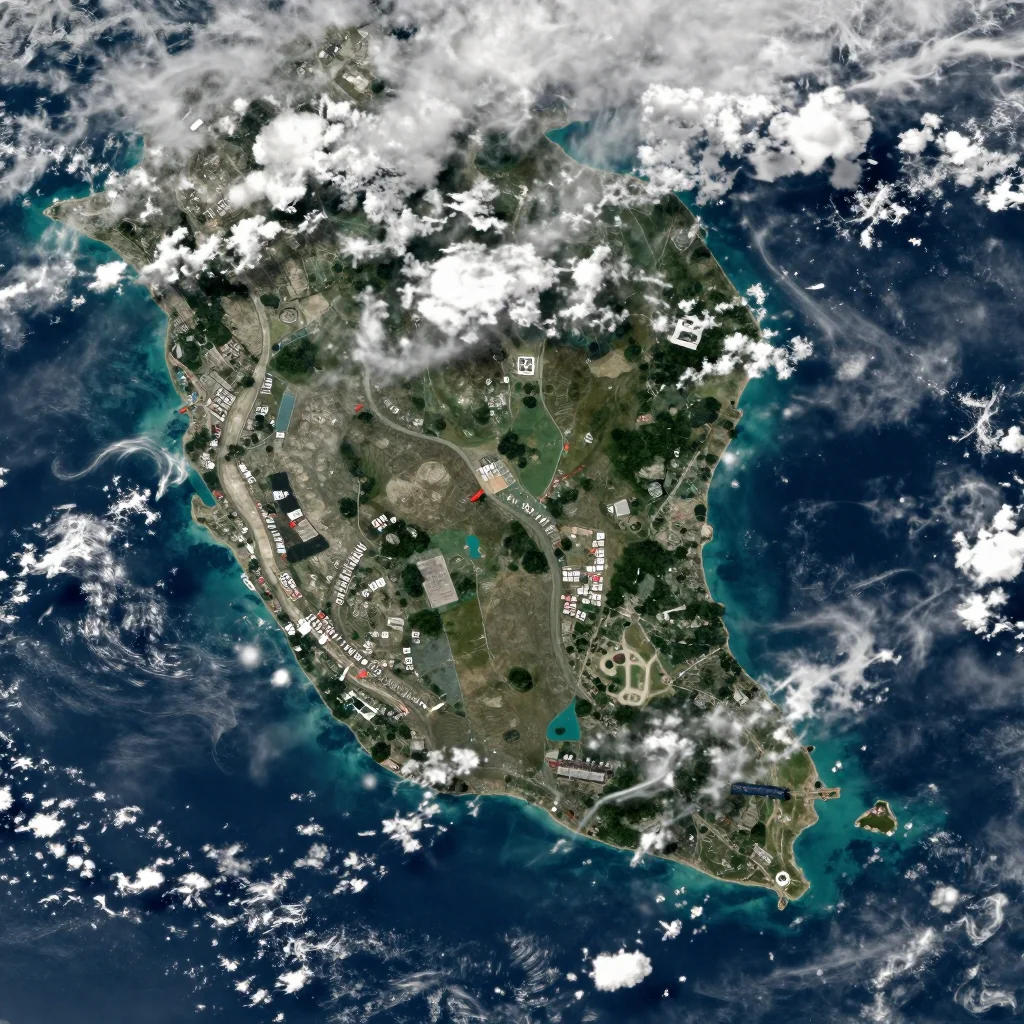
Barbados’s natural features include: – **Harrison’s Cave**: A stunning subterranean limestone cave system with mineral formations and a freshwater river. – **Andromeda Botanic Gardens**: A lush park showcasing tropical flora, including the endemic **Barbados Pride flower**. – **Welchman Hall Gully**: A rainforest valley with hiking trails and pre-Columbian petroglyphs. – **Bathsheba Beach**: A windswept eastern shore with iconic rocky outcrops and world-famous surfing spots. – **Constitution River**: Barbados’s longest river, dammed to form **Lake Gislam**, a key water source. The island’s coral reefs, especially near **Carlisle Bay** and **Paynes Bay**, are vital marine ecosystems.
Conclusion
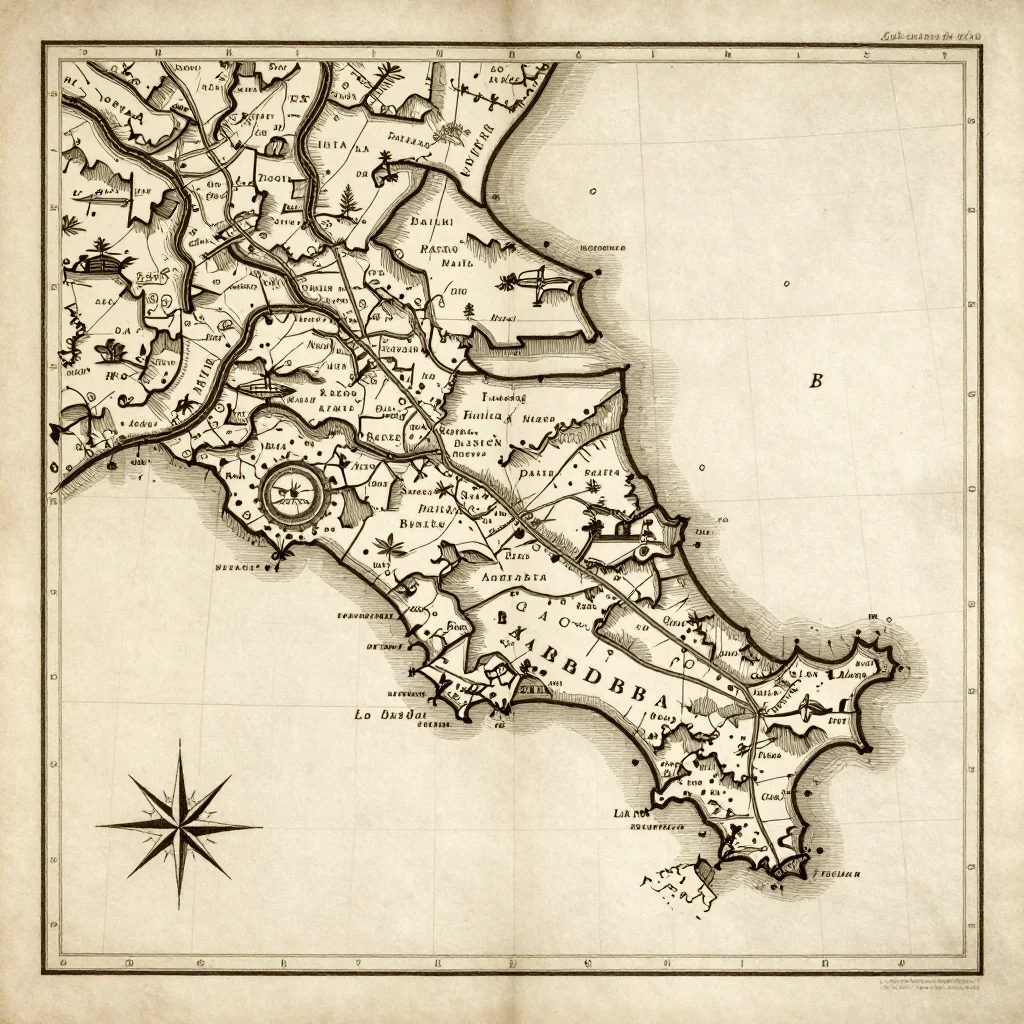
Barbados’s geography is a harmonious blend of natural diversity and human influence. From its highest peaks to its sandy beaches and vibrant coral reefs, the island’s terrain, climate, and landmarks create a unique Caribbean identity. Recognized in maps and atlases, Barbados’s geography not only defines its environment but also sustains its economy and culture, making it a compelling case study in small-island geographies. Whether exploring its hidden gullies or soaking in the sun along its shores, Barbados exemplifies the beauty and complexity of Caribbean ecosystems.