Belarus, a landlocked nation in Eastern Europe, holds significant geographic importance as a crossroads connecting major regions of the continent. Its fertile plains, dense forests, and strategic location have historically made it a hub for trade routes and cultural exchanges. This article explores Belarus’s geography, terrain, climate, and natural landmarks, offering insights into its diverse landscapes as depicted in maps and atlases.
Belarus’s Geography and Maps: A Crossroads of Eastern Europe
—
Geographic Location
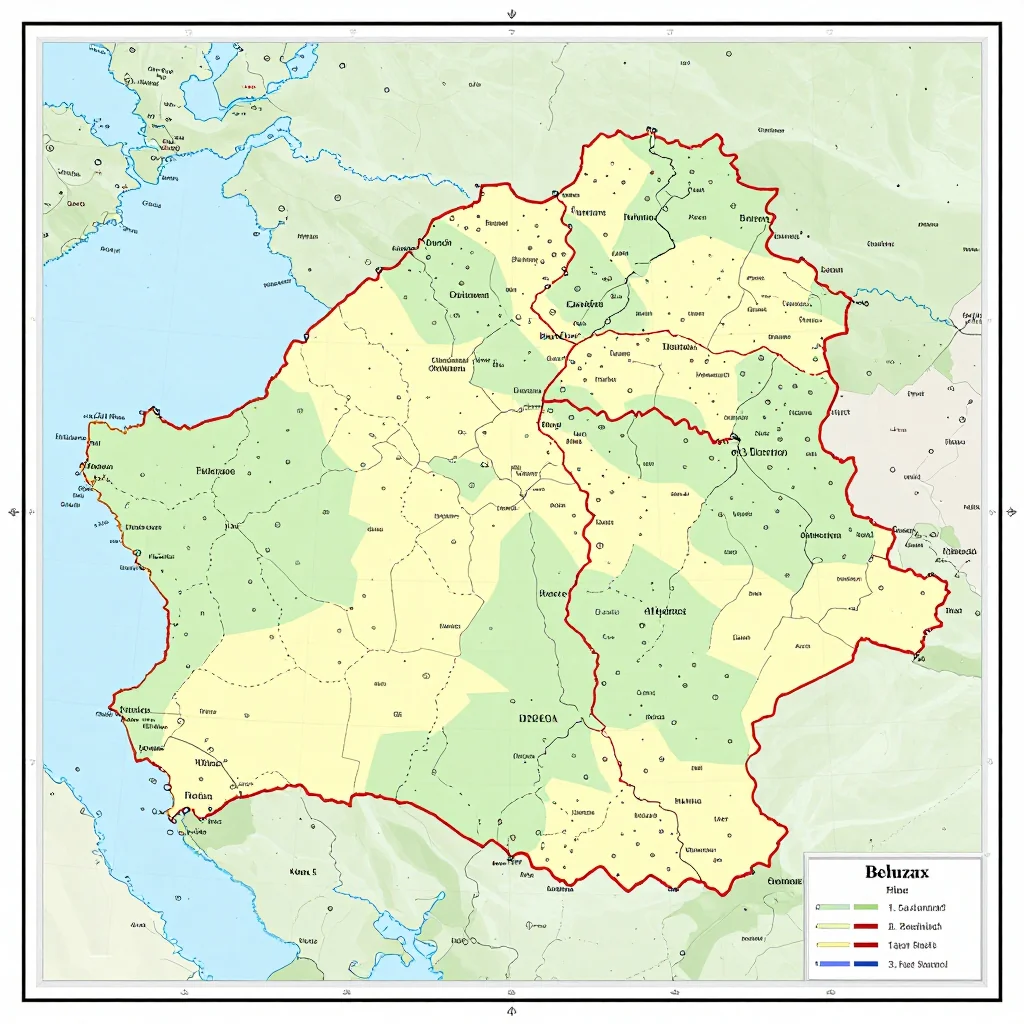
Belarus is situated in the heart of Eastern Europe, bordered by Russia to the northeast, Ukraine to the south, Poland to the west, Lithuania to the northwest, and Latvia to the north. Its coordinates are approximately 53°40′ North latitude and 27°30′ East longitude, covering a total area of 207,600 square kilometers—slightly smaller than Kansas. This central position makes Belarus a key transit country for transportation and energy infrastructure, such as oil and gas pipelines. —
Topography and Terrain
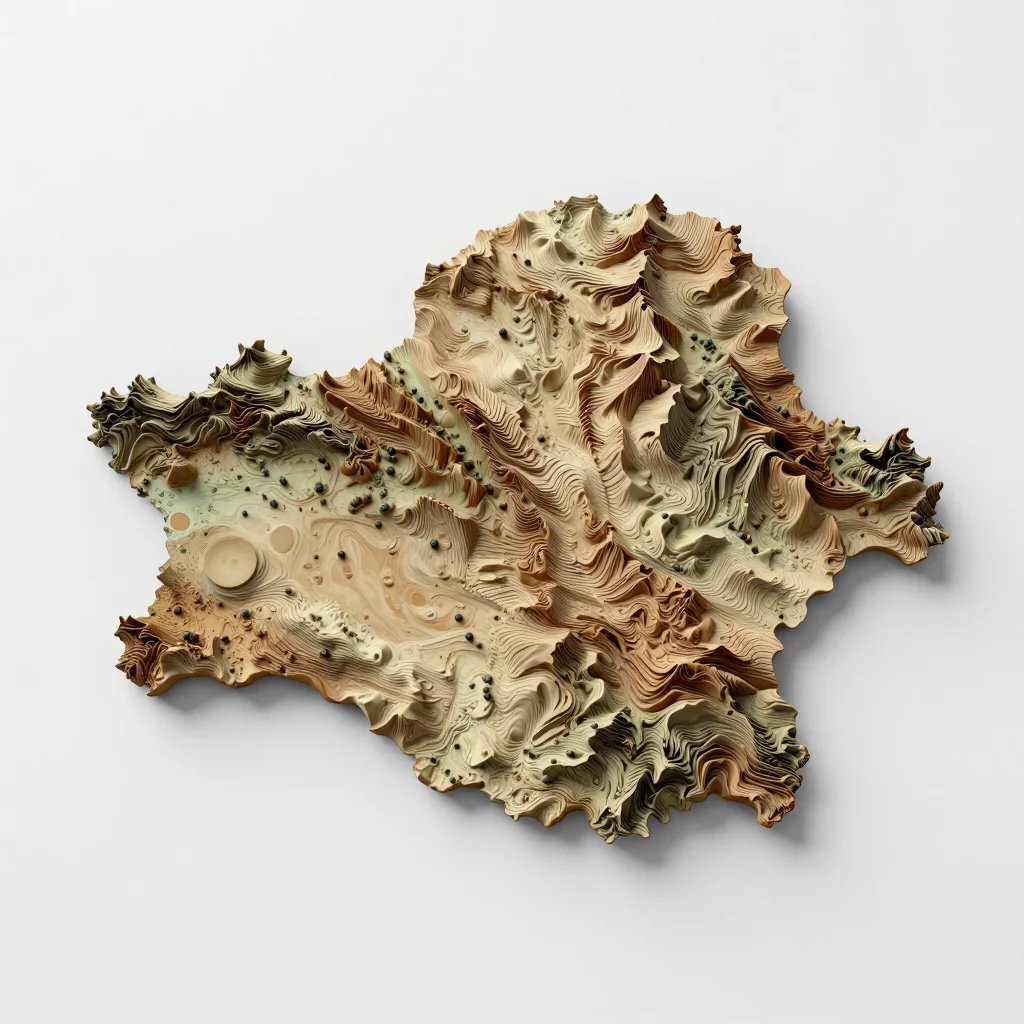
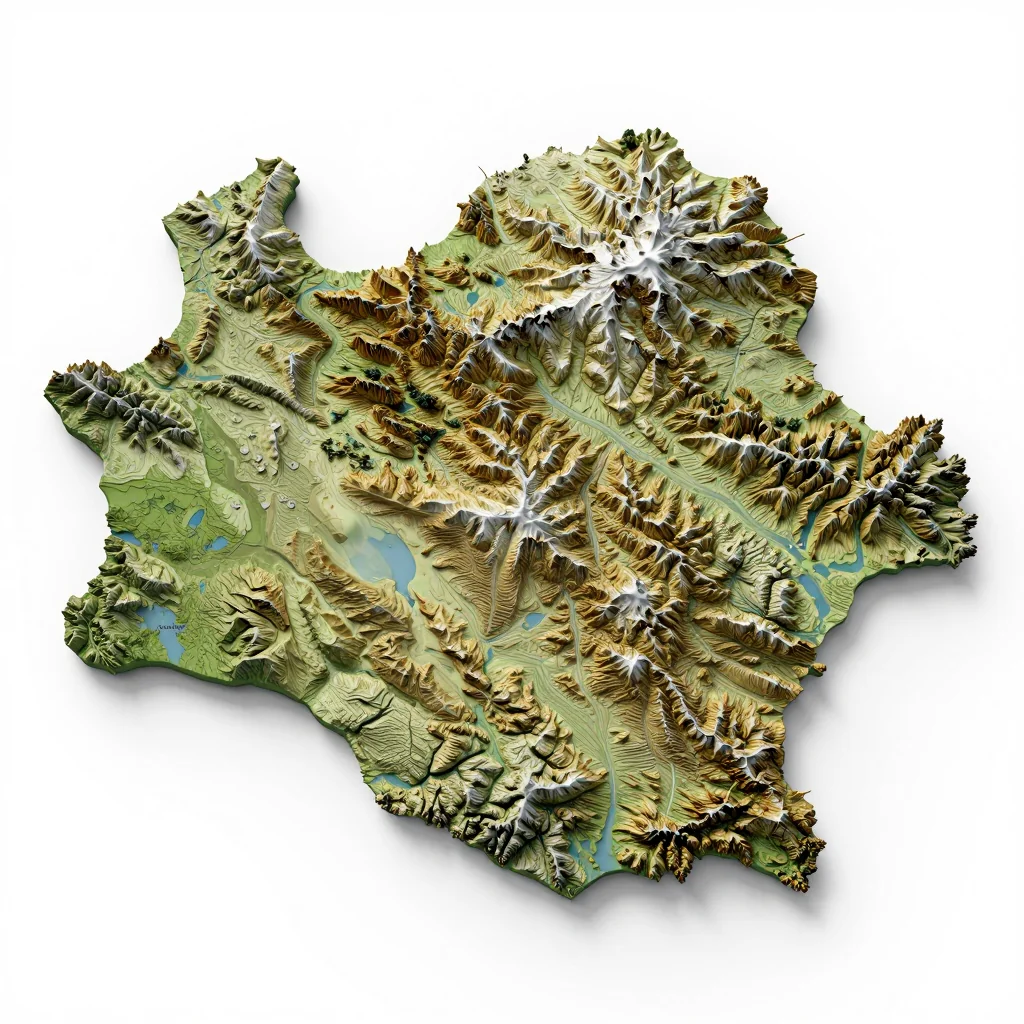
Despite its modest elevation, Belarus’s terrain is remarkably varied for a country without towering mountain ranges. The landscape is predominantly flat to gently rolling, with over 40% of the country covered by forests. The Dnieper River Basin dominates the central and southern regions, while the Pripyat Marshes—a vast wetland area in the south—form one of Europe’s largest peatlands. The highest point, Dzyarzhynskaya Hara (Dziarzhynskaya Hara), rises to 345 meters above sea level in the Ashmyany Upland of northeastern Belarus. The lowest elevation is near the Pripyat River at 100 meters. The country is divided into three primary regions: the Central Belarusian Ridge, the Polesie Lowland (including the Pripyat Marshes), and the North Belarusian Ridge, which features rolling hills and valleys. These varied elevations contribute to Belarus’s diverse ecosystems, from dense pine forests to marshes and farmland. —
Climate and Weather
Belarus experiences a humid continental climate, characterized by cold winters and warm summers. Seasonal variations are pronounced, with average winter temperatures dropping to -6°C (21°F) and summer highs reaching 19°C (66°F). Precipitation is moderate, averaging 550–700 mm annually, with heavier rainfall during late spring and early summer. The country’s climate supports rich biodiversity, although frequent frosts and occasional droughts can impact agriculture. Snow covers much of the landscape during winter, while spring brings thawing marshes that replenish rivers. The absence of coastal influences results in significant temperature fluctuations between seasons, typical of inland Eastern Europe. —
Major Cities and Regions
Belarus is divided into six administrative regions (*voblasts*), each with its capital city: 1. **Minsk Voblast** – Home to the capital, Minsk, a modern city blending Soviet architecture with contemporary developments. 2. **Brest Voblast** – Borders Poland and features historic sites like Brest Fortress. 3. **Vitebsk Voblast** – Known for its cultural heritage and proximity to the Daugava River. 4. **Gomel Voblast** – Located in the agricultural south, near the Pripyat Marshes. 5. **Grodno Voblast** – Close to Poland and Lithuania, with medieval towns like Grodno and Navahrudak. 6. **Mogilev Voblast** – A rural region with rolling hills and agricultural significance. Other notable cities include Borisov, a transportation hub, and Salihorsk, renowned for its health resorts. —
Natural Landmarks
Belarus’s natural wonders are showcased across its maps and atlases, from rivers to preserved forests: – **Pripyat Marshes**: A UNESCO Biosphere Reserve spanning 2.7 million hectares, teeming with wildlife and linked to the Chernobyl Exclusion Zone. – **Belovezhskaya Pushcha**: A UNESCO World Heritage Site and primeval forest shared with Poland (Białowieża Forest), home to European bison. – **Lakes of Braslav**: A cluster of over 40 crystal-clear lakes in northern Belarus, popular for eco-tourism. – **Narach Lake**: The largest lake in Belarus, surrounded by pine forests and national parks. – **Dnieper and Western Dvina Rivers**: Major waterways providing irrigation, hydroelectric power, and navigation routes. National parks like Braslav Lakes National Park and the Berezinsky Biosphere Reserve protect unique ecosystems, highlighting Belarus’s commitment to environmental conservation. —
Conclusion
Belarus’s geography, as mapped in its detailed atlases, reflects a nation of striking contrasts. From the flat, fertile plains ideal for agriculture to the dense, ancient forests and wetlands, the country’s varied terrain and climate support a rich biodiversity. Its central location has shaped its history as a crossroads of cultures and trade, while its natural landmarks underscore its ecological significance. Whether exploring Minsk’s urban landscape or trekking through the Belovezhskaya Pushcha, Belarus offers a geographic tapestry that captivates both locals and visitors.