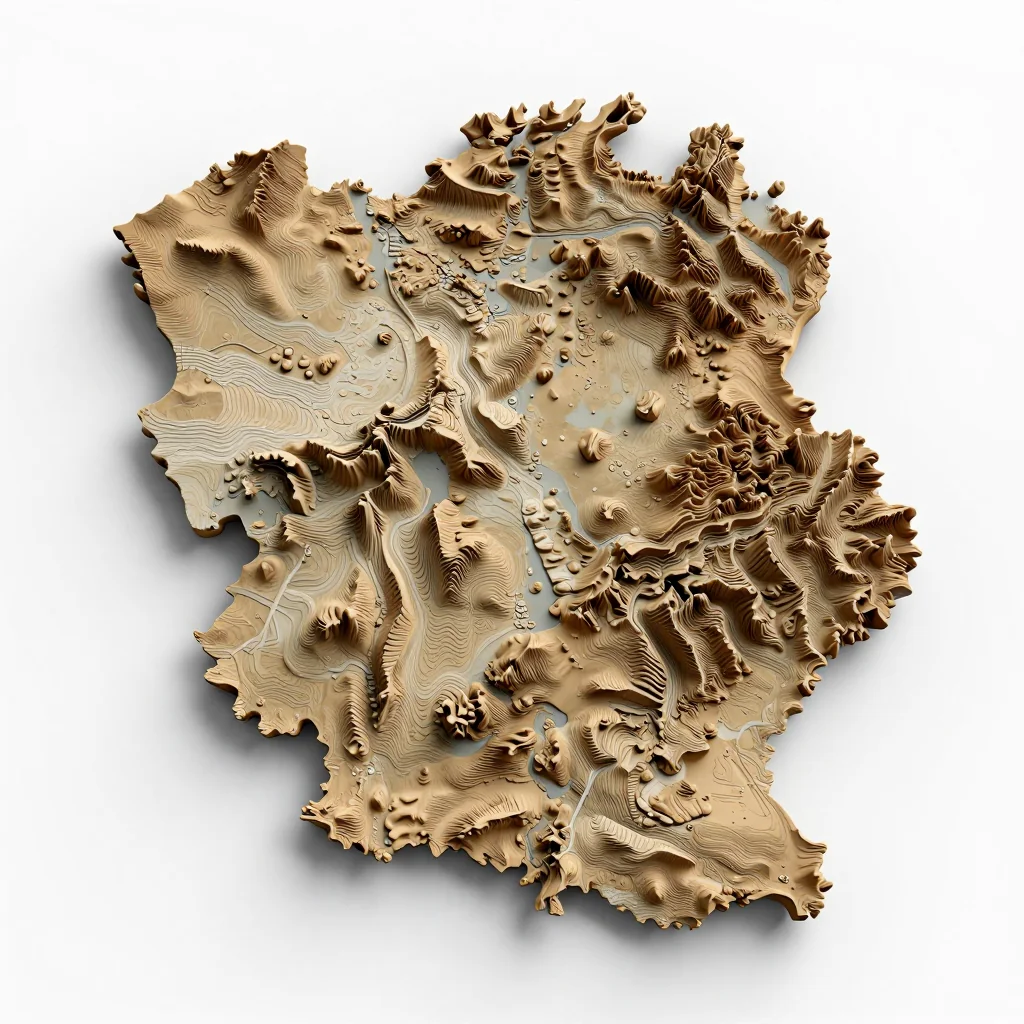
Belgium, a small yet geographically significant nation in Western Europe, occupies a pivotal position at the crossroads of major European regions. Its compact size belies its rich diversity in terrain, climate, and cultural regions, making it a microcosm of Europe’s varied landscapes and a vital hub for trade and diplomacy.
**Geographic Location**
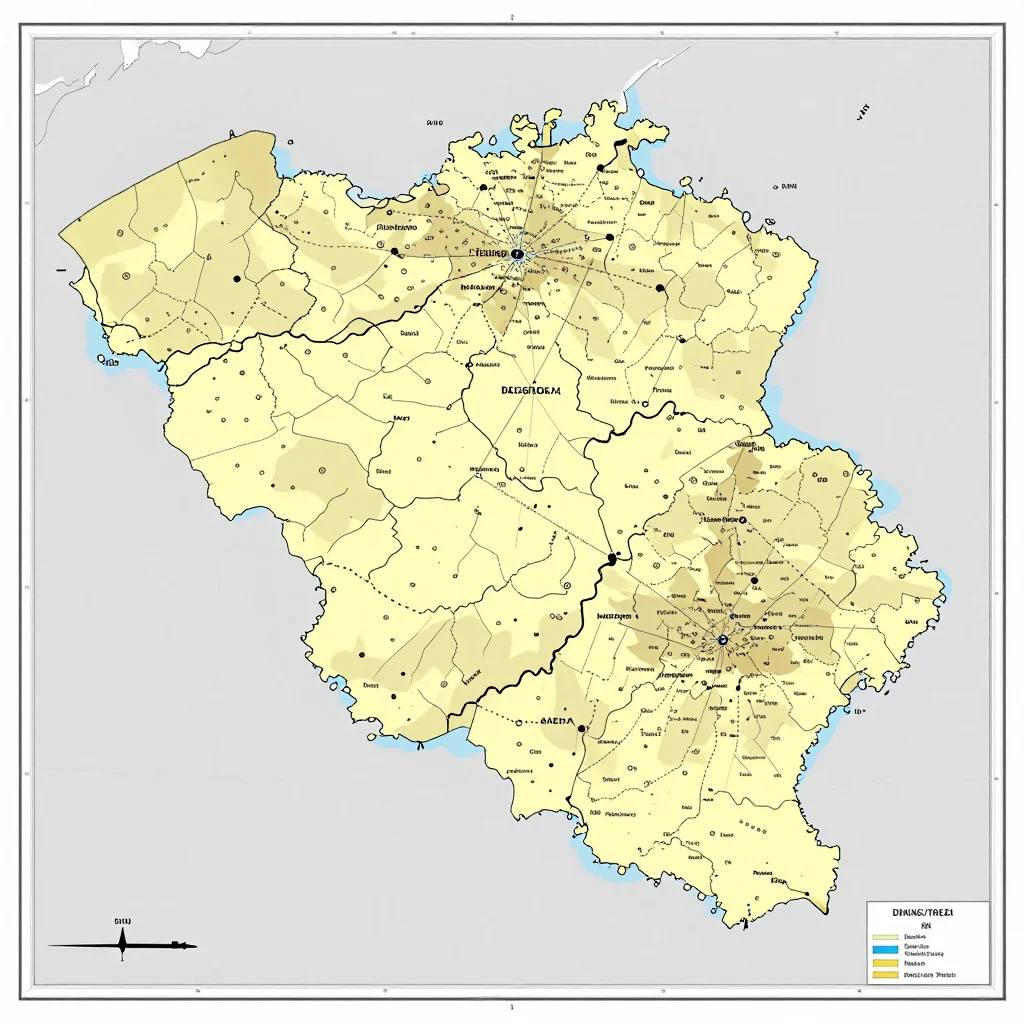
Belgium is located in Western Europe, bordered by the Netherlands to the north, Germany and Luxembourg to the east, France to the south, and the North Sea to the west. Its coordinates are approximately 50°30′ North latitude and 4°0′ East longitude, covering an area of about 30,528 square kilometers (11,787 square miles). This strategic location has historically made Belgium a transit point for goods and ideas between Northern and Southern Europe.
**Topography And Terrain**
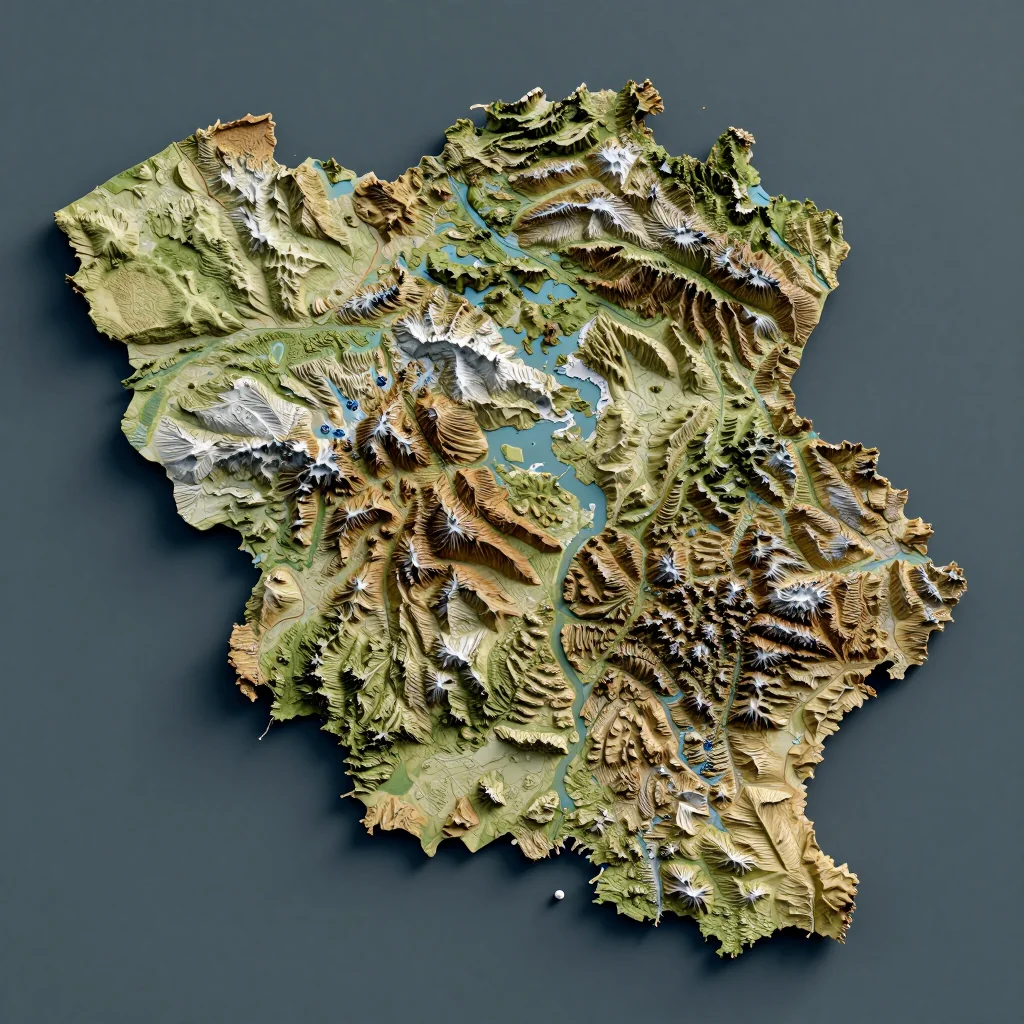
Belgium’s terrain is characterized by contrast. The Ardennes region in the southeast is a rugged, forested upland with hills reaching elevations of over 600 meters, culminating in the country’s highest peak, Signal de Botrange (694 meters). Moving westward, the central and coastal plains dominate, featuring fertile valleys like the Campine and the Haine Valley. The coastal lowlands near the North Sea are flat and often below sea level, protected by dikes. The elevation drops sharply from the Ardennes to the flat Flemish lowlands in the north, creating a landscape of striking vertical and horizontal diversity.
**Climate And Weather**
Belgium experiences a temperate maritime climate, influenced by the North Sea and Atlantic winds. Winters are mild and wet, with occasional frost, while summers are cool to moderately warm, rarely exceeding 25°C (77°F). Precipitation is evenly distributed year-round, leading to lush greenery. Seasonal variations are pronounced: spring brings vibrant blooms, autumn displays colorful foliage, and winter rains replenish rivers and streams. The weather is often cloudy, with sudden changes typical of maritime climates.
**Major Cities And Regions**
Belgium is divided into three administrative regions: Flanders (Dutch-speaking), Wallonia (French-speaking), and the bilingual Brussels-Capital Region. Major cities include Brussels, the EU’s de facto capital and a multicultural metropolis; Antwerp, a port city renowned for fashion and art; and Ghent, a medieval gem in Flanders. In Wallonia, Liège and Charleroi are industrial centers, while Namur sits at the confluence of the Meuse and Sambre rivers. The coastal city of Ostend offers maritime charm, while Bruges, a UNESCO site, captures medieval elegance.
**Natural Landmarks**
Belgium’s natural wonders highlight its geographic diversity. The Meuse and Scheldt rivers carve valleys, with the latter flowing through Antwerp’s port. The Hoge Kempen National Park in Limburg features heathlands and forests, while the Ardennes hosts dense woodlands and rivers like the Ourthe. The Liège Caves (Grotte de Han) offer subterranean marvels, and the Zwin Nature Reserve on the coast protects tidal flats and bird habitats. The dunes of De Panne and the white cliffs of Koksijde are coastal highlights.
**Conclusion**
Belgium’s geography, captured vividly in its maps and atlases, reflects a land of sharp contrasts—from the rugged Ardennes to the flat Flemish lowlands, and from the bustling Brussels to serene coastal reserves. This diversity shapes its cultural identity, economic vitality, and ecological richness, underscoring its role as a microcosm of Europe’s natural and human landscapes. Whether traversing its terrain or studying its maps, Belgium reveals the beauty of its geographic complexity.