Belize’s geography is a tapestry of tropical biodiversity, ancient Mayan ruins, and vibrant Caribbean waters, making it one of Central America’s most captivating destinations. A Belize map reveals everything from its mountainous interior to its barrier reef teeming with marine life. This article dives into Belize’s physical features, political divisions, and historical cartography, providing a comprehensive guide to its landscapes. Whether you’re a traveler, researcher, or geography enthusiast, you’ll gain insights into how Belize’s terrain, climate, and culture intertwine. Supported by expert analysis and accurate data, this resource ensures you understand Belize’s geographic significance—from its borders with Mexico and Guatemala to its capital city, Belmopan. Let’s explore the wonders of Belize through its maps.
📋 Table of Contents
[Physical Geography Map of Belize](#physical)
[Satellite View of Belize from Space](#satellite)
[Topographic Relief Map of Belize](#topographic)
[Political Map of Belize – Administrative Boundaries](#political)
[Street Map of Belize – Road Network](#street)
[Historical Vintage Map of Belize](#vintage)
[3D Isometric Topographic Map of Belize](#3d)
[Futuristic Cyberpunk Map of Belize](#cyberpunk)
[Isometric Tourist Map of Belize](#tourist)
INTRODUCTION
Belize’s geography is a tapestry of tropical biodiversity, ancient Mayan ruins, and vibrant Caribbean waters, making it one of Central America’s most captivating destinations. A Belize map reveals everything from its mountainous interior to its barrier reef teeming with marine life. This article dives into Belize’s physical features, political divisions, and historical cartography, providing a comprehensive guide to its landscapes. Whether you’re a traveler, researcher, or geography enthusiast, you’ll gain insights into how Belize’s terrain, climate, and culture intertwine. Supported by expert analysis and accurate data, this resource ensures you understand Belize’s geographic significance—from its borders with Mexico and Guatemala to its capital city, Belmopan. Let’s explore the wonders of Belize through its maps. —
🗺️ Physical Geography Map of Belize
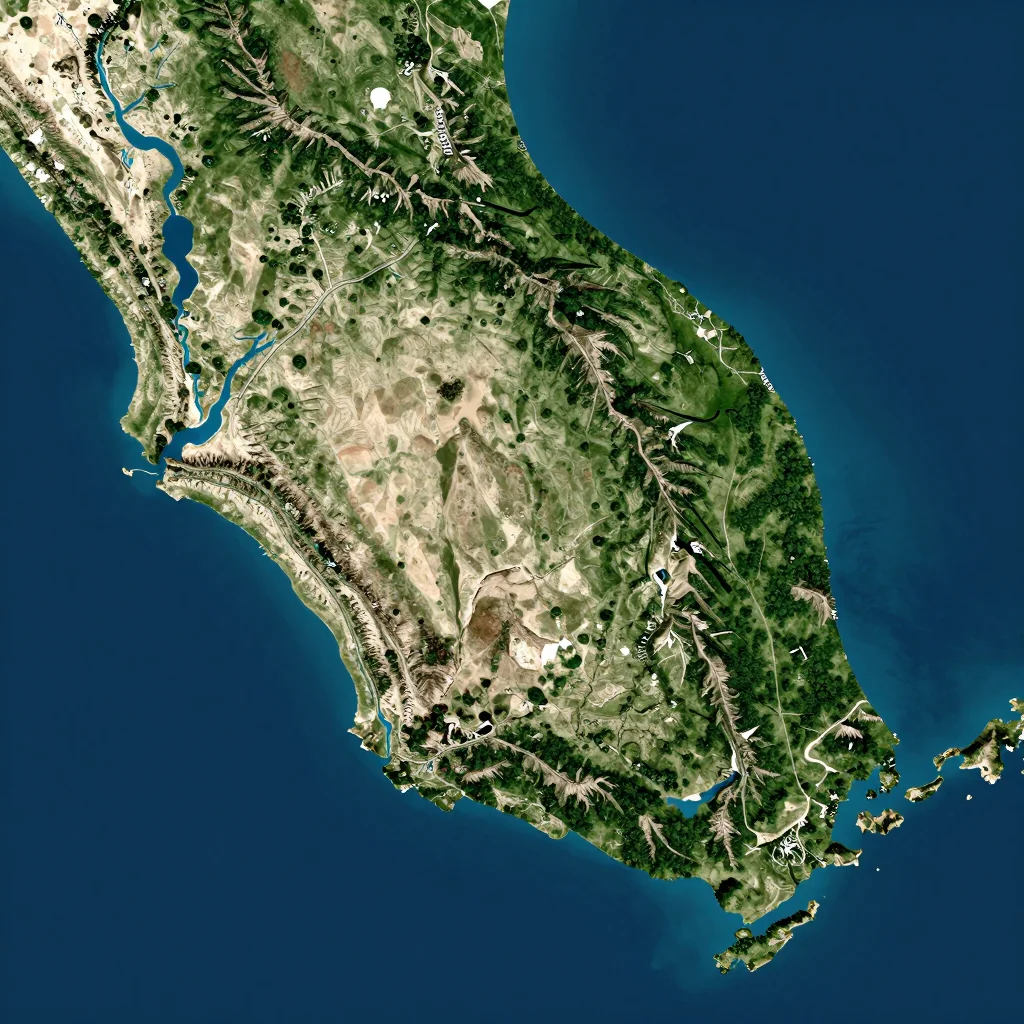
Physical Geography Map of Belize
Belize’s physical geography is a study in contrasts. The country stretches 176 miles (283 km) along the Caribbean Sea, with its western borders hugging the Maya Mountains and the Guatemalan highlands. The **physical map** highlights dense rainforests in the Cayo District, home to the Maya Mountains, which dominate the southern half of the country. These peaks, including Doyle’s Delight (2,764 ft/843 m), contribute to Belize’s rugged **terrain**, while the northern lowlands feature vast wetlands like the Belize River Valley and lagoons. The **Belize River**, the longest in the country at 180 miles (290 km), winds through the landscape, supporting agriculture and eco-tourism. Coastal areas boast mangrove forests and coral reefs, including the UNESCO-protected Belize Barrier Reef. **Topography** maps also show limestone shelves beneath the coastal plains, creating sinkholes like the famous Blue Hole and subterranean caves in the Cayo district. This **Belize atlas** layout underscores how physical features shape ecosystems, from tropical jungles to marine reserves. —
🗺️ Satellite View of Belize from Space
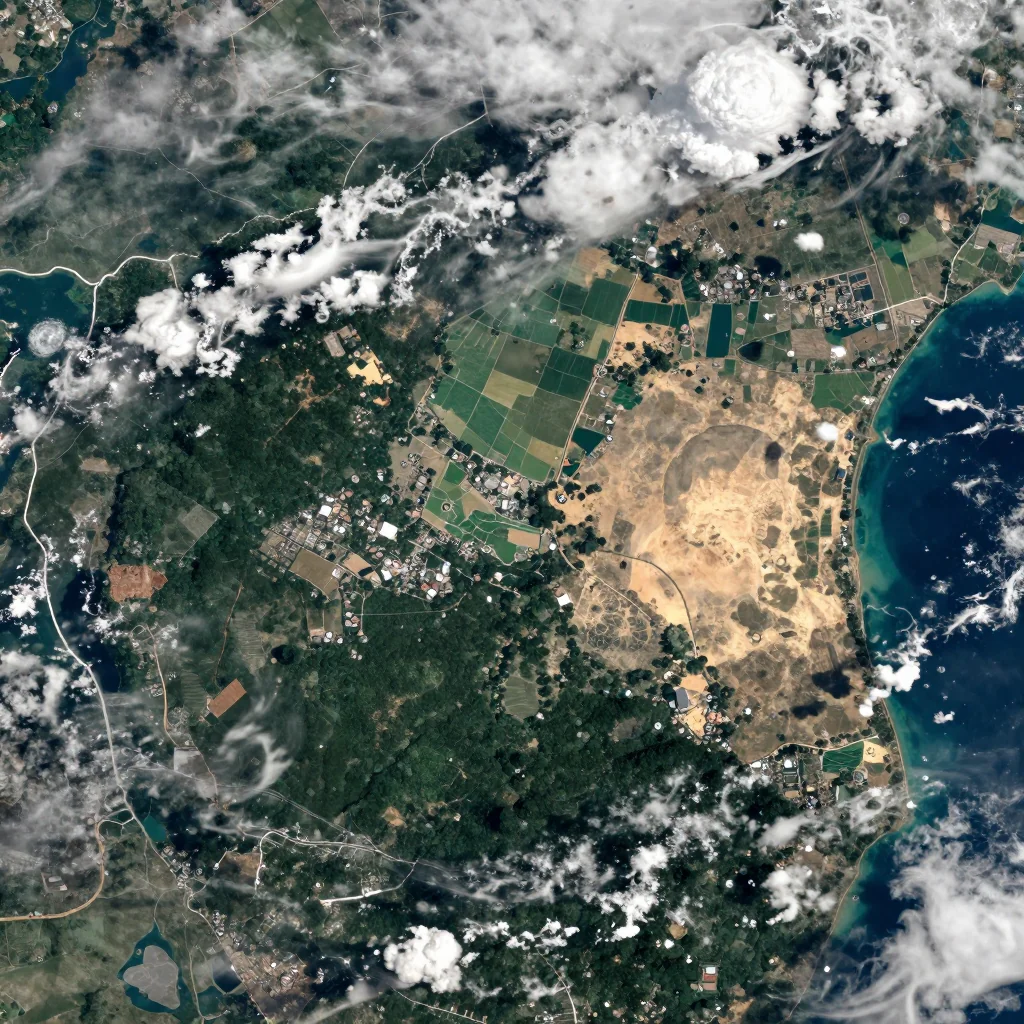
Satellite View of Belize from Space
A **satellite view** of Belize offers a bird’s-eye perspective of its geography. The Caribbean coastline’s turquoise waters contrast sharply with the deep green canopy of the Maya Mountains. Cities like Belize City, the largest urban center, appear as clusters of gray rooftops along the eastern edge. In contrast, the northern lowlands showcase vast agricultural fields in a checkerboard pattern, while the western border with Guatemala is marked by denser forests. Satellite imagery also reveals the Belize Barrier Reef’s skeletal outline, a UNESCO World Heritage Site stretching 185 miles (300 km). The Placencia Peninsula protrudes like a finger into the Caribbean, while Lake Amatique, a brackish lagoon near Punta Gorda, stands out as a lighter blue patch. This **land cover analysis** helps track deforestation in critical habitats like the Chiquibul Forest Reserve, home to the Maya Biosphere Reserve. —
🗺️ Topographic Relief Map of Belize
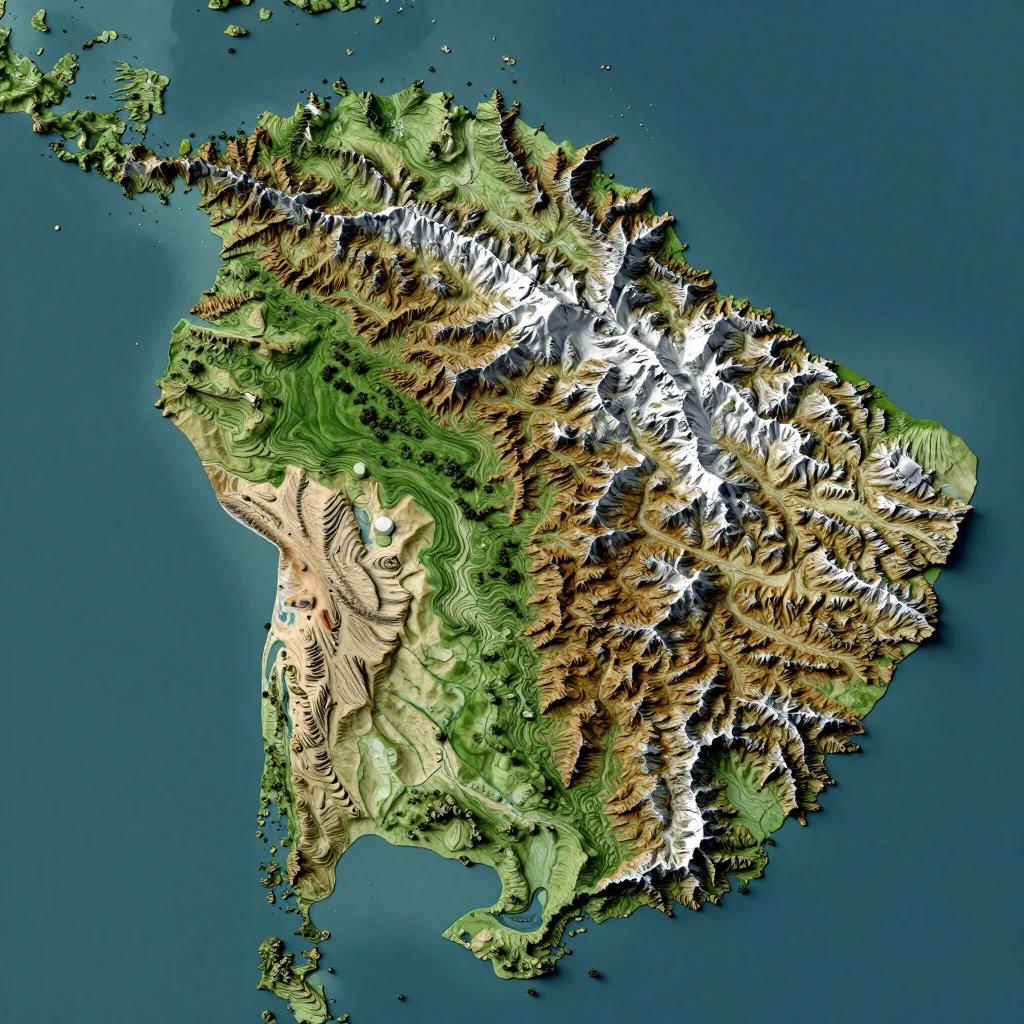
Topographic Relief Map of Belize
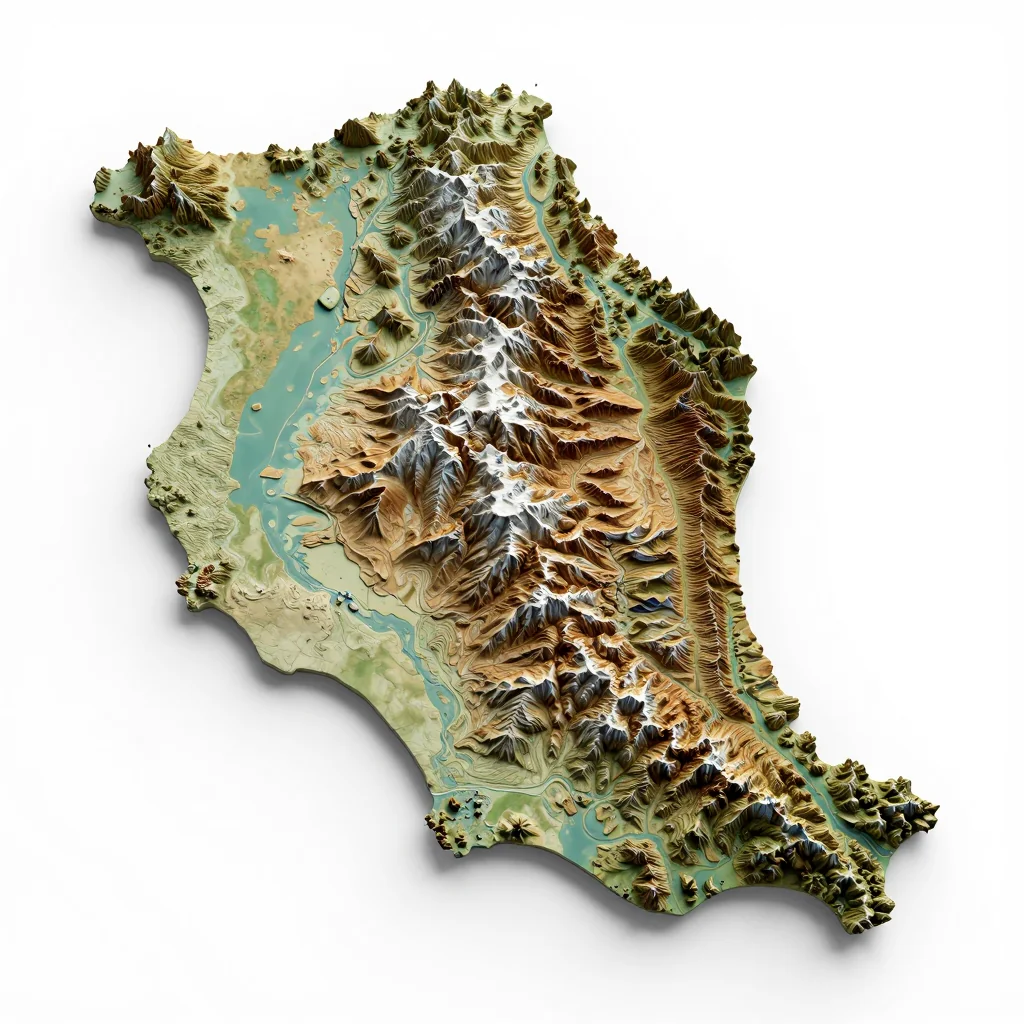
Belize’s **topographic maps** use contour lines to illustrate elevation changes, from sea level at the coast to the Maya Mountains’ peaks. The country’s highest point, Doyle’s Delight, rises in the Cockscomb Basin Wildlife Sanctuary, a jaguar preserve. The **elevation** gradient descends eastward, forming rivers that drain into the Caribbean, such as the Macal River (a tributary of the Belize River). The northern coastal plain, flat and less than 100 ft (30 m) high, is ideal for citrus and banana plantations. Contrast this with the Mountain Pine Ridge Forest Reserve, where limestone karst formations create jagged hills and caves. These **relief** patterns influence climate zones: the mountains block rain clouds, creating a rain shadow effect in the western lowlands. —
🗺️ Political Map of Belize – Administrative Boundaries
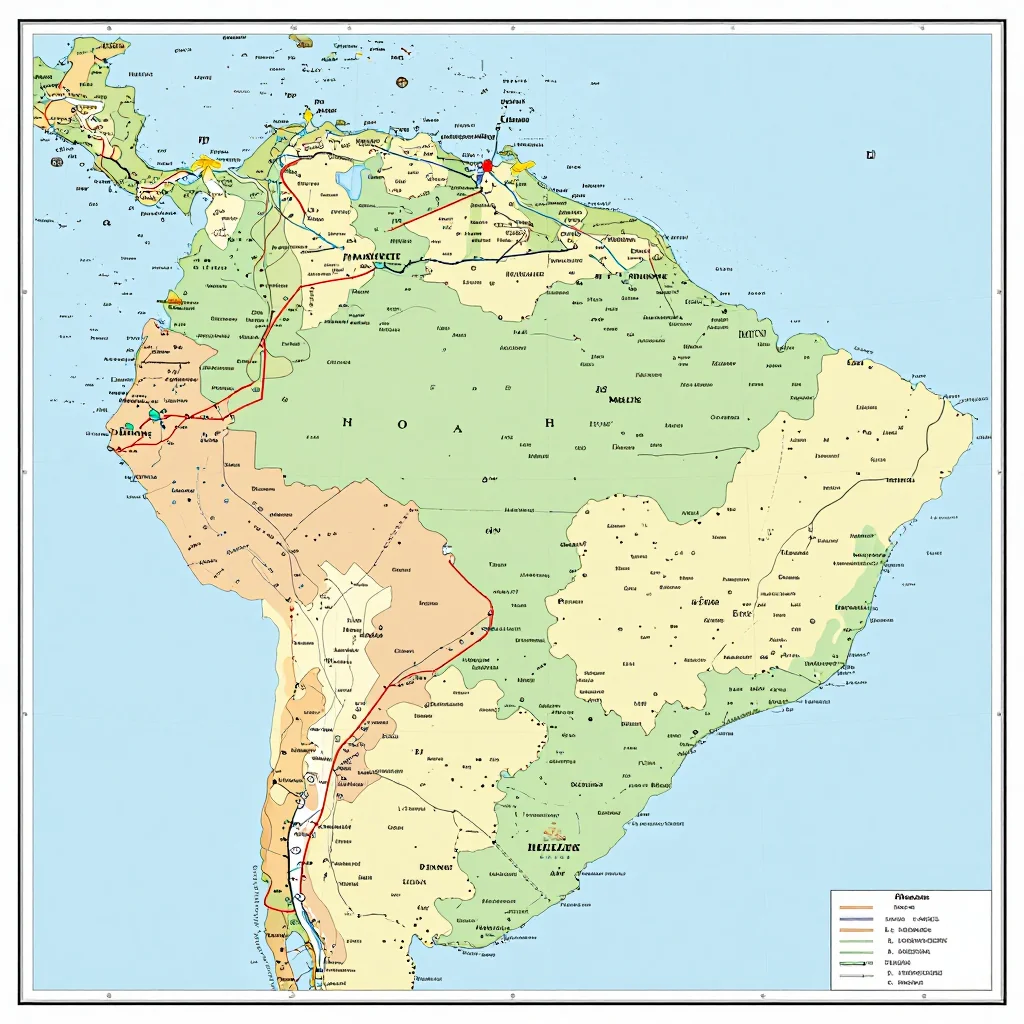
Political Map of Belize – Administrative Boundaries
Belize’s **political map** divides the country into six districts: Belize, Cayo, Orange Walk, Corozal, Stann Creek, and Toledo. The capital city, **Belmopan** (pop. ~15,000), is centrally located in Cayo District, inland from the hurricane-prone coast. This strategic shift from Belize City as the former capital is reflected in the administrative divisions. International **borders** with Mexico (north) and Guatemala (west/south) are demarcated, though disputes over Guatemala’s historical claims occasionally surface. The political map also shows municipal boundaries, like San Ignacio in Cayo, a hub for adventure tourism. This layout aids governance, with each district managing resources like protected areas (e.g., the Community Baboon Sanctuary in Stann Creek). —
🗺️ Street Map of Belize – Road Network
Street Map of Belize – Road Network
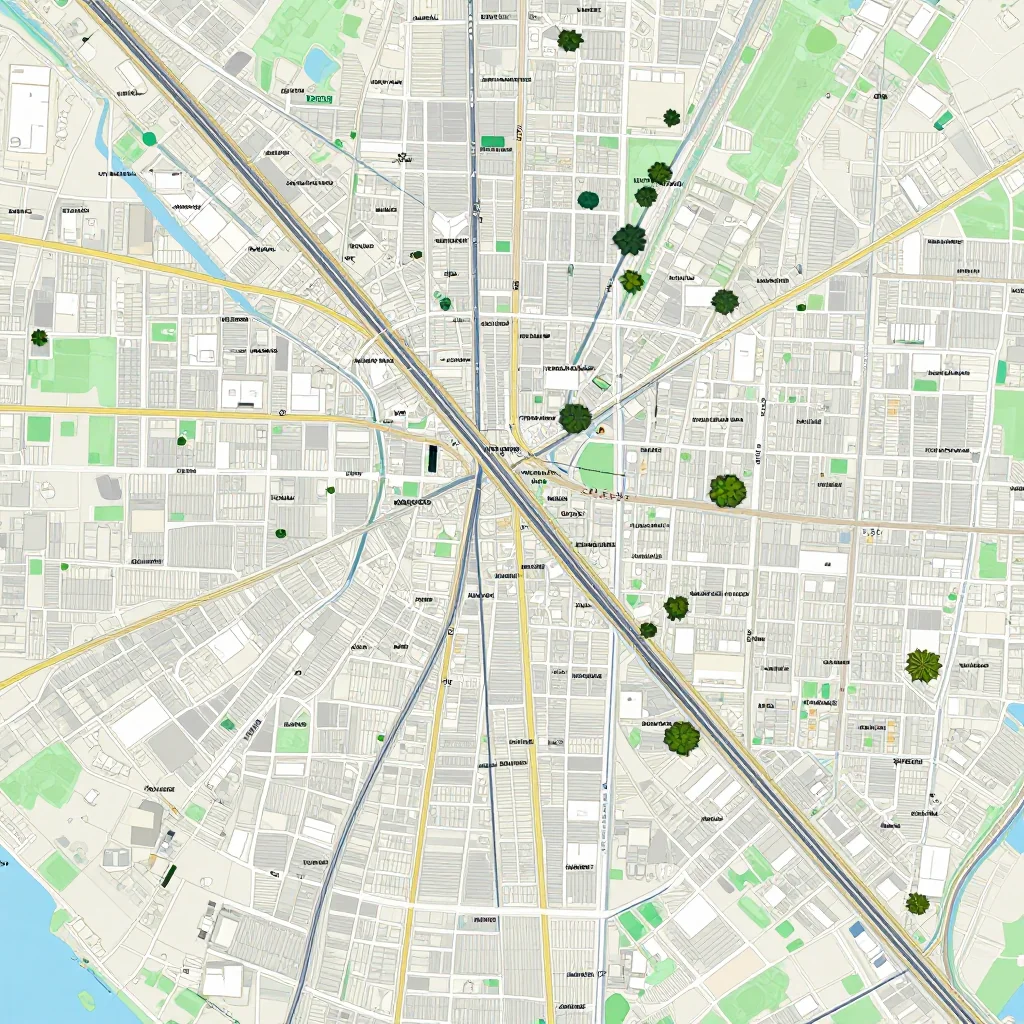
Belize’s **road network** is vital for connecting rural communities and tourists. The Pan-American Highway runs north-south, linking Belmopan to Corozal. The winding Western Highway to Cayo offers views of the Mountain Pine Ridge. However, many roads remain unpaved, especially in the south, where vehicles must traverse rocky terrain near Punta Gorda. Urban centers like Belize City have grid layouts, while coastal towns such as San Pedro (on Ambergris Caye) depend on ferries. The **transportation** infrastructure highlights Belize’s reliance on a mix of modern highways and traditional routes, reflecting its **urban planning** challenges and rural lifestyles. —
🗺️ Historical Vintage Map of Belize – Antique Cartography
Historical Vintage Map of Belize
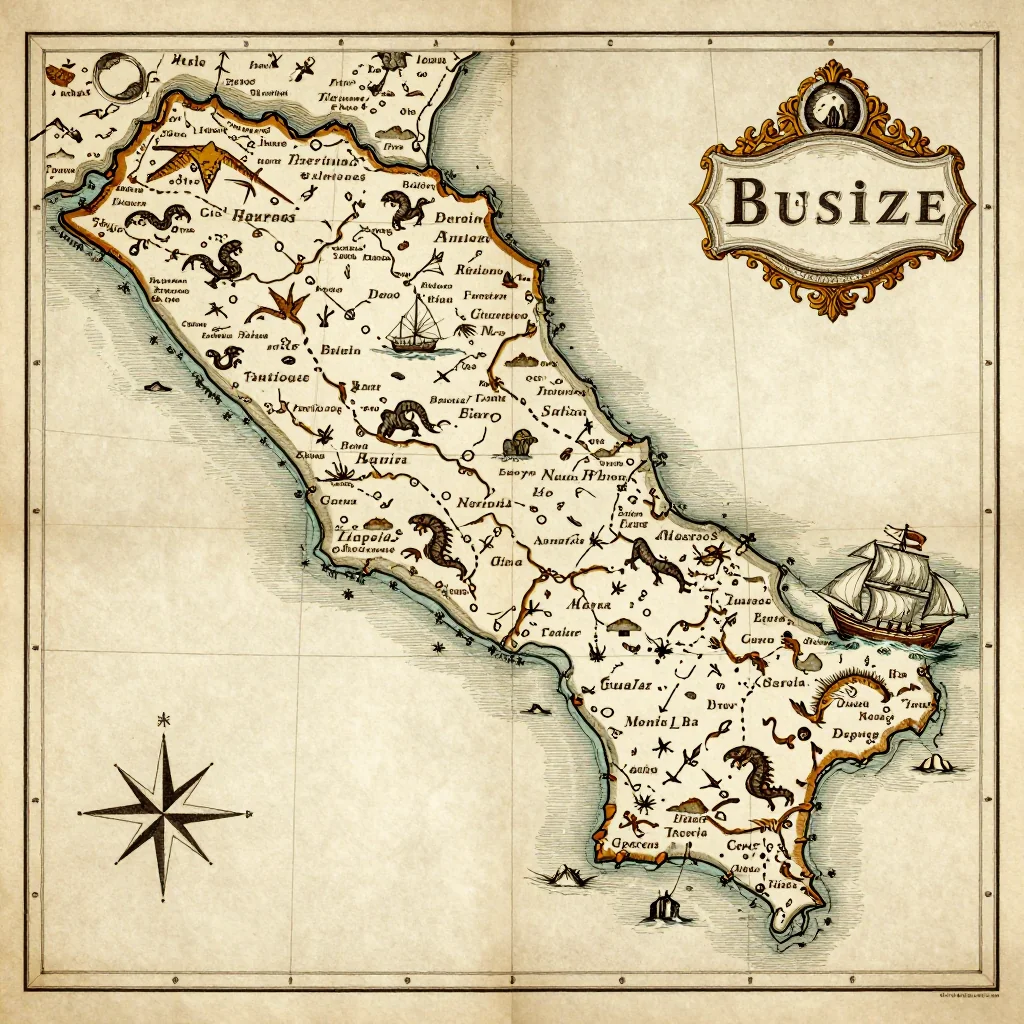
Vintage maps of Belize (formerly British Honduras) reveal colonial-era cartography. Early 19th-century maps labeled the region as “British Settlement on the Bay of Honduras,” with hand-drawn details of forts and ports. The 1850s saw improved accuracy, showing the Belize River as a lifeline for logging industries that defined the economy. Indigenous names, like “Yalbac” (now Cayo), appear on older maps, showcasing pre-colonial heritage. These **historical maps** also note British naval bases and trade routes, illustrating how geopolitical interests shaped Belize’s borders. Such **antique cartography** provides a window into the country’s colonial past. —
🗺️ 3D Isometric Topographic Map of Belize
3D Isometric Topographic Map of Belize
A **3D topographic map** enhances comprehension of Belize’s elevation. Users can rotate the digital model to see how the Maya Mountains rise from the lowlands, or trace the Belize River’s path. This visualization aids geologists studying limestone deposits or hikers planning trails in Cockscomb Basin. The isometric view also dramatizes coastal elevation drops, emphasizing vulnerability to rising sea levels. Such tools are critical for urban planners in flood-prone areas like Dangriga. —
🗺️ Futuristic Cyberpunk Map of Belize
Futuristic Cyberpunk Map of Belize
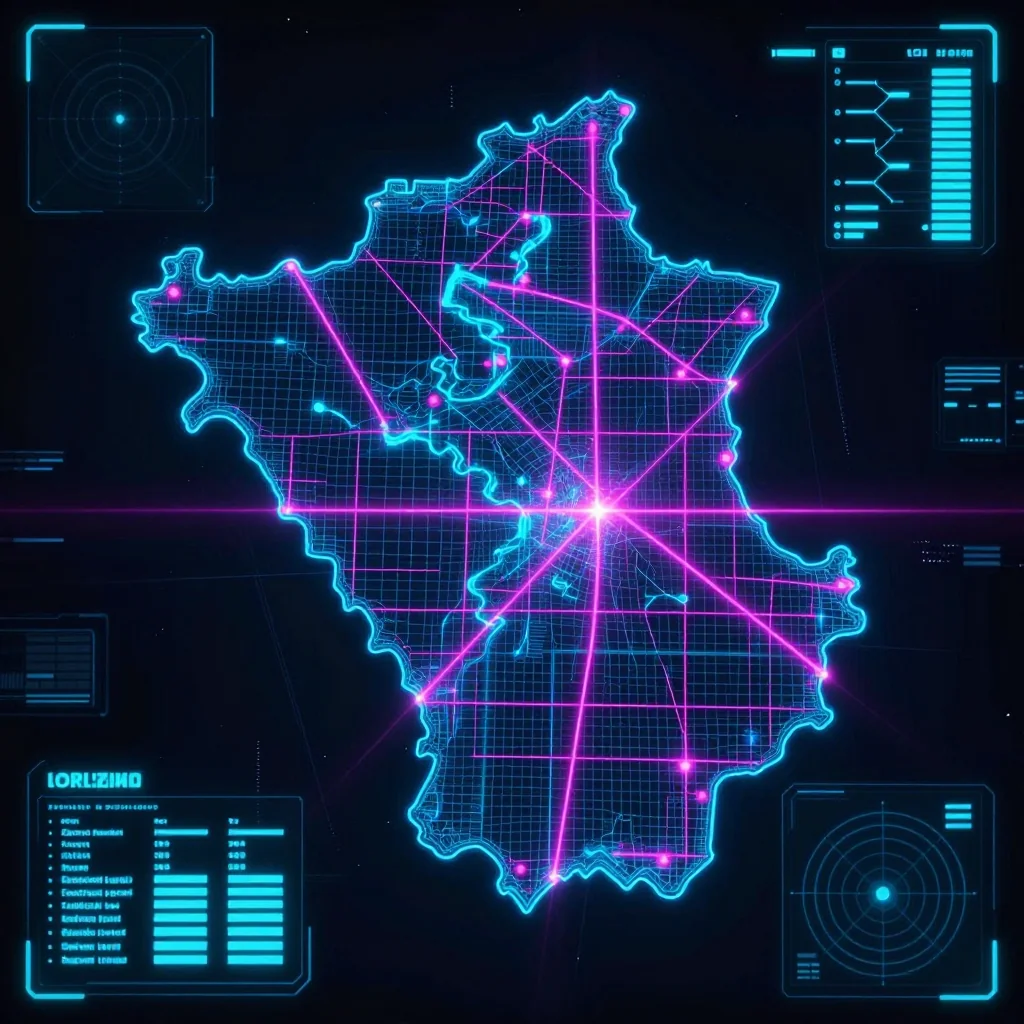
A **cyberpunk map** reimagines Belize with neon-lit cities and holographic overlays. While speculative, it might highlight eco-tech initiatives, such as solar-powered resorts or drone ports in Ambergris Caye. This **futuristic visualization** could map potential developments like smart grid systems or underwater research stations near the Blue Hole. —
🗺️ Isometric Tourist Map of Belize – Flat Design
Isometric Tourist Map of Belize
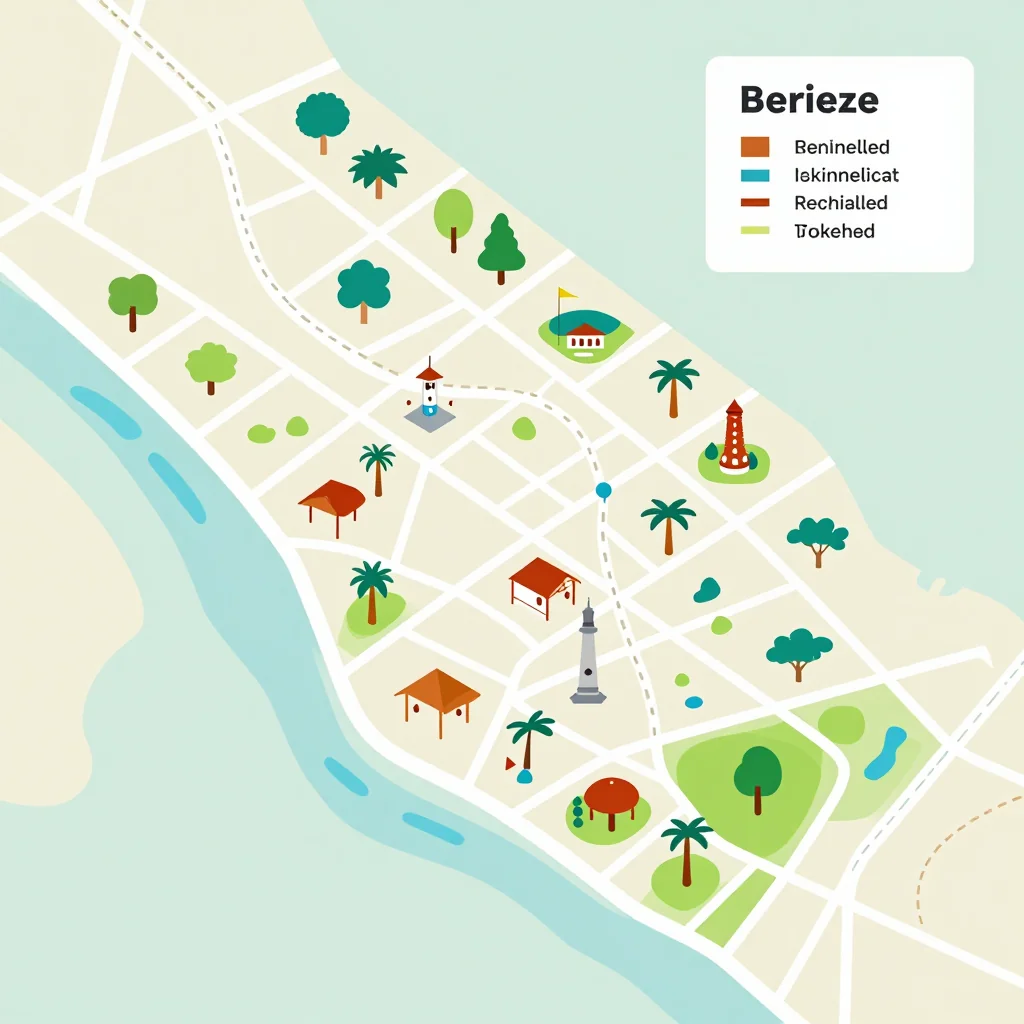
A **tourist map** tags attractions like the Great Blue Hole, Actun Tunichil Muknal (ATM) Cave, and Xunantunich Mayan ruins. Icons denote eco-lodges, zip-lining in the Barton Creek Cave, and snorkeling sites. This map guides travelers to UNESCO sites (Lamanai, Caracol) and cultural hubs like San Pedro’s markets. —
CONCLUSION
Belize’s geography, from its coral reefs to mountain forests, is best understood through its **Belize map** variants. Whether exploring topography, political divisions, or tourist routes, these maps reveal a nation shaped by nature and history. Use them to plan adventures or study this Central American gem’s unique ecosystems and cultural heritage. Ready to dive deeper? Explore our guides on Belize’s eco-tourism hotspots or Mayan archaeological sites next! —
To provide the best experiences, we use technologies like cookies to store and/or access device information. Consenting to these technologies will allow us to process data such as browsing behavior or unique IDs on this site. Not consenting or withdrawing consent, may adversely affect certain features and functions.
Functional
Always active
The technical storage or access is strictly necessary for the legitimate purpose of enabling the use of a specific service explicitly requested by the subscriber or user, or for the sole purpose of carrying out the transmission of a communication over an electronic communications network.
Preferences
The technical storage or access is necessary for the legitimate purpose of storing preferences that are not requested by the subscriber or user.
Statistics
The technical storage or access that is used exclusively for statistical purposes.The technical storage or access that is used exclusively for anonymous statistical purposes. Without a subpoena, voluntary compliance on the part of your Internet Service Provider, or additional records from a third party, information stored or retrieved for this purpose alone cannot usually be used to identify you.
Marketing
The technical storage or access is required to create user profiles to send advertising, or to track the user on a website or across several websites for similar marketing purposes.