
Nestled in the heart of southern Albania, Berat is a captivating city known as the “City of a Thousand Windows” due to its striking Ottoman-era houses that cling to the hillsides like white blossoms. A blend of history, culture, and natural beauty, Berat offers a journey through centuries of Albanian heritage. This Berat city guide highlights its unique attractions, strategic location, and rich cultural tapestry, making it a must-visit destination in the Balkans.
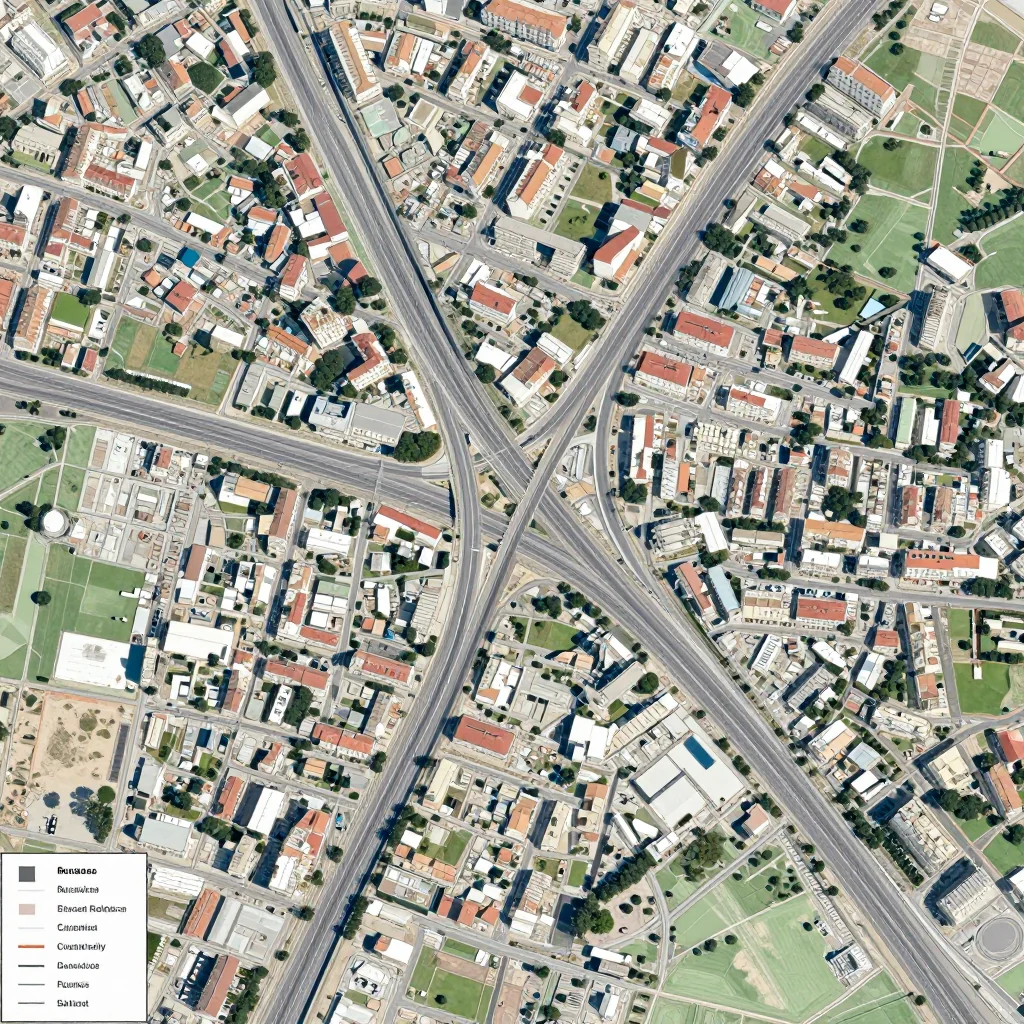
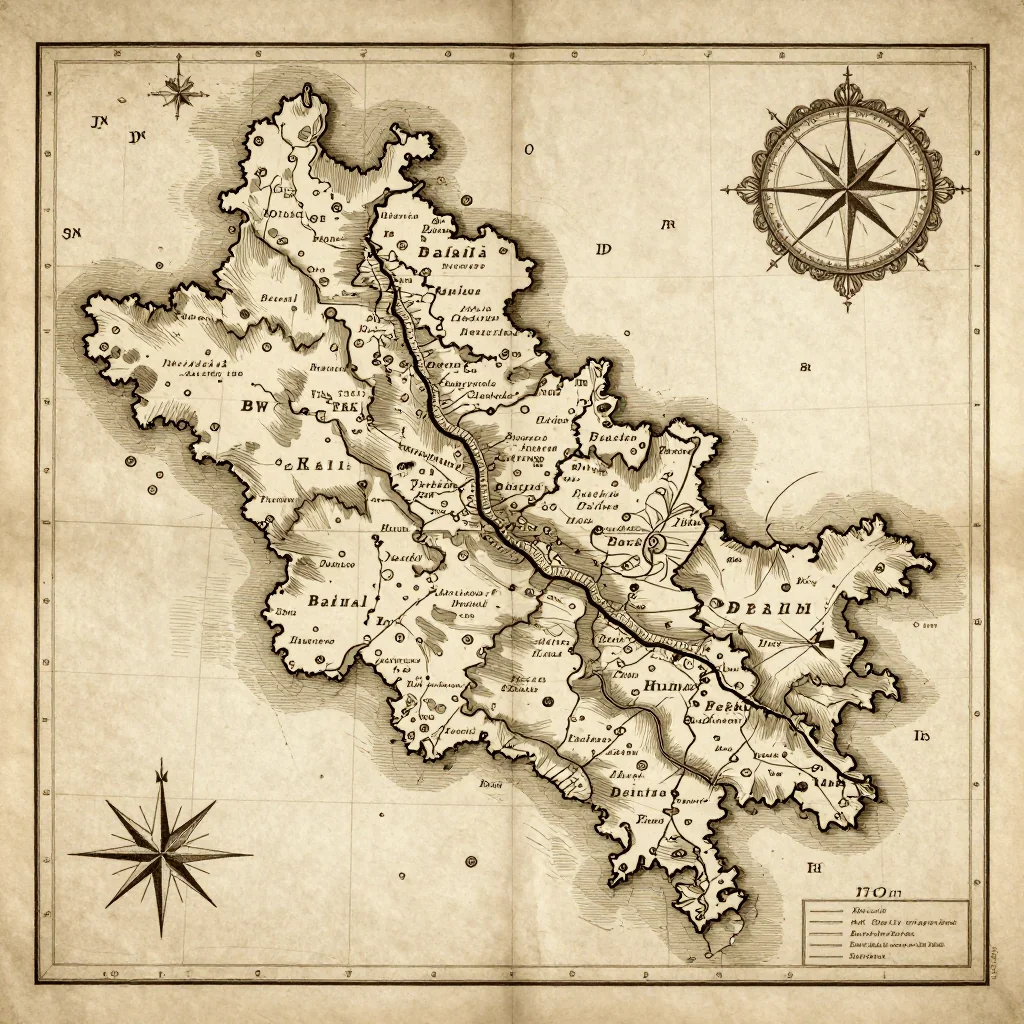
Map Gallery – 8 Styles

Location and Geography
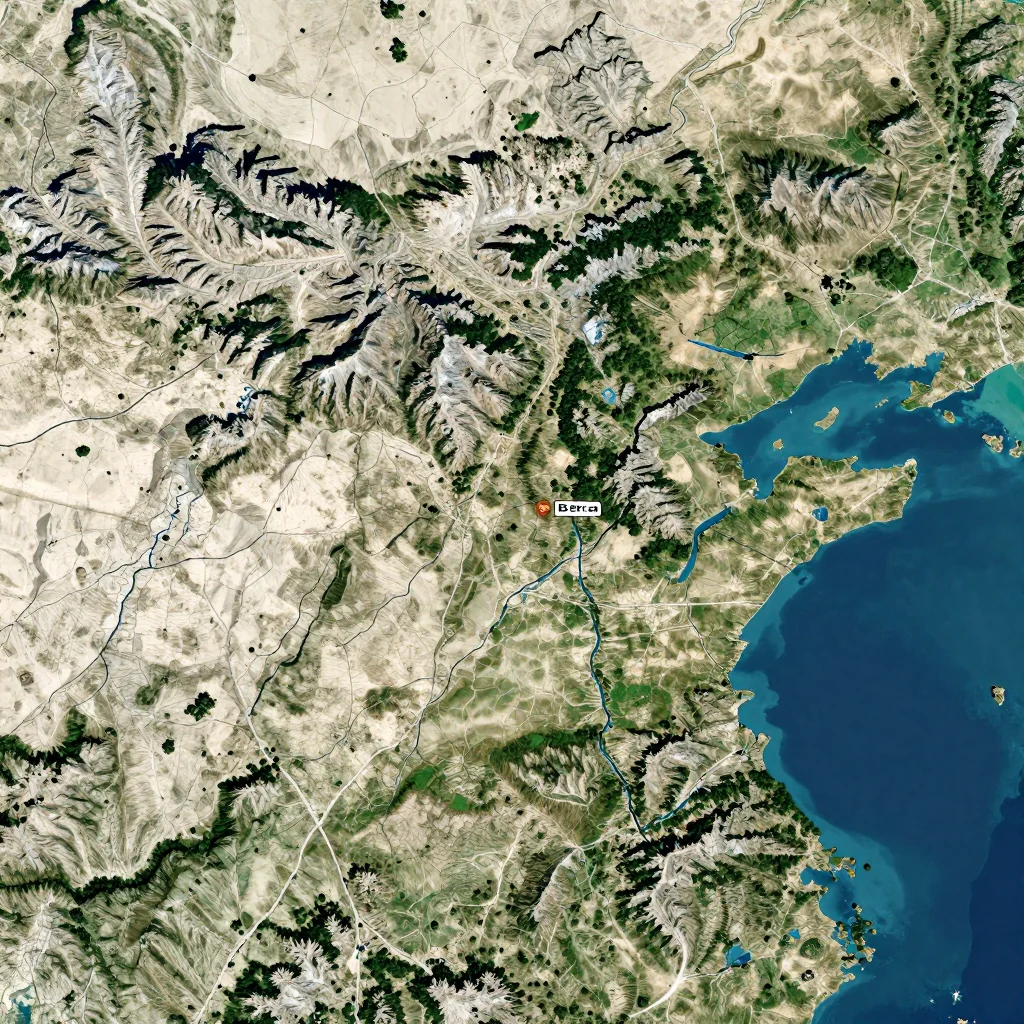
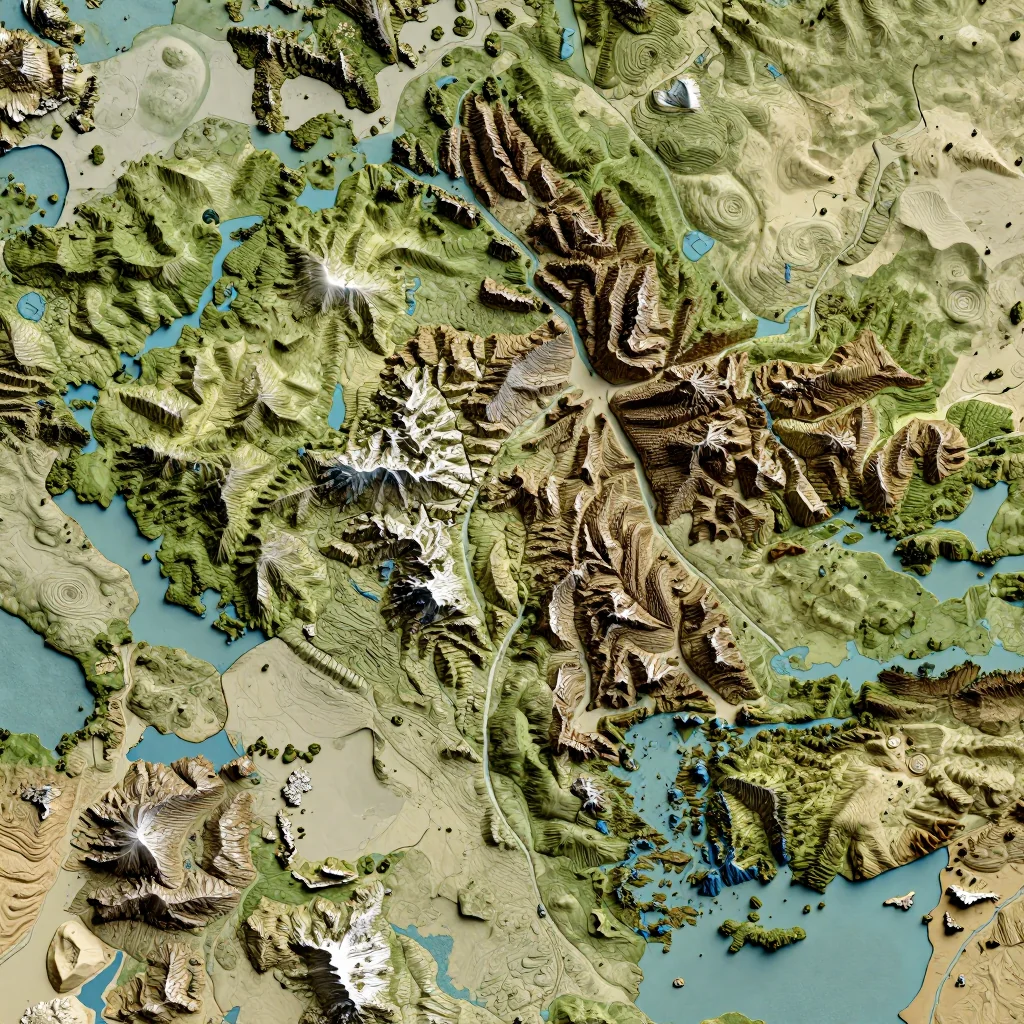
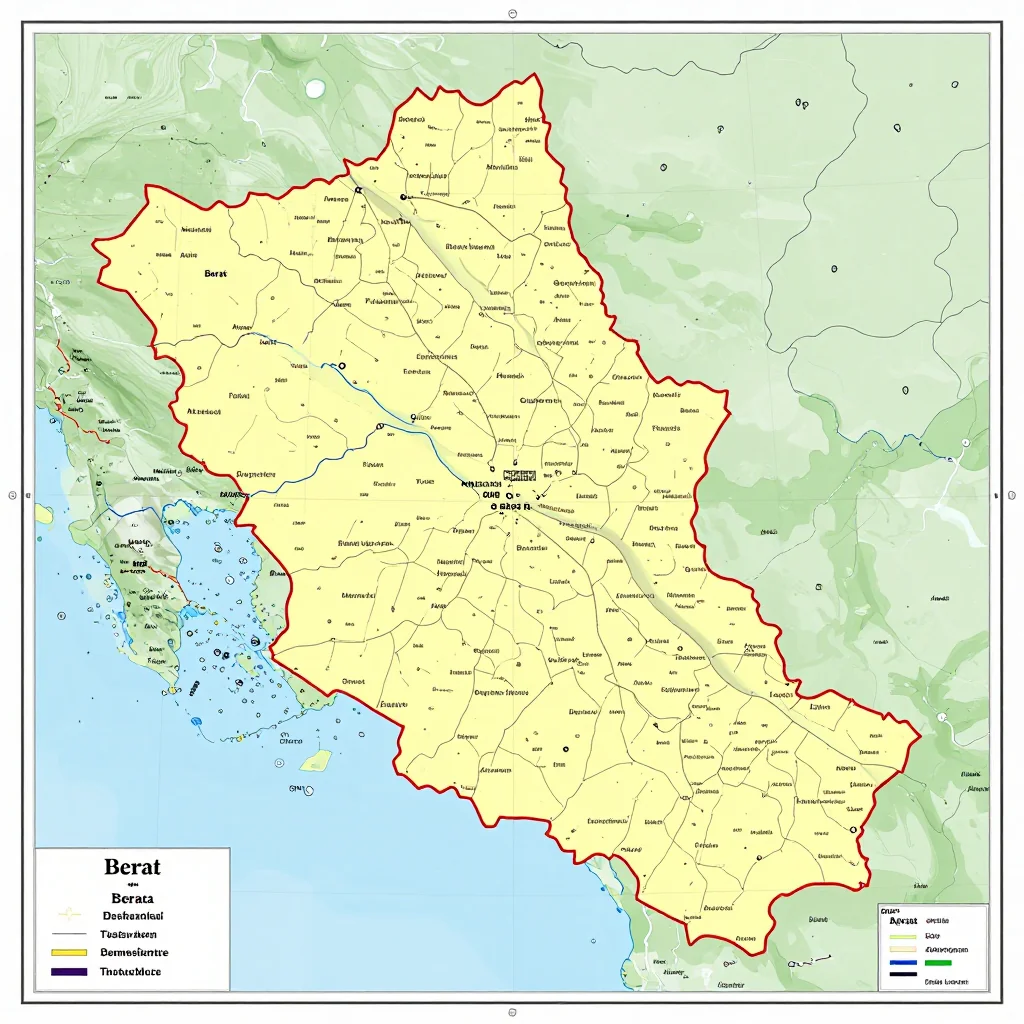
Berat lies in the center-southern part of Albania, nestled along the banks of the Osum River and surrounded by the imposing Tomorr Mountain. Situated in Berat County, the city is part of the Drinos Valley region, a fertile area known for its agricultural wealth. Its proximity to historic towns like Vlore and Gjirokaster adds to its strategic importance. A Berat map reveals a city framed by dramatic landscapes, with the old town, Mangalem, perched on a hill overlooking the modern city below. This elevated position has historically made Berat a defensive stronghold, evident in its ancient fortress.
Landmarks and Attractions
The crown jewel of Berat is **Berat Fortress**, a UNESCO World Heritage Site dating back to the 5th century BC. Overlooking the city, the fortress houses Byzantine churches, Ottoman-era homes, and the **Church of Saint Mary**, which contains the **Onufri Museum**. The museum showcases stunning frescoes by the 16th-century Albanian painter Onufri, a highlight for art enthusiasts. Near the fortress, the **Mangalem district** is a labyrinth of narrow cobblestone streets lined with traditional white Ottoman houses adorned with wooden balconies—these are the “thousand windows” that inspired the city’s nickname. The **Leën Mosque**, built in 1550, and the **Bashbazo Mosque** reflect Berat’s Islamic heritage, while the **Orthodox Cathedral of Saint Nicholas** and the **Church of the Holy Trinity** underscore the coexistence of religions here.
Transportation
Reaching Berat is straightforward. The city is approximately 130 kilometers southwest of Tirana, a scenic 2.5-hour drive via the SH8 highway. Regular bus services connect Berat to Tirana and other Albanian cities, with buses departing frequently from Tirana’s main bus station. While trains are less common in Albania, bus travel remains the most practical option. For exploration within Berat, walking is ideal due to the compact size of the old town. Taxis and local buses serve the broader city and nearby attractions. Amateurs of history might opt to rent a bike to trace the Osum River or hike trails around Tomorr Mountain.
Culture and Traditions
Berat’s cultural identity is a harmonious mix of Byzantine, Ottoman, and Albanian influences. The city celebrates its heritage through vibrant festivals like the **International Folklore Festival**, held annually in August, featuring traditional dances, music, and costumes. Local artisans craft intricate silver jewelry and embroidered textiles, which are sold in bustling markets like **Qerret e Poshtme Bazaar**. Culinary delights include **byrek** (savory pastry), **flija** (layered pancake), and **rafili** (local wine). Religious tolerance is a hallmark of Berat, where Orthodox, Muslim, and Catholic sites stand side by side, symbolizing Albania’s inclusive spirit.
Conclusion
Berat city guide reveals a place where time seems to stand still, yet its energy is palpable in every cobblestone street and historic corner. Whether exploring the fortress at sunrise, savoring street food in the old town, or wandering the Osum’s riverside trails, Berat invites visitors to embrace its timeless charm. A Berat map is essential to navigate its hidden gems, but the true essence of the city lies in its stories, told through its architecture, traditions, and the warm hospitality of its people. Come to Berat, and let its thousand windows open a window to Albania’s soul. (Word count: 500)