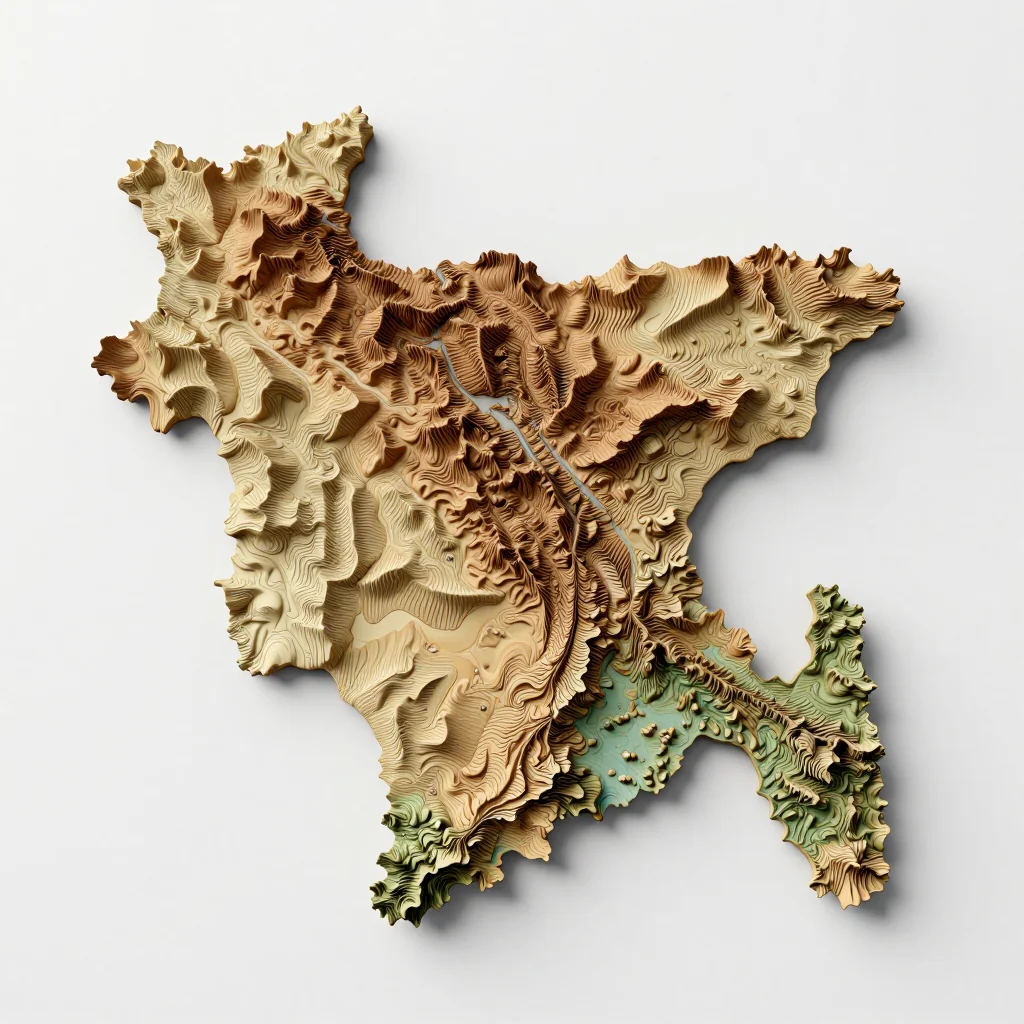
Bogra, a historic city in northern Bangladesh, serves as the administrative headquarters of Bogra District within the Rajshahi Division. Known for its rich archaeological heritage and vibrant cultural tapestry, Bogra blends ancient history with modern urban life, offering a unique glimpse into Bangladesh’s past and present.
**Location And Setting**
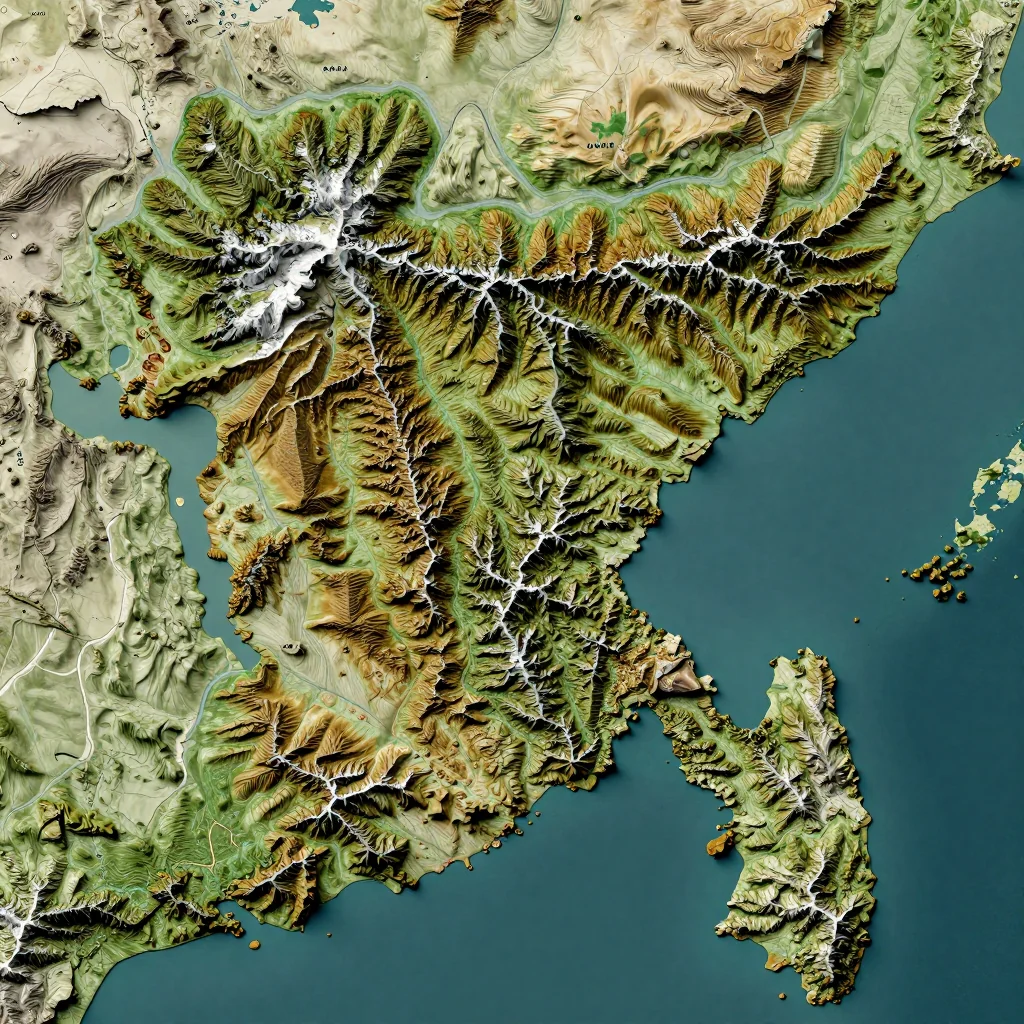
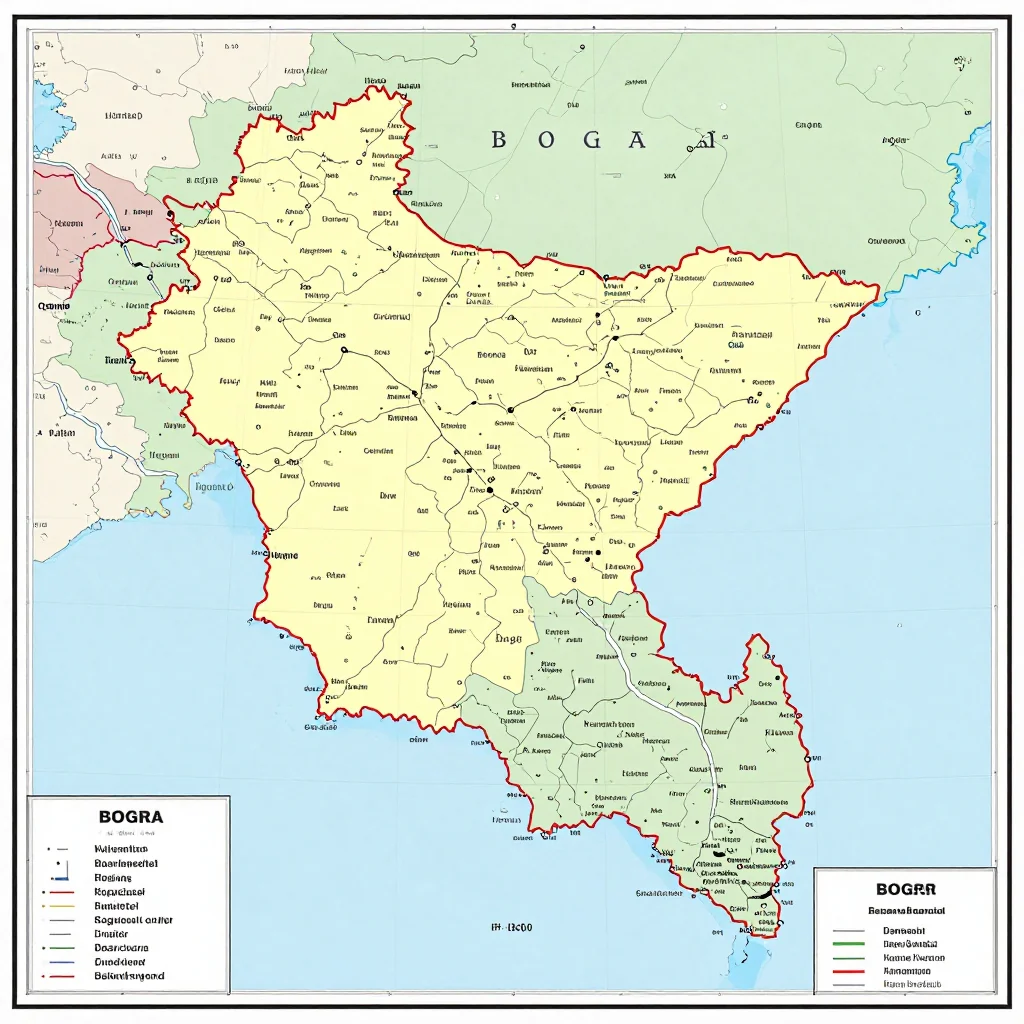
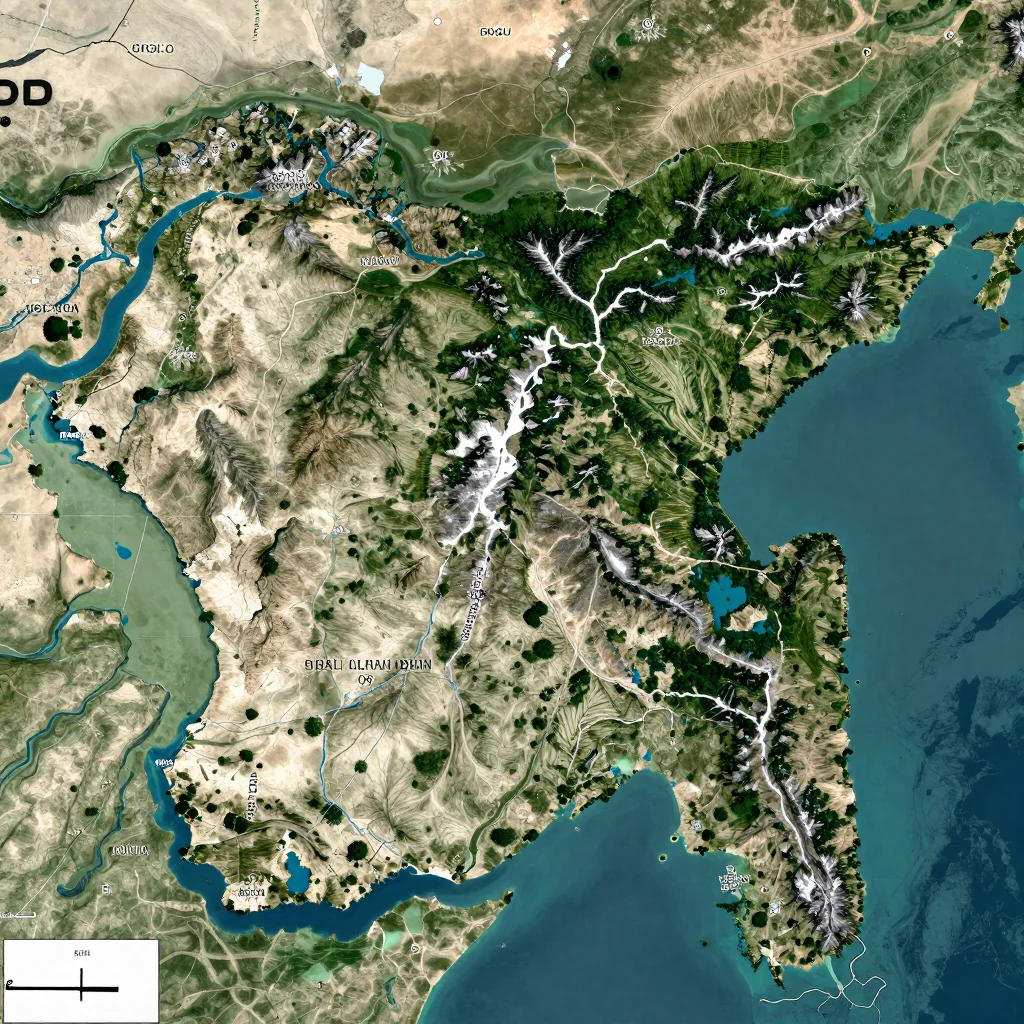
Situated in the northwestern part of Bangladesh, Bogra lies on the fertile plains of the Jamuna River Basin, surrounded by the districts of Sirajganj, Naogaon, and Panchagarh. The Balu River flows to its west, while the city is cradled by lush agricultural lands, making it a key hub for rice cultivation. Its strategic location on the Dhaka-Rajshahi Highway enhances its connectivity, while the surrounding countryside features sprawling fields and rural villages, creating a serene rural-urban landscape.
**History And Significance**
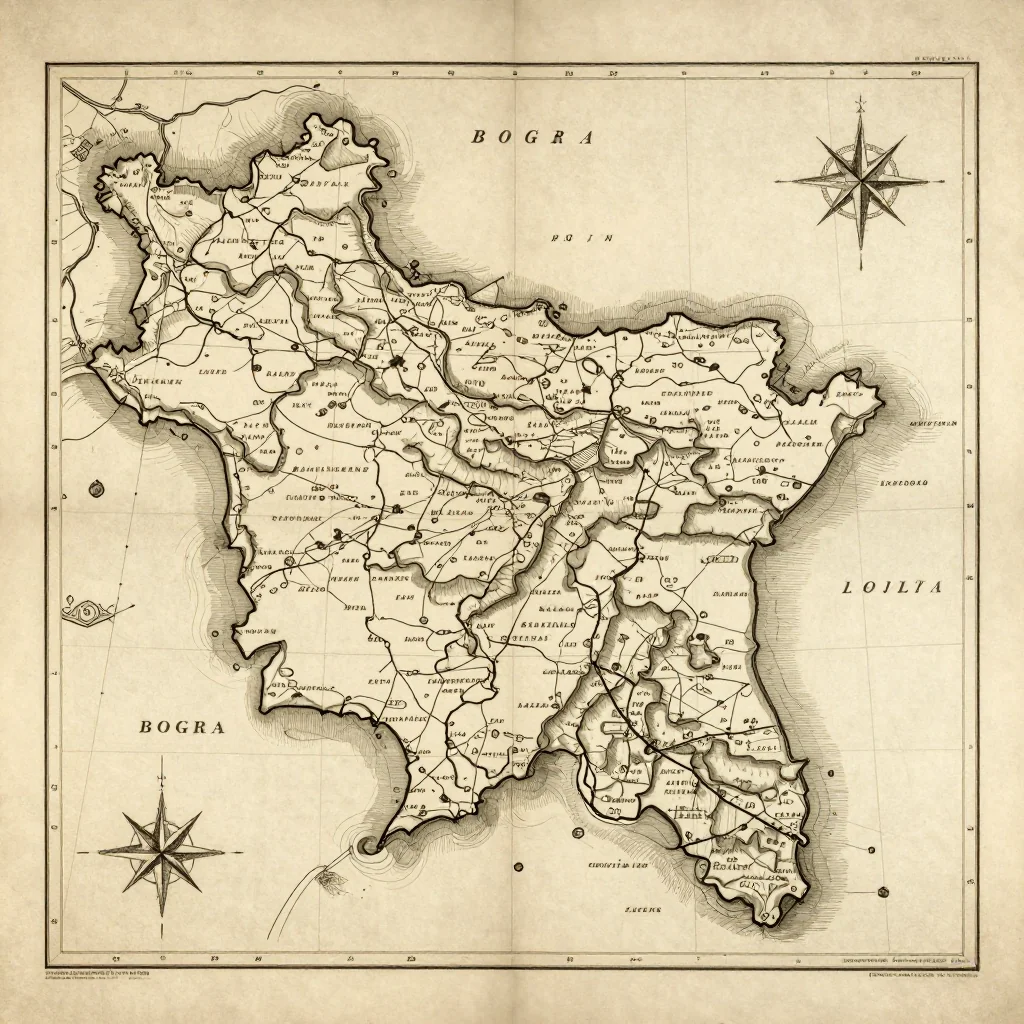
Bogra’s history dates back over 2,300 years to the ancient Pundra Kingdom, whose capital was Mahasthangarh, Bangladesh’s oldest archaeological site. The name “Bogra” derives from the Sanskrit term “Bhagrapur,” reflecting its historical grandeur. During British rule, it became a district in 1790 and played a pivotal role in the region’s administrative and economic growth. Home to leaders like Huseyn Salahuddin, Bogra was also a center of resistance during Bangladesh’s struggle for independence.
**Neighborhoods And Districts**
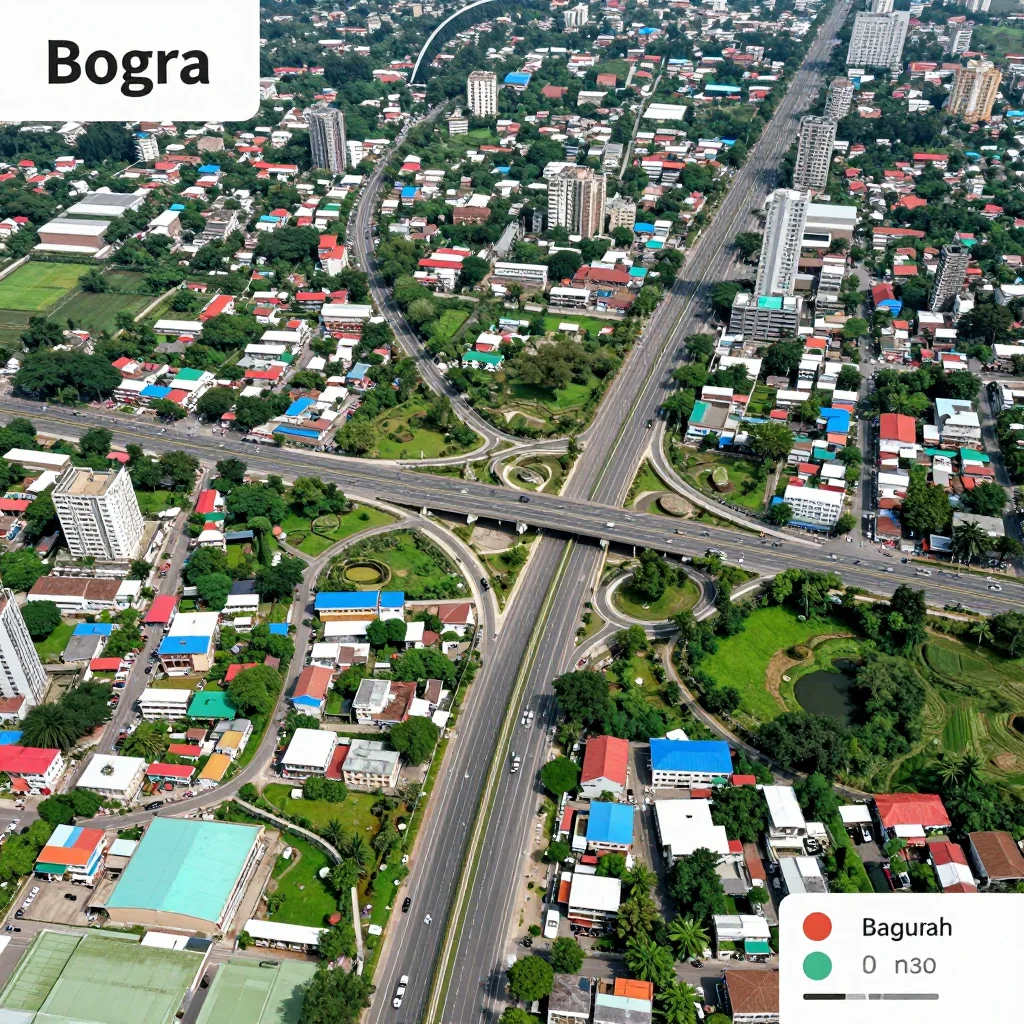
The city’s layout centers on the Sadar area, housing major government buildings and markets. The old town retains colonial-era architecture, while newer districts like Durgapur and Shibganj cater to residential and commercial needs. Rural-urban transition zones, such as the villages of Mahasthangarh and Palashbari, highlight Bogra’s blend of tradition and modernity. The district itself comprises 12 sub-districts, each contributing to the region’s agricultural and cultural fabric.
**Transportation**
Bogra is well-connected via the Dhaka-Rajshahi Highway (National Highway 2) and the Eastern Circuit Railway, with Bogra Junction linking it to cities like Dhaka and Rajshahi. Local transport includes buses, CNGs, and cycle-rickshaws. While Bogra lacks an airport, the Rajshahi Airport (100 km away) and ferry services on the Jamuna River provide additional access options, ensuring seamless connectivity across the region.
**Landmarks And Attractions**
1. **Mahasthangarh**: A UNESCO World Heritage Site, this 3rd-century BCE fortification offers ruins of temples, stupas, and ancient settlements. 2. **Bogra Museum**: Located near Mahasthangarh, it houses artifacts like terracotta plaques and inscriptions from the site. 3. **Khan Jahan Ali Mosque**: A 15th-century mosque noted for its beautiful architecture and historical significance. 4. **Balu Riverbanks**: Popular for picnics and scenic views, especially during the monsoon. 5. **Shibganj Jagannath Temple**: A Hindu pilgrimage site showcasing intricate carvings and rituals.
**Conclusion**
Bogra’s unique charm lies in its timeless blend of history, culture, and natural beauty. From the whispers of ancient Mahasthangarh to the vibrancy of its markets, the city invites travelers to explore Bangladesh’s deep roots. Whether tracing colonial-era routes or savoring rural tranquility, Bogra remains a must-visit destination for those seeking a journey through time and tradition.