
Bolivia, a landlocked country in South America, is a treasure trove of geographical wonders. From the towering Andes to the vast Amazon rainforest, Bolivia’s diverse landscape offers a unique blend of natural and cultural richness. In this comprehensive guide, we will delve into various types of Bolivia maps, including physical, political, and tourist maps, to provide you with a detailed understanding of Bolivia’s geography. By the end, you’ll have a clear picture of Bolivia’s terrain, topography, and key locations, making you well-equipped to explore this fascinating country.
📋 Table of Contents
- [Physical Geography Map of Bolivia](#physical-geography-map-of-bolivia)
- [Satellite View of Bolivia from Space](#satellite-view-of-bolivia-from-space)
- [Topographic Relief Map of Bolivia](#topographic-relief-map-of-bolivia)
- [Political Map of Bolivia – Administrative Boundaries](#political-map-of-bolivia-administrative-boundaries)
- [Street Map of Bolivia – Road Network](#street-map-of-bolivia-road-network)
- [Historical Vintage Map of Bolivia](#historical-vintage-map-of-bolivia)
- [3D Isometric Topographic Map of Bolivia](#3d-isometric-topographic-map-of-bolivia)
- [Futuristic Cyberpunk Map of Bolivia](#futuristic-cyberpunk-map-of-bolivia)
- [Isometric Tourist Map of Bolivia](#isometric-tourist-map-of-bolivia)
2. INTRODUCTION
Bolivia, a landlocked country in South America, is a treasure trove of geographical wonders. From the towering Andes to the vast Amazon rainforest, Bolivia’s diverse landscape offers a unique blend of natural and cultural richness. In this comprehensive guide, we will delve into various types of Bolivia maps, including physical, political, and tourist maps, to provide you with a detailed understanding of Bolivia’s geography. By the end, you’ll have a clear picture of Bolivia’s terrain, topography, and key locations, making you well-equipped to explore this fascinating country.
Physical Geography Map of Bolivia
Bolivia’s physical geography is a stunning tapestry of varied terrain and topography. The country is divided into three main regions: the Andes Mountains, the Altiplano (high plateau), and the lowlands, which include the Amazon Basin and the Chaco. The Andes, the world’s longest continental mountain range, dominate the western part of Bolivia, featuring peaks like the Illimani and Sajama, which rise to over 6,000 meters. The Altiplano, a high-altitude plateau, is home to Lake Titicaca, the highest navigable lake in the world, and the Uyuni Salt Flats, the largest salt flats on Earth. The eastern lowlands, in contrast, are characterized by dense rainforests, savannas, and rivers. The Amazon River, one of the world’s largest, flows through this region, along with its numerous tributaries. The physical map of Bolivia reveals the stark contrasts between these regions, showcasing the country’s diverse physical features and the challenges and opportunities they present.
Satellite View of Bolivia from Space
Satellite imagery of Bolivia provides a bird’s-eye view of the country’s vast and varied landscape. These images capture the intricate details of land cover, from the snow-capped peaks of the Andes to the lush green expanses of the Amazon rainforest. The satellite view also highlights the sprawling Uyuni Salt Flats, which appear as a vast white expanse, and the deep blue waters of Lake Titicaca, a significant body of water that straddles the border between Bolivia and Peru. Urban areas, such as La Paz, the administrative capital, and Santa Cruz, the largest city, are easily identifiable by their dense network of buildings and roads. Rural areas, on the other hand, are marked by smaller settlements, agricultural fields, and natural reserves. The satellite view of Bolivia offers a comprehensive perspective on how the country’s geography influences its urban and rural development.
Topographic Relief Map of Bolivia
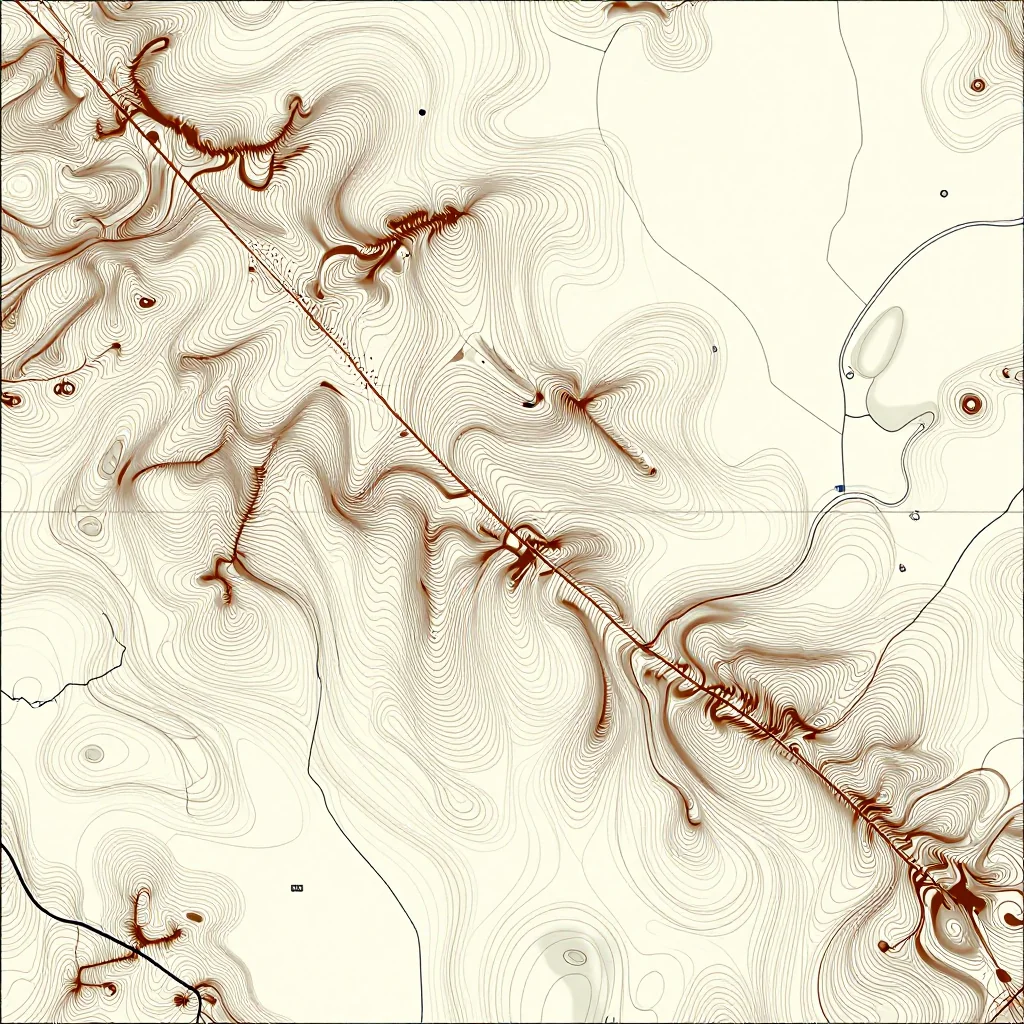
A topographic relief map of Bolivia is essential for understanding the country’s elevation and terrain variations. This map uses contour lines and shading to represent the different elevations, making it easy to visualize the mountainous regions and the flat lowlands. The Andes Mountains, with their steep slopes and high peaks, are clearly delineated, while the Altiplano appears as a relatively flat, high-altitude plateau. The eastern lowlands, including the Amazon Basin and the Chaco, are shown with gentle slopes and low elevations. The topographic map of Bolivia helps in planning travel routes, understanding weather patterns, and studying the geological features that shape the country’s landscape. It is a valuable tool for both researchers and adventurers, providing a detailed look at Bolivia’s relief and topography.
Political Map of Bolivia – Administrative Boundaries
The political map of Bolivia illustrates the country’s administrative boundaries and governance structure. Bolivia is divided into nine departments: La Paz, Oruro, Potosí, Cochabamba, Chuquisaca, Santa Cruz, Tarija, Beni, and Pando. Each department is further subdivided into provinces and municipalities. The map clearly shows the borders with neighboring countries: Peru to the northwest, Brazil to the northeast, Paraguay to the southeast, Argentina to the south, and Chile to the southwest. La Paz, the administrative capital, and Sucre, the constitutional capital, are marked prominently, along with other major cities like Santa Cruz and Cochabamba. The political map of Bolivia provides a clear overview of the country’s administrative divisions and helps in understanding the political boundaries that define its regions.
Street Map of Bolivia – Road Network
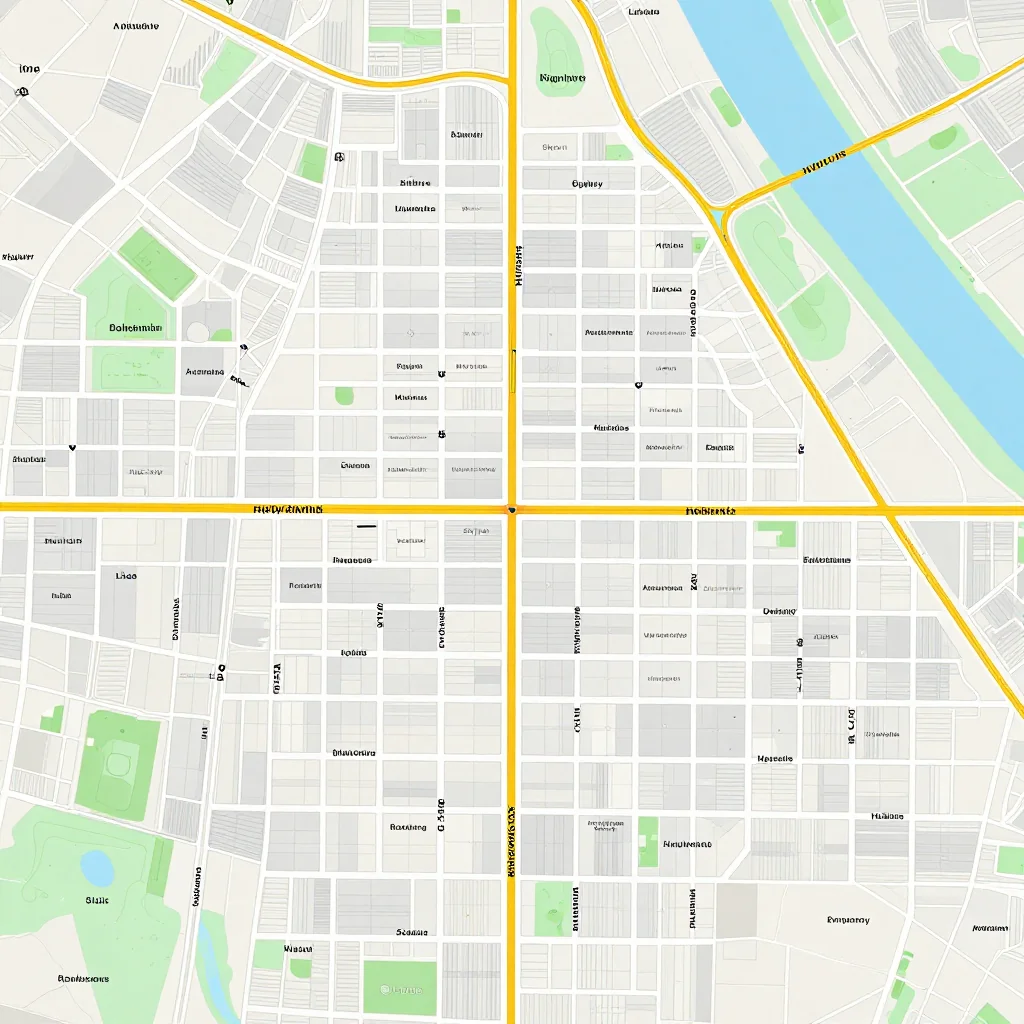
A street map of Bolivia is crucial for navigating the country’s urban and rural areas. The road network in Bolivia is extensive, connecting major cities and towns. La Paz, the administrative capital, has a complex and winding street layout due to its mountainous terrain, while Santa Cruz, the largest city, features a more grid-like pattern typical of lower-elevation urban areas. The map also highlights major highways and routes, such as the Pan-American Highway, which runs through the western part of the country, and the Trans-Amazonian Highway, which traverses the eastern lowlands. These roads are vital for transportation and urban planning, facilitating movement and economic activities across Bolivia. A street map of Bolivia is an indispensable tool for travelers and residents alike, offering detailed insights into the country’s connectivity and infrastructure.
Historical Vintage Map of Bolivia
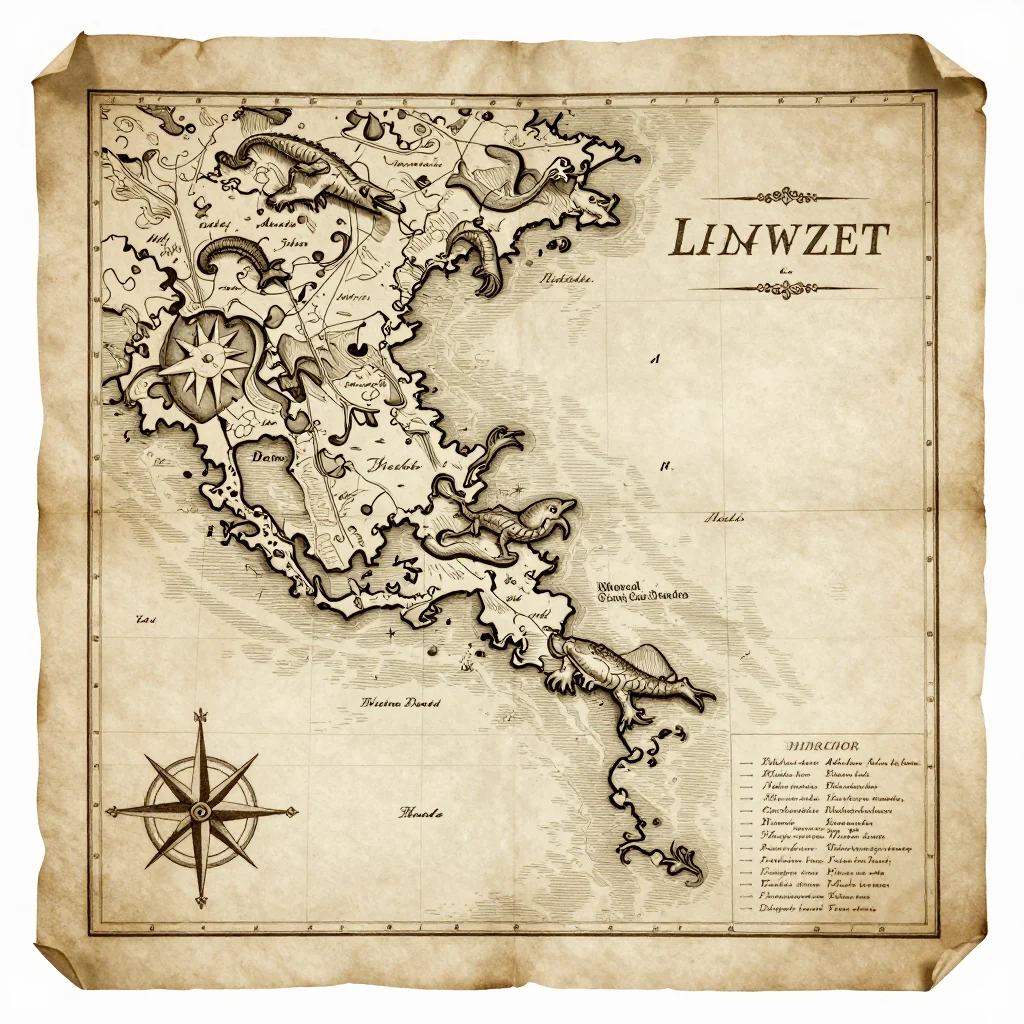
Historical vintage maps of Bolivia offer a glimpse into the country’s past and the evolution of its cartography. These maps, often characterized by their ornate designs and hand-drawn details, provide a unique perspective on how Bolivia was mapped and understood by early explorers and cartographers. Vintage maps typically highlight the major rivers, mountain ranges, and key cities, with a focus on the natural and human geography of the region. The historical map of Bolivia is not only a valuable resource for researchers and historians but also a fascinating piece of art that captures the spirit of exploration and discovery. These maps often include annotations and legends that provide additional context about the region’s geography and cultural significance.
3D Isometric Topographic Map of Bolivia
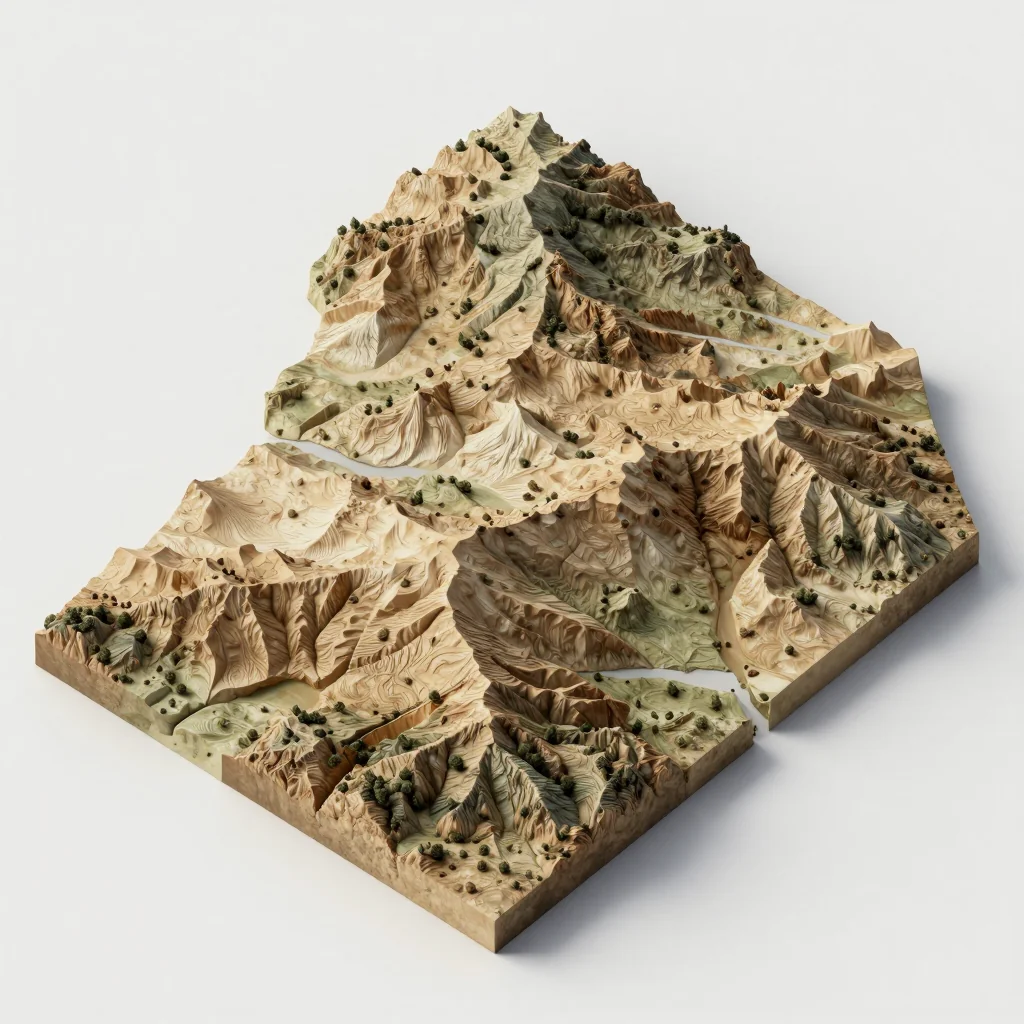
A 3D isometric topographic map of Bolivia brings the country’s landscape to life in a visually stunning way. This type of map uses a three-dimensional perspective to show elevation and terrain variations, making it easier to understand the complex topography of Bolivia. The Andes Mountains, the Altiplano, and the lowlands are all clearly represented, with different colors and shading to indicate elevation levels. The 3D visualization of Bolivia’s topography is particularly useful for hikers, climbers, and geographers who need a detailed and realistic representation of the land. It helps in planning outdoor activities, studying geological formations, and appreciating the natural beauty of Bolivia’s varied terrain.
Futuristic Cyberpunk Map of Bolivia
A futuristic cyberpunk map of Bolivia presents a digital and stylized representation of the country’s geography. This type of map often combines modern cartographic techniques with a futuristic aesthetic, using neon colors and high-tech symbols to highlight key features. The map might emphasize the technological infrastructure of major cities like La Paz and Santa Cruz, showing advanced transportation networks, communication hubs, and urban development. Futuristic maps of Bolivia can be used to envision potential future scenarios, such as the expansion of urban areas, the integration of renewable energy sources, and the development of smart cities. They offer a creative and engaging way to explore the country’s geography and urban planning, appealing to both tech enthusiasts and casual observers.