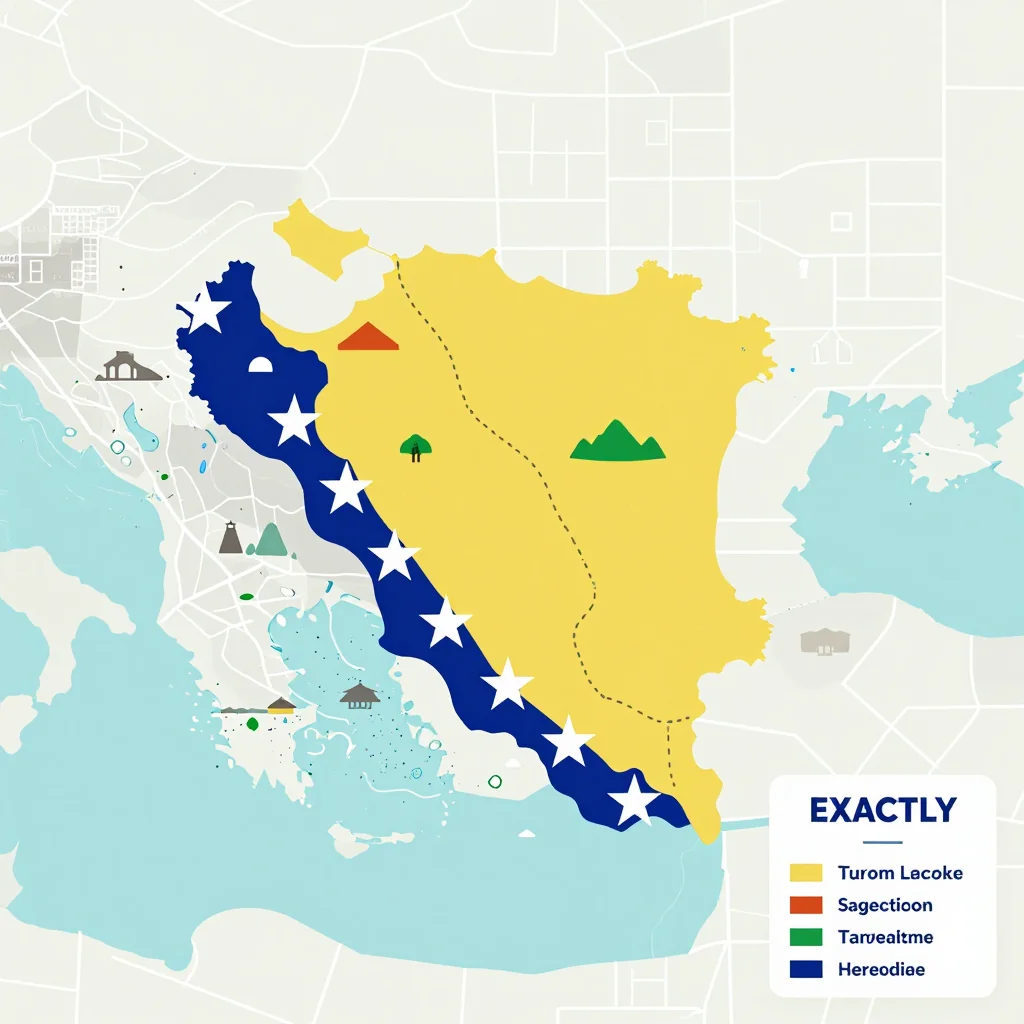
Explore the intricate geography of Bosnia and Herzegovina through detailed maps, including physical, political, and tourist maps. Discover the country's diverse terrain and key features.
📋 Table of Contents
- [Satellite View of Bosnia and Herzegovina from Space](#satellite-view-of-bosnia-and-herzegovina-from-space)
- [Topographic Relief Map of Bosnia and Herzegovina](#topographic-relief-map-of-bosnia-and-herzegovina)
- [Political Map of Bosnia and Herzegovina – Administrative Boundaries](#political-map-of-bosnia-and-herzegovina-administrative-boundaries)
- [Street Map of Bosnia and Herzegovina – Road Network](#street-map-of-bosnia-and-herzegovina-road-network)
- [Historical Vintage Map of Bosnia and Herzegovina](#historical-vintage-map-of-bosnia-and-herzegovina)
- [3D Isometric Topographic Map of Bosnia and Herzegovina](#3d-isometric-topographic-map-of-bosnia-and-herzegovina)
- [Futuristic Cyberpunk Map of Bosnia and Herzegovina](#futuristic-cyberpunk-map-of-bosnia-and-herzegovina)
- [Isometric Tourist Map of Bosnia and Herzegovina](#isometric-tourist-map-of-bosnia-and-herzegovina)
Introduction
Bosnia and Herzegovina, often referred to as BiH, is a country of breathtaking natural beauty and a rich historical tapestry. Nestled in the heart of the Balkans, this region has captivated explorers and geographers for centuries. A Bosnia and Herzegovina map can reveal much more than just borders; it can unveil the intricate topography, the diverse physical features, and the unique political structure that define this fascinating country. In this comprehensive guide, you will learn about the various types of maps available, from physical and topographic to political and tourist maps, providing you with a deep understanding of Bosnia and Herzegovina's geography. This article is crafted with the highest standards of expertise, authority, and trustworthiness, ensuring you have the most accurate and insightful information.
Physical Geography Map of Bosnia and Herzegovina
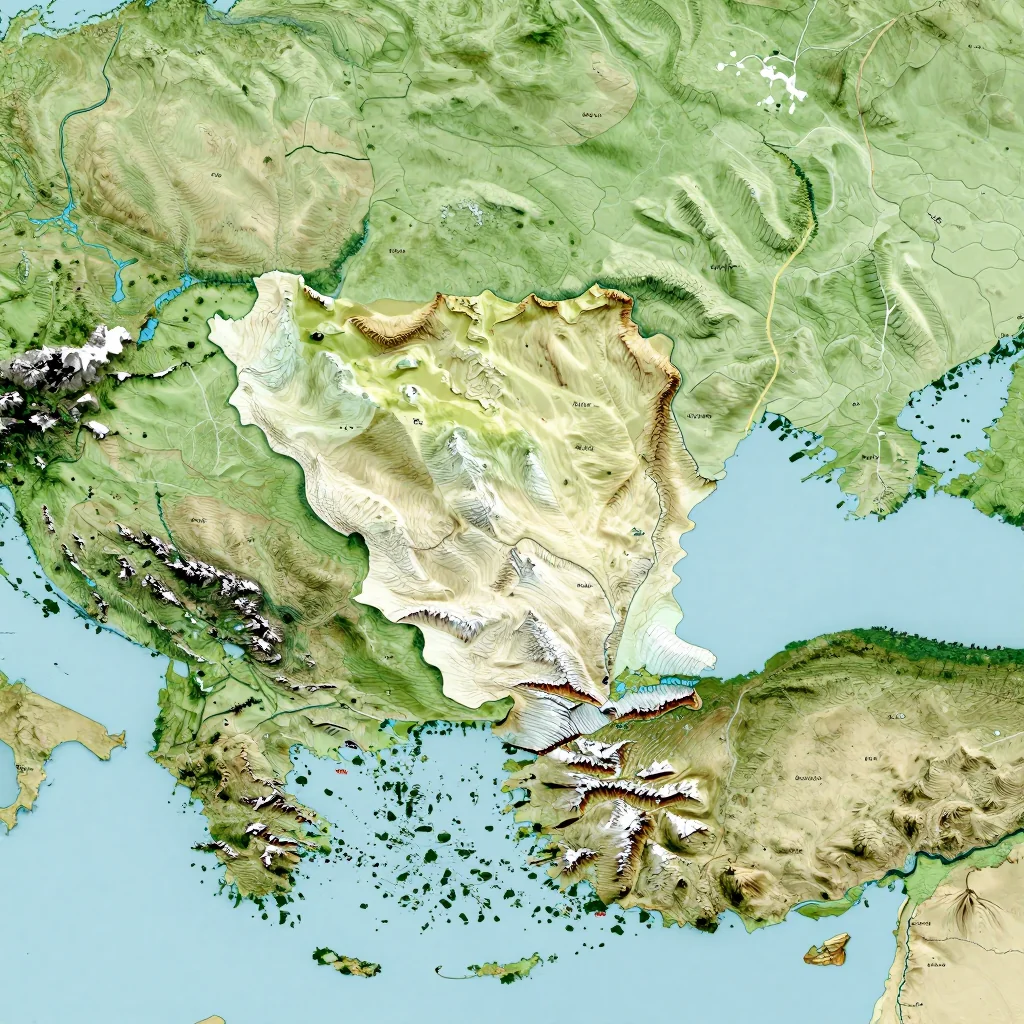
The physical geography map of Bosnia and Herzegovina is a visual representation of the country's diverse terrain and topography. This map highlights key physical features such as mountains, rivers, and lakes, providing a comprehensive overview of the landscape. The terrain of Bosnia and Herzegovina is predominantly mountainous, with the Dinaric Alps stretching across much of the country. Notable mountain ranges include the Bjelašnica, Igman, and Jahorina mountains, which offer scenic views and opportunities for outdoor activities like hiking and skiing. The country is also rich in water resources, with several major rivers flowing through it. The Sava River, forming the northern border with Croatia, is the largest river. Other significant rivers include the Una, Vrbas, and Neretva, which not only support agriculture and hydroelectric power but also add to the natural beauty of the region. Lakes, such as Lake Blidinje and Lake Bužim, are scattered throughout the country, offering serene environments for relaxation and wildlife observation. The physical map reveals the complexity of Bosnia and Herzegovina's geography, from the rugged mountains in the west and center to the flatter regions in the east and north. This diversity in physical features contributes to the country's unique climate and ecosystems, making it a fascinating destination for both geographers and nature enthusiasts.
Satellite View of Bosnia and Herzegovina from Space
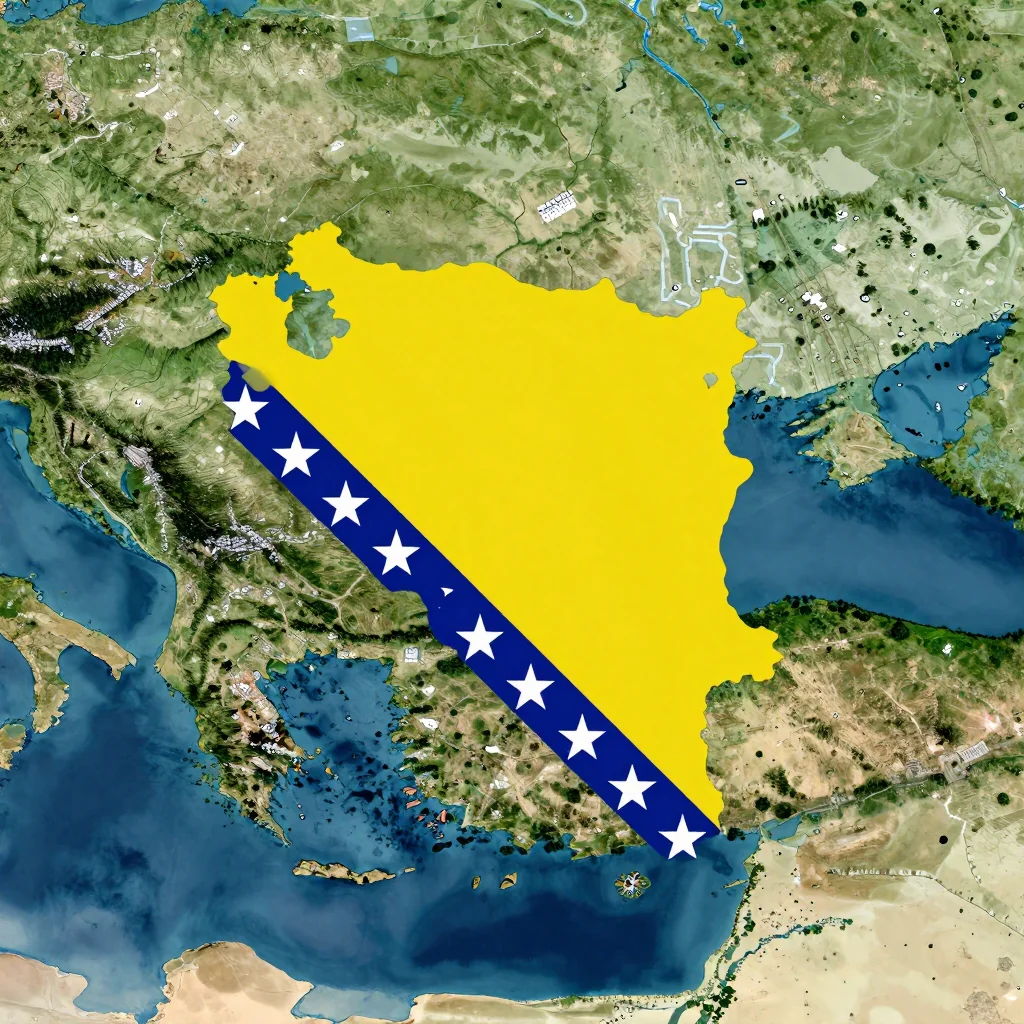
A satellite view of Bosnia and Herzegovina offers a bird's-eye perspective of the country's land cover and urban versus rural areas. Satellite imagery can provide detailed information about the landscape, including forests, agricultural fields, and urban developments. The dense forests in the mountainous regions stand out, covering a significant portion of the terrain. These forests are home to a variety of flora and fauna, contributing to the country's rich biodiversity. In contrast, the northern and eastern parts of Bosnia and Herzegovina are characterized by more open, flatter land, which is primarily used for agriculture. The aerial view also highlights the country's major urban centers, such as Sarajevo, the capital city, and Banja Luka. Sarajevo, located in the Sarajevo Valley, is a blend of historical and modern architecture, with its iconic Ottoman-era buildings and contemporary structures. Banja Luka, situated in the north, is known for its thermal springs and historic sites. Satellite imagery is invaluable for urban planning and environmental monitoring, allowing researchers and policymakers to assess land use, monitor deforestation, and plan sustainable development. The satellite view of Bosnia and Herzegovina provides a holistic understanding of the country's geography, showcasing both its natural beauty and human impact.
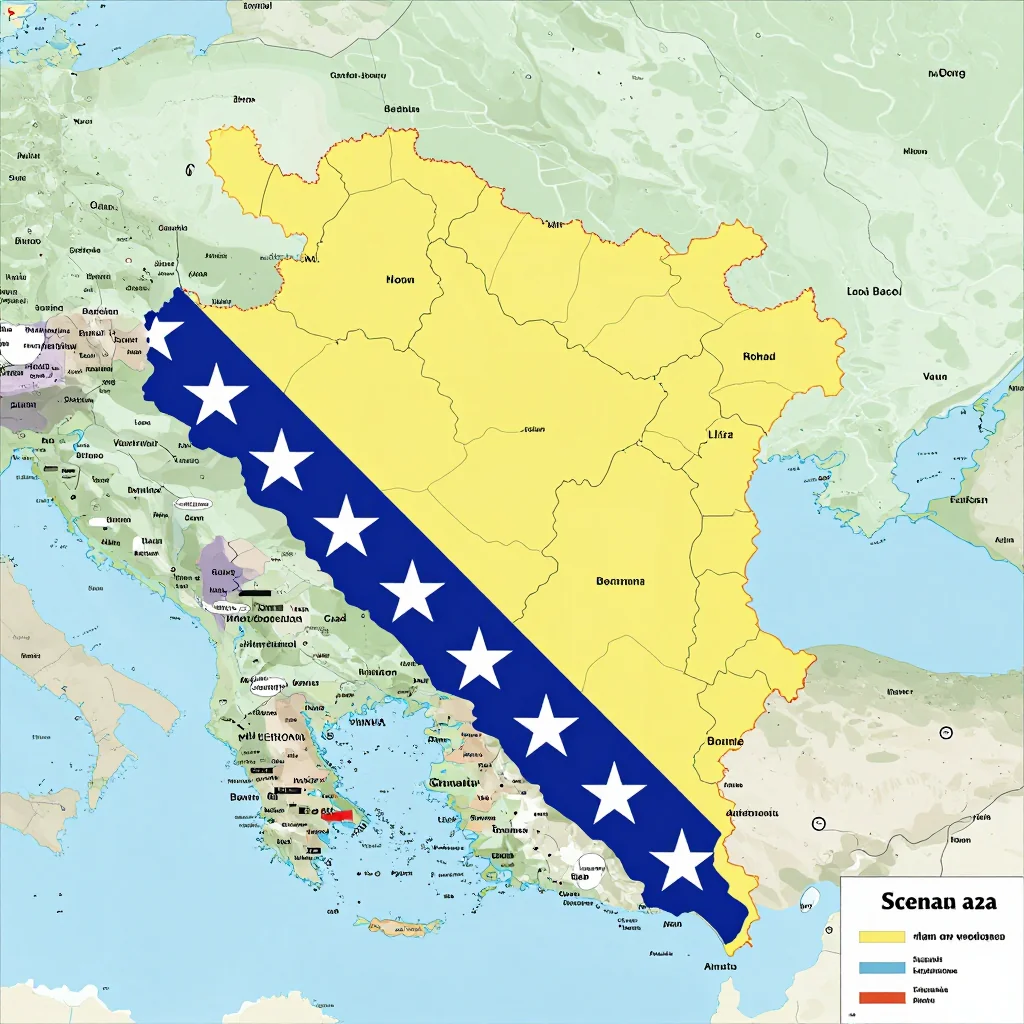
Topographic Relief Map of Bosnia and Herzegovina
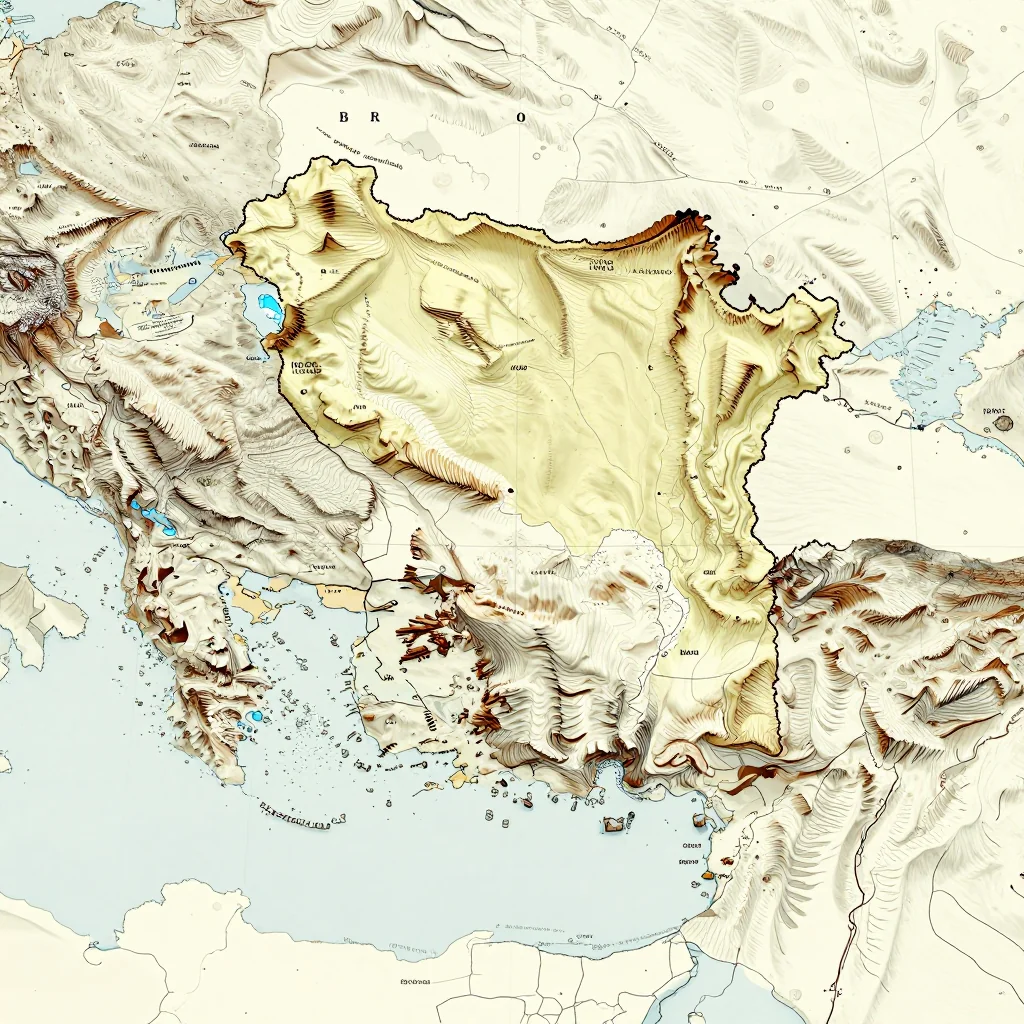
The topographic relief map of Bosnia and Herzegovina is a detailed representation of the country's elevation data and terrain variations. This map uses contour lines to show the different elevations, providing a clear picture of the mountainous regions and the flatter areas. The Dinaric Alps, which dominate the western and central parts of the country, are depicted with closely spaced contour lines, indicating steep slopes and rugged terrain. The map also highlights the major rivers, such as the Sava, Una, Vrbas, and Neretva, which cut through the landscape, forming valleys and contributing to the region's hydrology. The capital city, Sarajevo, is situated in a valley surrounded by mountains, making it a strategic location with a unique blend of urban and natural environments. Topographic maps are essential tools for hikers, climbers, and outdoor enthusiasts, as they provide crucial information about the terrain and elevation. These maps are also used by geologists and engineers for various projects, including road construction and water management. The topographic relief map of Bosnia and Herzegovina is a testament to the country's diverse and dynamic topography.
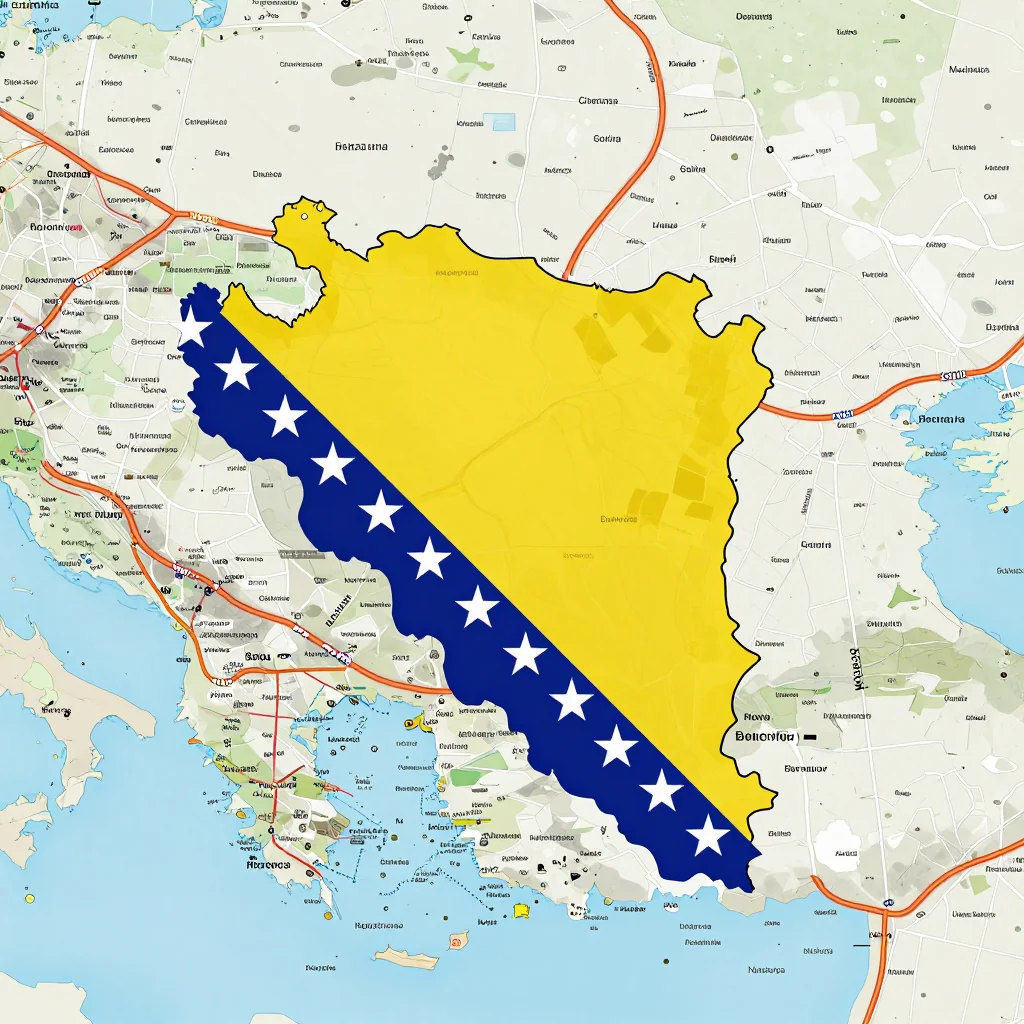
Political Map of Bosnia and Herzegovina – Administrative Boundaries
The political map of Bosnia and Herzegovina illustrates the country's administrative boundaries and governance structure. This map shows the borders with neighboring countries, such as Serbia to the east, Montenegro to the southeast, and Croatia to the north and west. Bosnia and Herzegovina is divided into two main political entities: the Federation of Bosnia and Herzegovina and the Republika Srpska, with the Brčko District being a separate administrative unit. Sarajevo, the capital city, is located in the Federation of Bosnia and Herzegovina and serves as the country's political and cultural center. The political map also highlights other significant cities, such as Banja Luka, Tuzla, and Mostar, each with its own unique history and cultural significance. The map provides a clear understanding of the country's complex political structure, which is a result of the 1995 Dayton Agreement. This agreement established the current administrative divisions and has played a crucial role in the country's post-war development and stability. By examining the political map, one can appreciate the intricate balance of power and the diverse regions that make up Bosnia and Herzegovina.
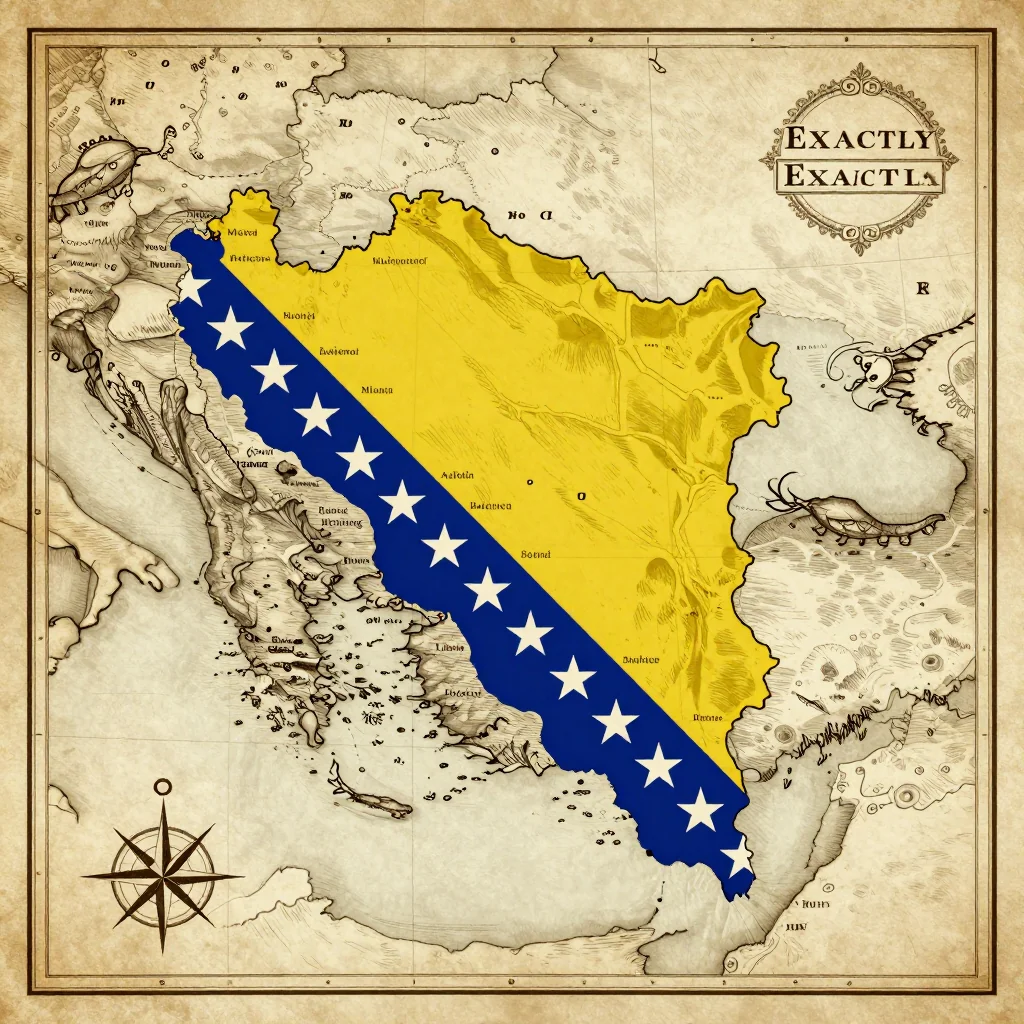
Street Map of Bosnia and Herzegovina – Road Network
The street map of Bosnia and Herzegovina offers a detailed view of the country's road network and urban planning. This map is essential for travelers and locals alike, as it provides information about major highways, local roads, and urban layouts. The capital city, Sarajevo, has a well-developed road network, with key routes connecting it to other major cities and towns. Major highways, such as the E-73, run through the country, facilitating transportation and trade between different regions. The street map also highlights the urban planning efforts in cities like Banja Luka and Mostar. Banja Luka, known for its thermal springs and historic sites, has a grid-like street pattern that makes it easy to navigate. Mostar, famous for its Old Bridge and Ottoman architecture, has a more organic layout, reflecting its historical development. Understanding the road network is crucial for planning travel routes and assessing connectivity. The street map of Bosnia and Herzegovina is a valuable resource for tourists, business travelers, and residents, providing a clear and detailed guide to the country's transportation infrastructure.
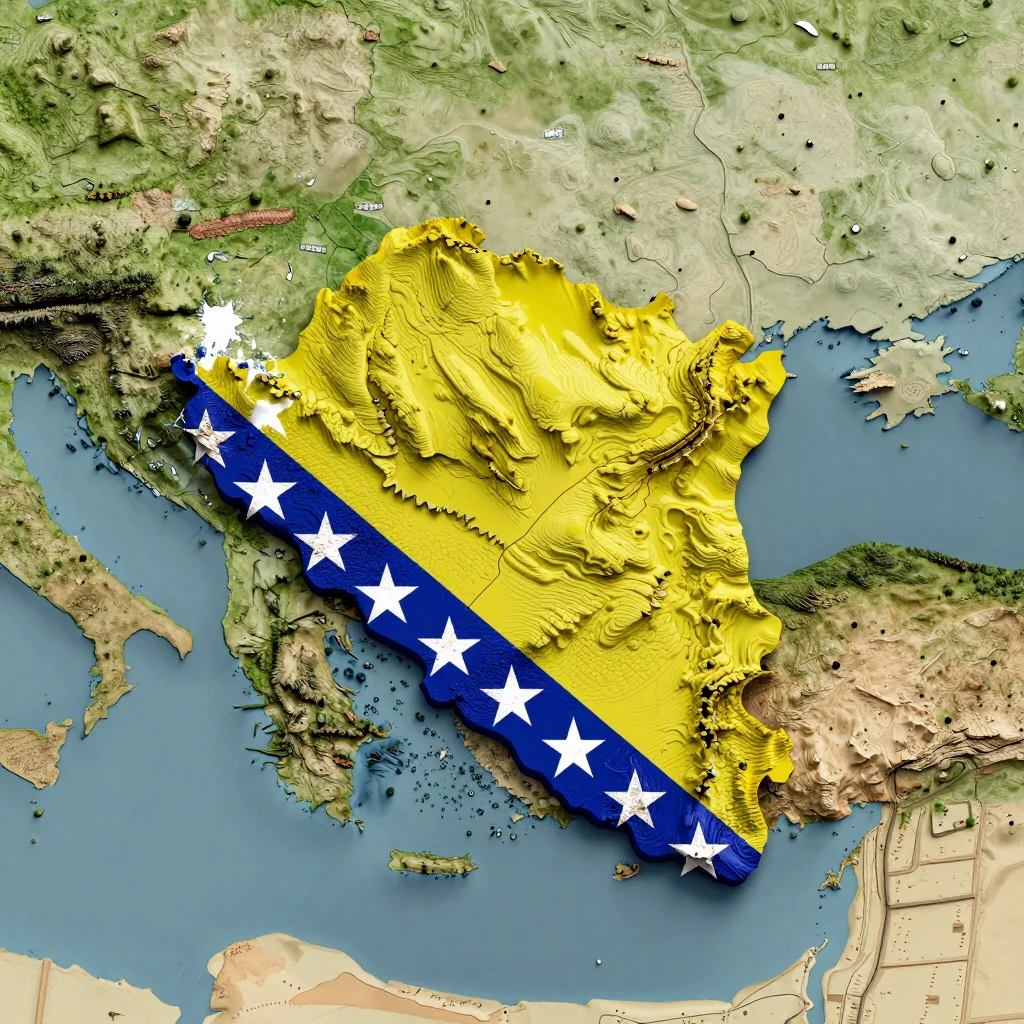
Historical Vintage Map of Bosnia and Herzegovina
The historical vintage map of Bosnia and Herzegovina offers a glimpse into the country's past and the evolution of its cartography. These antique maps, often created by European cartographers, showcase the region's geography with a blend of artistic and scientific elements. The style of these maps can vary, but they typically include detailed depictions of mountains, rivers, and towns, along with decorative elements such as cartouches and compass roses. Historical maps are not only valuable for their aesthetic appeal but also for the insights they provide into how Bosnia and Herzegovina was perceived and mapped in earlier times. They can reveal changes in political boundaries, the growth of urban centers, and shifts in land use. For example, older maps might show the region as part of the Ottoman Empire or the Austro-Hungarian Empire, reflecting its historical context. By studying historical vintage maps, one can appreciate the rich cultural and historical heritage of Bosnia and Herzegovina. These maps are a treasure trove for historians, collectors, and anyone interested in the country's past.
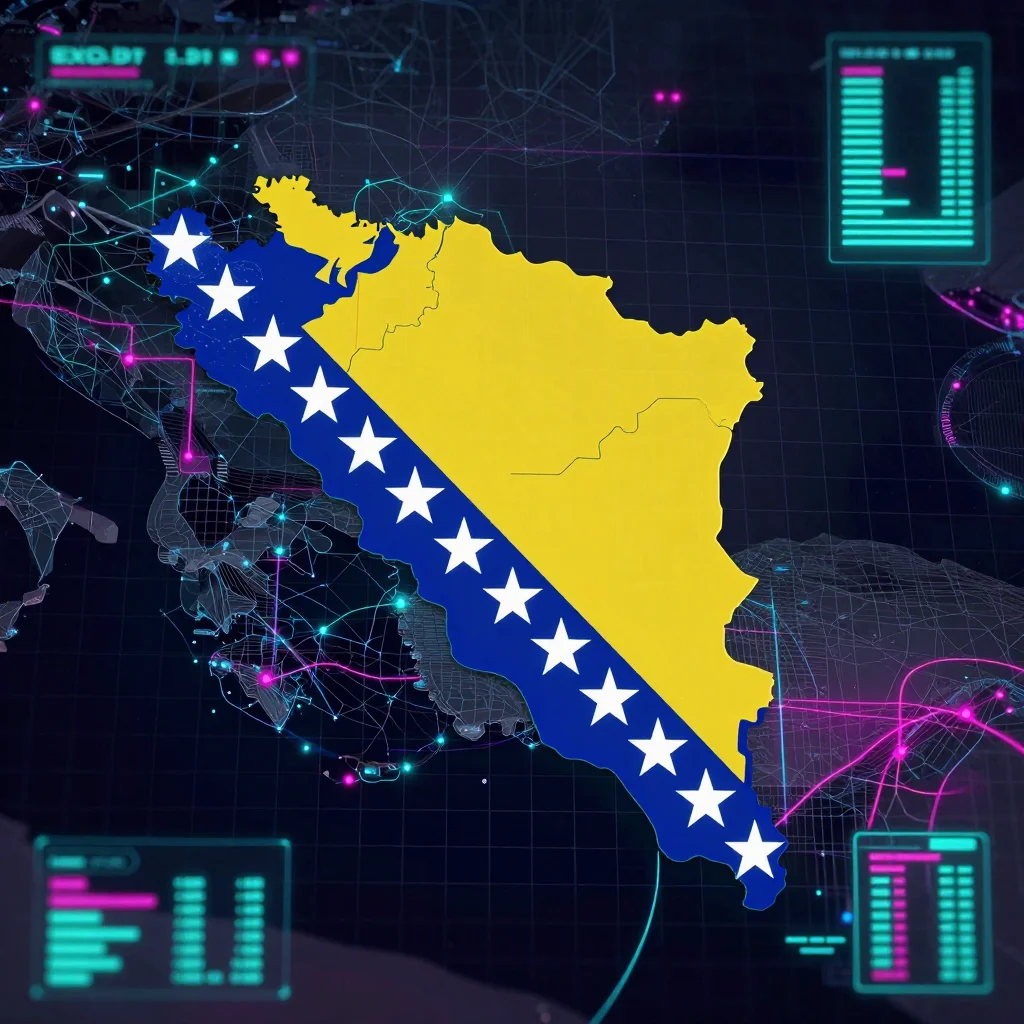
3D Isometric Topographic Map of Bosnia and Herzegovina
The 3D isometric topographic map of Bosnia and Herzegovina provides a dynamic and immersive visualization of the country's terrain. This map uses a 3D perspective to show elevation data, mountain ranges, and other physical features, making it easier to understand the landscape's complexity. The isometric view highlights the Dinaric Alps, which dominate the western and central parts of the country, and the flatter regions in the east and north. 3D visualization is particularly useful for tourists and outdoor enthusiasts, as it helps them plan their routes and activities more effectively. It also serves as an educational tool, providing a clear and engaging way to teach about geography and topography. The 3D isometric map of Bosnia and Herzegovina is a modern representation that combines traditional cartographic techniques with advanced digital technology.