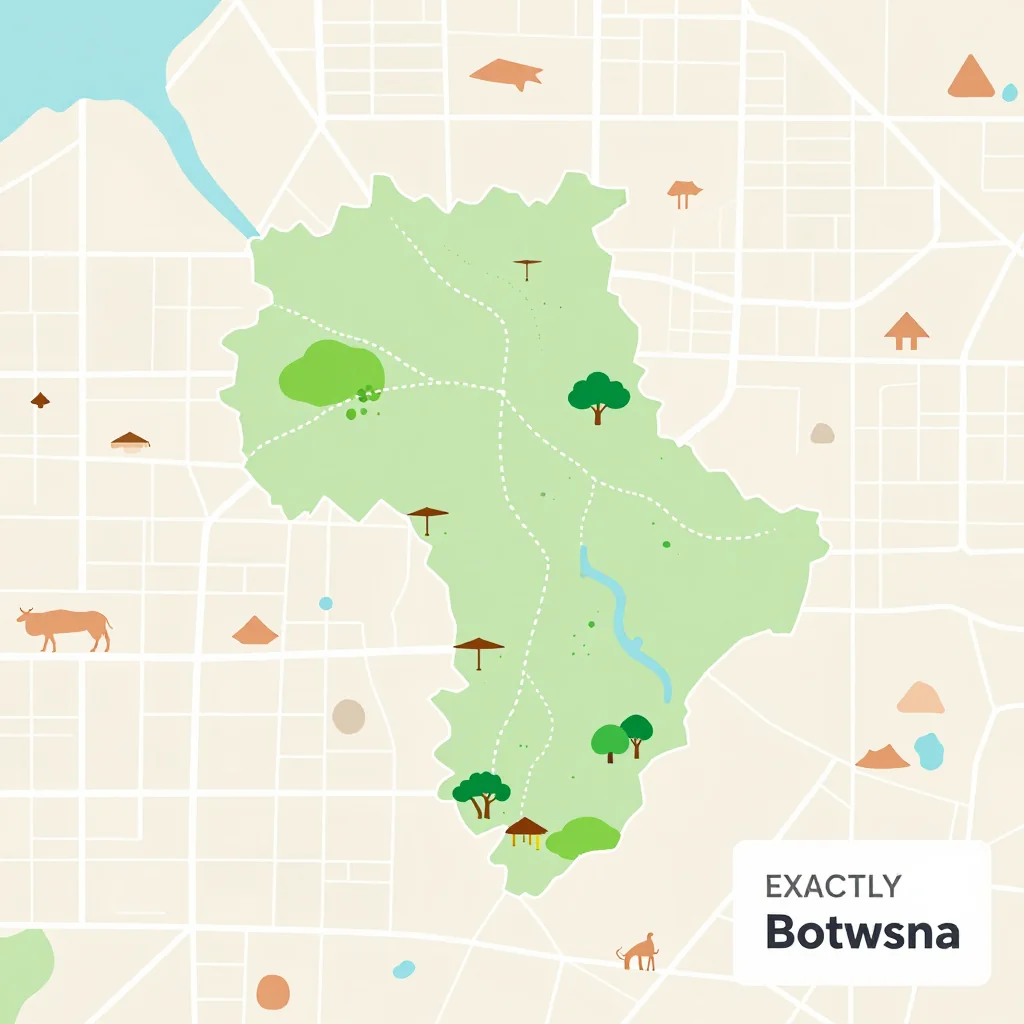
Explore the rich geography of Botswana through detailed maps, including physical, political, and topographic views. Discover the terrain, rivers, and more with a Botswana map.
📋 Table of Contents
- [Physical Geography Map of Botswana](#physical)
- [Satellite View of Botswana from Space](#satellite)
- [Topographic Relief Map of Botswana](#topographic)
- [Political Map of Botswana – Administrative Boundaries](#political)
- [Street Map of Botswana – Road Network](#street)
- [Historical Vintage Map of Botswana](#vintage)
- [3D Isometric Topographic Map of Botswana](#3d)
- [Futuristic Cyberpunk Map of Botswana](#cyberpunk)
- [Isometric Tourist Map of Botswana](#tourist)
2. INTRODUCTION
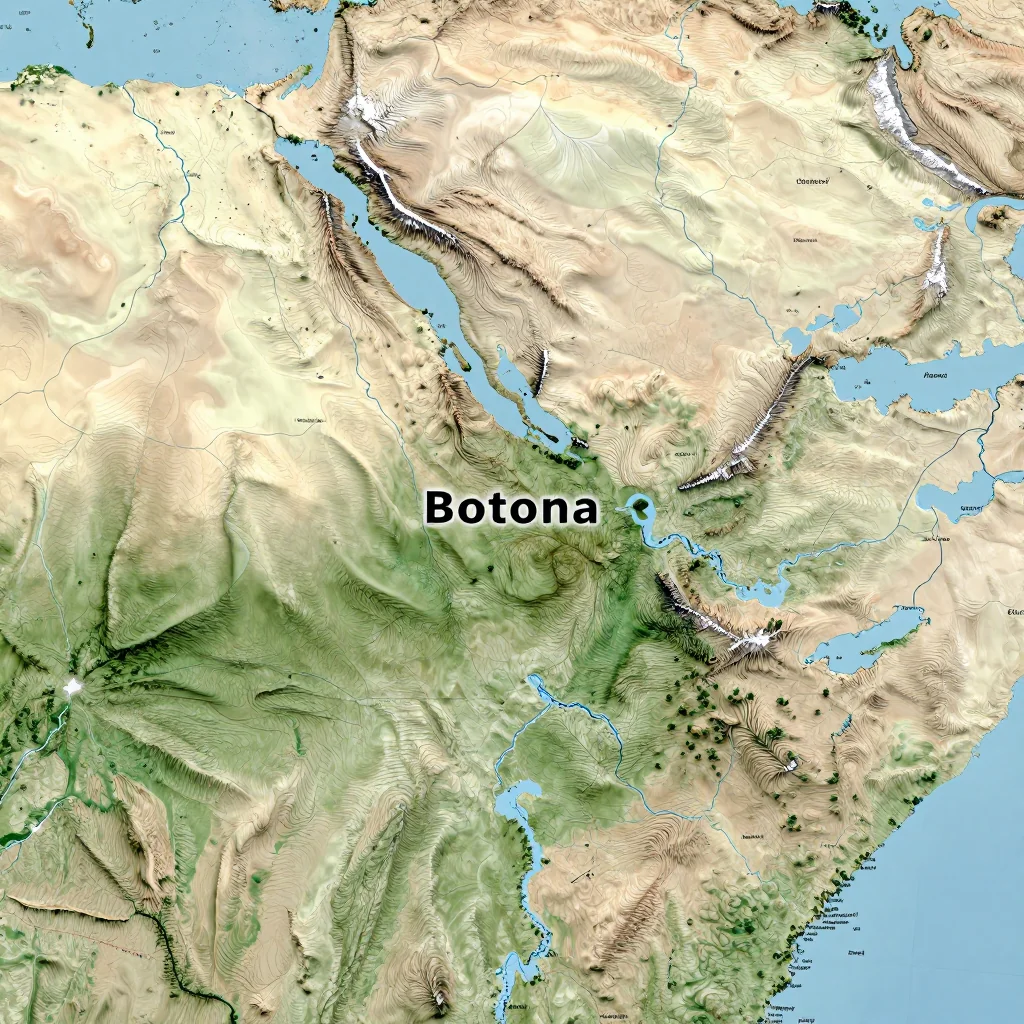
Botswana, a country in Southern Africa, is a land of contrasts and natural wonders. From the vast Kalahari Desert to the lush Okavango Delta, the geography of Botswana is as diverse as it is fascinating. A Botswana map can reveal much more than just borders; it can show the intricate topography, the unique terrain, and the rich tapestry of its landscapes. In this comprehensive guide, you will learn about the different types of maps available for Botswana, each offering unique insights into the country's geography, history, and modern development. Whether you're a geography enthusiast, a traveler, or simply curious about this beautiful nation, this article will provide you with a wealth of information to deepen your understanding.
4. PHYSICAL GEOGRAPHY MAP OF BOTSWANA
A physical geography map of Botswana provides a detailed overview of the country's natural features, including its terrain, topography, and physical features. The map reveals a landscape dominated by the Kalahari Desert, which covers about 70% of the country. The desert's vast, sandy expanses are interspersed with occasional acacia trees and shrubs, creating a unique and often harsh environment. In the north, the Okavango Delta stands out as a lush oasis, a network of waterways and islands that support a rich variety of wildlife. The map also highlights major rivers such as the Chobe and Limpopo, which form natural boundaries and provide vital water resources for the region. Additionally, the map shows the Makgadikgadi Pans, a large salt flat that was once part of an ancient lake. These physical features make Botswana a fascinating study in contrasts, from arid deserts to wetlands teeming with life.
5. SATELLITE VIEW OF BOTSWANA FROM SPACE
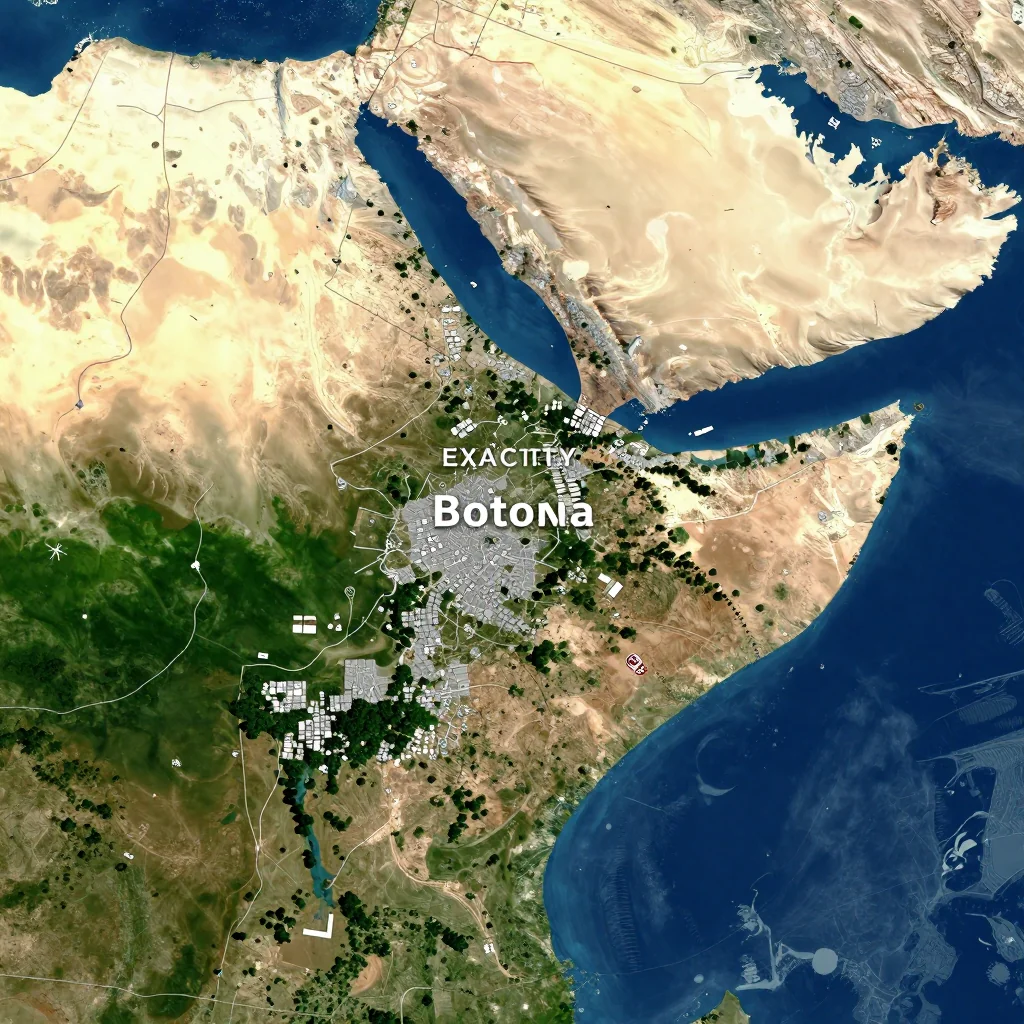
A satellite view of Botswana from space offers a stunning aerial perspective of the country's diverse landscapes. Satellite imagery can reveal the intricate details of the land cover, from the dense greenery of the Okavango Delta to the vast, sandy expanses of the Kalahari Desert. This view also helps in understanding the distribution of urban and rural areas. Major cities like Gaborone, the capital city, and Francistown stand out as clusters of buildings and roads, while rural areas are characterized by scattered settlements and agricultural lands. The satellite view is invaluable for environmental monitoring, urban planning, and assessing the impact of human activities on the natural landscape. It provides a comprehensive and up-to-date picture of Botswana's geography, making it a crucial tool for researchers, policymakers, and travelers alike.
6. TOPOGRAPHIC RELIEF MAP OF BOTSWANA
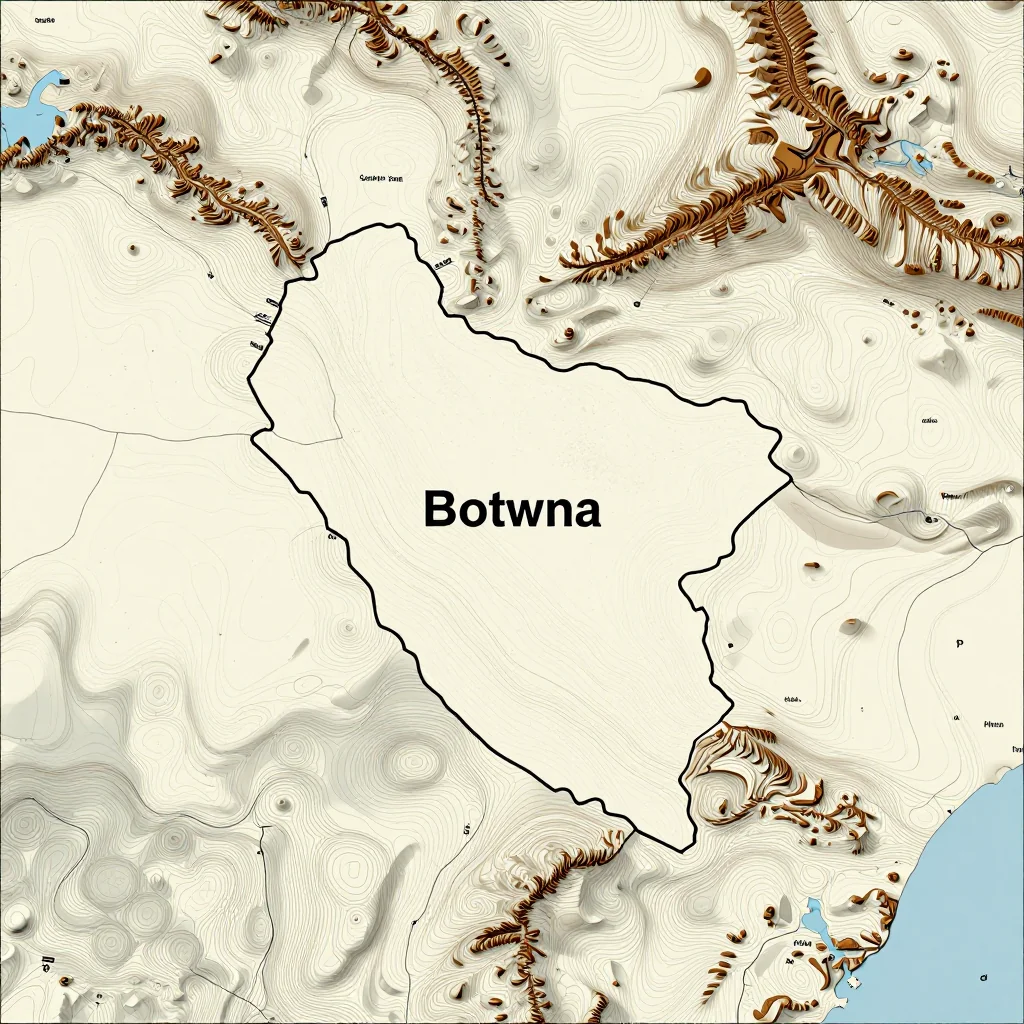
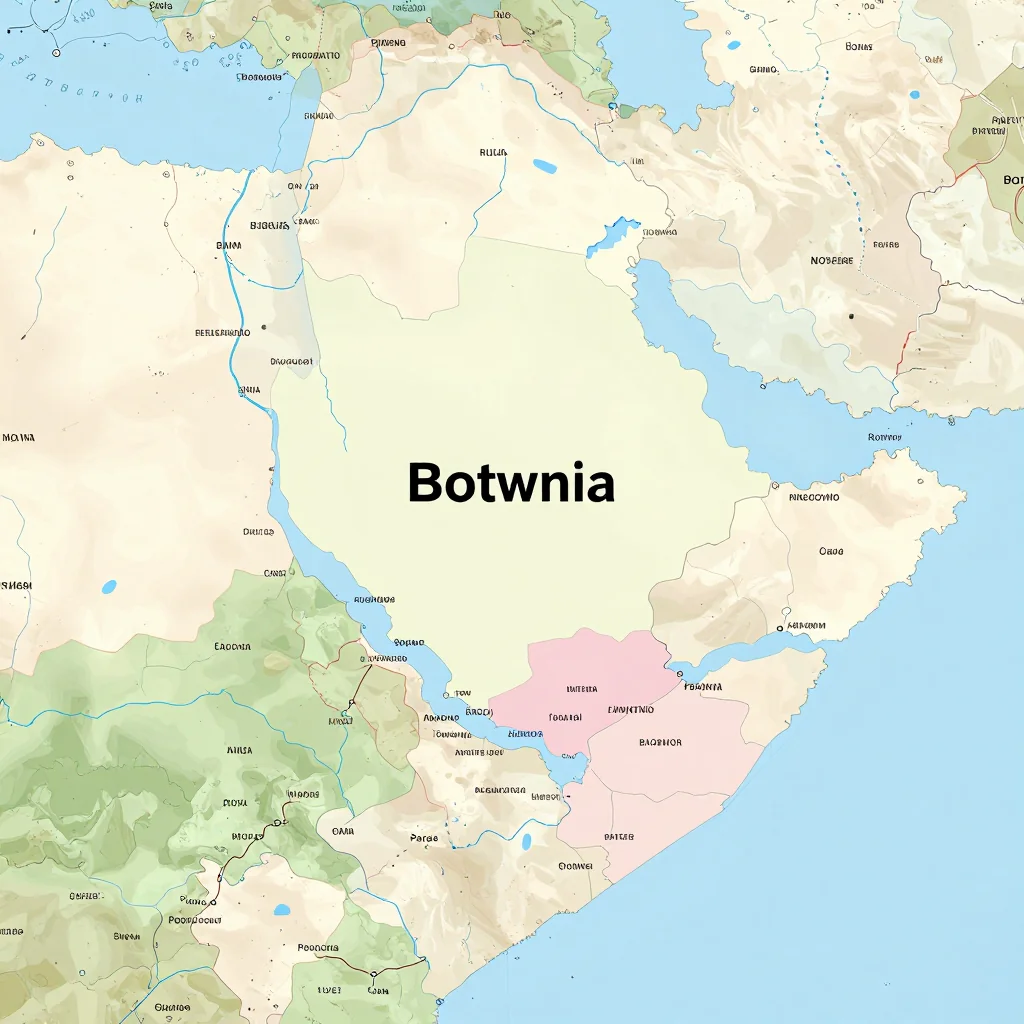
A topographic relief map of Botswana is essential for understanding the country's elevation and terrain variations. This map uses contour lines to represent the relief, or the differences in elevation, across the landscape. The map shows that Botswana is generally flat, with an average elevation of about 1,000 meters above sea level. However, there are notable mountain ranges, such as the Tsodilo Hills in the northwest, which rise to about 1,489 meters. The topographic map also highlights the central plateau, which is slightly higher than the surrounding areas. This region is characterized by gently rolling hills and wide, open plains. The map is particularly useful for hikers, geologists, and anyone interested in the physical geography of Botswana, as it provides a clear visual representation of the terrain's variations and natural features.
7. POLITICAL MAP OF BOTSWANA – ADMINISTRATIVE BOUNDARIES
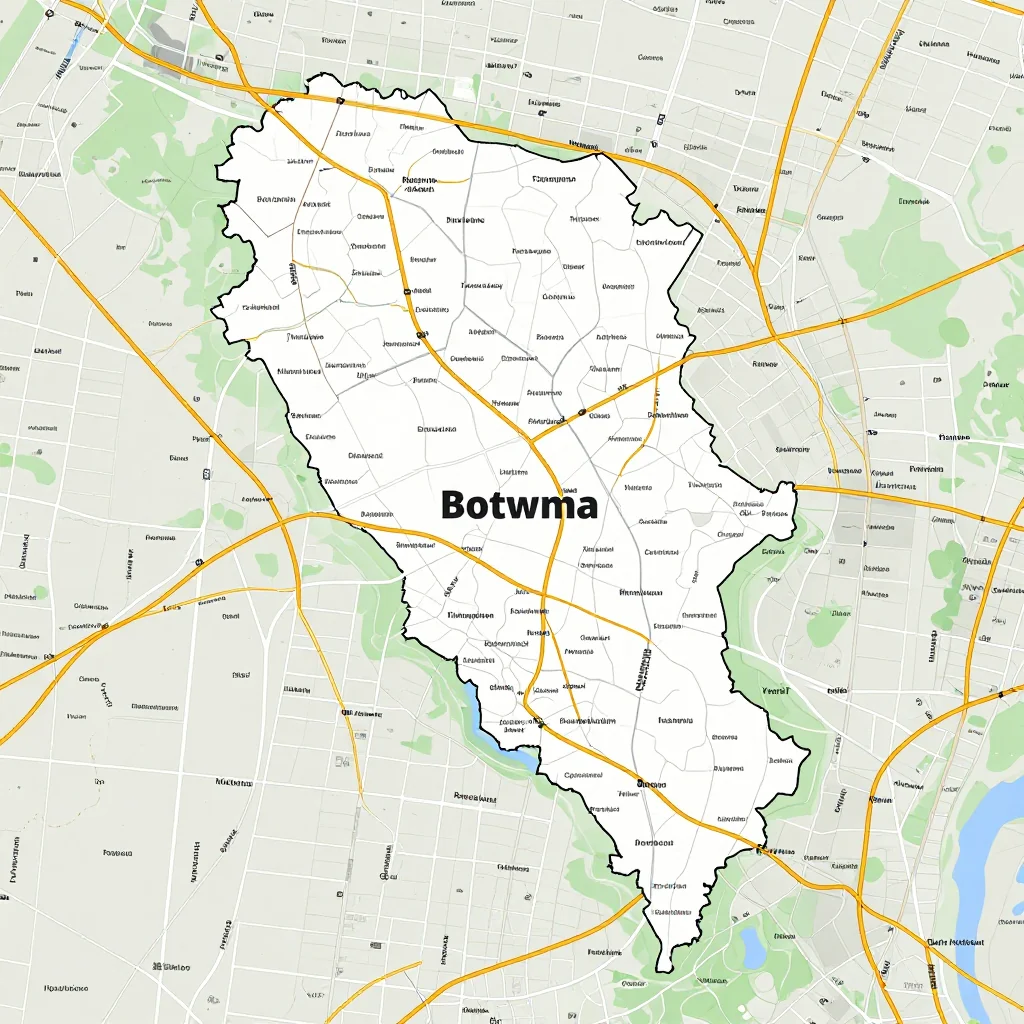
A political map of Botswana is a valuable resource for understanding the country's administrative structure and borders. This map clearly delineates the political boundaries of Botswana, showing its position within Southern Africa. It is bordered by South Africa to the south and southeast, Namibia to the west and north, Zimbabwe to the northeast, and Zambia to the north. The map also highlights the country's eight districts, each with its own unique characteristics and administrative centers. The capital city, Gaborone, is prominently marked, as are other major cities like Francistown, Lobatse, and Selebi-Phikwe. The political map provides insights into the governance structure, showing how the country is divided for administrative purposes and how it interacts with its neighbors.
8. STREET MAP OF BOTSWANA – ROAD NETWORK
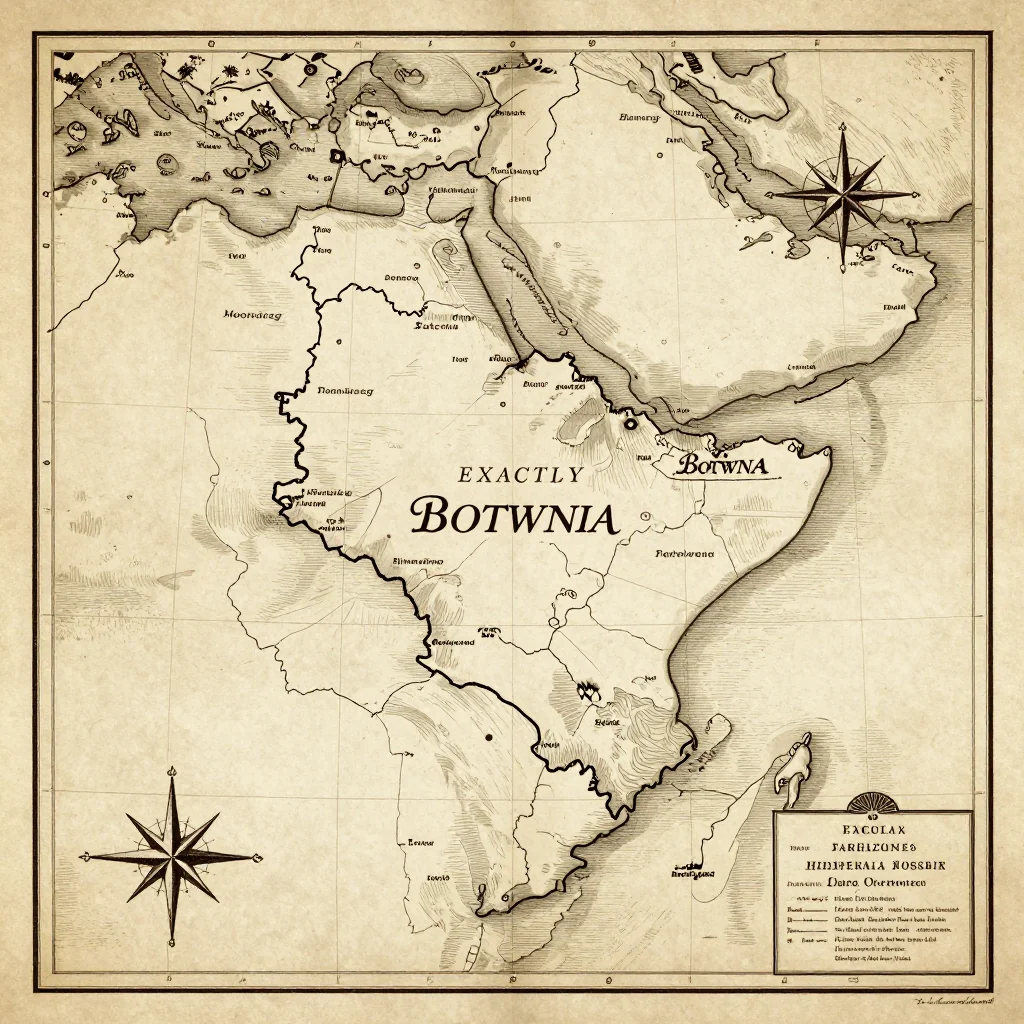
A street map of Botswana is crucial for anyone planning to travel within the country, offering a detailed view of the road network and urban layout. This map shows the major highways, including the A1, which runs from Francistown to Gaborone, and the A3, connecting Gaborone to Lobatse and Molepolole. The map also highlights secondary roads and local streets, making it easier to navigate smaller towns and rural areas. The road network in Botswana is well-developed, with paved roads connecting major cities and gravel roads reaching more remote regions. Urban planning is evident in the layout of cities like Gaborone, where wide avenues and organized neighborhoods facilitate easy movement. The street map is an essential tool for understanding the connectivity of Botswana, whether for business, tourism, or daily commuting.
9. HISTORICAL VINTAGE MAP OF BOTSWANA
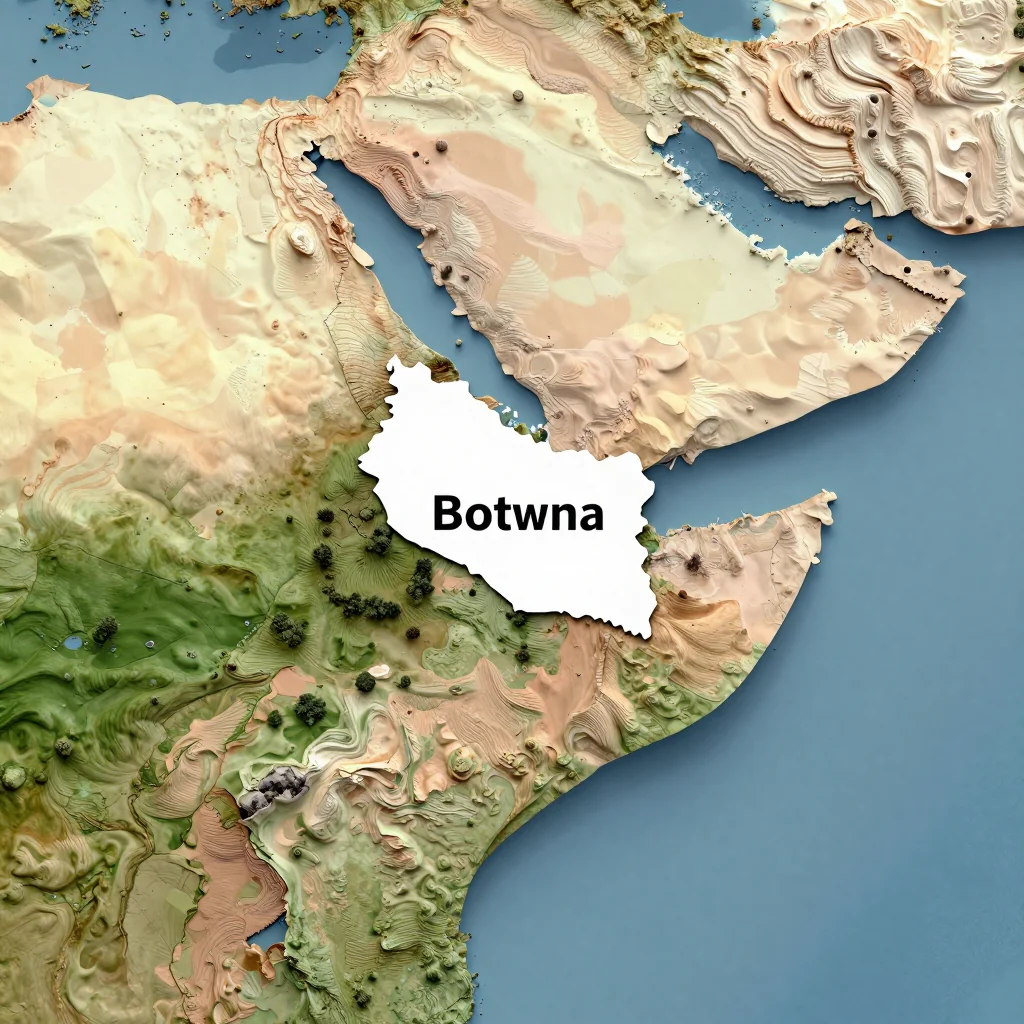
A historical vintage map of Botswana offers a glimpse into the past, showcasing the country's geography as it was understood by early cartographers. These maps often feature ornate designs and detailed annotations, reflecting the artistic and scientific standards of their time. The vintage map of Botswana typically includes the major rivers, such as the Chobe and Limpopo, and the Kalahari Desert, which has been a significant feature of the region for centuries. Historical maps also highlight important landmarks and settlements, providing context for the country's development and the routes taken by early explorers and traders. These antique cartography pieces are not only beautiful but also serve as valuable historical documents, helping to trace the evolution of Botswana's geography and human settlement patterns.

10. 3D ISOMETRIC TOPOGRAPHIC MAP OF BOTSWANA
A 3D isometric topographic map of Botswana offers a dynamic and visually engaging way to explore the country's terrain. This type of map uses isometric projection to create a three-dimensional view of the landscape, making it easier to understand the elevation and topography of different regions. The 3D visualization benefits include a clearer representation of mountain ranges, such as the Tsodilo Hills, and the gentle slopes of the central plateau. It also helps in visualizing the flat expanses of the Kalahari Desert and the intricate waterways of the Okavango Delta. This map is particularly useful for educational purposes and for those who want a more immersive and realistic view of Botswana's geography.