Explore the rich geography of Bulgaria through detailed maps, from its physical features and topography to its political boundaries and urban layouts. Discover the beauty of Bulgaria today!
📋 Table of Contents
- [Physical Geography Map of Bulgaria](#physical-geography-map-of-bulgaria)
- [Satellite View of Bulgaria from Space](#satellite-view-of-bulgaria-from-space)
- [Topographic Relief Map of Bulgaria](#topographic-relief-map-of-bulgaria)
- [Street Map of Bulgaria – Road Network](#street-map-of-bulgaria-road-network)
- [Historical Vintage Map of Bulgaria](#historical-vintage-map-of-bulgaria)
- [3D Isometric Topographic Map of Bulgaria](#3d-isometric-topographic-map-of-bulgaria)
- [Futuristic Cyberpunk Map of Bulgaria](#futuristic-cyberpunk-map-of-bulgaria)
- [Isometric Tourist Map of Bulgaria](#isometric-tourist-map-of-bulgaria)
Introduction
Nestled in southeastern Europe, Bulgaria is a country with a captivating blend of natural beauty and historical significance. From the rugged terrain of the Balkan Mountains to the serene waters of the Black Sea, Bulgaria’s geography is as diverse as it is fascinating. This comprehensive guide will take you on a journey through various types of Bulgaria maps, including physical, political, and tourist maps. By the end of this article, you will have a thorough understanding of Bulgaria's location, borders, and capital city, as well as its unique landscape and urban development. Whether you are a geography enthusiast, a traveler, or simply curious about this beautiful country, you will find this guide both informative and engaging.
Physical Geography Map of Bulgaria
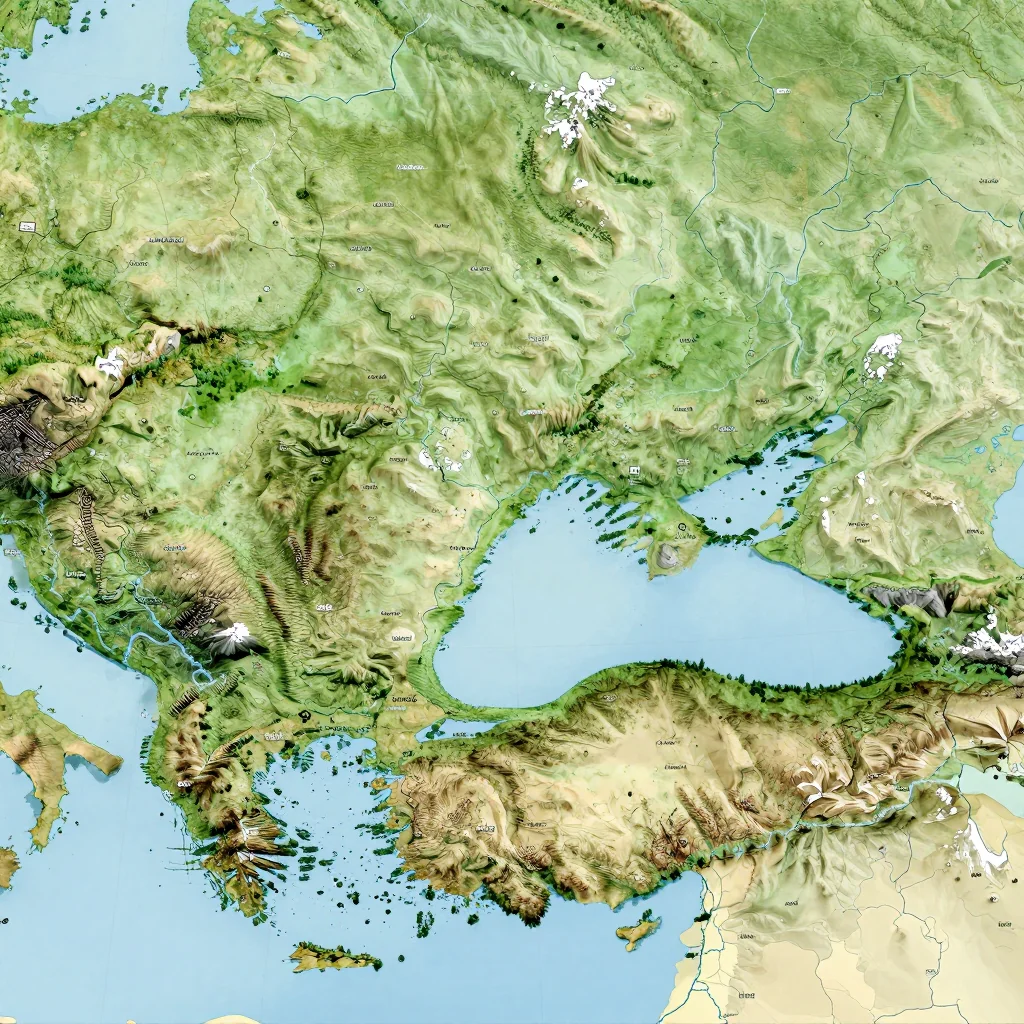
Bulgaria’s physical geography is a testament to its natural diversity. The physical map of Bulgaria reveals a landscape that transitions from the mountainous regions in the north and central parts of the country to the fertile plains of the south and the coastal areas along the Black Sea. The terrain is dominated by the Balkan Mountains, which run east to west across the center of the country. These mountains, along with the Rhodope Mountains in the south, contribute to Bulgaria’s rich topography. The Danube River forms the northern border of Bulgaria, while the Struma and Maritsa Rivers flow through the western and southern regions, respectively. Bulgaria is also home to several lakes, including Lake Burgas and Lake Varna, which add to its scenic beauty. The physical map of Bulgaria highlights the country’s various physical features, such as its extensive mountain ranges, rolling hills, and coastal lowlands. It provides a visual representation of the elevation and landform variations, making it an essential tool for understanding the geographical layout of the region. Whether you are planning a hiking trip or simply interested in the natural landscape, the physical map of Bulgaria offers valuable insights into the country’s unique geographical characteristics.
Satellite View of Bulgaria from Space
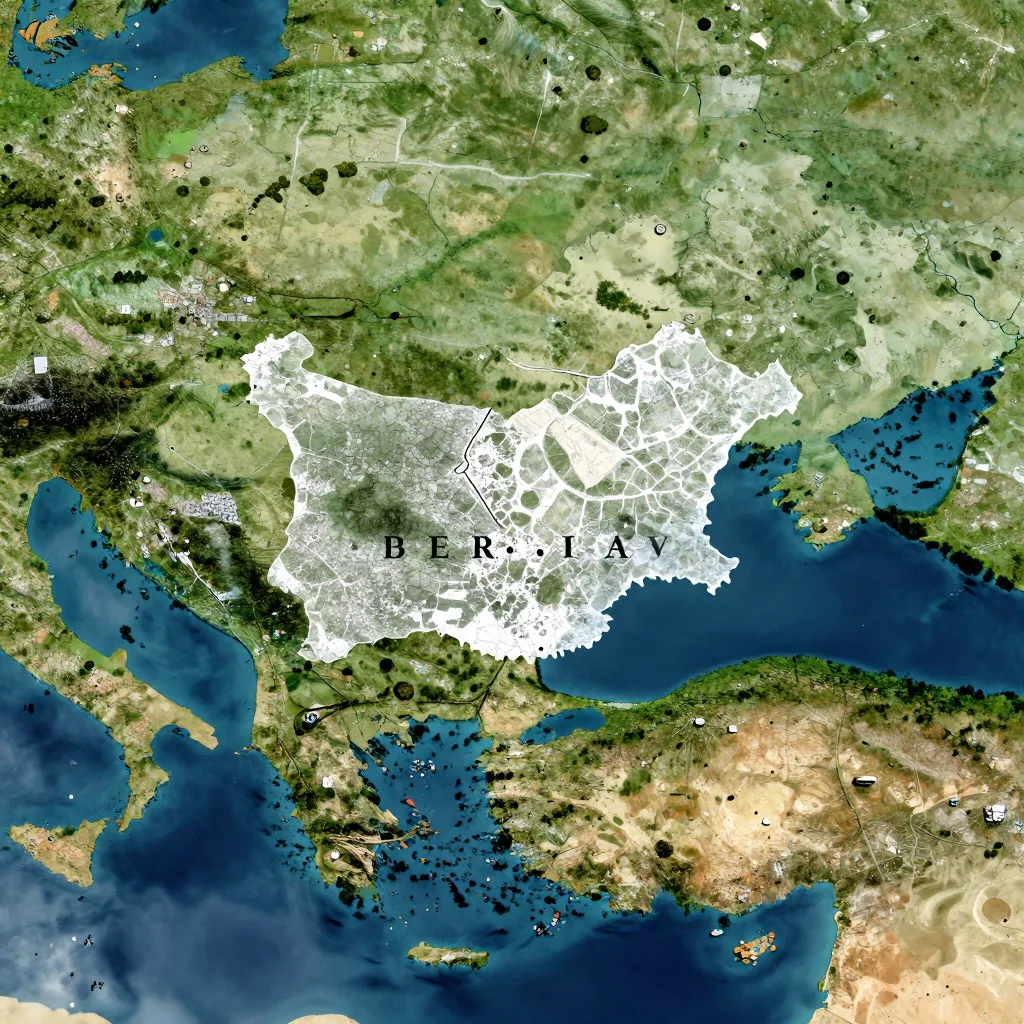
A satellite view of Bulgaria offers a bird's-eye perspective of the country’s land cover and urban development. Satellite imagery shows a mosaic of green forests, agricultural fields, and urban areas, providing a comprehensive overview of the land use and environmental conditions. The Black Sea coast, with its sandy beaches and resort towns, stands out prominently, while the dense forests of the Balkan and Rhodope Mountains appear as dark patches across the central and southern regions. From this aerial view, the distinction between urban and rural areas becomes clear. Sofia, the capital city, is a sprawling metropolis with a well-defined road network and urban infrastructure. Smaller towns and villages are scattered throughout the countryside, often nestled in the valleys and foothills of the mountains. The satellite view of Bulgaria is invaluable for researchers, urban planners, and tourists who want to gain a broader understanding of the country’s landscape and development patterns.
Topographic Relief Map of Bulgaria
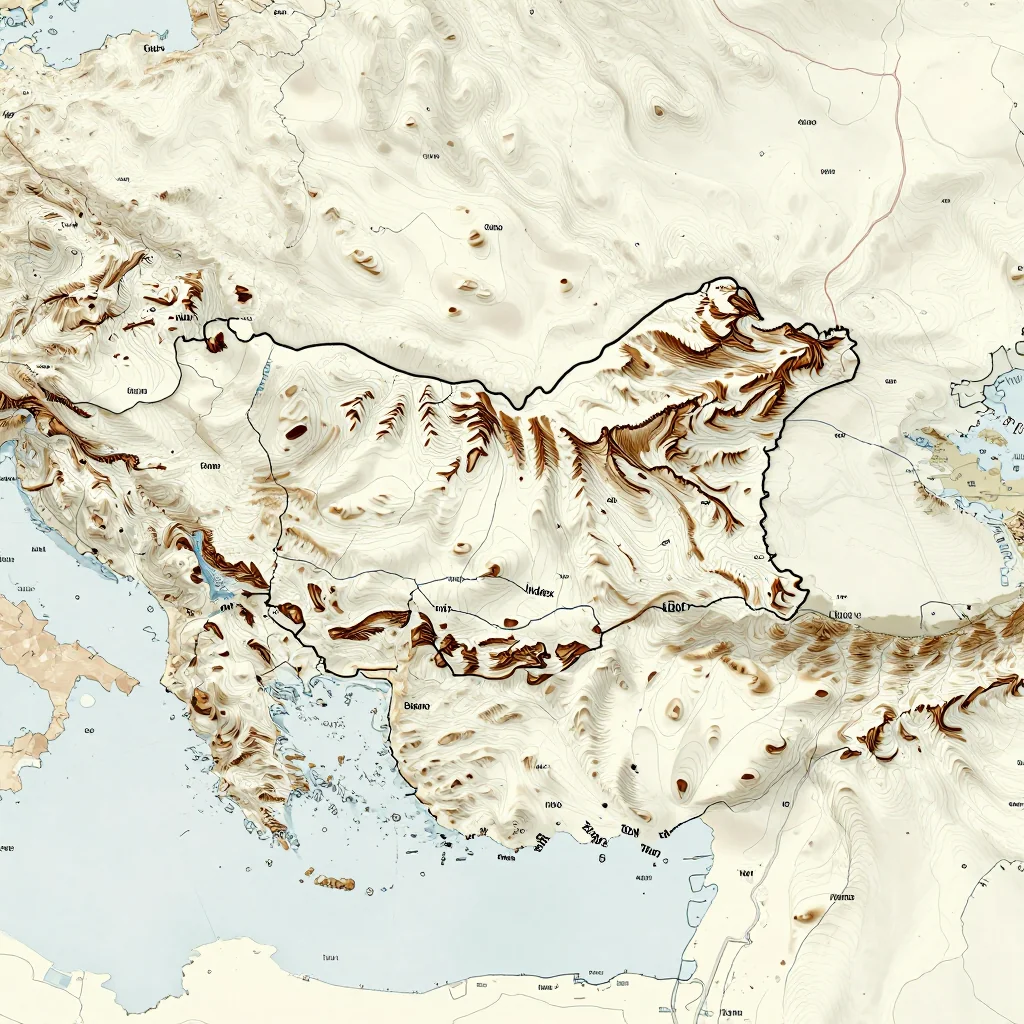
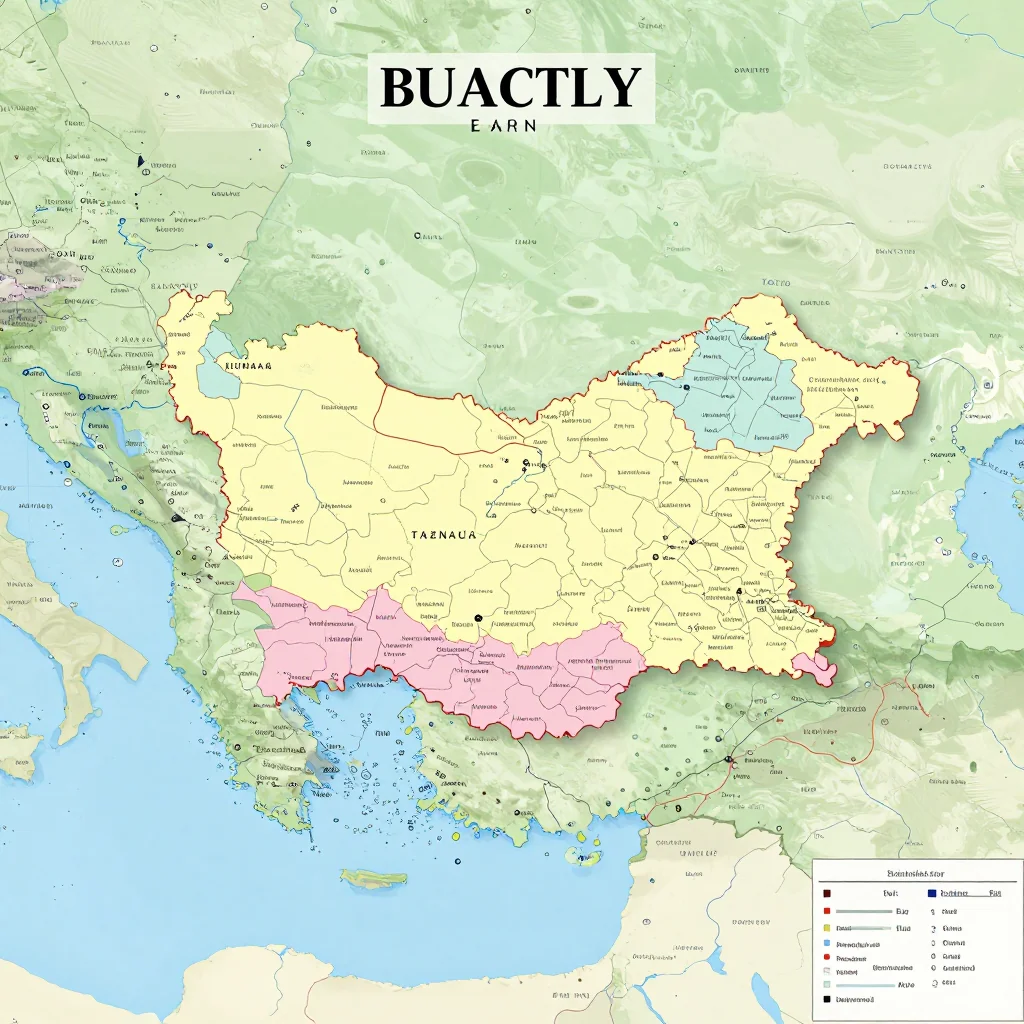
The topographic relief map of Bulgaria is a detailed representation of the country’s elevation and terrain variations. This map uses contour lines to show the different elevations, providing a clear view of the mountain ranges, valleys, and plateaus. The Balkan Mountains, also known as the Stara Planina, are a prominent feature, with peaks reaching over 2,000 meters. The Rhodope Mountains, located in the south, are equally impressive, with their rugged terrain and deep gorges. The topographic relief map of Bulgaria also reveals the fertile Danubian Plain in the north, which is an important agricultural region. The southern Thrace Plain, known for its rich soil, is another significant area. The coastal region along the Black Sea has a more gentle topography, with sandy beaches and low hills. This type of map is particularly useful for hikers, climbers, and anyone planning outdoor activities, as it provides a detailed understanding of the terrain and elevation changes.
Political Map of Bulgaria – Administrative Boundaries
The political map of Bulgaria is a crucial tool for understanding the country’s administrative divisions and governance structure. Bulgaria is divided into 28 provinces, each with its own local government and capital. The political boundaries are clearly marked, showing the extent of each province and the location of major cities. Sofia, the capital city, is the largest and most populous, serving as the political and economic hub of the country. The political map of Bulgaria also highlights the country’s borders with its neighbors: Romania to the north, Serbia to the northwest, Macedonia to the southwest, Greece to the south, and Turkey to the southeast. The map provides a visual representation of the political boundaries, making it easier to understand the administrative divisions and the spatial distribution of governance. For students of political science, policymakers, and travelers, this map is an essential resource for navigating and understanding the country’s political landscape.
Street Map of Bulgaria – Road Network
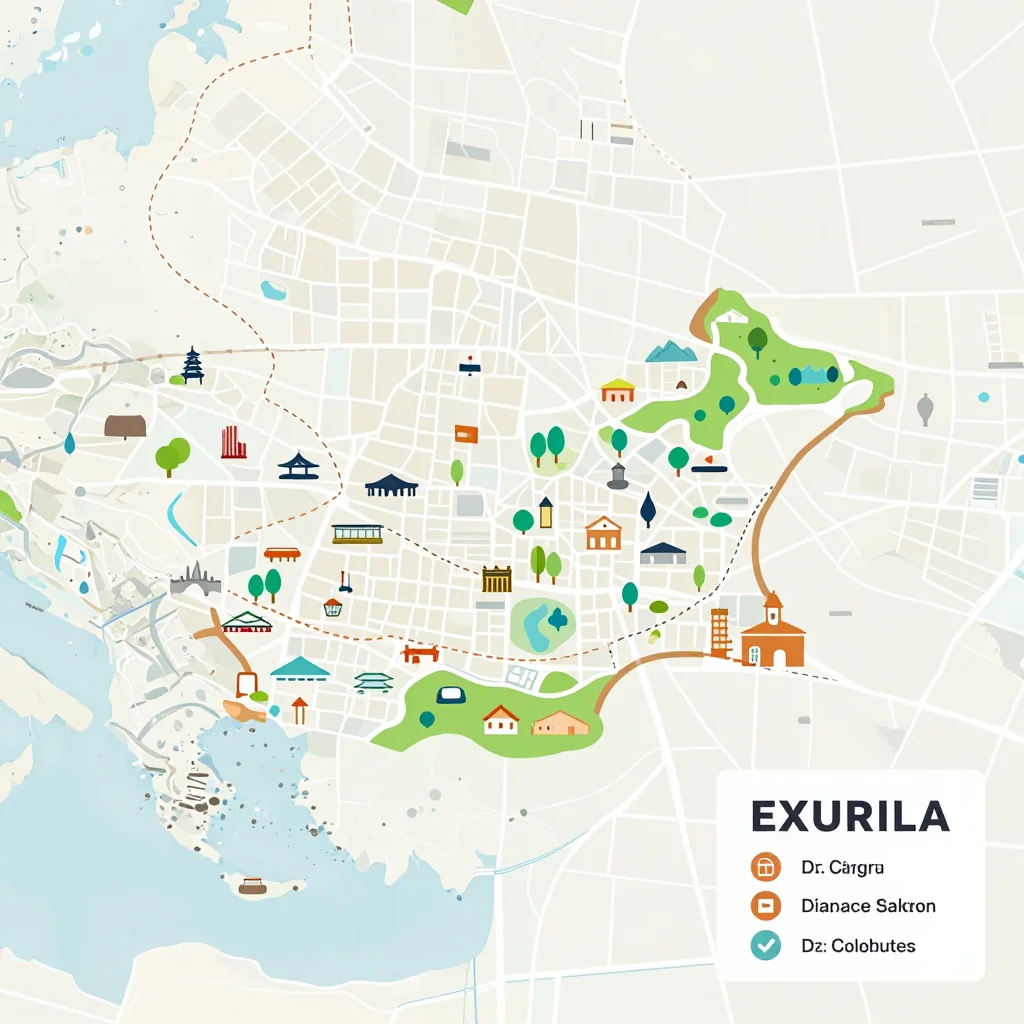
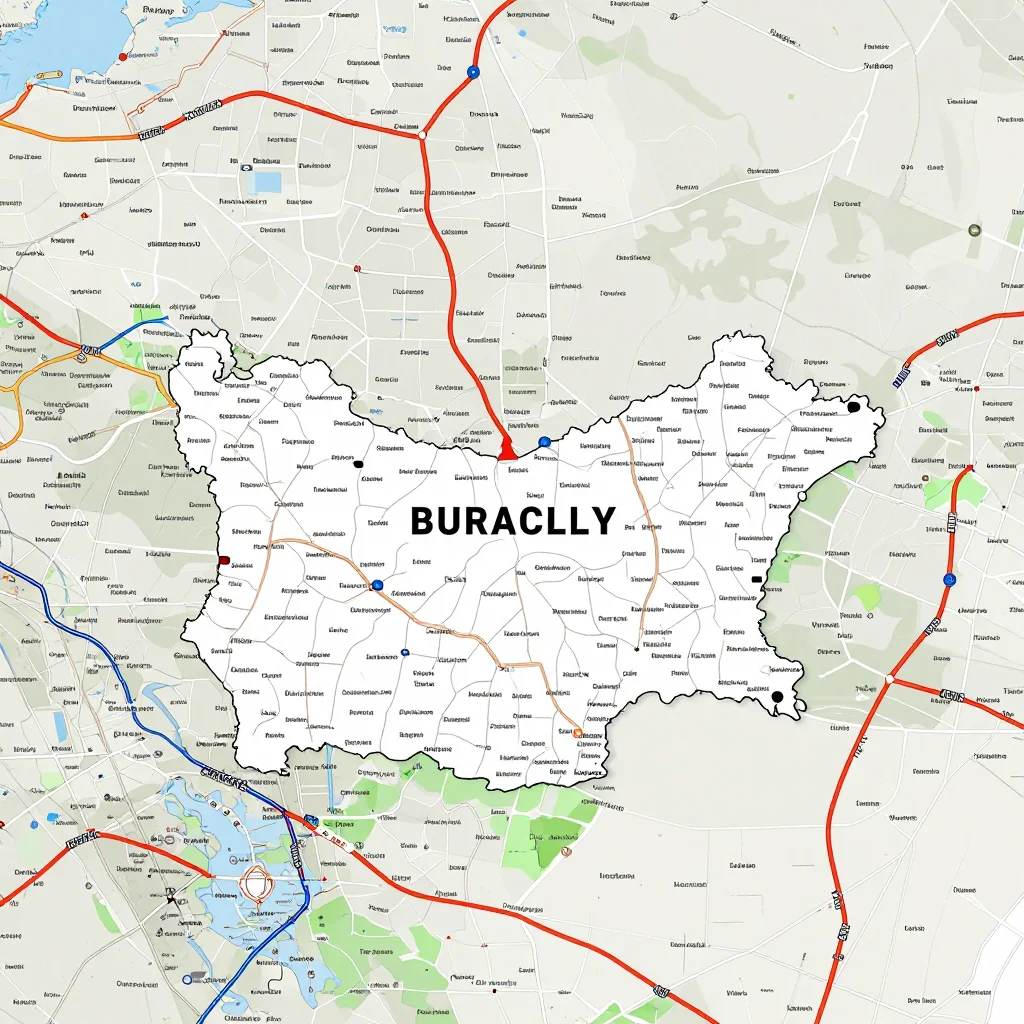
The street map of Bulgaria is a detailed guide to the country’s road network and urban planning. This map shows the major highways, secondary roads, and local streets, providing a clear picture of the transportation infrastructure. Sofia, the capital city, has a well-developed road network, with modern highways connecting it to other major cities and regions. The urban layout of Sofia is characterized by wide boulevards and a grid-like structure, making it easy to navigate. In addition to the capital, other cities such as Plovdiv, Varna, and Burgas have robust road systems that support both local and regional transportation. The street map of Bulgaria is particularly useful for travelers and commuters, as it helps them plan their routes and understand the connectivity between different parts of the country. Whether you are driving, using public transportation, or exploring on foot, this map is an indispensable resource for getting around Bulgaria.
Historical Vintage Map of Bulgaria
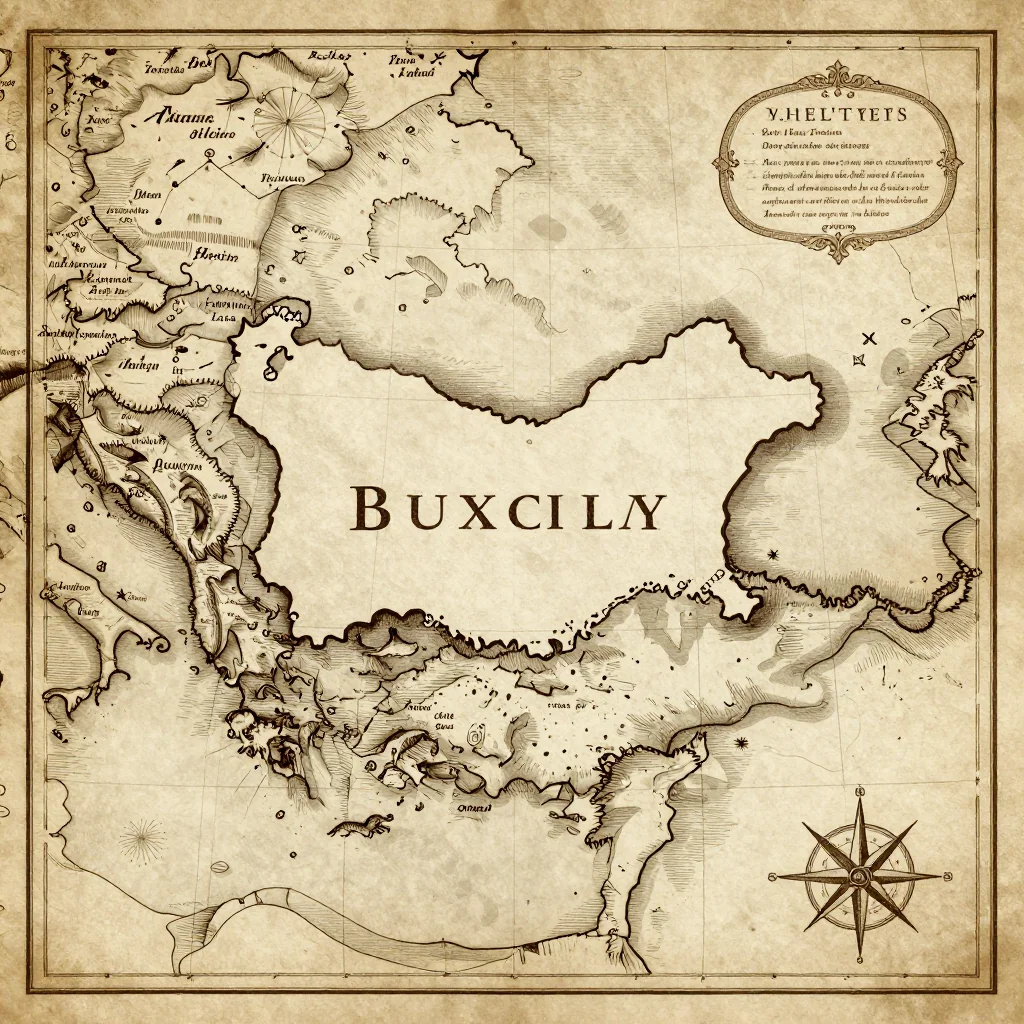
The historical vintage map of Bulgaria offers a glimpse into the country’s past through the lens of antique cartography. These maps, often created in the 19th and early 20th centuries, feature a unique style that emphasizes artistic beauty and historical accuracy. The vintage maps of Bulgaria typically show the country’s borders during different periods of its history, highlighting changes in territorial boundaries and the evolution of its political landscape. The historical map of Bulgaria is a valuable resource for researchers and history enthusiasts, as it provides insight into how the country was mapped and understood in earlier times. The intricate details and decorative elements of these maps make them not only informative but also aesthetically pleasing. By studying these vintage maps, one can appreciate the rich historical context of Bulgaria and its geographical development over the years.

3D Isometric Topographic Map of Bulgaria
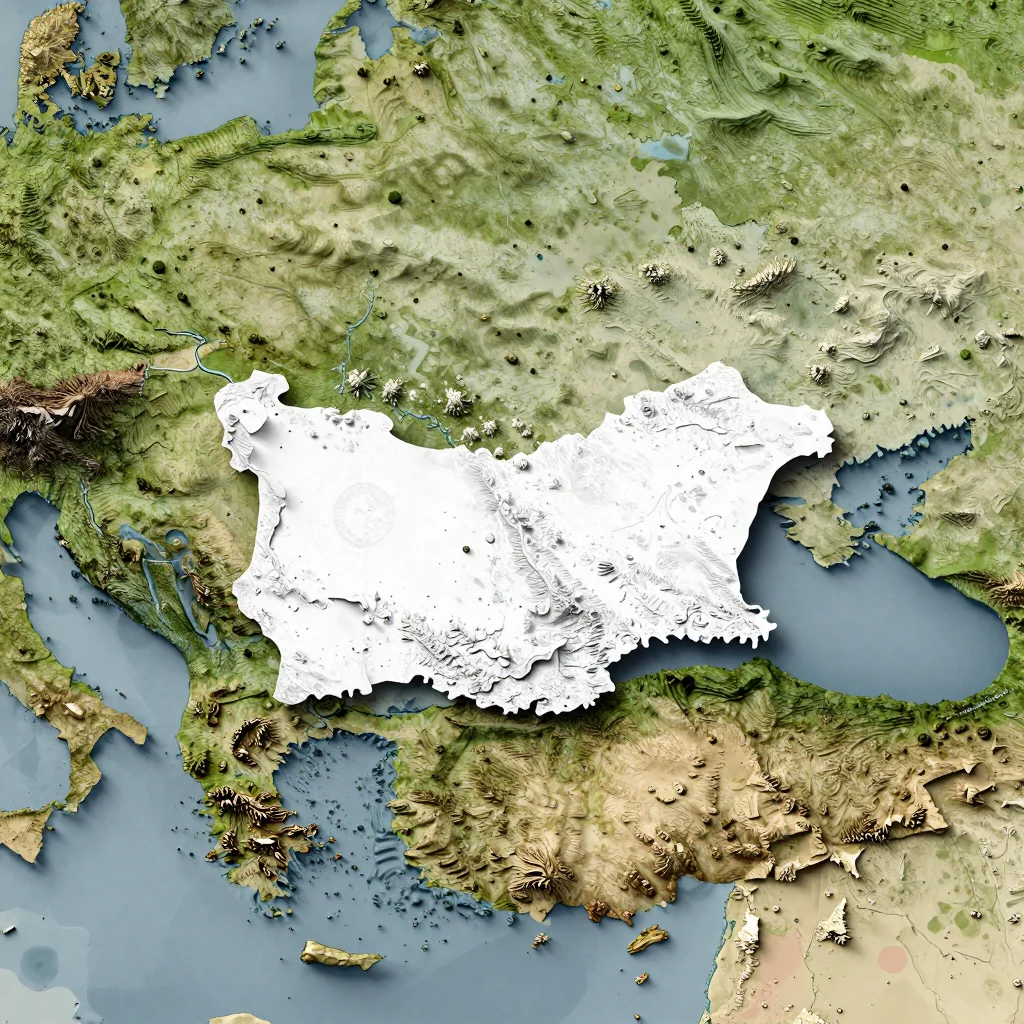
The 3D isometric topographic map of Bulgaria brings the country’s terrain to life through detailed visualizations. This type of map uses a three-dimensional perspective to show the elevation and topography, making it easier to understand the landscape’s complexity. The Balkan Mountains, with their sharp peaks and deep valleys, are particularly striking in this format. The Rhodope Mountains and the Danubian Plain also stand out, providing a clear view of the country’s diverse landforms. The 3D visualization of Bulgaria’s topography is especially useful for educational purposes and for those who want a more immersive understanding of the country’s geography. It helps in visualizing the terrain variations and the spatial relationships between different geographical features. Whether you are a student, a teacher, or a geography enthusiast, the 3D isometric topographic map of Bulgaria is a powerful tool for exploring the country’s natural beauty and geological features.