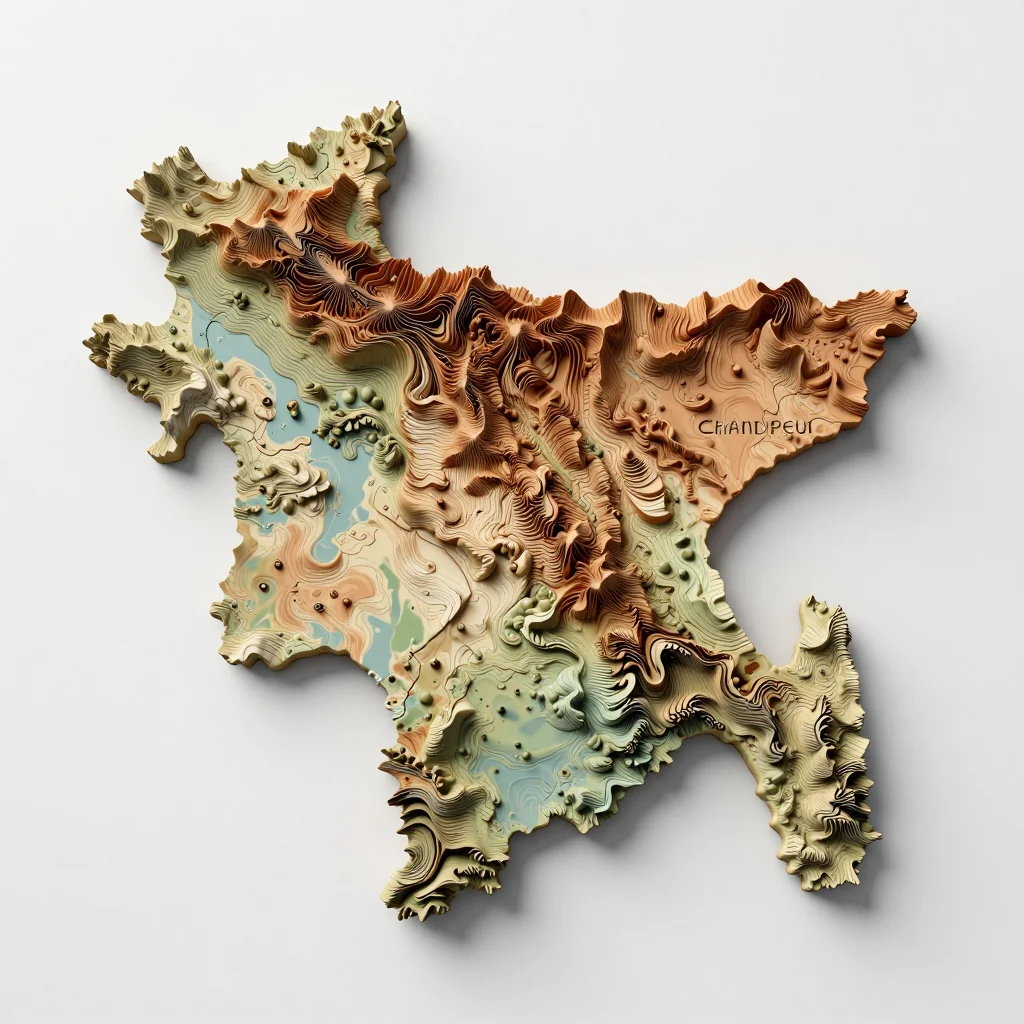
Chandpur, a vibrant city in southeastern Bangladesh, serves as the administrative hub of Chandpur District. Nestled along the meandering Meghna River, it is a blend of rich history, cultural heritage, and serene riverine landscapes, making it a unique destination in the country. This article explores Chandpur’s location, history, neighborhoods, transportation, landmarks, and why it stands out as a must-visit destination.
**Location And Setting**
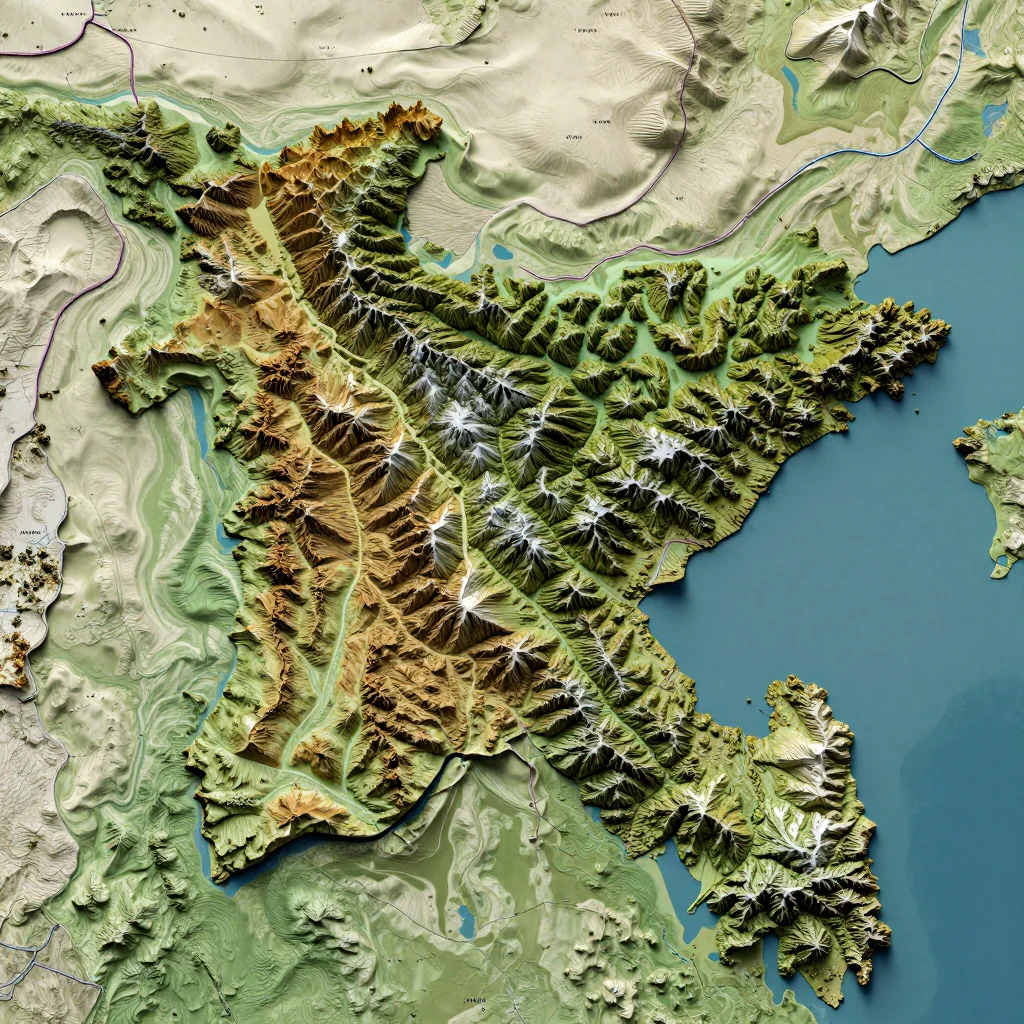
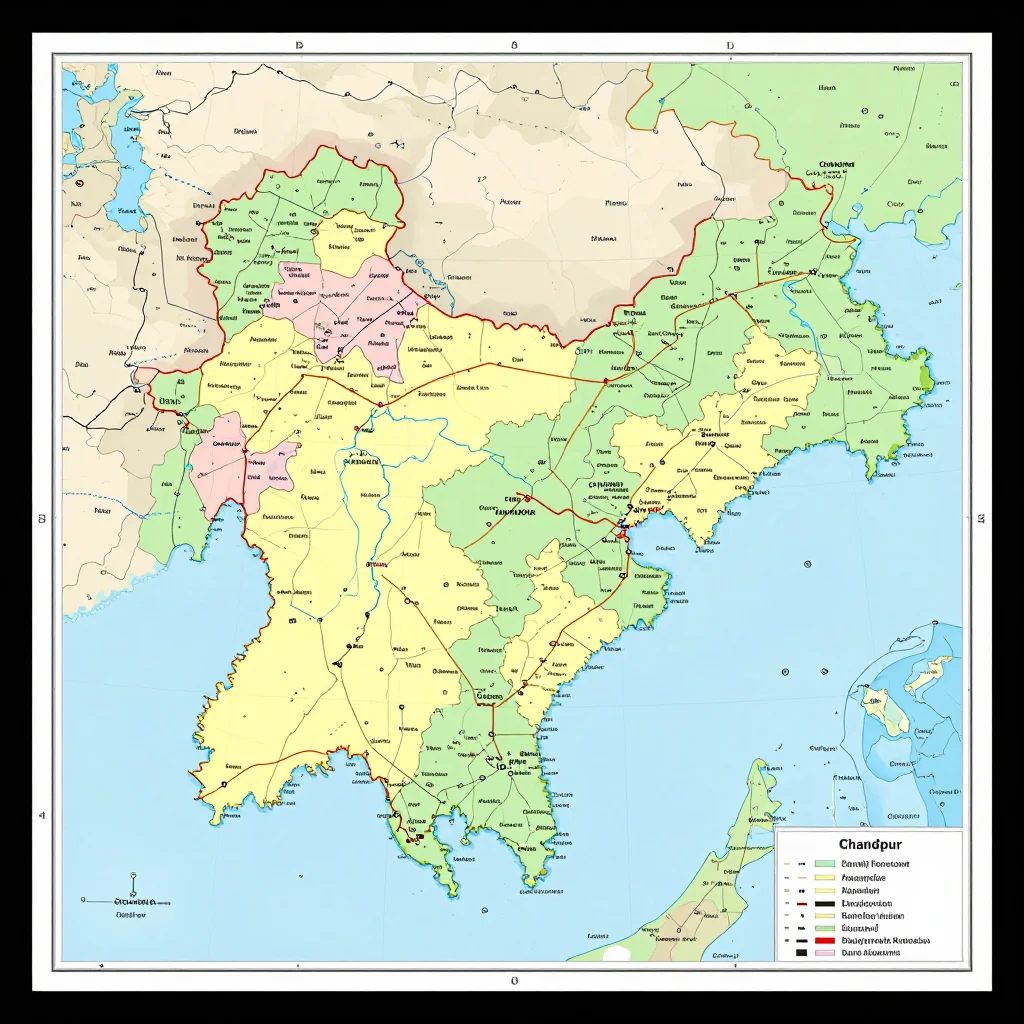
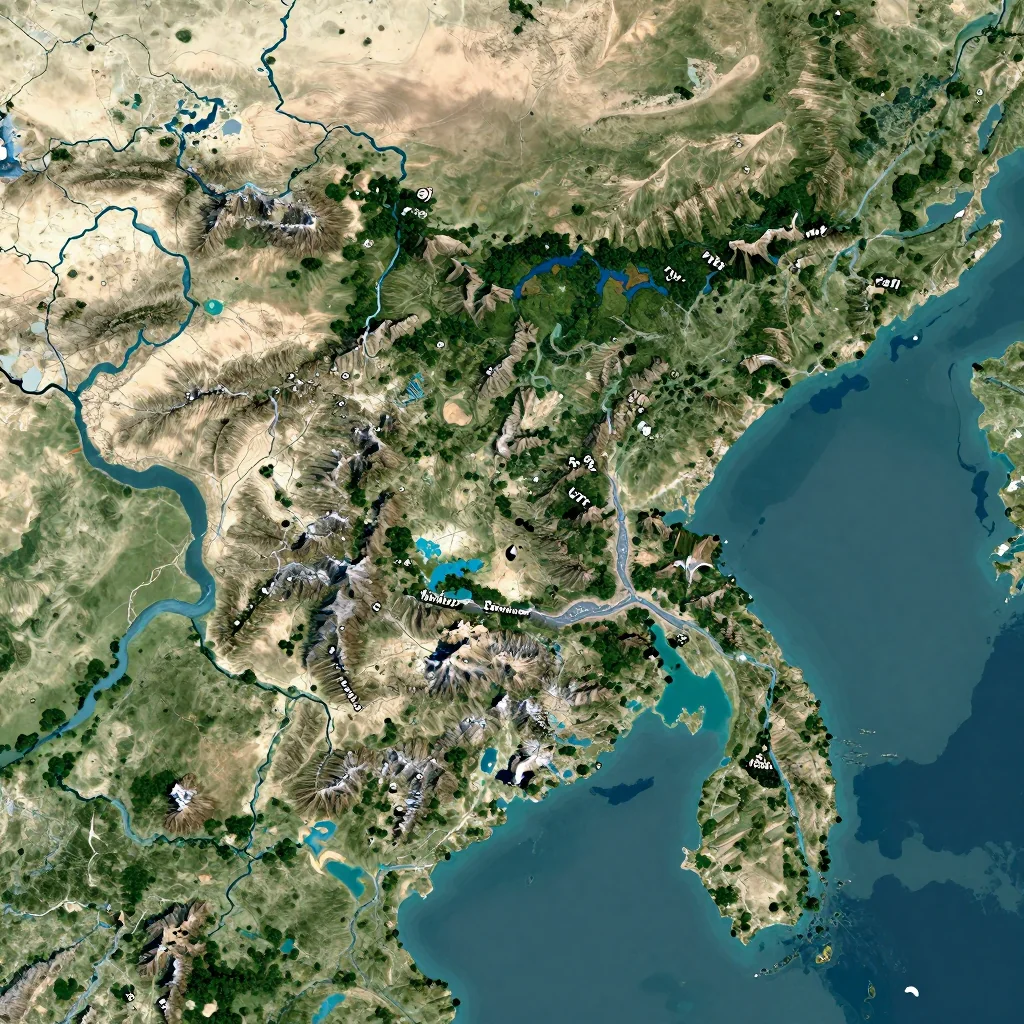
Chandpur is strategically located in the heart of the Meghna River Delta, bordered by the Padma and Meghna rivers. Situated at the confluence of these two mighty rivers, the city is surrounded by lush green farmlands, wetlands, and waterways, giving it a distinct aquatic character. Geographically, it is flanked by Bhola to the south, Noakhali to the east, Comilla to the north, and Laxmipur to the west. The region’s low-lying topography, frequent flooding, and dense network of rivers shape its agrarian economy and daily life, where boats often serve as primary modes of transport.
**History And Significance**
Chandpur’s historical roots trace back to ancient times when it was part of the kingdom of Harikela. During the Mughal era, it emerged as a strategic trading post due to its proximity to major river routes. The 18th-century Chandpur Fort, a crumbling stone structure, stands as a testament to this legacy. Culturally, the city is renowned for its traditional crafts, including pottery and woodwork, and hosts vibrant festivals like Nobanno, a harvest celebration. It also holds literary significance, as the poet Rabindranath Tagore stayed at the historic Ramna Kuthi, inspiring his works.
**Neighborhoods And Districts**
Chandpur is divided into seven upazilas (sub-districts), including Chandpur Sadar, Matlab, and Mawa. The Sadar area, the administrative and commercial heart, features government offices, markets, and the iconic fort. Matlab, a hub for education and healthcare, houses the renowned Matlab Health Research Center. Mawa, known for its cultural landmarks, includes the Mathbari Temple, a regional pilgrimage site. The city’s layout is compact, with riverside quays, bustling markets, and residential neighborhoods intertwined with green spaces.
**Transportation**
Chandpur is accessible via National Highway 17, connecting it to Dhaka (130 km north) and Sylhet. The upcoming Padma Multipurpose Bridge will further enhance connectivity. Buses and buses-vans (shoras) are the primary overland transport, while ferries and launches traverse the rivers to Bhola and Noakhali. The nearest international airport is Osmani International Airport in Sylhet, approximately 150 km away. Locally, cycle rickshaws and boats dominate, reflecting its riverine essence.
**Landmarks And Attractions**
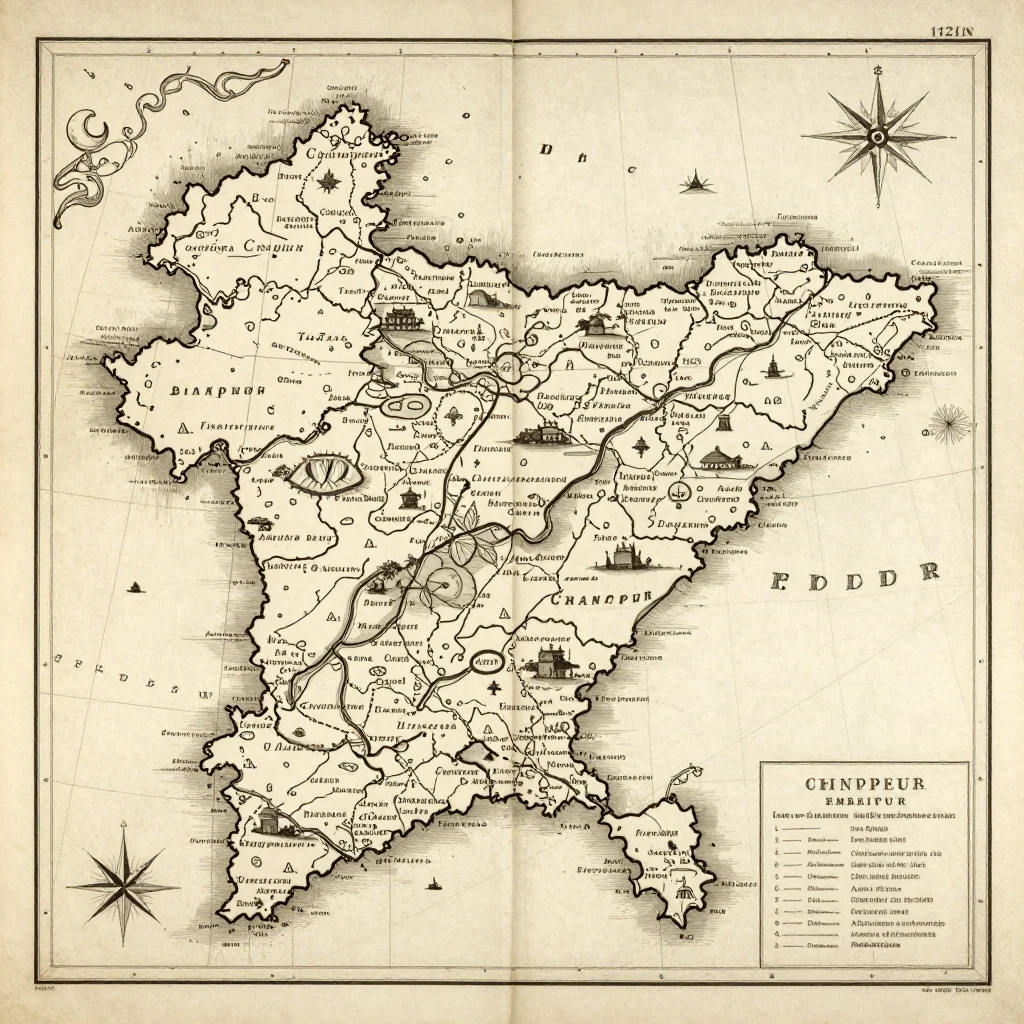
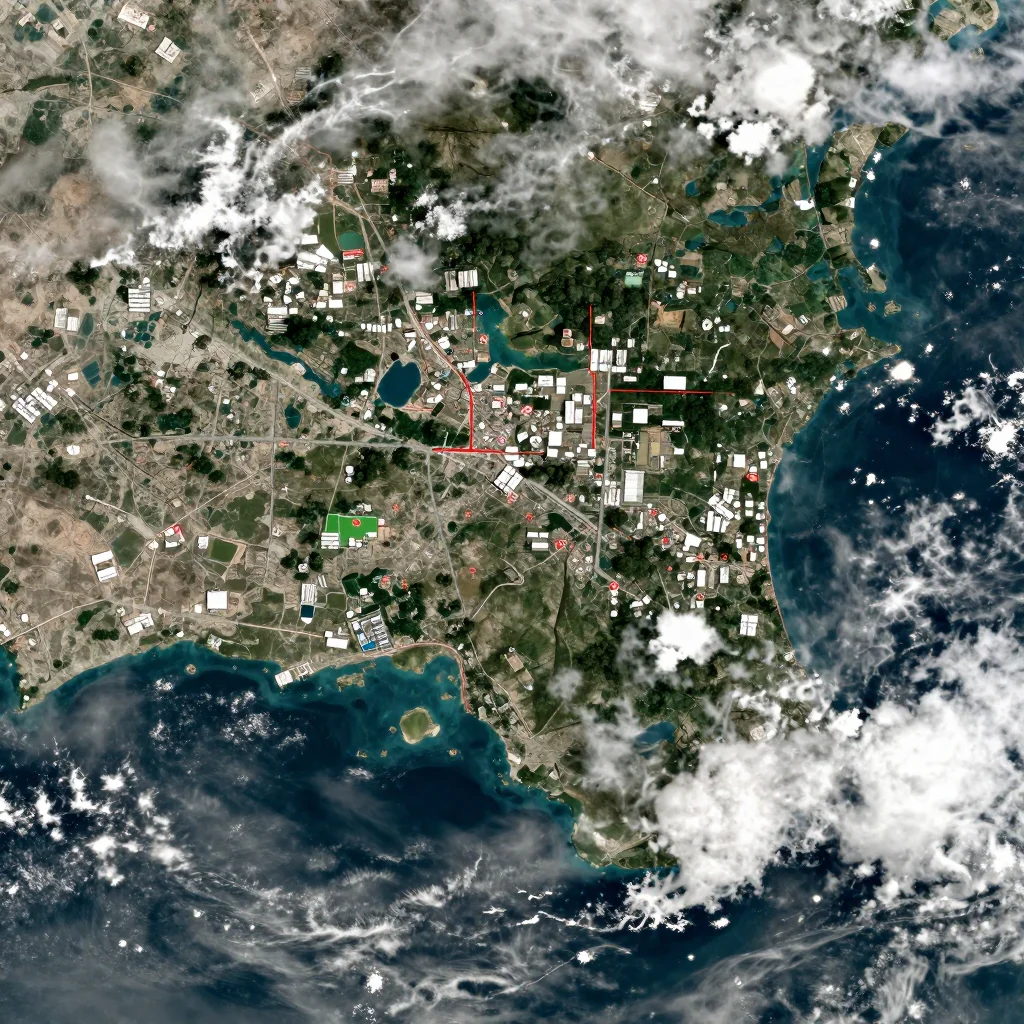
1. **Chandpur Fort**: A 1700s Mughal-era fort offering insights into the city’s colonial past. 2. **Ramna Kuthi**: A historic house where Tagore penned verses, now a cultural landmark. 3. **Mathbari Temple**: A revered Hindu temple in nearby Mawa, known for its annual festivals. 4. **Chandpur Textile Mill**: A symbol of local industry, showcasing traditional weaving. 5. **Riverfront Quays**: Scenic spots for boat rides and watching sunrise/sunset over the Meghna River. 6. **Chandpur Bazar**: A bustling market offering local crafts, textiles, and riverine cuisine.
**Conclusion**
Chandpur’s charm lies in its harmonious blend of history, culture, and natural beauty. From its Mughal-era fort to the serene Meghna River, the city offers a gateway to Bangladesh’s rural soul. Its significance as a historical trade center, cultural crossroads, and agricultural heartland makes it a hidden gem in the country. Whether exploring neighborhoods, savoring local cuisine, or witnessing festivals, Chandpur invites visitors to experience a Bangladesh that is both timeless and evolving. *Keywords*: Chandpur map, Chandpur city guide, Chandpur Bangladesh, Chandpur districts.