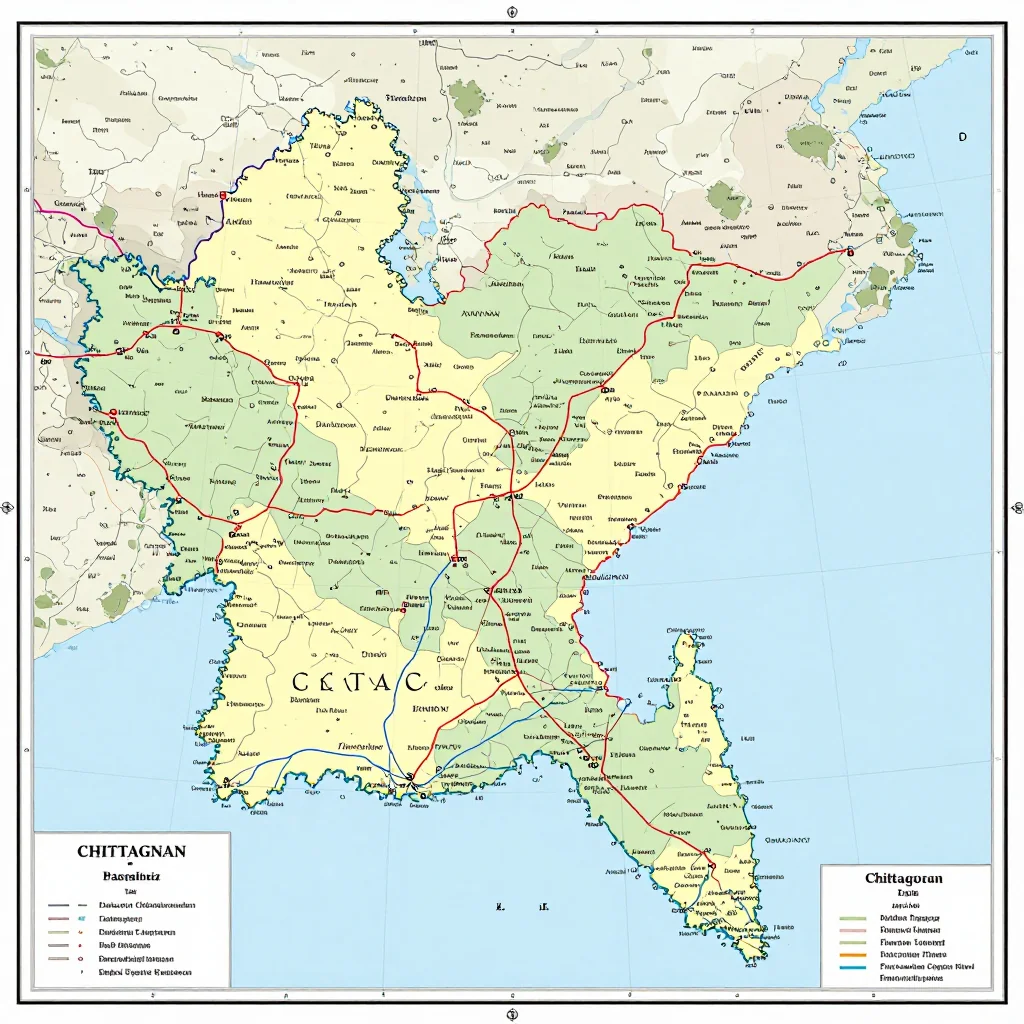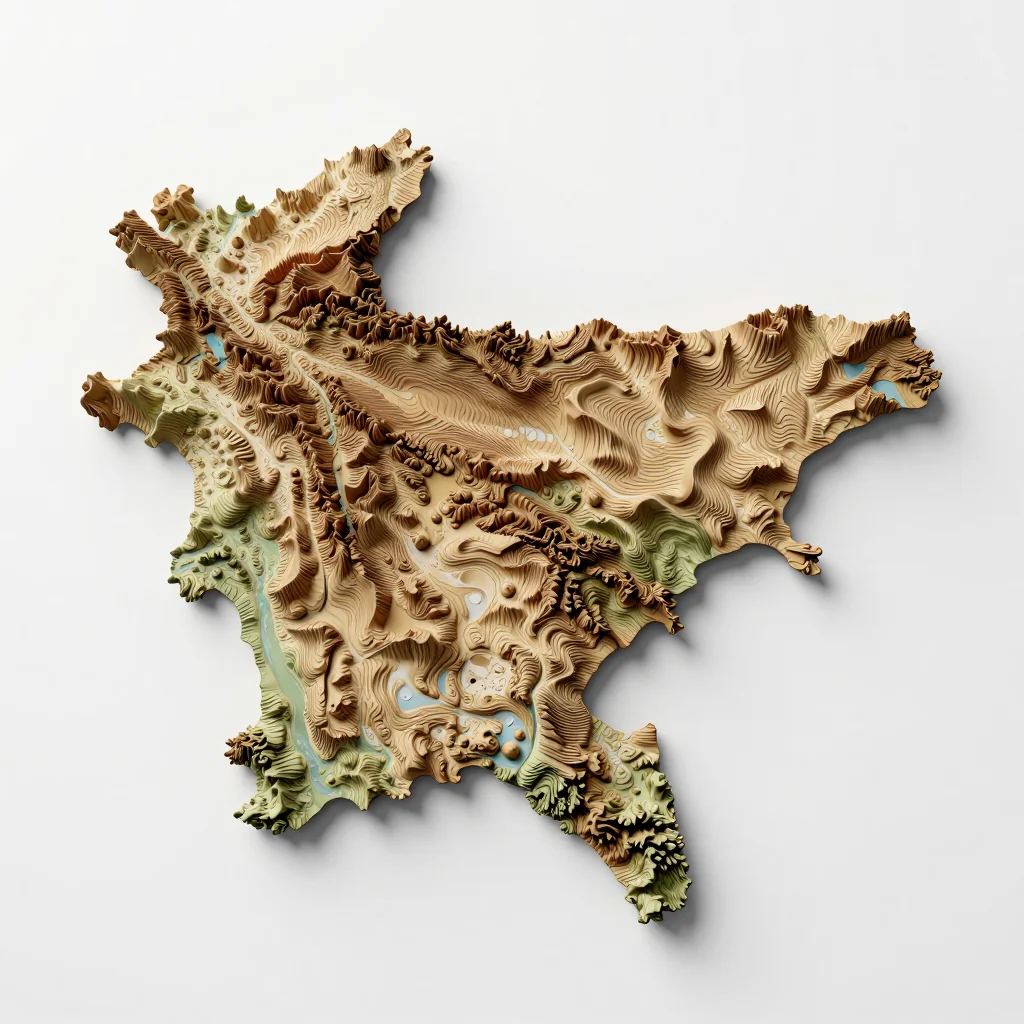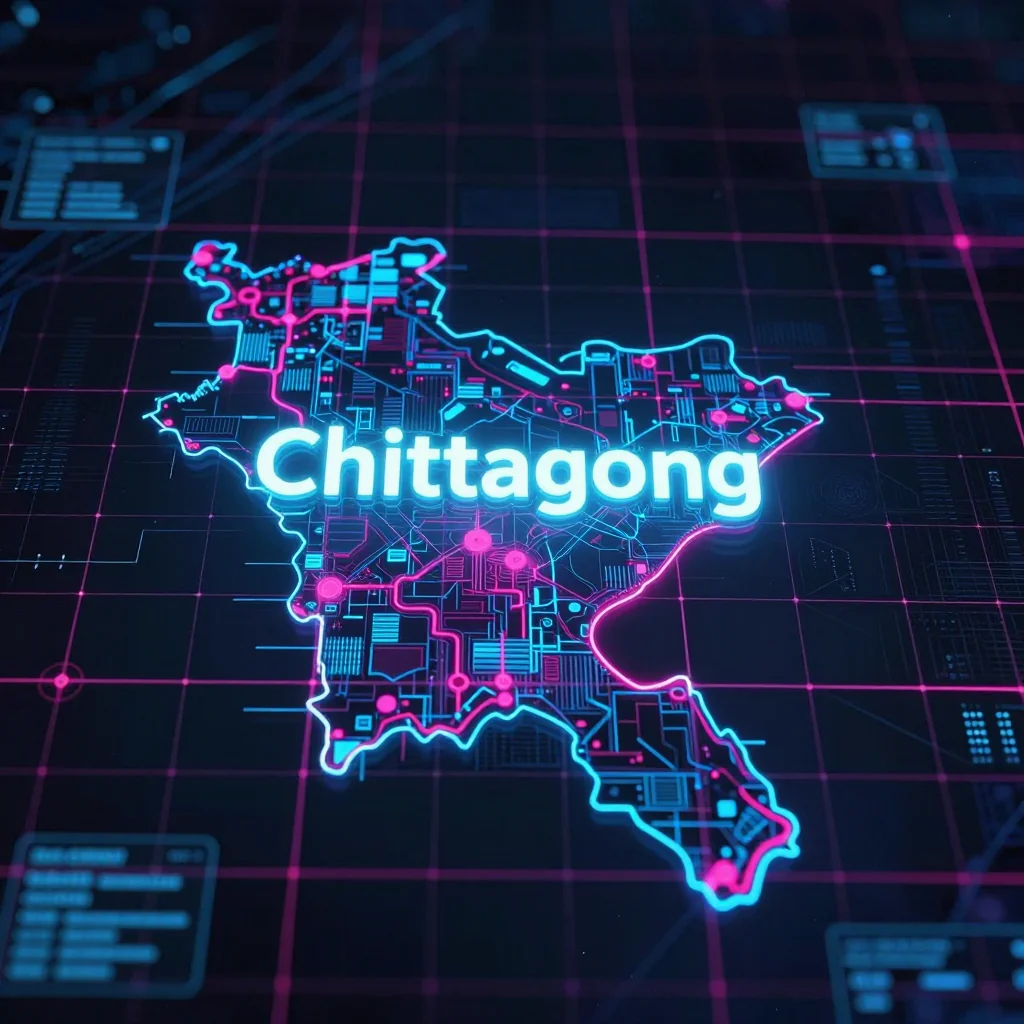
Chittagong, located in southeastern Bangladesh, is the country’s second-largest city and a bustling commercial and industrial hub. Known for its strategic port, cultural diversity, and natural beauty, Chittagong serves as a gateway to the Bay of Bengal and plays a vital role in Bangladesh’s economy and history.
**Location And Setting**
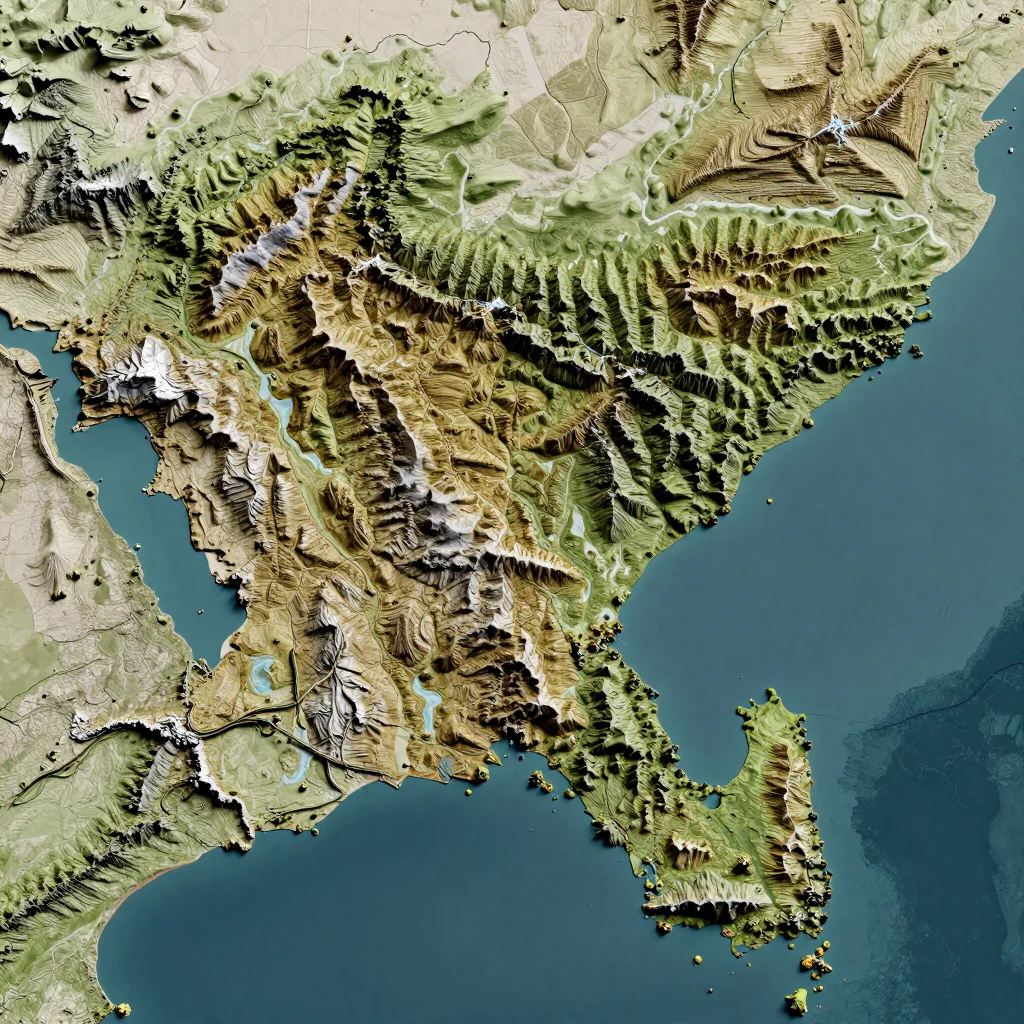
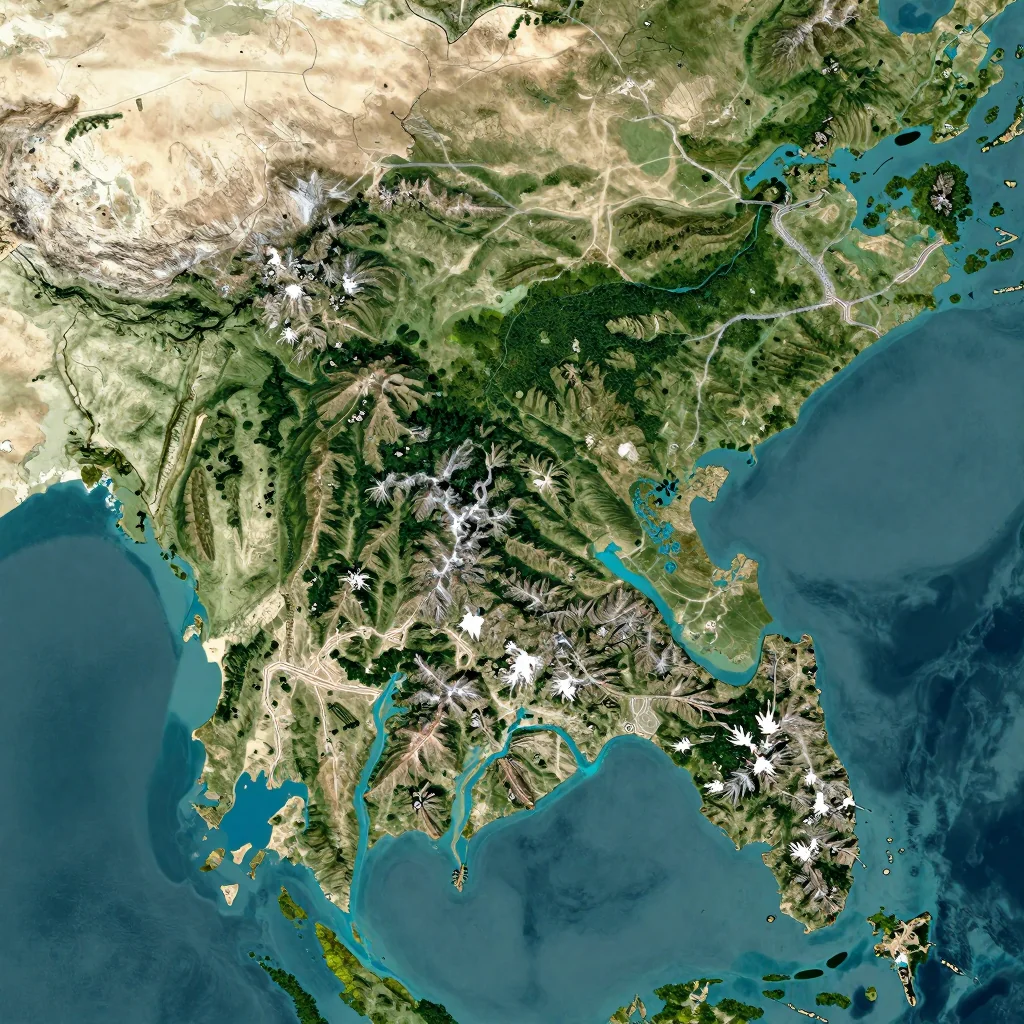
Situated at the confluence of the Karnaphuli River and the Bay of Bengal, Chittagong is surrounded by the Chittagong Hill Tracts and the Eastern Himalayan foothills. Its hilly terrain, lush green valleys, and coastal geography create a unique landscape blending mountainous beauty with maritime activity. The city’s port, the largest in Bangladesh, is nestled between the river and the sea, making it a critical link for international trade.
**History And Significance**
Chittagong’s history dates back over 3,000 years, with archaeological evidence suggesting it was a major trading port during the Mauryan Empire. The city’s name derives from the word “Cittaka,” mentioned in ancient Sanskrit texts. Over time, it fell under the influence of the Kingdom of Arakan, Mughal rulers, and later the British Raj, who expanded its port facilities in the 19th century. Chittagong’s strategic location made it a focal point during Bangladesh’s independence movement, and its people played a pivotal role in the 1971 Liberation War. Today, the city’s cultural tapestry reflects its diverse heritage, with communities of Bengalis, ethnic minorities, and expatriates coexisting.
**Neighborhoods And Districts**
Chittagong is divided into administrative districts, including Pahartali, Kotwali, Halishahar, and Faujdarhat. *Pahartali*, a modern residential and educational area, houses the University of Chittagong. *Kotwali*, the historic old city, features colonial-era buildings, vibrant markets, and religious sites like the Shrine of Bayazid Bostami. *Halishahar* is a bustling commercial district with shopping centers and restaurants, while *Faujdarhat* is an industrial zone. Smaller neighborhoods like Agrabad and Gendaria add to the city’s dynamic mix of residential and business areas.
**Transportation**
Chittagong’s transportation network revolves around its port, which handles 90% of the country’s imports and exports. The city is connected to Dhaka via the **Dhaka-Chittagong Highway**, a major artery for road travel. Public transport includes buses, minibuses (*microbuses*), and the Chittagong City Transport (*CTC*), which operates air-conditioned coaches. The **Shah Amanat International Airport** facilitates domestic and limited international flights, while ferries and cyclos (cycle rickshaws) provide local connectivity.
**Landmarks And Attractions**
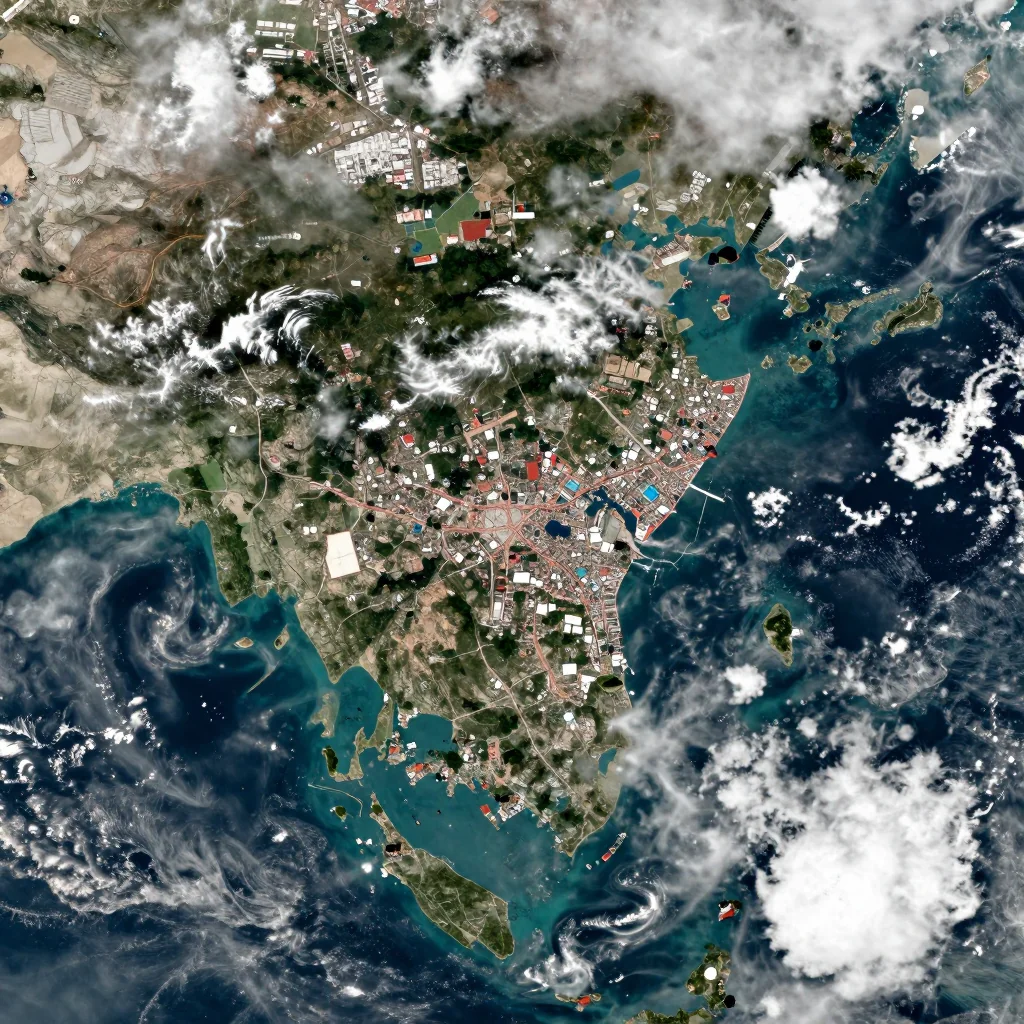
Chittagong boasts a blend of natural and historical sites. Key attractions include: – **Port of Chittagong**: A vital economic hub and symbol of the city’s maritime legacy. – **Ethnological Museum**: Showcases the cultural heritage of Bangladesh’s indigenous communities. – **Bayazid Bostami Dargah**: A revered Sufi shrine attracting devotees of all faiths. – **Patenga Beach**: A scenic coastal area offering sunset views and relaxation. – **Chittagong College**: A historic institution founded in 1910, symbolizing the city’s educational spirit. – **Karnaphuli River Drive**: A popular spot for evening strolls and boat rides. – **Chittagong Hill Tracts Rainforests**: Accessible via nearby Rangamati and Bandarban, these jungles offer eco-tourism opportunities.
**Conclusion**
Chittagong stands out as a multifaceted city where history, culture, and nature converge. Its strategic port, rich heritage, and scenic landscapes make it a must-visit destination in Bangladesh. Whether exploring colonial-era landmarks, savoring local cuisine, or immersing in the energy of its markets, Chittagong offers a unique glimpse into Bangladesh’s diversity and dynamism.