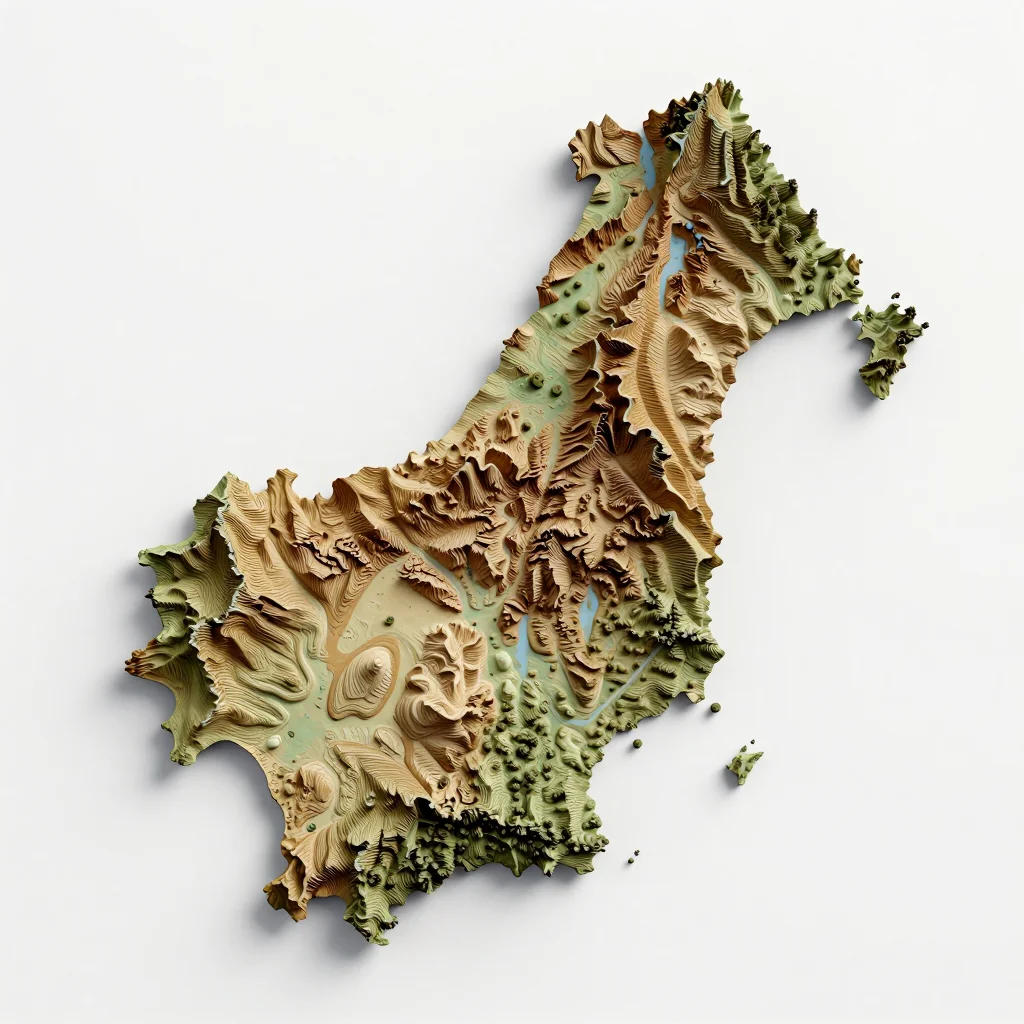
Nestled on the western coast of Barbuda, Codrington is the administrative and cultural heart of this small Caribbean island, part of Antigua and Barbuda. Known for its serene landscapes and rich history, the town offers a tranquil escape from the bustling resorts of Antigua. With a population under 2,000, Codrington blends natural beauty, colonial heritage, and vibrant local culture, making it a must-visit destination for travelers seeking authenticity.
**Location And Setting**
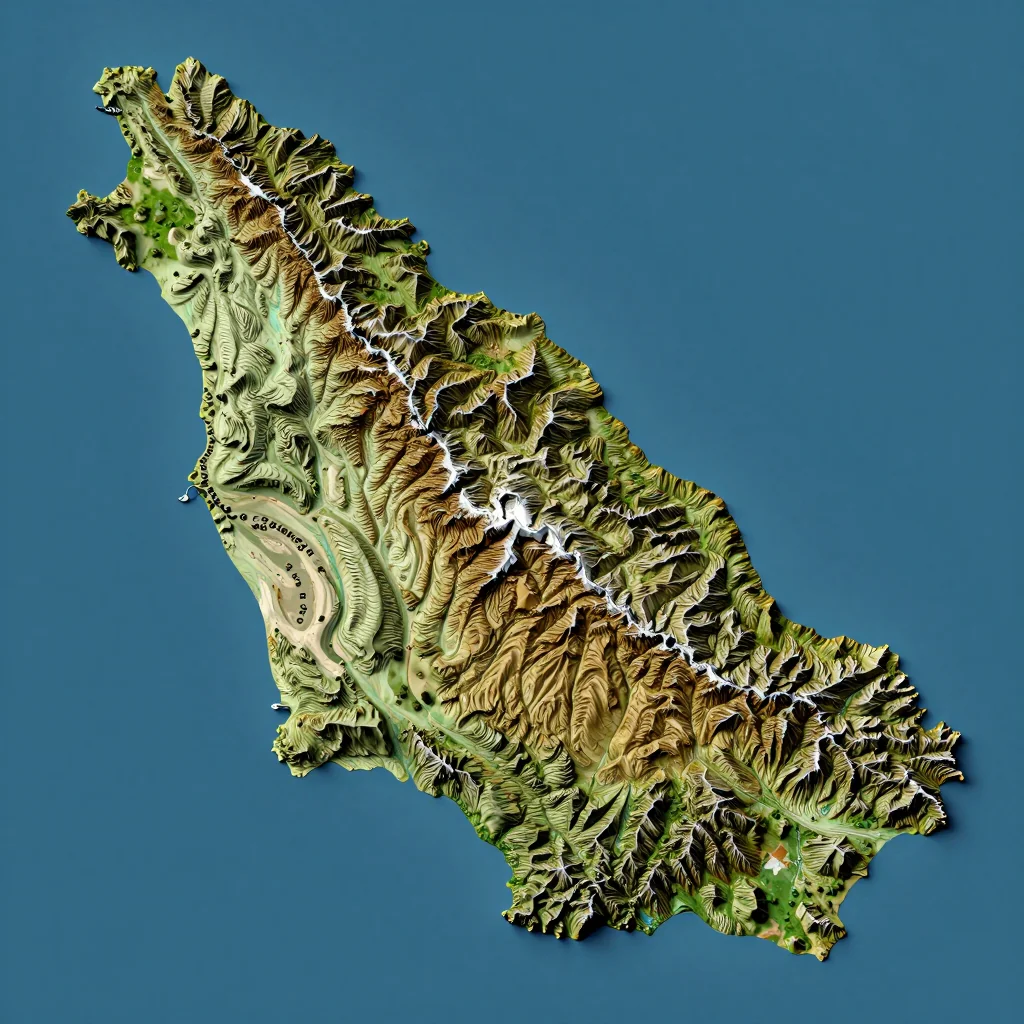
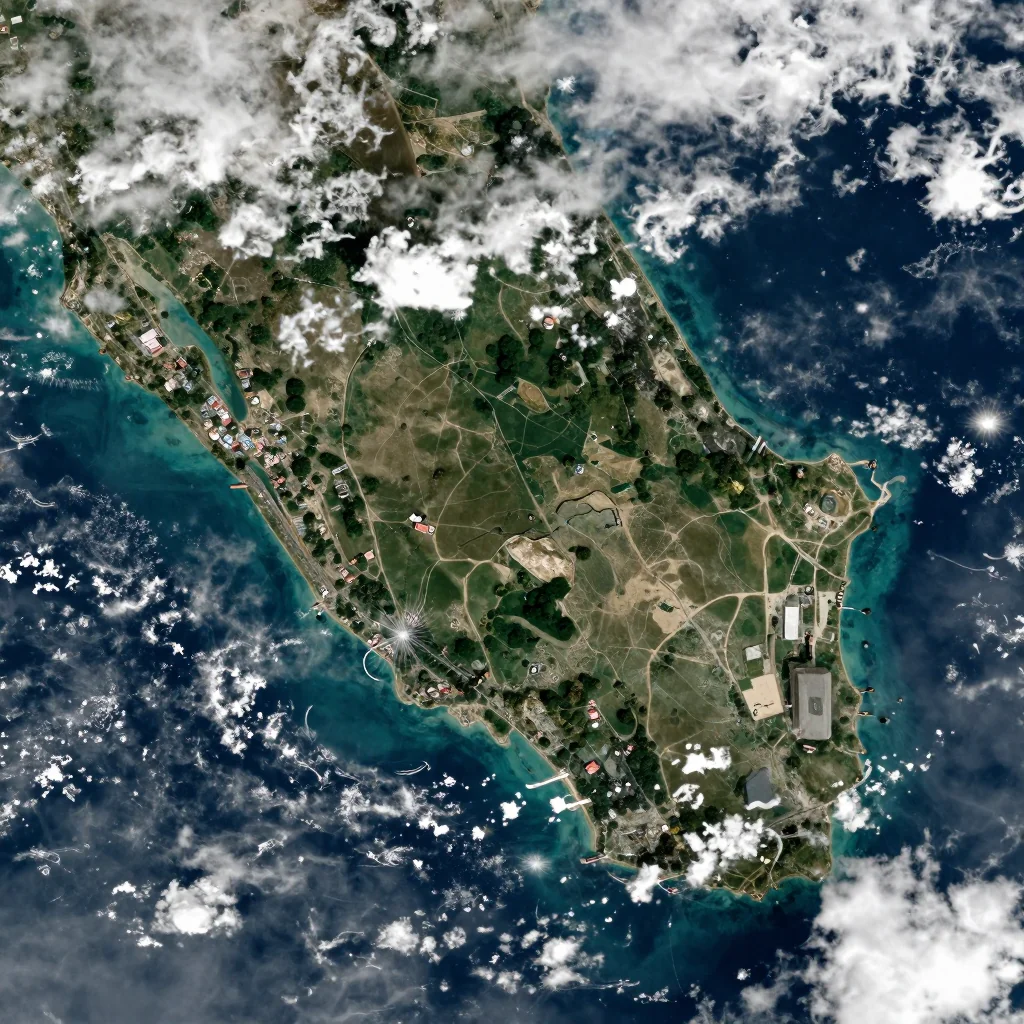
Codrington is situated on Barbuda’s western coastline, surrounded by the expansive Codrington Lagoon and the Great Sound Salt Pond. This protected lagoon, a UNESCO Biosphere Reserve, forms a barrier between the town and the Caribbean Sea. To the east lies the lush interior of Barbuda, characterized by savannas and woodlands, while the lagoon’s serene waters and mangrove forests create a picturesque backdrop. The town’s low-lying elevation and proximity to the lagoon give it a humid, tropical climate with gentle trade winds.
**History And Significance**
Founded in the 18th century, Codrington was a hub for salt production and sugar plantations during British colonial rule. The town’s name honors Christopher Codrington, a colonial governor who established Barbuda’s first plantations using enslaved labor. By the 19th century, Codrington Lagoon became a vital salt-exporting site, fueling the island’s economy. Tragically, Hurricane Irma in 2017 devastated the town, displacing most residents. Despite this, Codrington has rebounded, symbolizing resilience and cultural continuity. Today, it hosts the Barbuda Cultural Festival, celebrating indigenous and African traditions.
**Neighborhoods And Districts**
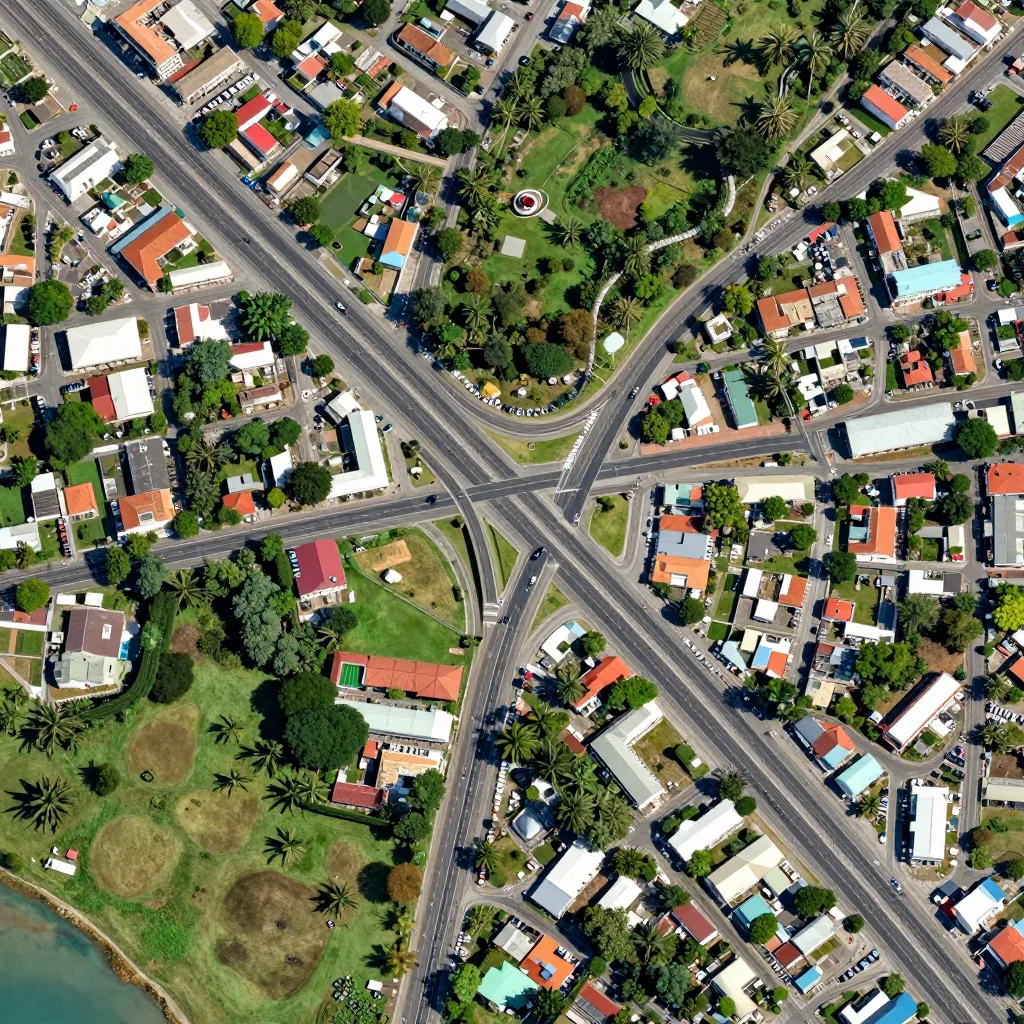
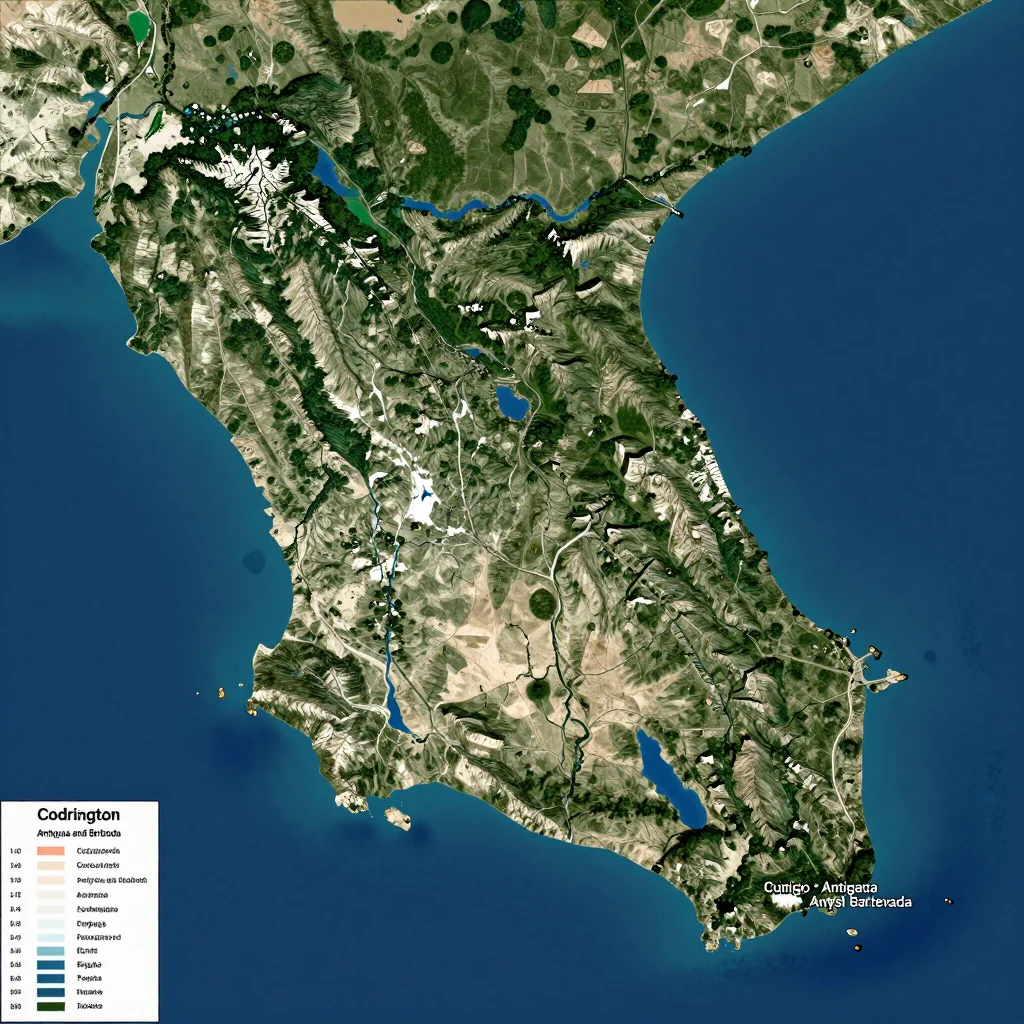
Codrington’s compact layout features a central commercial district along the waterfront, where shops, restaurants, and the Codrington Primary School anchor the community. Residential areas fan out from the core, characterized by colorful wooden houses and simple architecture. The town’s northern edge borders the Codrington Lagoon National Park, while the southern side extends toward the island’s interior. The Old Capital area, near the lagoon, retains historic charm, though many pre-hurricane buildings remain in ruins.
**Transportation**
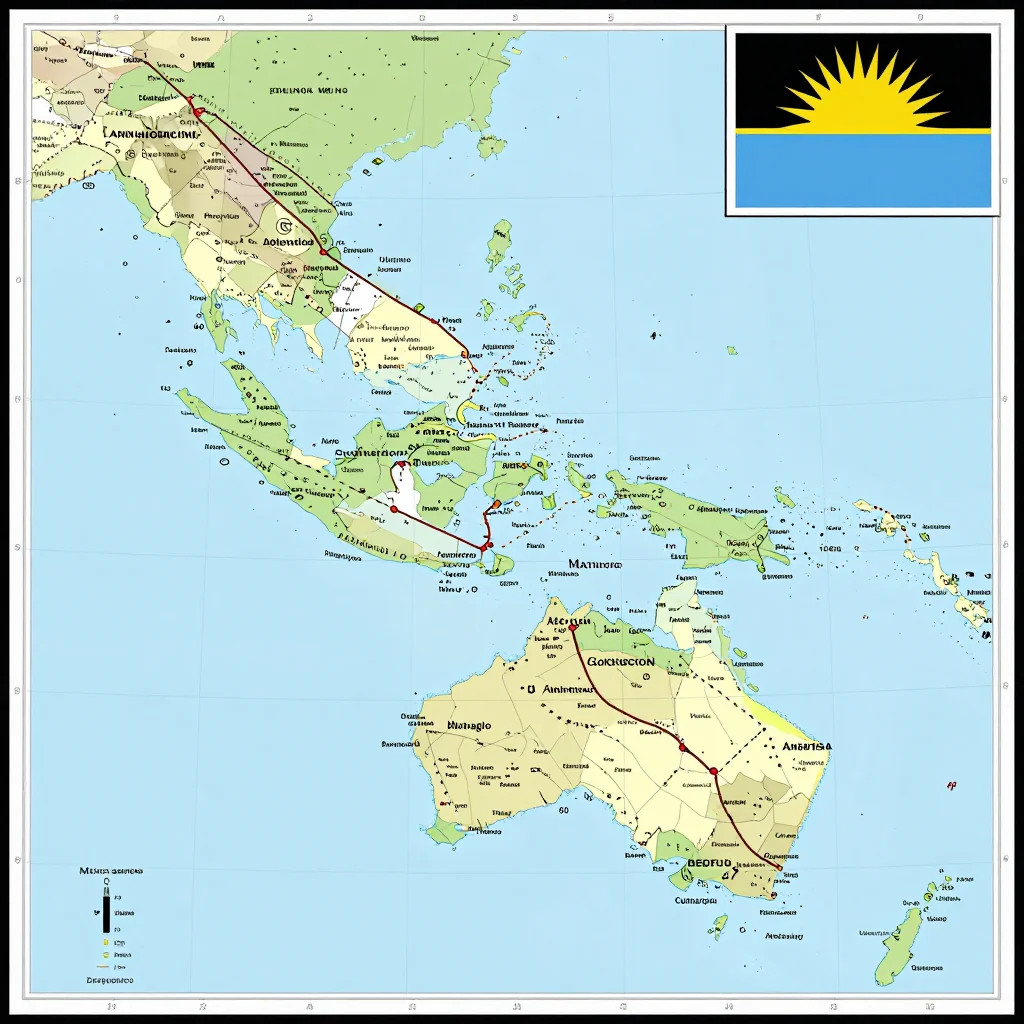
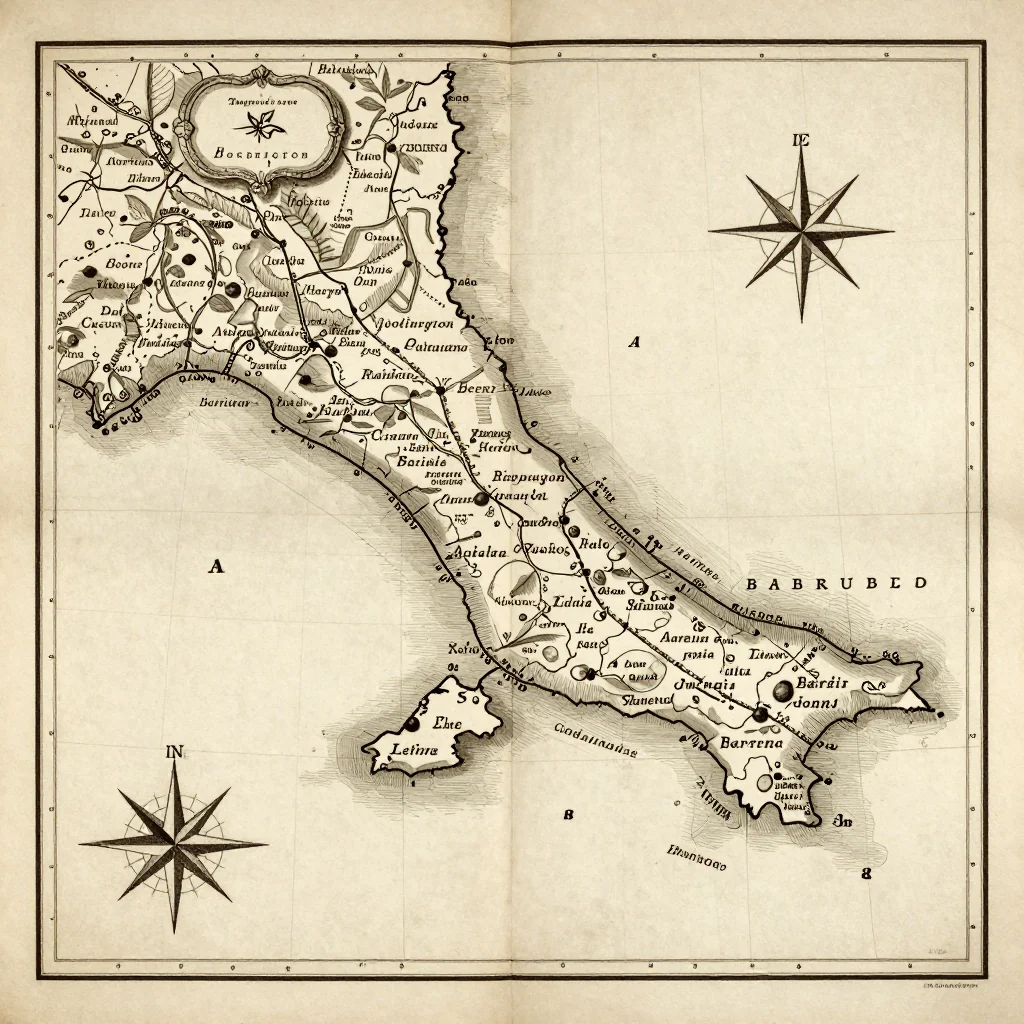
The Codrington Airport, a small airstrip, connects to Antigua via propeller planes (30 minutes). Ferries from Antigua’s Jolly Harbour take around 90 minutes. Roads on Barbuda are limited, with the main route linking Codrington to the southern villages. Public buses are scarce, so taxis and rental vehicles are recommended for exploring. A map of Barbuda is essential to navigate its rural terrain.
**Landmarks And Attractions**
– **Codrington Lagoon National Park**: A birdwatcher’s paradise, home to flamingos, herons, and migratory species. – **Great Sound Salt Pond**: A serene spot for kayaking or observing the salt extraction process. – **Barbuda Cultural Museum**: Displays artifacts reflecting the island’s Indigenous Kalinago heritage and colonial history. – **Codrington Anglican Church**: A historic church near the lagoon, rebuilt post-hurricane. – **Resilience Square**: A community space symbolizing recovery efforts.
**Conclusion**
Codrington captivates visitors with its tranquil lagoons, historical depth, and resilient spirit. As the gateway to Barbuda’s natural wonders and cultural heritage, it offers an unspoiled Caribbean experience. Whether strolling through its cobblestone streets, exploring the lagoon, or joining island festivals, Codrington invites travelers to discover its unique blend of serenity and history. For those seeking more than sun and sand, Codrington is Antigua and Barbuda’s hidden treasure. *Keywords*: Codrington map, Codrington city guide, Codrington Antigua and Barbuda, Codrington districts.