## Table of Contents
– [Where is Konya Located?](#where-is-konya-located)
– [Konya Geography & Landscape](#konya-geography–landscape)
– [Climate and Weather](#climate-and-weather)
– [History of Konya](#history-of-konya)
– [Top 10 Tourist Attractions](#top-10-tourist-attractions)
– [Transportation in Konya](#transportation-in-konya)
– [Economy and Culture](#economy-and-culture)
– [Travel Tips for Visiting Konya](#travel-tips-for-visiting-konya)
– [Frequently Asked Questions](#frequently-asked-questions)
## Where is Konya Located?
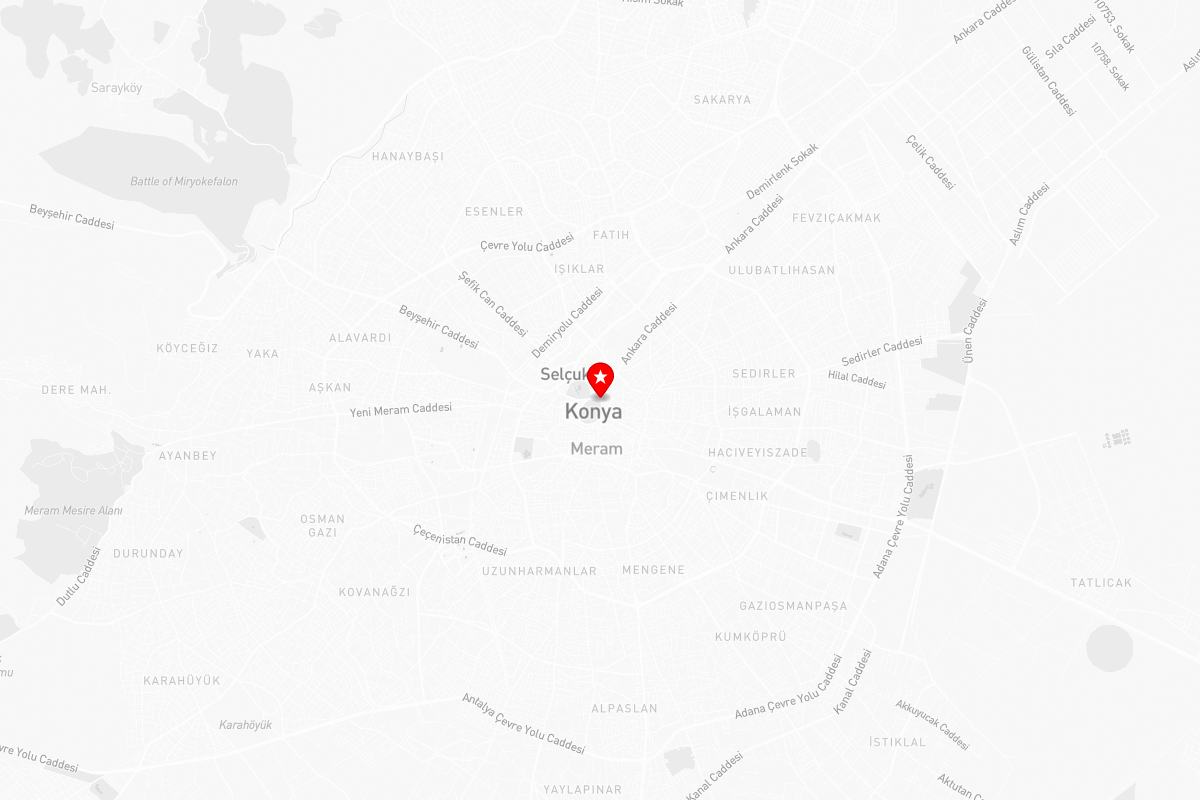
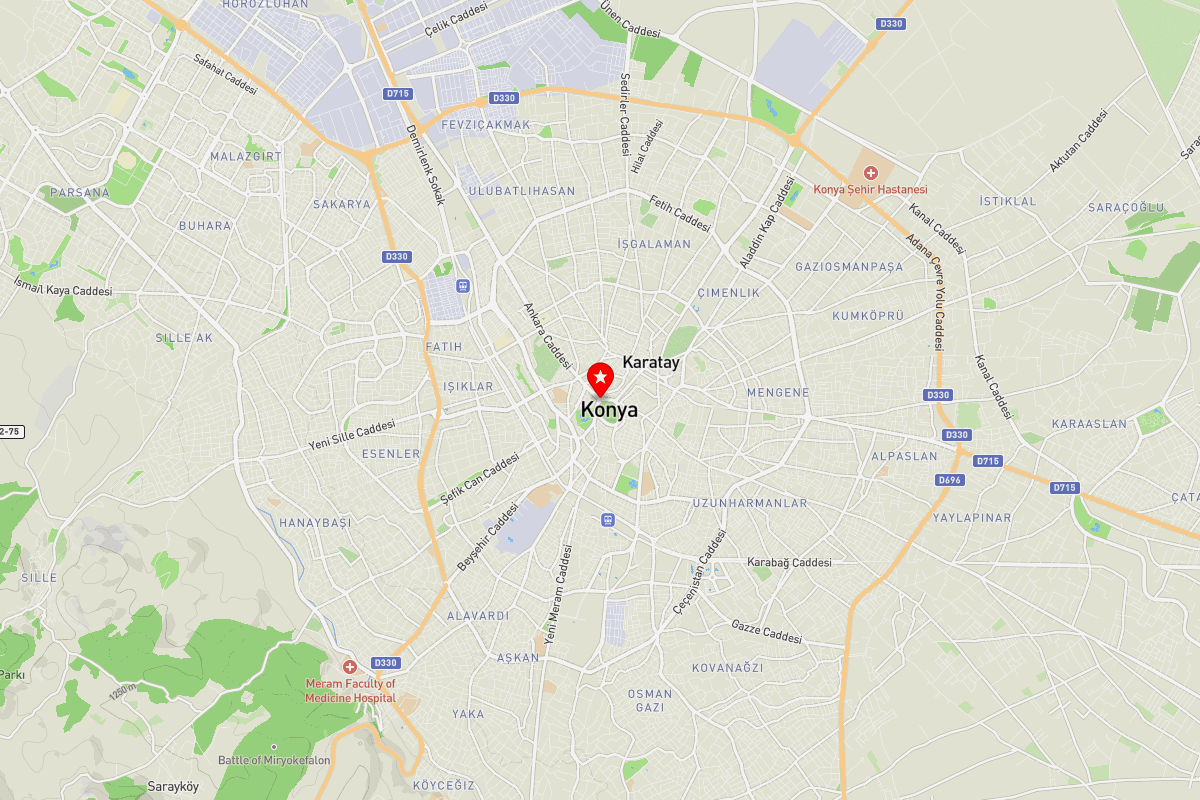
Konya is a major city in central Turkey, situated on the southwestern edge of the Central Anatolian Plateau. As the capital of Konya Province, it serves as one of Turkey’s most important cultural and historical centers. If you’re looking for a **Konya map**, you’ll find the city at coordinates 37.87°N, 32.49°E, roughly 260 kilometers south of Ankara.
The city is the seventh most populous in Turkey, with a metropolitan population exceeding 2.2 million. Its strategic location at the crossroads of ancient trade routes has made it a significant settlement for thousands of years. During antiquity, it was known as Iconium, and it later became the capital of the Seljuk Sultanate of Rum.
### Regional Context
Konya Province is Turkey’s largest province by area, covering over 40,000 square kilometers. The city itself is surrounded by:
– **North:** Ankara and Eskisehir provinces
– **East:** Aksaray and Nigde
– **South:** Antalya and Mersin (Mediterranean coast access)
– **West:** Afyonkarahisar and Isparta
## Konya Geography & Landscape
The Konya landscape is dominated by the vast Central Anatolian Plateau, sitting at an elevation of approximately 1,016 meters (3,333 feet) above sea level. The terrain is characterized by:
– **Konya Plain:** One of Turkey’s largest agricultural plains, stretching endlessly to the horizon
– **Volcanic formations:** Mount Erciyes (3,917m) is visible from the city on clear days
– **Lakes:** Several endorheic (closed basin) lakes including Lake Tuz and Lake Beysehir
– **Steppe vegetation:** The semi-arid landscape supports grasslands and salt-tolerant plants
The region’s geography has shaped its culture deeply – the wide-open plains inspired the Mevlevi Order’s whirling dance, said to imitate the rotation of celestial bodies above the flat horizon.
## Climate and Weather
Konya experiences a continental climate with distinct seasons:
| Season | Temperature | Conditions |
|——–|————-|————|
| **Spring (Mar-May)** | 10-22°C | Mild, occasional rain, blooming fields |
| **Summer (Jun-Aug)** | 25-35°C | Hot, dry, long sunny days |
| **Fall (Sep-Nov)** | 12-25°C | Pleasant, harvest season |
| **Winter (Dec-Feb)** | -5 to 8°C | Cold, snowy, occasional -15°C |
**Best time to visit Konya:** April-May and September-October offer the most comfortable weather for sightseeing. The annual Mevlana Commemoration (Şeb-i Arus) in December is also a magical time to visit, despite the cold.
Average annual rainfall is around 320mm, making it one of Turkey’s drier regions. The city receives abundant sunshine – over 2,800 hours annually.
## History of Konya
Konya’s history spans over 9,000 years, making it one of the world’s oldest continuously inhabited cities.
### Ancient Period
– **Çatalhöyük (7500 BCE):** Just south of Konya lies one of the world’s oldest known settlements – a UNESCO World Heritage Site
– **Iconium (Classical Period):** Greek and Roman settlers named the city Iconium; it was visited by St. Paul during his missionary journeys
– **Byzantine Era:** The city served as an important Byzantine military outpost
### Seljuk Golden Age (1076-1307)
This was Konya’s most glorious period:
– **Kılıç Arslan I** made Konya the capital of the Sultanate of Rum in 1097
– The city became a center of Islamic learning, art, and architecture
– **Mevlana Celaleddin Rumi** arrived in 1228, founding the Mevlevi Order (Whirling Dervishes)
– Magnificent medreses (theological schools), mosques, and caravanserais were built
– The Sultanate of Rum reached its peak under Alaeddin Keykubad I (1220-1237)
### Ottoman & Modern Period
– Incorporated into the Ottoman Empire in the late 14th century
– Became part of the Republic of Turkey in 1923
– Today, it’s a thriving modern city that preserves its Seljuk heritage
## Top 10 Tourist Attractions
### 1. Mevlana Museum (Mevlana Müzesi)
The crown jewel of Konya tourism. This museum houses the tomb of Jalal ad-Din Muhammad Rumi (Mevlana), the 13th-century Persian poet and Sufi mystic whose teachings inspired the Whirling Dervishes. The turquoise dome is one of Turkey’s most iconic images.
### 2. Alaeddin Hill & Mosque
The highest point in central Konya, offering panoramic city views. The Alaeddin Mosque (1221) sits atop this ancient tumulus, featuring beautiful Seljuk woodenwork and tile decorations.
### 3. Karatay Medrese
A stunning 13th-century theological school, now a museum of Seljuk tiles and ceramics. The geometric tile work in the dome is considered among the finest examples of Islamic art.
### 4. Ince Minare Medrese
The “Thin Minaret” school dates to 1264 and houses a collection of Seljuk stone and wood carvings. The intricately carved portal is breathtaking.
### 5. Sircali Medrese
Another architectural masterpiece from the Seljuk era, featuring a double-story courtyard and exquisite tile decorations.
### 6. Konya Archaeological Museum
Home to artifacts from Çatalhöyük and other regional excavations, spanning 9,000 years of human settlement.
### 7. Aziziye Mosque
An elegant Ottoman-era mosque (1676) with baroque influences, rebuilt after a fire. Its twin minarets dominate the old city skyline.
### 8. Konya Tropical Butterfly Garden
A surprising modern attraction housing thousands of tropical butterflies in a climate-controlled dome – a favorite with families.
### 9. Sille Village
A charming Greek-Turkish village 8 km from the center, featuring cave churches, historic Greek houses, and the ancient Sille Dam.
### 10. Çatalhöyük
This UNESCO World Heritage Site (45 km south) is one of the most important Neolithic settlements ever discovered. The visitor center provides an immersive experience of life 9,000 years ago.
## Transportation in Konya
### Getting to Konya
– **By Air:** Konya Airport (KYA) has domestic flights from Istanbul (1.5 hours) and international connections
– **By Train:** High-speed train from Ankara (1h 45m) and Istanbul (4h) via the Konya-Ankara YHT line
– **By Bus:** Excellent bus connections from all major Turkish cities; Konya Bus Terminal is well-organized
– **By Car:** Well-connected via the D300 and D715 highways
### Getting Around Konya
– **Tram:** Konya has a modern tram (light rail) system connecting key areas
– **Buses:** Extensive municipal bus network (ATUS system)
– **Taxis:** Affordable and metered; use BiTaksi app for convenience
– **Walking:** The historic center is very walkable
## Economy and Culture
Konya is one of Turkey’s most important industrial cities:
### Key Industries
– **Agriculture:** Turkey’s breadbasket – wheat, barley, sugar beets
– **Manufacturing:** Automotive parts, machinery, food processing
– **Trade:** Historic commercial hub on Central Anatolian routes
– **Tourism:** Growing sector thanks to Mevlana heritage
### Culinary Delights
Konya’s cuisine is hearty and distinctive:
– **Etli Ekmek:** The city’s signature dish – a long flatbread topped with spiced minced meat
– **Fırın Kebab:** Slow-cooked lamb in a sealed clay pot (testi kebabı)
– **Bamya Çorbası:** Unique okra soup
– **Arabaşı:** Traditional noodle soup with chicken
– **Tirit:** Bread soaked in lamb broth
### Cultural Highlights
– **Sufism & Mevlevi Order:** Konya is the world center of Sufi spirituality
– **Şeb-i Arus (Wedding Night):** Annual commemoration of Rumi’s death (December 17)
– **Whirling Dervish ceremonies:** Regular performances at the Mevlana Cultural Center
## Travel Tips for Visiting Konya
### Where to Stay
– **City Center (Selçuklu):** Closest to major attractions; mid-range to luxury hotels
– **Near Mevlana Museum:** Best for cultural immersion; boutique hotels and pensions
– **Alaeddin area:** Central location with good dining options
### Budget Tips
– Konya is significantly cheaper than Istanbul or Antalya
– Museum pass (MüzeKart) covers Mevlana Museum and other sites
– Street food (especially etli ekmek) is delicious and affordable (30-50 TL)
– Public transport is very inexpensive
### Safety
Konya is one of Turkey’s safest cities. The conservative culture means fewer nightlife-related issues. Standard precautions apply: watch for pickpockets in crowded bazaars and keep valuables secure.
### What to Wear
Konya is Turkey’s most conservative major city. Modest dress is appreciated:
– Women: Cover shoulders and knees; headscarf not required but appreciated at mosques
– Men: Long pants in the old city; shorts acceptable in modern areas
## Frequently Asked Questions
**Q: Is Konya worth visiting?**
A: Absolutely. Konya offers a unique blend of deep history, Sufi spirituality, and authentic Turkish culture that you won’t find in tourist-heavy cities like Istanbul.
**Q: Can I see Whirling Dervishes in Konya?**
A: Yes! The Mevlana Cultural Center hosts sema ceremonies regularly. During the Şeb-i Arus festival (December), ceremonies are held daily.
**Q: How far is Çatalhöyük from Konya?**
A: About 45 km south (45-minute drive). Regular tour buses and taxis are available.
—
*Meta Description: Explore Konya with our detailed city guide. Discover Mevlana Museum, Seljuk heritage, local cuisine, transport maps, and essential travel tips for 2026.*
Konya Maps Collection – High-Resolution Travel Guides
Explore Konya with our collection of detailed maps.
Each map is optimized for specific travel needs. All maps are free to use and updated for 2026.
Essential Maps
Tourist Map – Konya Tourist Map 2026 – Top Attractions & Landmarks
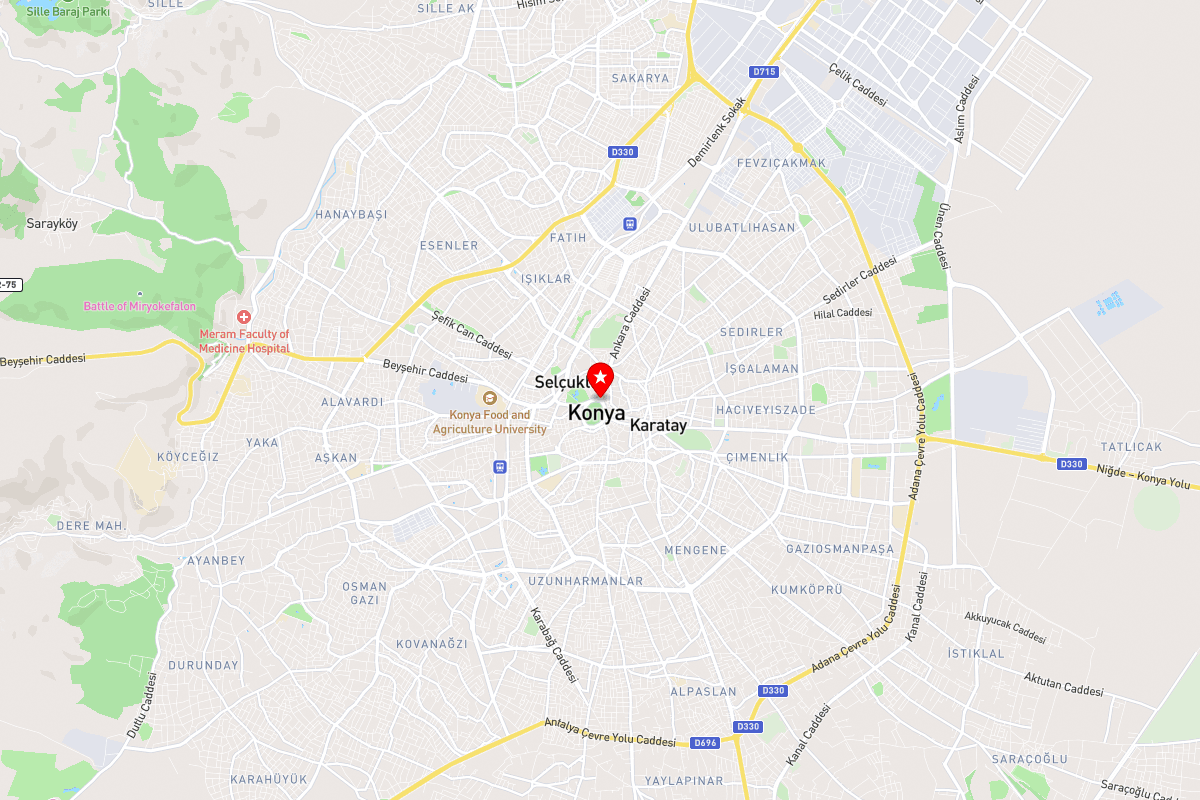
Transport Map – Konya Transportation Map – Metro, Bus & Tram Routes
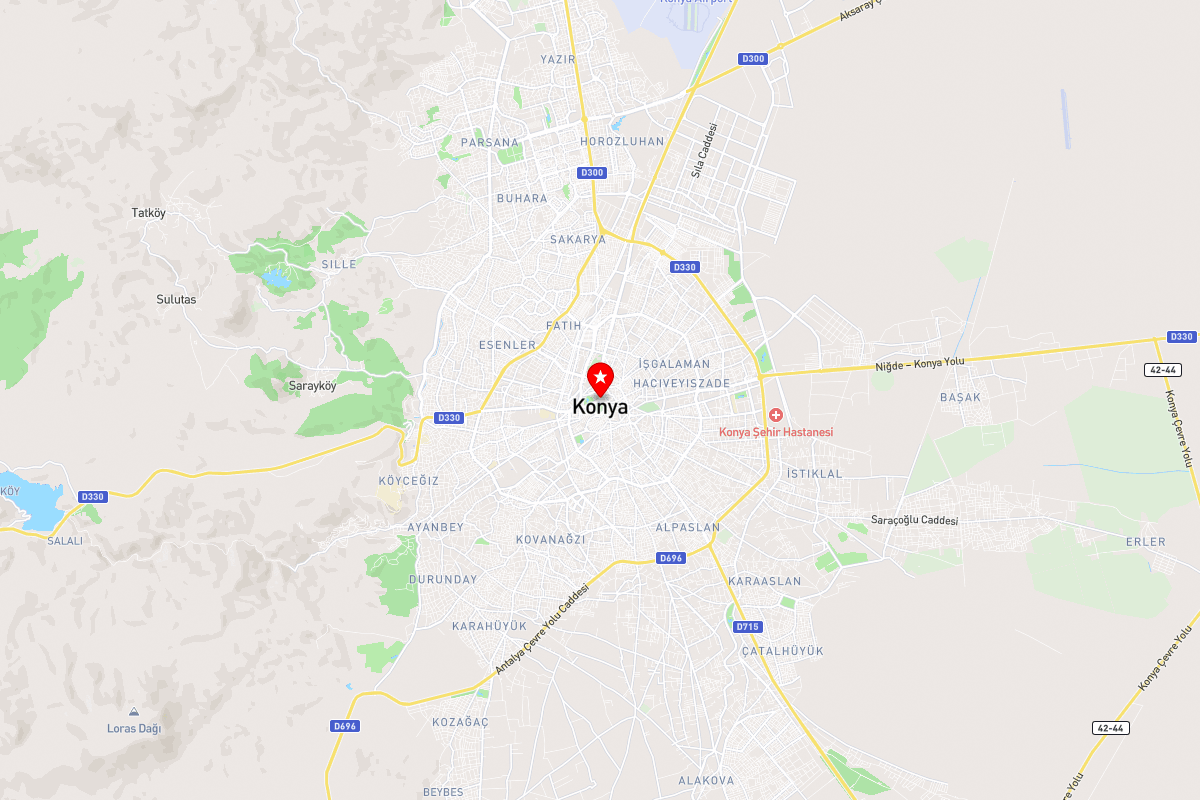
Walking Map – Konya Walking Tour Map – City Center & Historic District
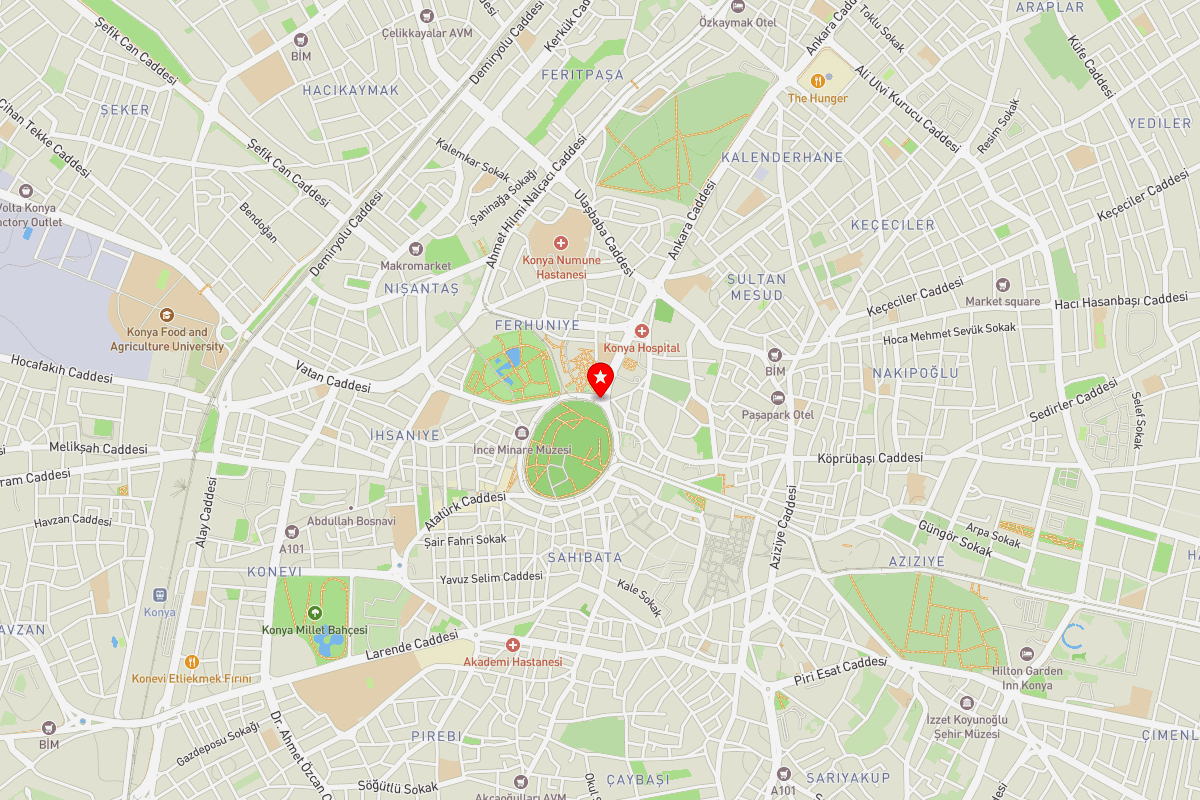
Lifestyle & Entertainment
Nightlife Map – Konya Nightlife Map – Restaurants & Entertainment
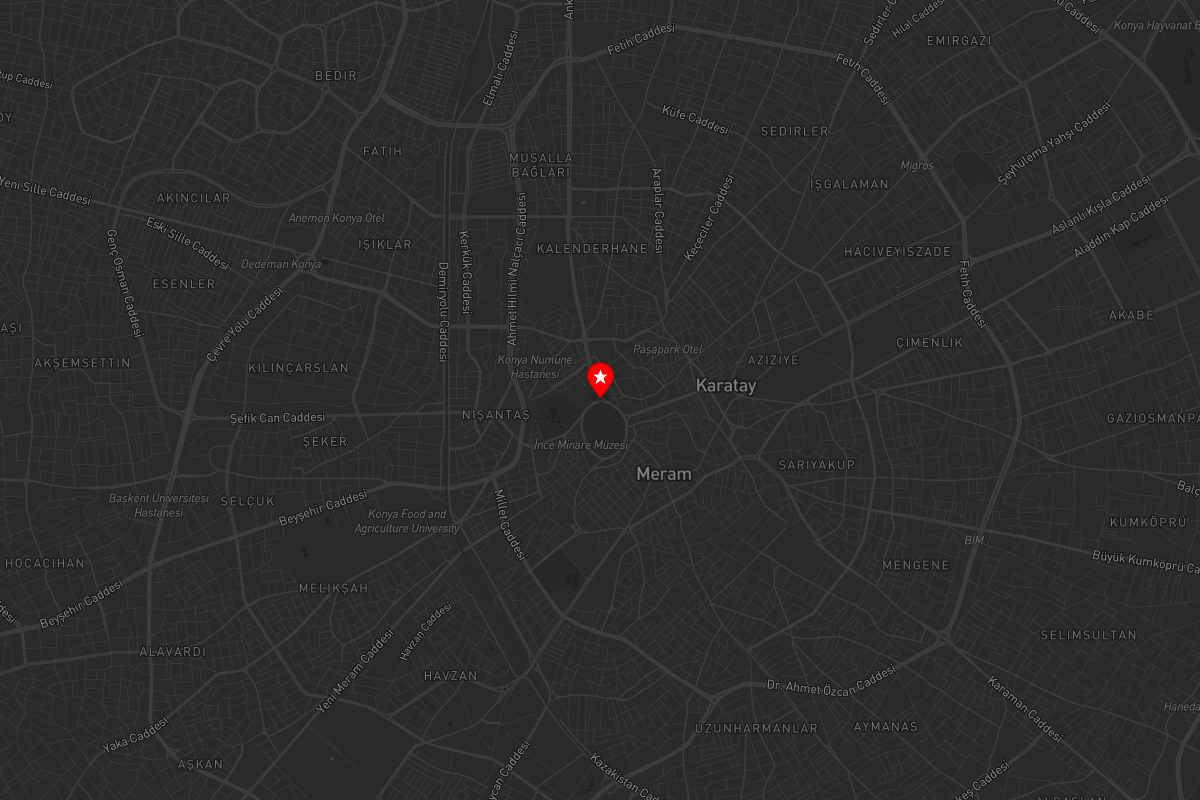
Food Map – Konya Food Guide Map – Best Restaurants & Local Cuisine
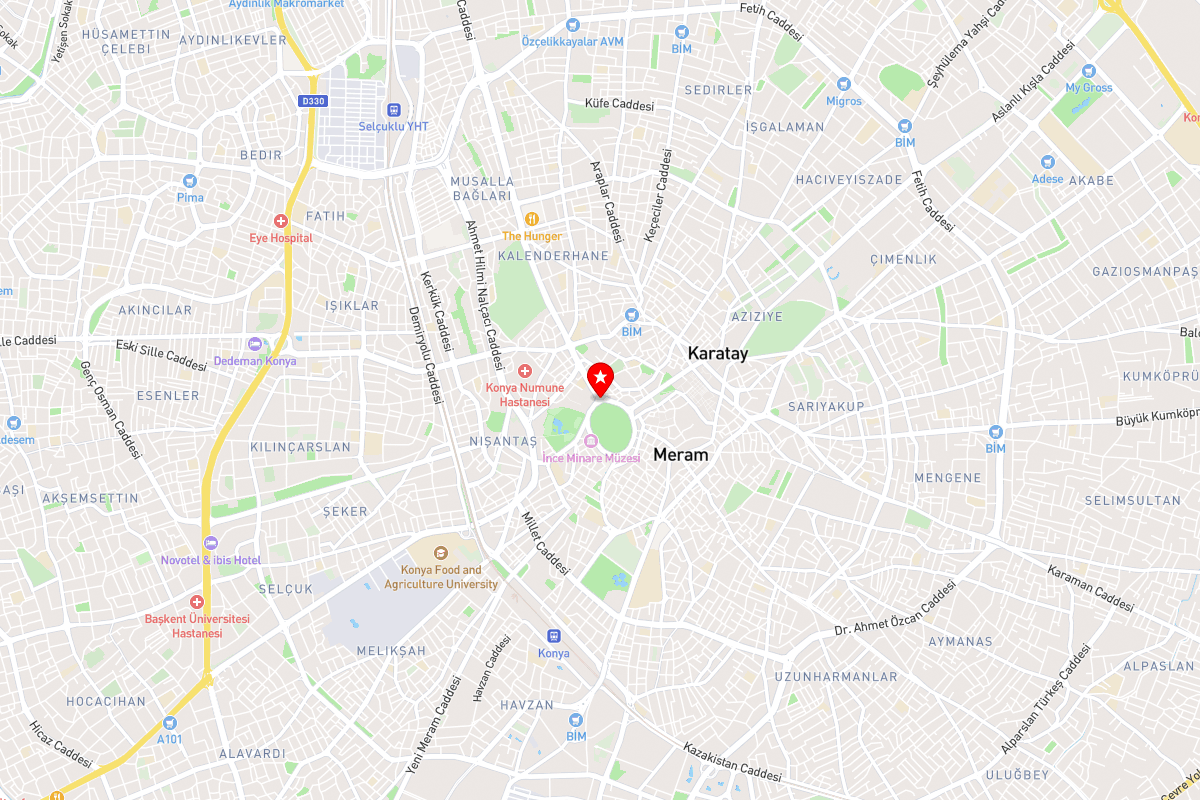
Shopping Map – Konya Shopping Map – Bazaars, Malls & Markets
Specialty Maps
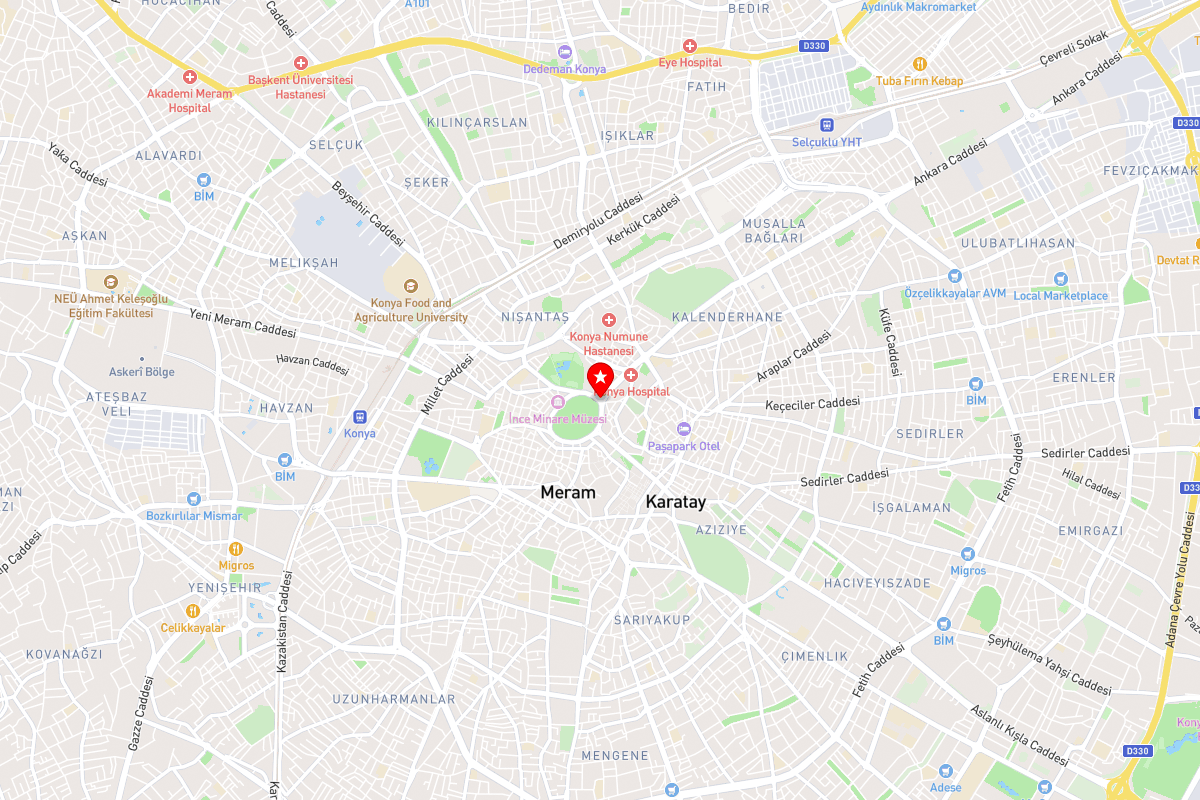
Historic Map – Konya Historic Sites Map – Seljuk Heritage & Museums
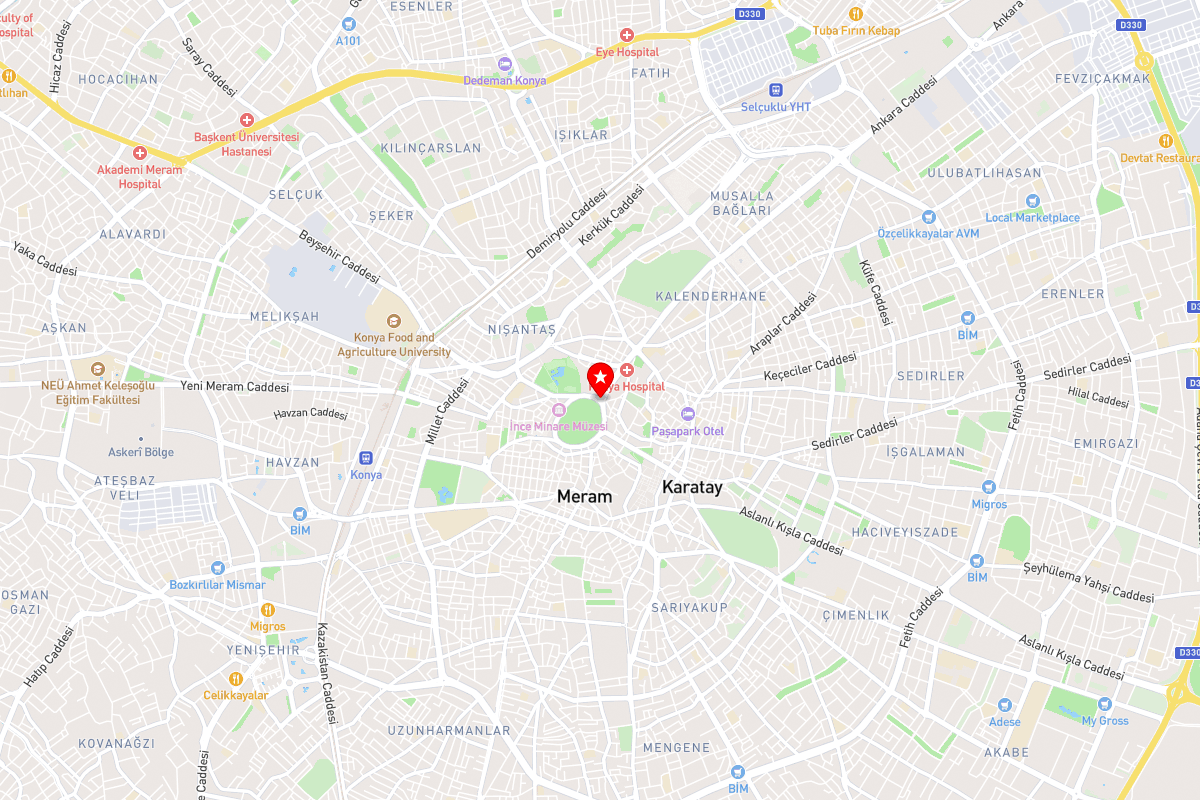
Parks Map – Konya Parks & Green Spaces Map
Business Map – Konya Business District Map – Commercial Areas