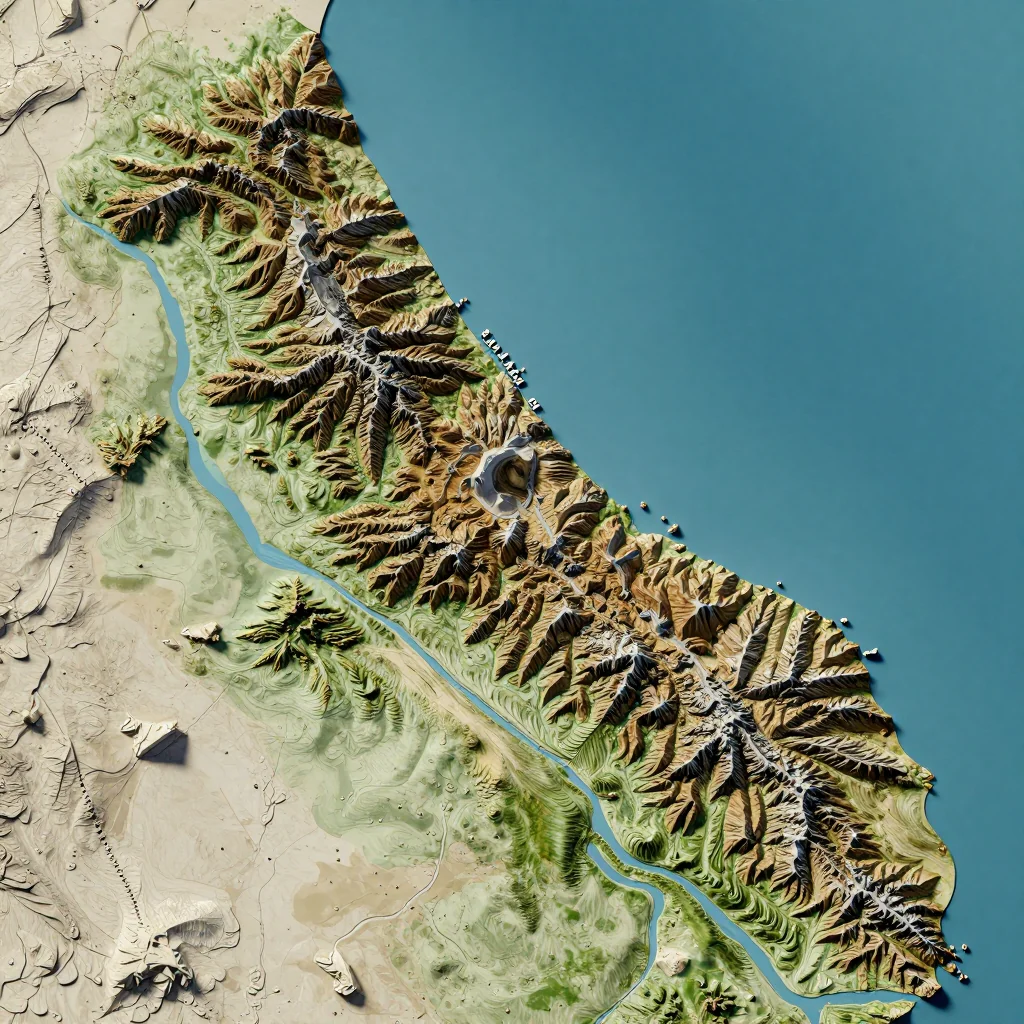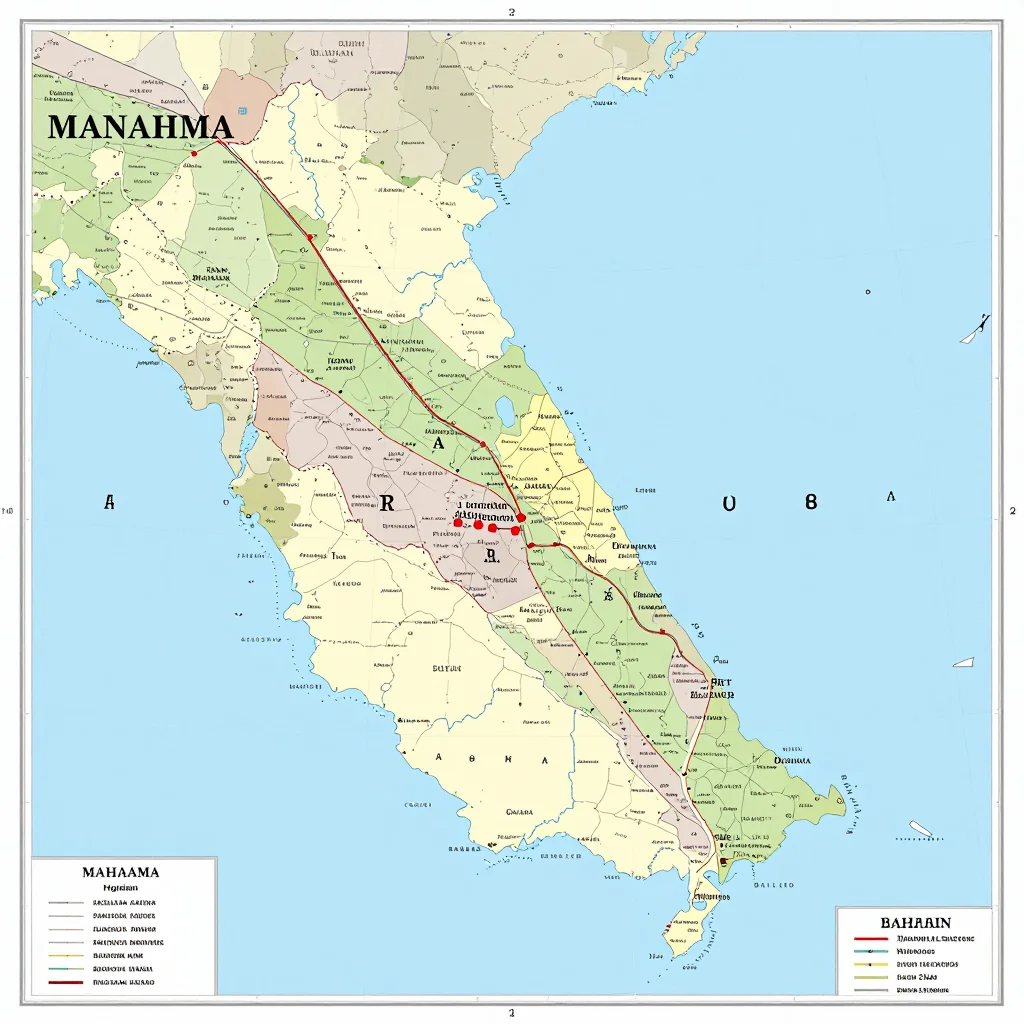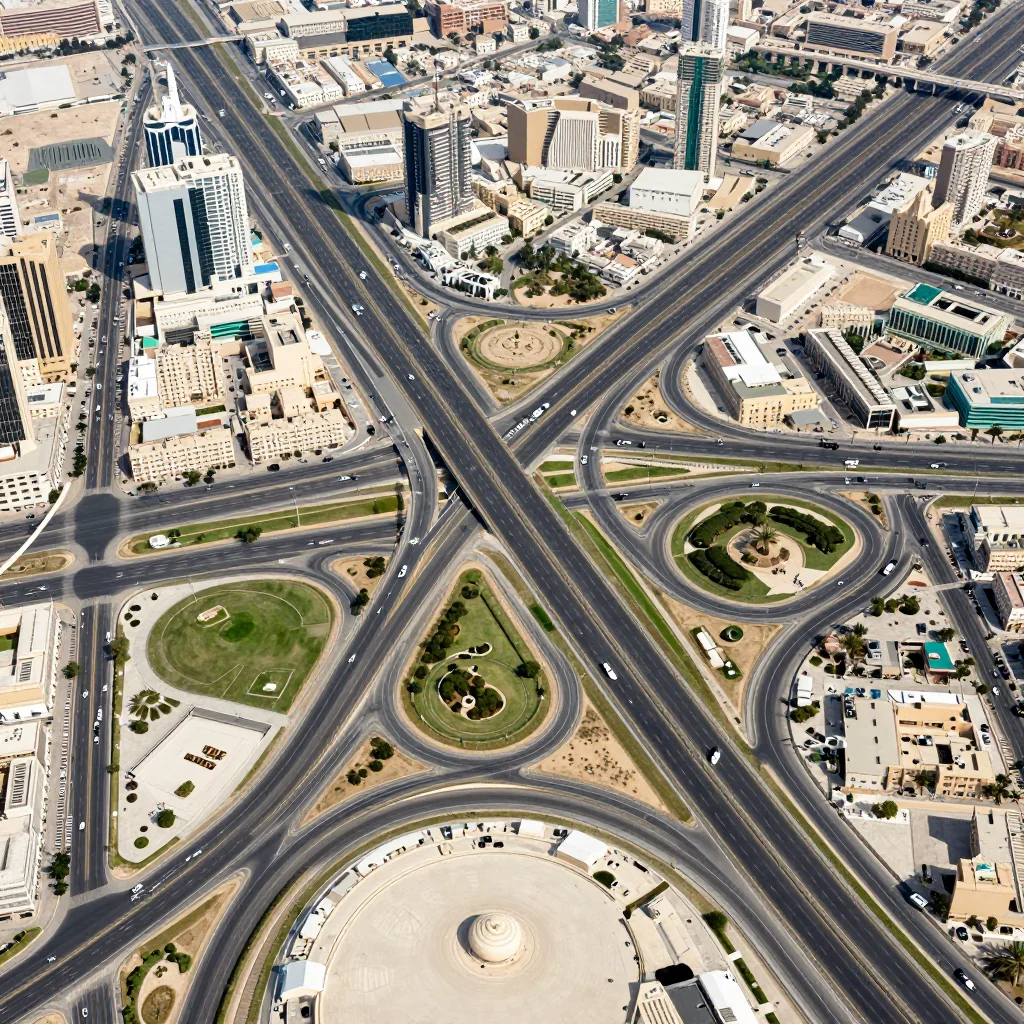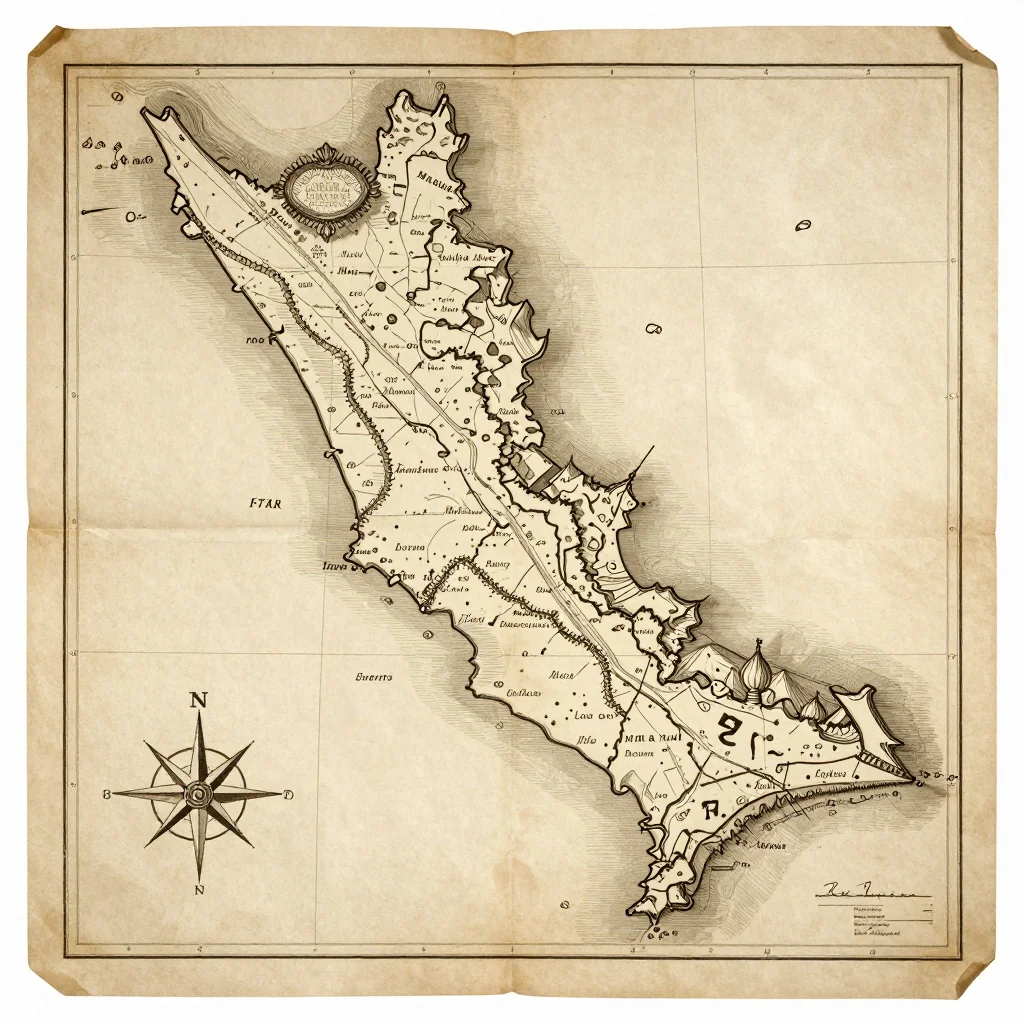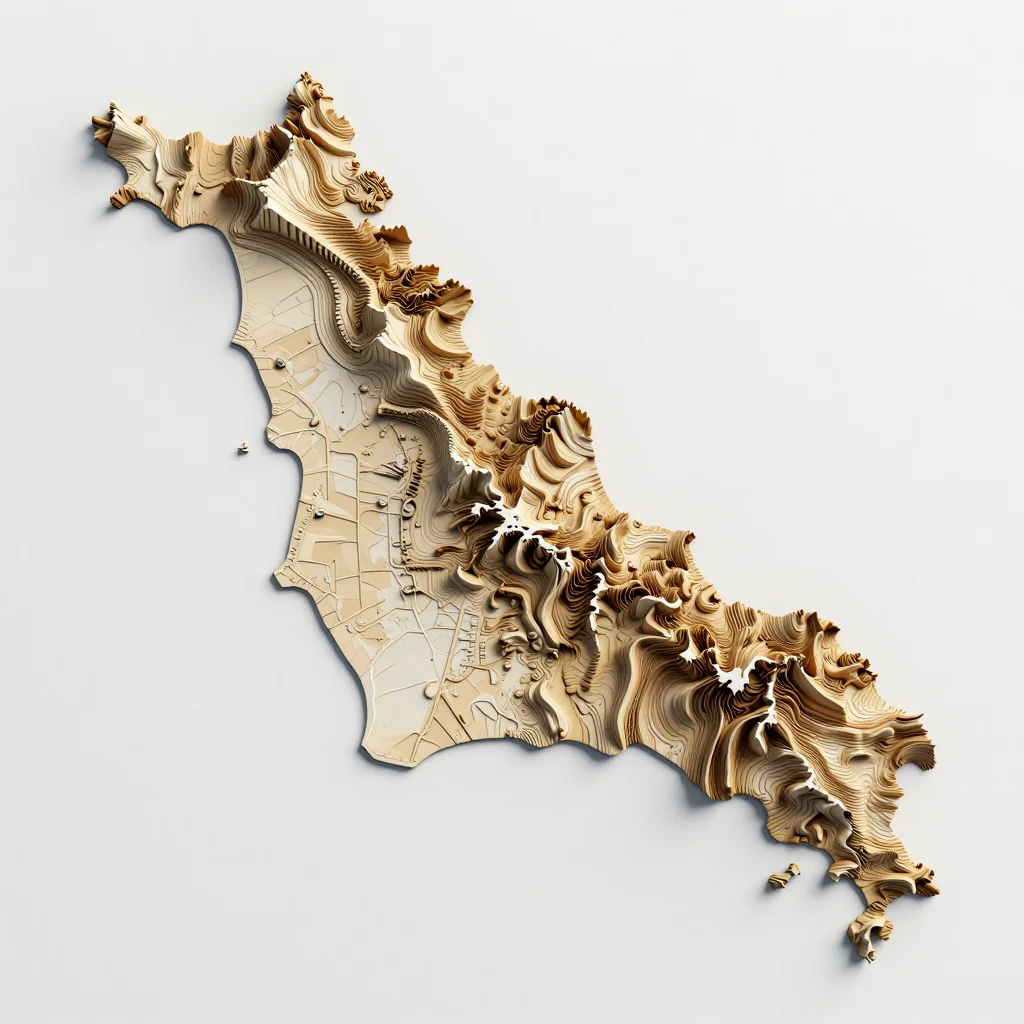
Nestled on the northeastern coast of Bahrain, Manama is the capital and cultural heartbeat of the Kingdom of Bahrain. Known for its vibrant blend of ancient heritage and cutting-edge modernity, this dynamic city seamlessly merges Islamic architecture with sleek skyscrapers, making it a must-visit destination in the Persian Gulf.
Location and Setting
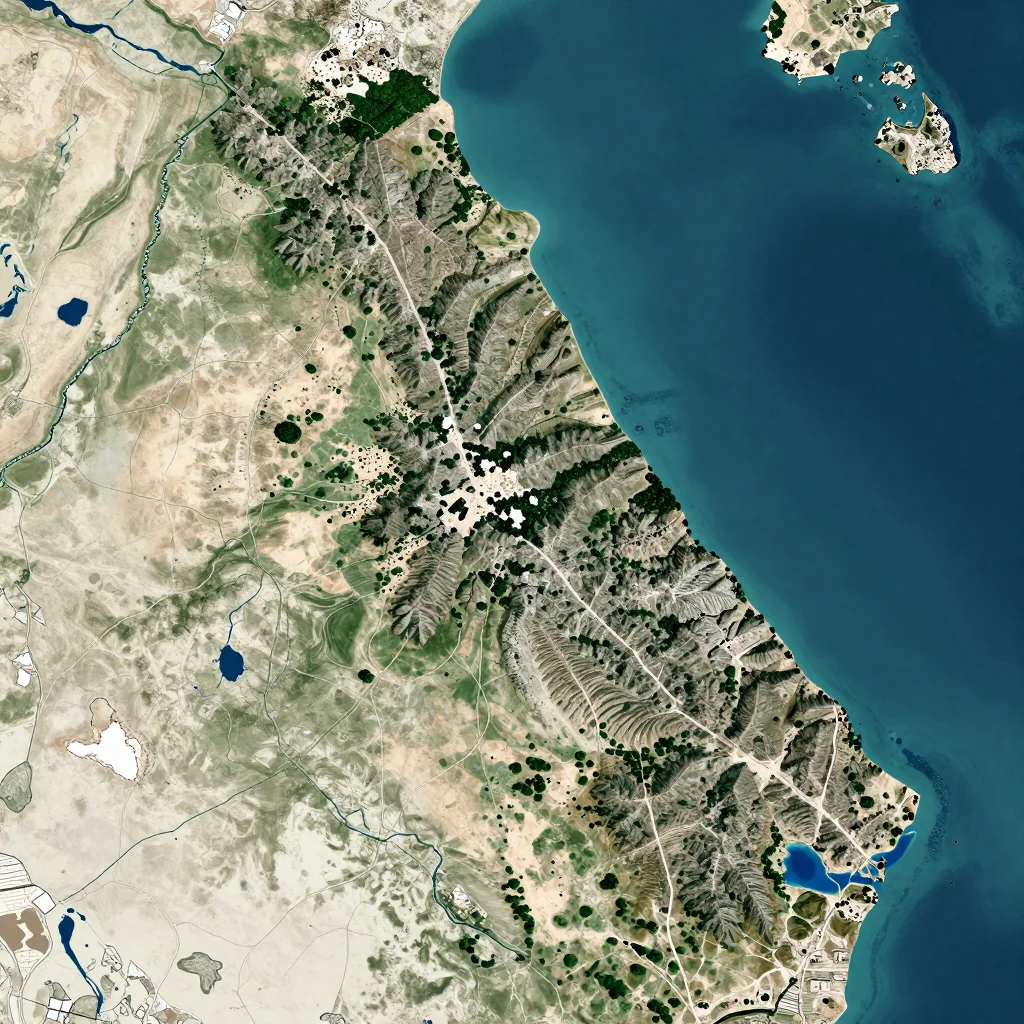
Manama sits along the northern shore of Bahrain Island, overlooking the Persian Gulf. Geographically, it is bordered by the flat, arid landscape typical of the Arabian Peninsula, yet enjoys proximity to the King Fahd Causeway, connecting Bahrain to Saudi Arabia. The city sprawls across a coastal plain, with its urban core expanding into districts like Muharraq to the east and Riffa to the north. Its coastal location fosters a mild maritime climate, ideal for exploring its waterfront Corniche and bustling markets.
History and Significance
Manama’s history dates back millennia as a key trading port along ancient maritime routes. By the 16th century, it thrived under Portuguese influence and later became a hub for pearl diving, a cornerstone of Bahrain’s economy until the 20th century. The discovery of oil in the 1930s spurred rapid modernization, transforming Manama into a financial and commercial center. Today, it is celebrated as a regional leader in arts, education, and Islamic culture, earning the title “Capital of Arab Culture” in 2012.
Neighborhoods and Districts
Manama’s districts reflect its rich diversity. The historic **Manama Souq** is a labyrinth of traditional shops and tea houses, while the nearby **Bab Al-Bahrain** square marks the heart of the old city. The modern **Seef District** offers luxury shopping malls and high-end hotels, contrasting with the **Diplomatic Area**, home to embassies and corporate towers. For art and heritage, **Adliya** offers boutique galleries and restored historic homes. Nearby **Riffa**, with its majestic Royal Palace and Al-Fateh Grand Mosque, blends regal grandeur with serene spirituality.
Transportation
Manama’s transportation network is well-connected. Major roads like **King Faisal Highway** and **Hamad Causeway** link the city to Saudi Arabia and other Bahraini regions. Public buses and taxis are widely available, while the soon-to-open **Bahrain Metro** will enhance connectivity. **Bahrain International Airport**, located near Muharraq, serves as the primary gateway, offering seamless access to global destinations. The **King Fahd Causeway** provides a scenic drive to mainland Saudi Arabia.
Landmarks and Attractions
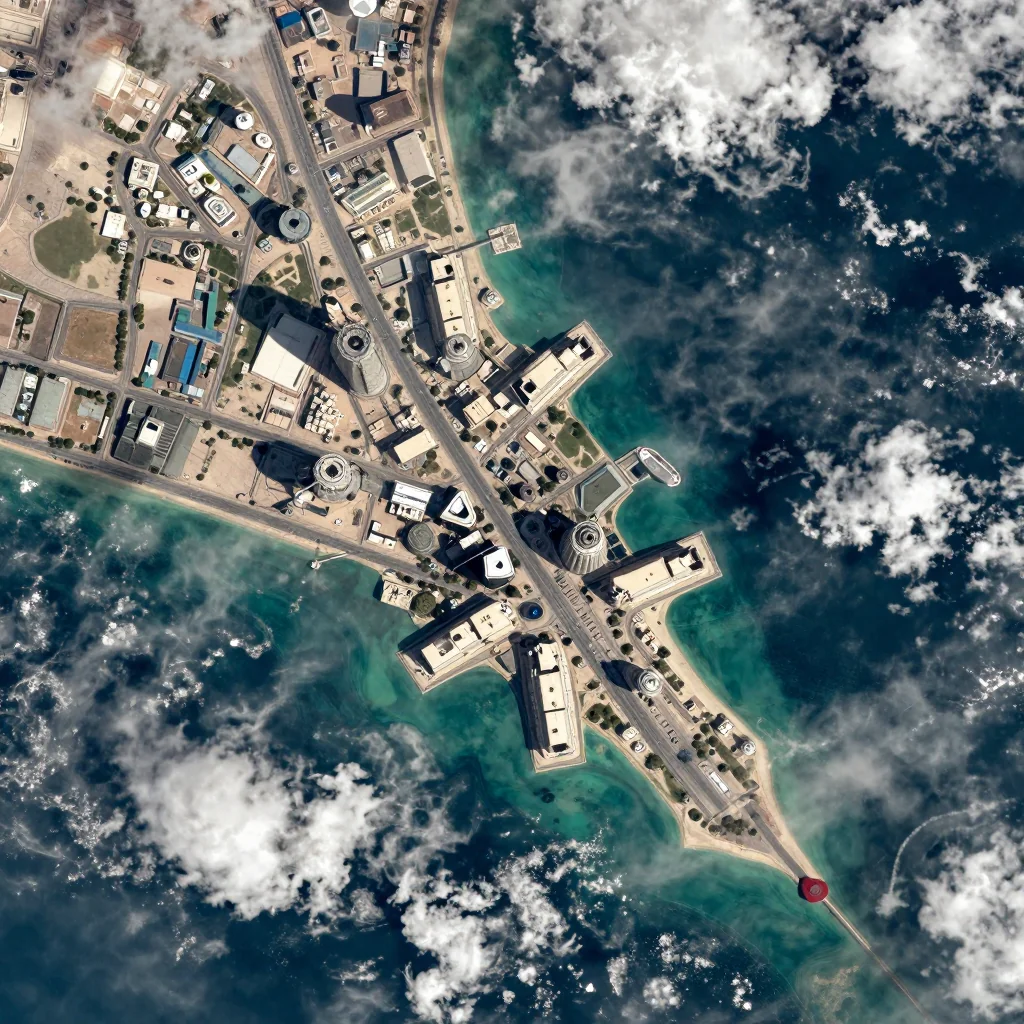
Manama brims with iconic sites. The **National Museum of Bahrain** showcases the nation’s archaeological and cultural heritage, while the **Bahrain Financial Harbour** epitomizes the city’s economic dynamism. The **Pearl Roundabout**, adorned with a pearl statue, symbolizes the city’s historical ties to pearling. Religious and architectural marvels include **Al-Fateh Grand Mosque** and the **Bahrain National Theatre**, a venue for Arab cultural festivals. The **Manama Corniche** offers waterfront relaxation, and **Arad Fort** (in Muharraq) stands as a testament to Portuguese influence.
Conclusion
Manama’s unique charm lies in its harmonious fusion of old and new. From historic souqs to futuristic skyscrapers, its districts and landmarks tell a story of resilience and innovation. A visit to Manama is a journey through time, offering cultural richness, modern amenities, and a warm Gulf hospitality. Whether exploring its heritage or marveling at its skyline, the city captivates visitors, reinforcing its status as a must-include in any **Manama city guide** or **Manama map** itinerary. Keywords: Manama map, Manama city guide, Manama Bahrain, Manama districts.