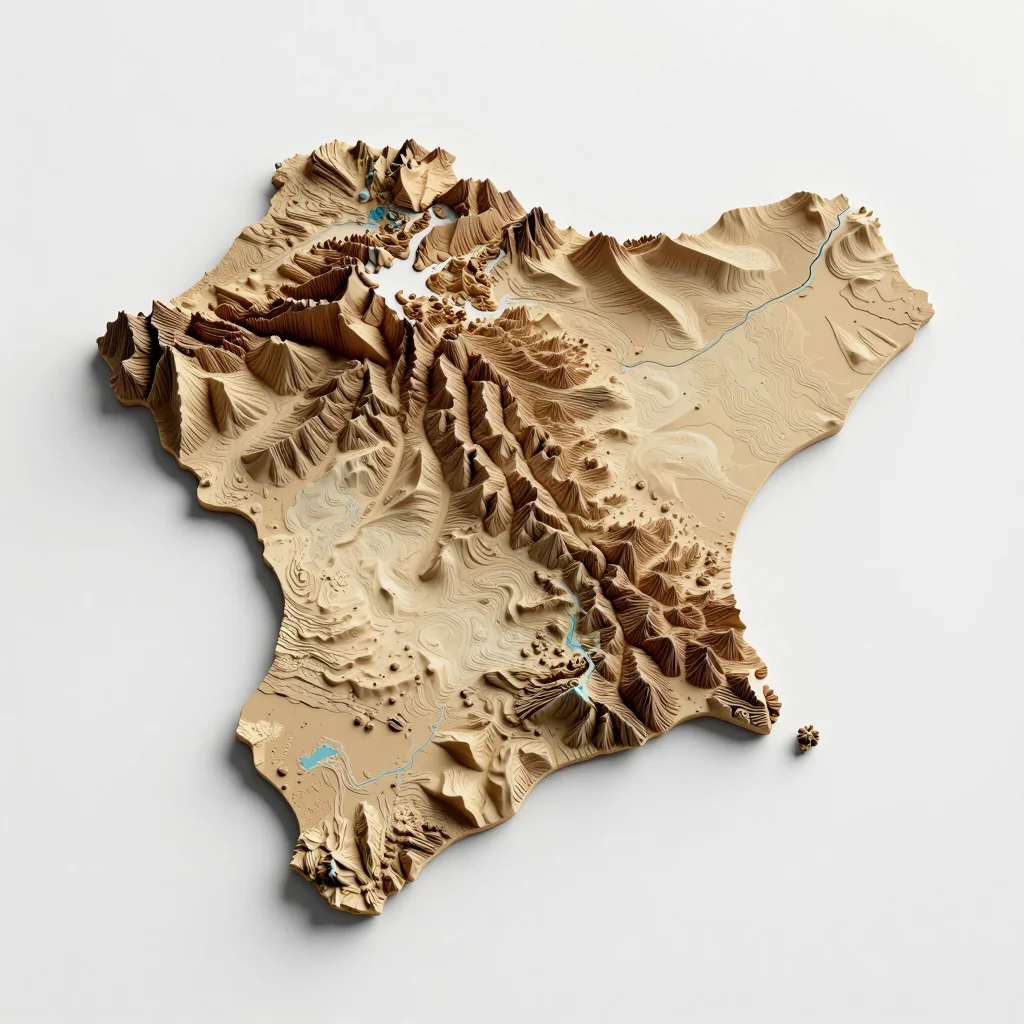
Nestled in the heart of the Algerian Sahara, Reggane is a city steeped in history and surrounded by vast desert landscapes. Known for its strategic location and role in Algeria’s modern history, Reggane offers a unique blend of natural beauty, cultural heritage, and military significance. This Reggane city guide explores its location, history, and attractions, inviting travelers to discover its unique charm.
**Location And Setting**
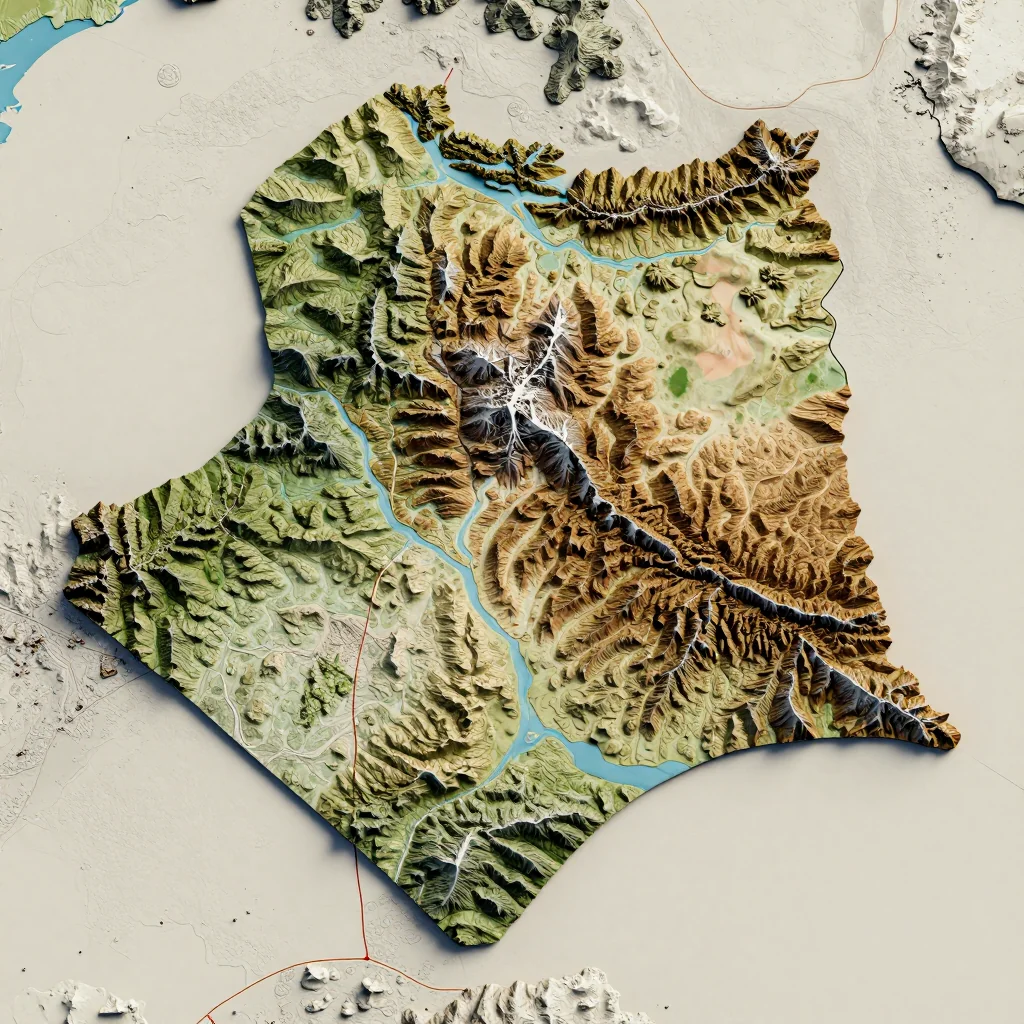
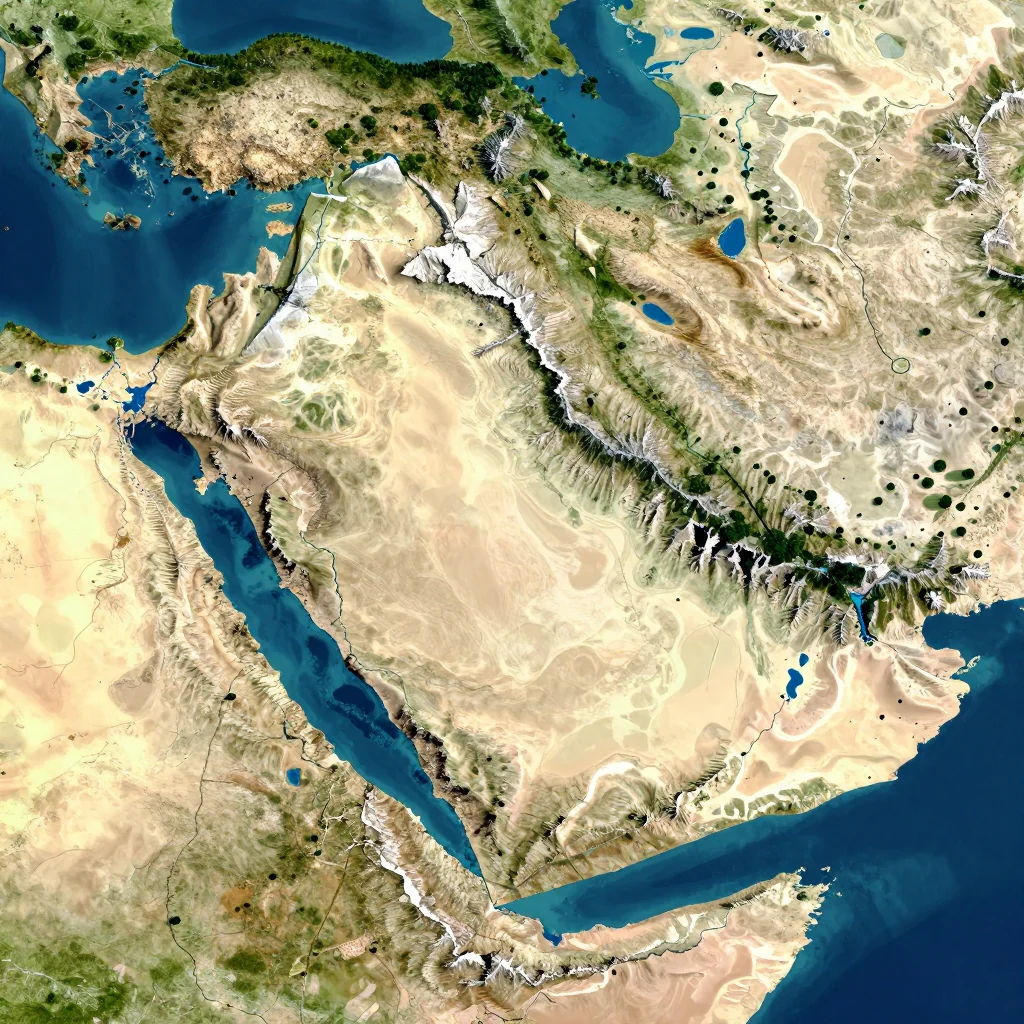
Reggane is located in the southern Sahara Desert, in the Adrar Province of Algeria. Situated approximately 1,000 kilometers south of Algiers, it lies on the edge of the Tanezrouft region, a desolate stretch of desert often called the “Land of Terror” due to its harsh climate. The city is bordered by sand dunes, rocky plateaus, and the occasional oasis, with temperatures swinging between extreme heat and cold. The Reggane Oasis, fed by underground water sources, anchors the city’s existence, providing fertile land for agriculture and a lifeline in the arid expanse.
**History And Significance**
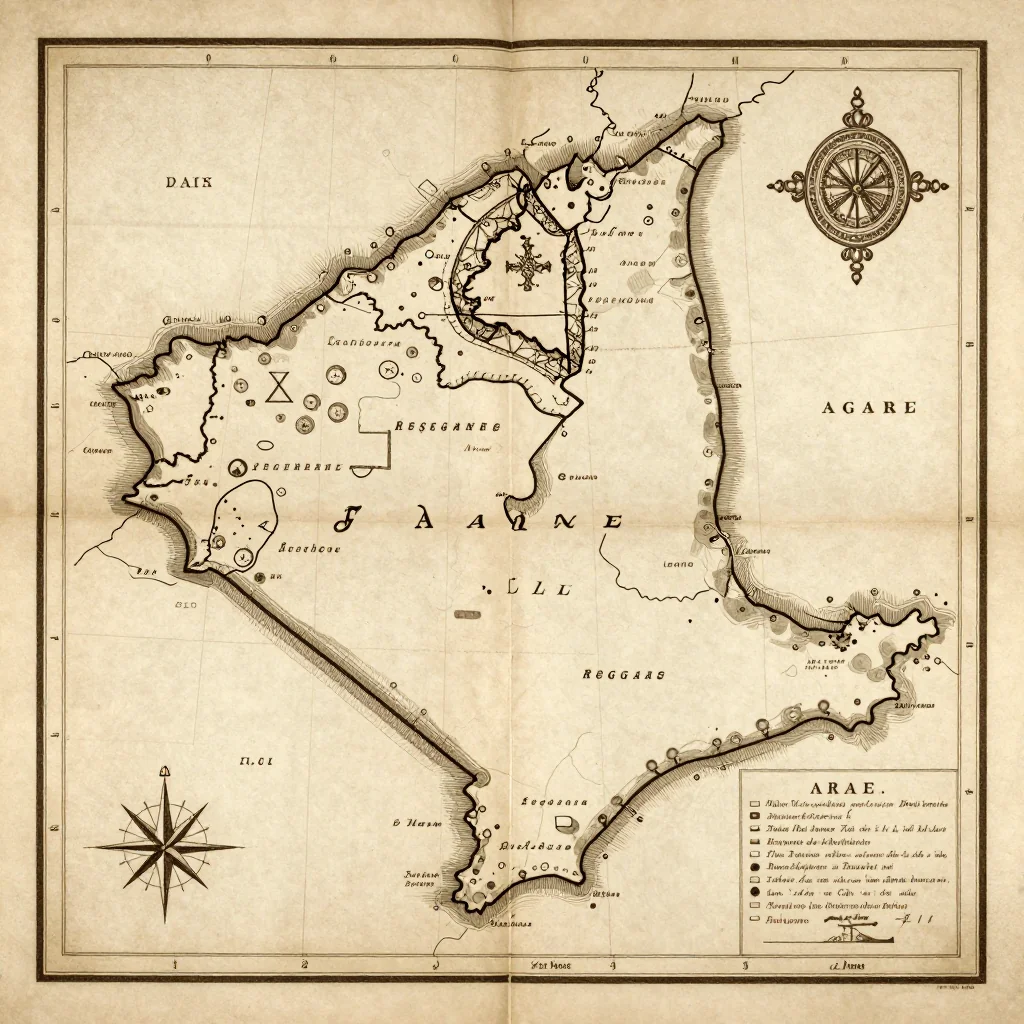
Reggane’s history intertwines with trans-Saharan trade routes used by the Tuareg people and merchants from ancient times. However, its most significant chapter began in the 20th century. During French colonial rule, Reggane became a military outpost. In 1960, the French conducted nuclear tests near the city, marking Algeria’s first atomic explosion at the Reggane Test Site. Though controversial, these tests remain a poignant reminder of the region’s geopolitical role. After Algerian independence in 1962, Reggane transitioned into a civilian and administrative hub, preserving its strategic importance.
**Neighborhoods And Districts**
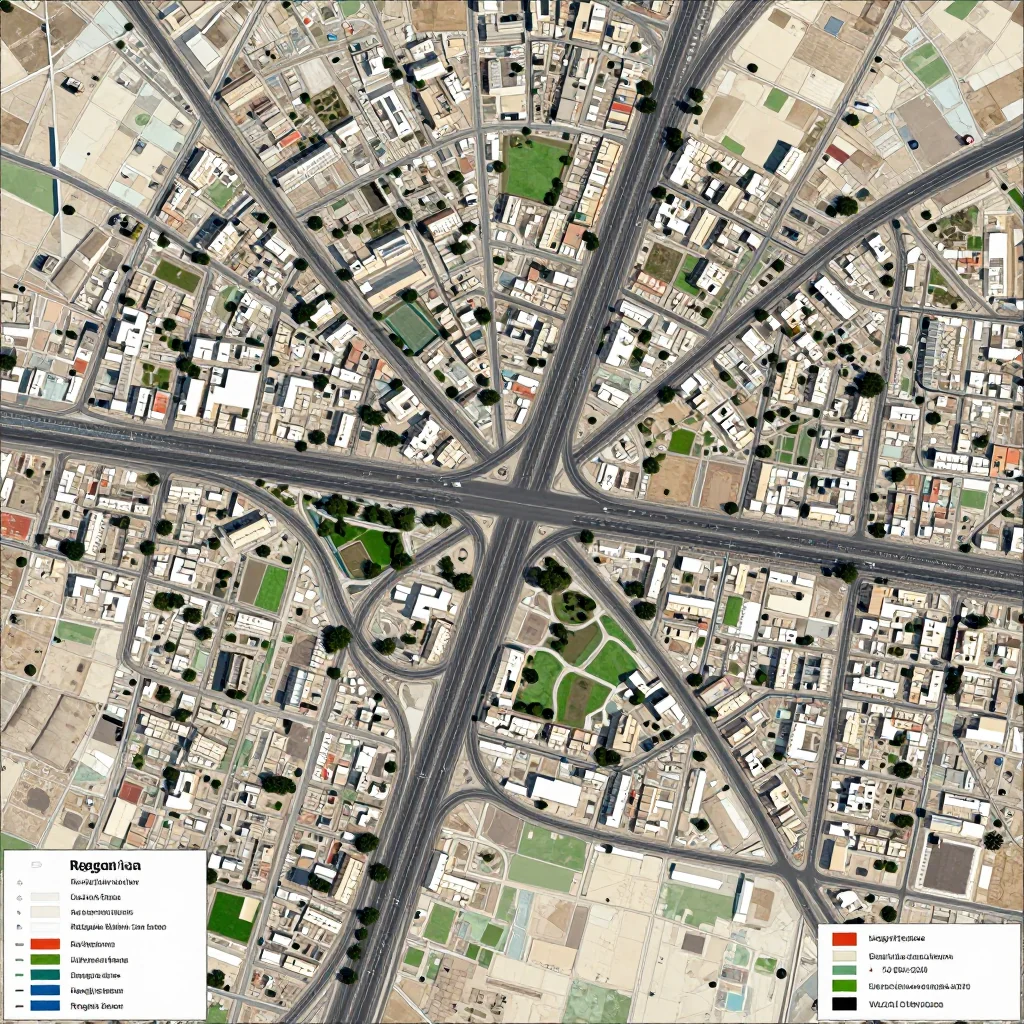
The city’s layout reflects its dual military and civilian heritage. The **Old Town** clusters around the Reggane Oasis, featuring traditional adobe houses and bustling markets. The **New District**, developed post-independence, houses government buildings, modern housing, and amenities. Nearby, the **Military Zone** is a restricted area tied to historical defense installations. Smaller settlements like **Tin Zaoui** dot the outskirts, serving as seasonal hubs for nomadic communities and traders.
**Transportation**
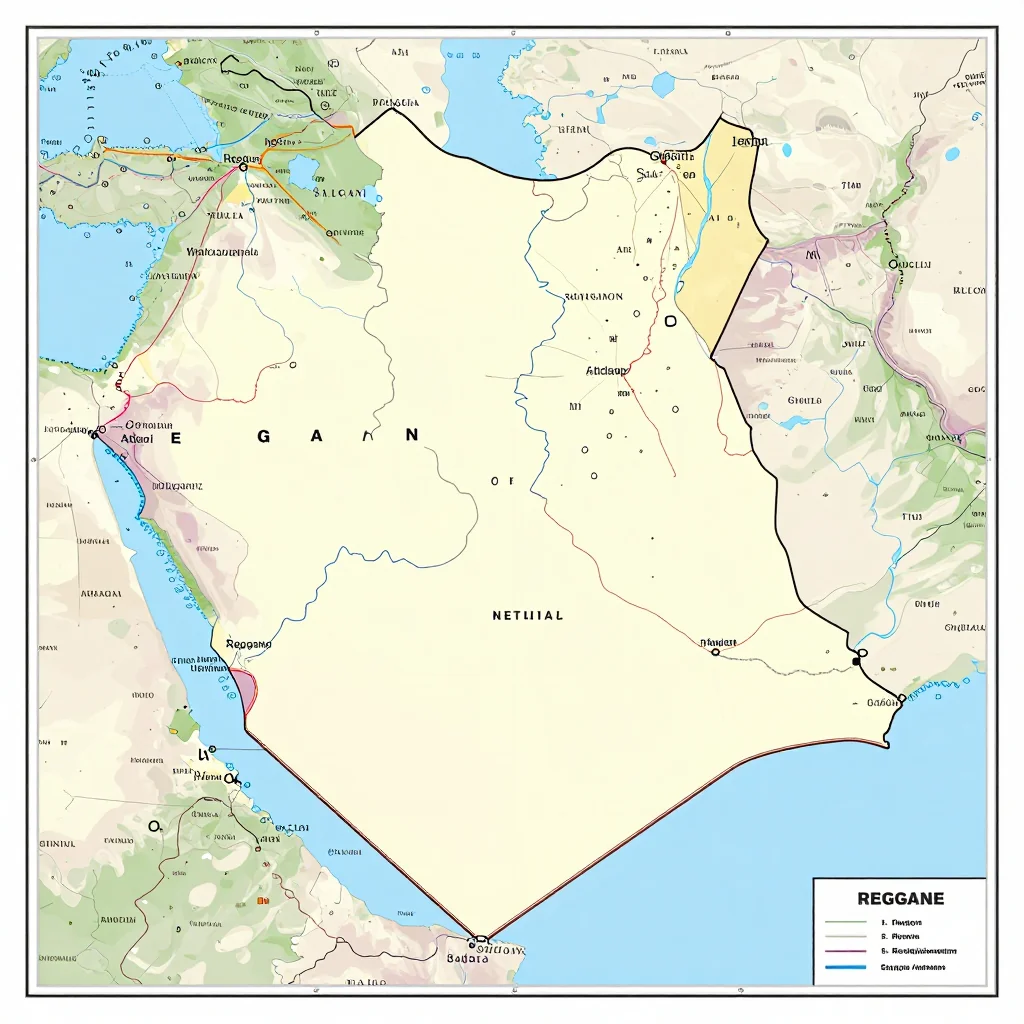
Reggane’s connectivity relies on its position along key routes. The **Route Nationale 12** links it to Tamanrasset to the southeast and Algeria’s northern cities. Domestic flights land at **Reggane Airport**, offering access to major urban centers. Public transport includes buses and shared taxis (known locally as *grand taxis*), while 4×4 vehicles are essential for exploring remote desert areas. Maps of Reggane highlight its desert sprawl and the critical roads connecting it to neighboring countries like Mali and Niger.
**Landmarks And Attractions**
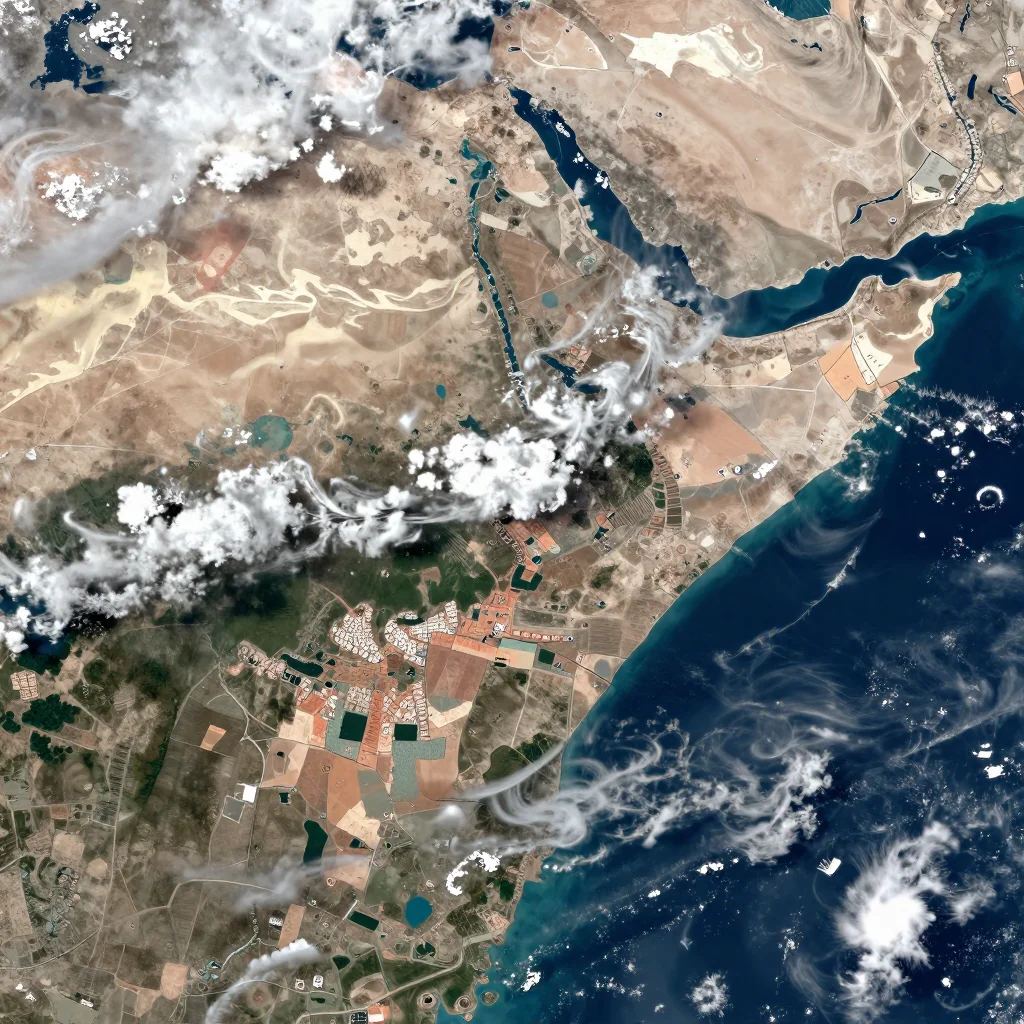
– **Reggane Oasis**: A serene hub of palm groves and date farms, vital to the city’s sustenance. – **Nuclear Test Site Memorial**: A somber reminder of the 1960 tests, accessible with permits. – **Adrar Museum**: Displays artifacts from Tuareg culture, colonial history, and the nuclear era. – **Sahara Desert Landscapes**: Dunes, rock formations, and stargazing opportunities draw adventure seekers. – **Tamest Hydroelectric Dam**: A modern engineering feat providing water and energy.
**Conclusion**
Reggane’s allure lies in its stark beauty, historical weight, and cultural resilience. From its desert vistas to its poignant nuclear legacy, the city offers a glimpse into Algeria’s complex past and present. Visitors drawn to Reggane districts, the Sahara’s grandeur, or its role in global history will find a destination rich in contrasts—a testament to survival and endurance in one of Earth’s harshest yet most breathtaking environments.