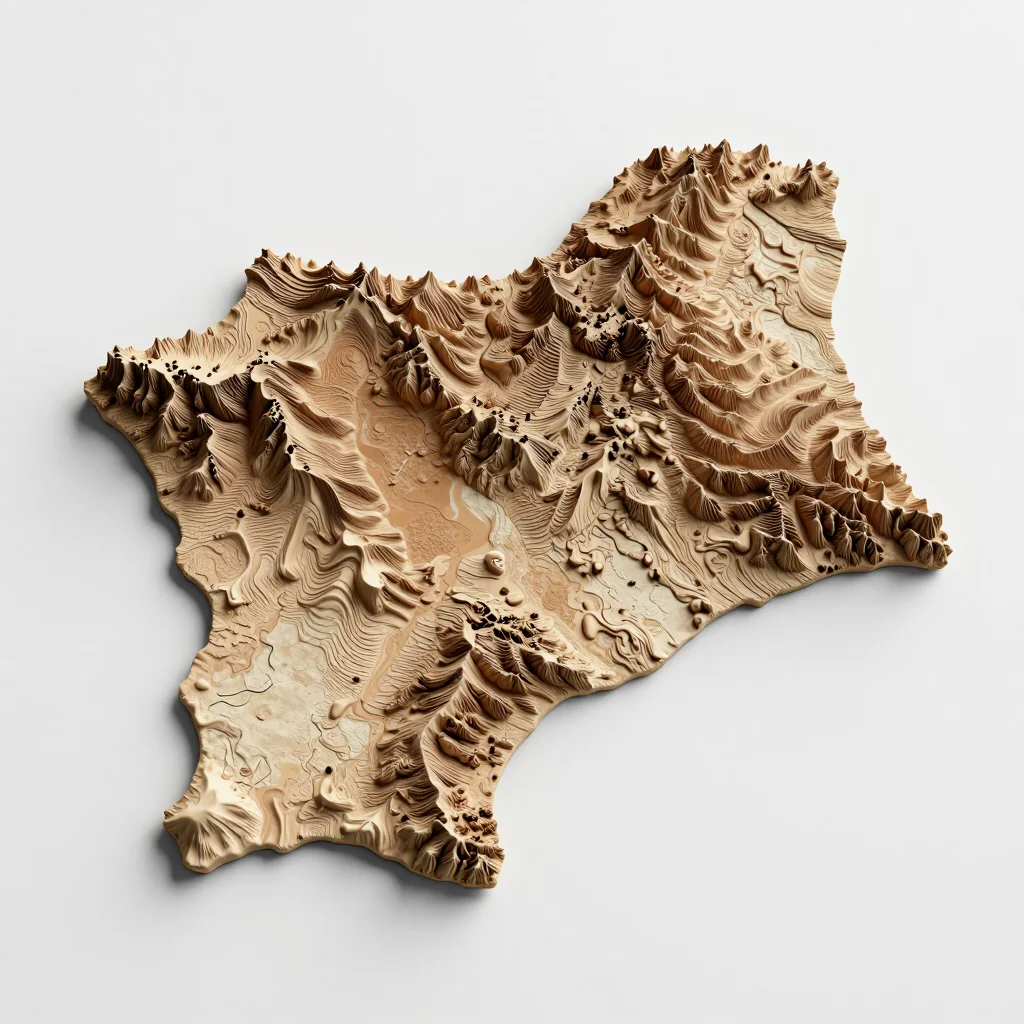
Nestled in the heart of Algeria’s Sahara Desert, Timimoun is a captivating city renowned for its adobe architecture and tranquil oasis. Often called the “Pearl of the Sahara,” this historic settlement offers a glimpse into the desert’s rich cultural heritage and natural beauty.
Location and Setting
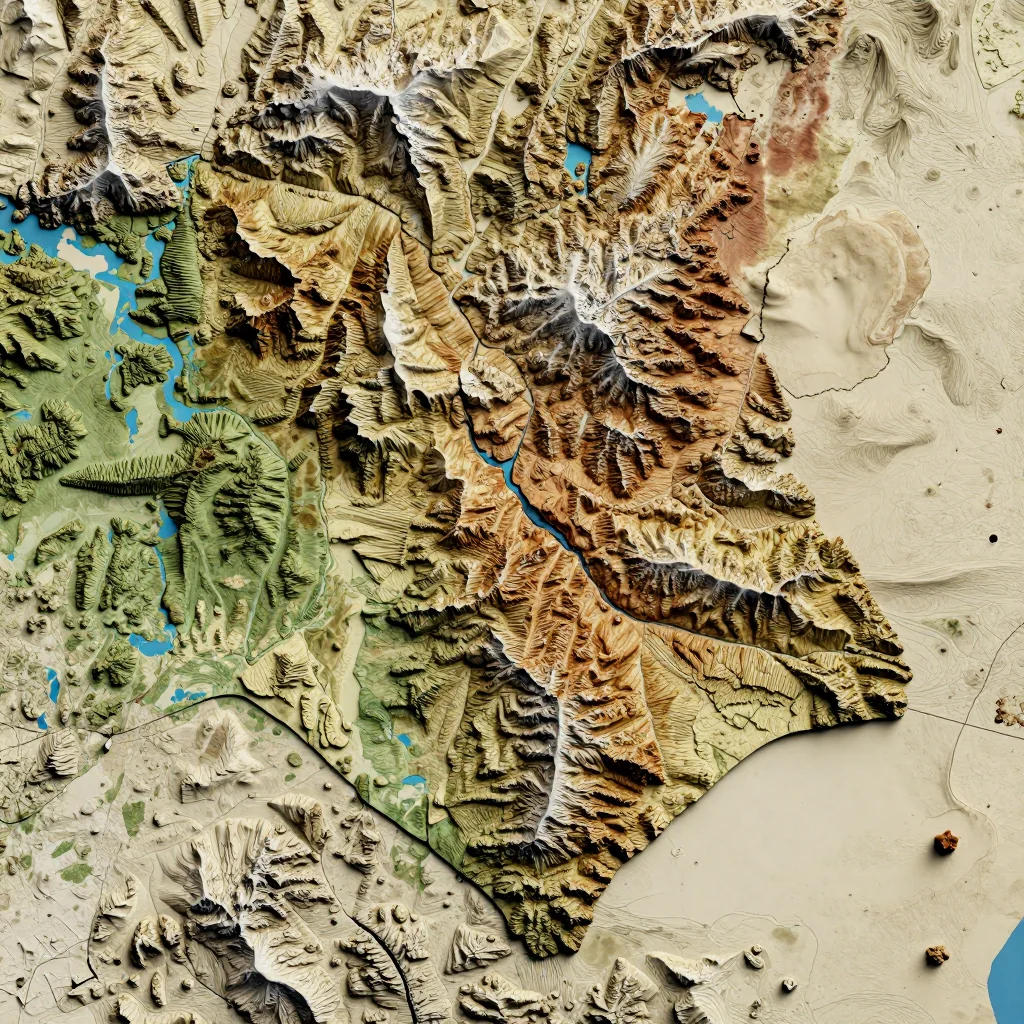
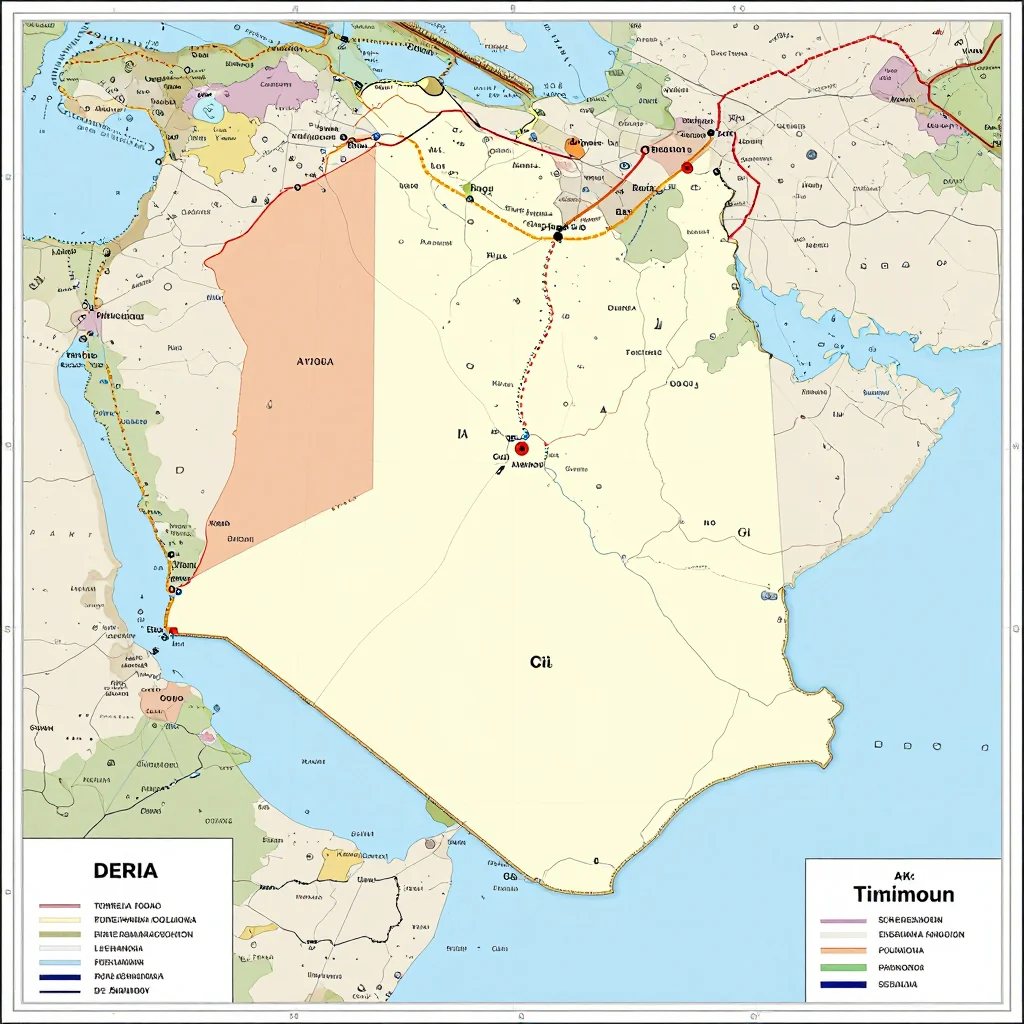
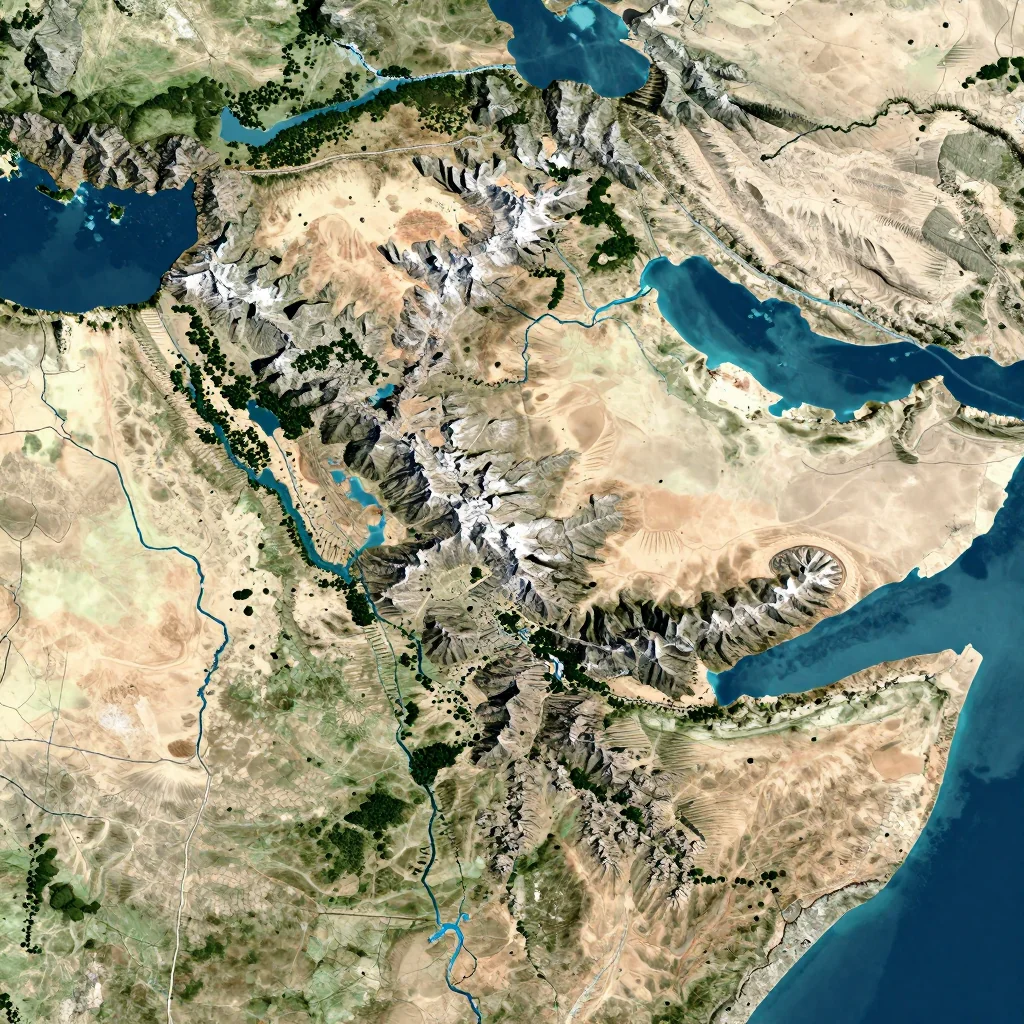
Timimoun lies in southern Algeria’s M’Zab Valley, approximately 800 kilometers south of Algiers. Surrounded by golden sand dunes and stark desert landscapes, the city is cradled by the Tademaït Mountains to the east and endless stretches of the Sahara to the south. Its proximity to underground water sources supports lush palm groves and fertile oases, creating a stark contrast to the arid surroundings. The climate is extreme, with scorching summers and cool winters, but the oases ensure a sustainable environment for agriculture and settlement.
History and Significance
Founded over a millennium ago, Timimoun’s origins trace back to Berber nomadic tribes who established trading routes across the Sahara. Over time, it became a vital crossroads for trans-Saharan commerce, linking North Africa with Sub-Saharan regions. The city’s strategic location allowed it to thrive as a hub for exchanging goods like gold, salt, and textiles. Timimoun’s architectural legacy—particularly its earthen buildings—reflects a harmonious blend of Berber, Arab, and Islamic influences. Its history as a cultural melting pot is still celebrated today.
Neighborhoods and Districts
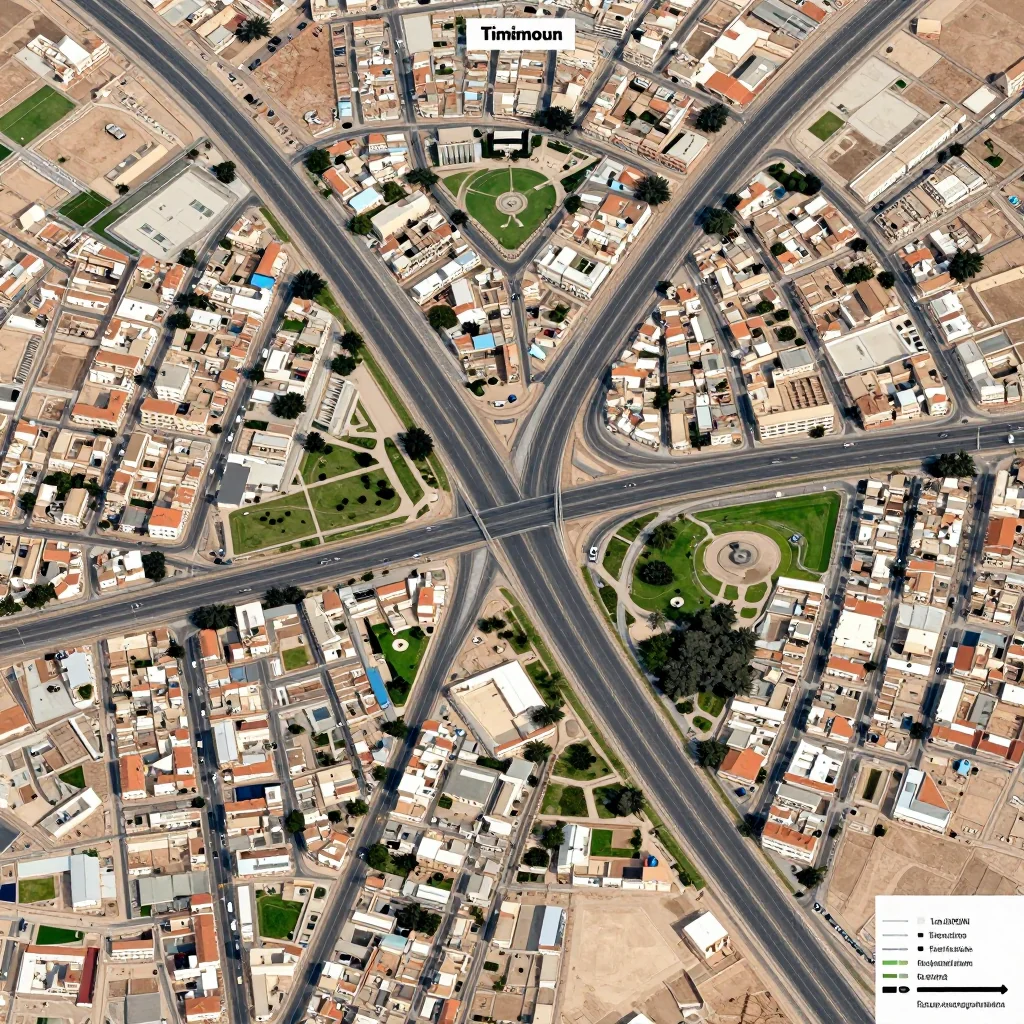
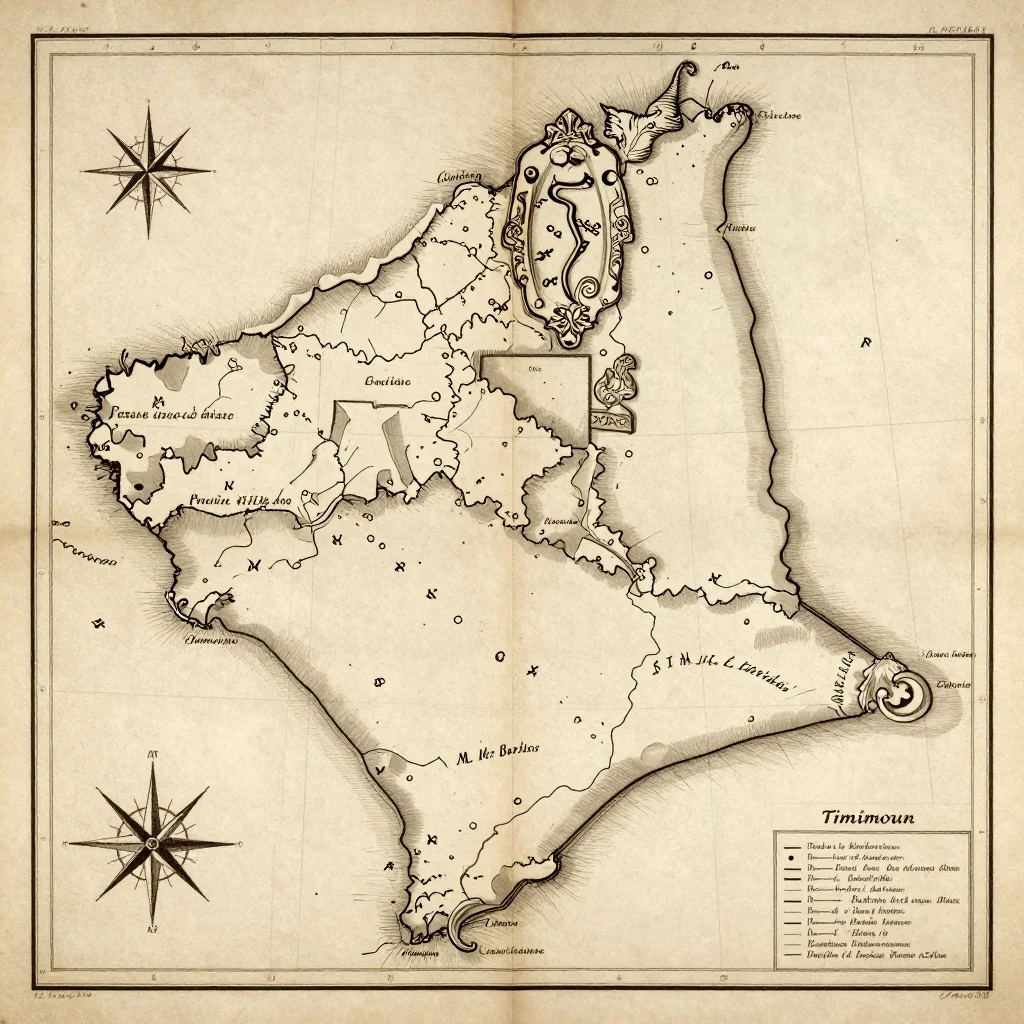
The city’s layout is divided into distinct areas. The **Medina de Timimoun**, the old quarter, is a maze of narrow alleys flanked by reddish-brown adobe houses, many of which date back centuries. These structures, built with sustainable local materials, are a UNESCO-recognized example of desert architecture. The **new town**, developed in the 20th century, features more modern housing and infrastructure. The **Souk Market** district pulses with life on Thursdays, when locals gather for trading and socializing. Another notable area is the **Moorish Quarter**, known for its traditional craftsmanship and vibrant textiles.
Transportation
Timimoun is accessible via the **RN 20 highway**, a major route connecting it to Ghardaia and Tamanrasset. Public transport is limited, so renting a car or hiring a private driver is advisable for exploring the region. The Timimoun Airport offers domestic flights to Algiers and other cities, though schedules are seasonal. The city’s remote location underscores its rugged charm, though connectivity remains a challenge for tourists.
Landmarks and Attractions
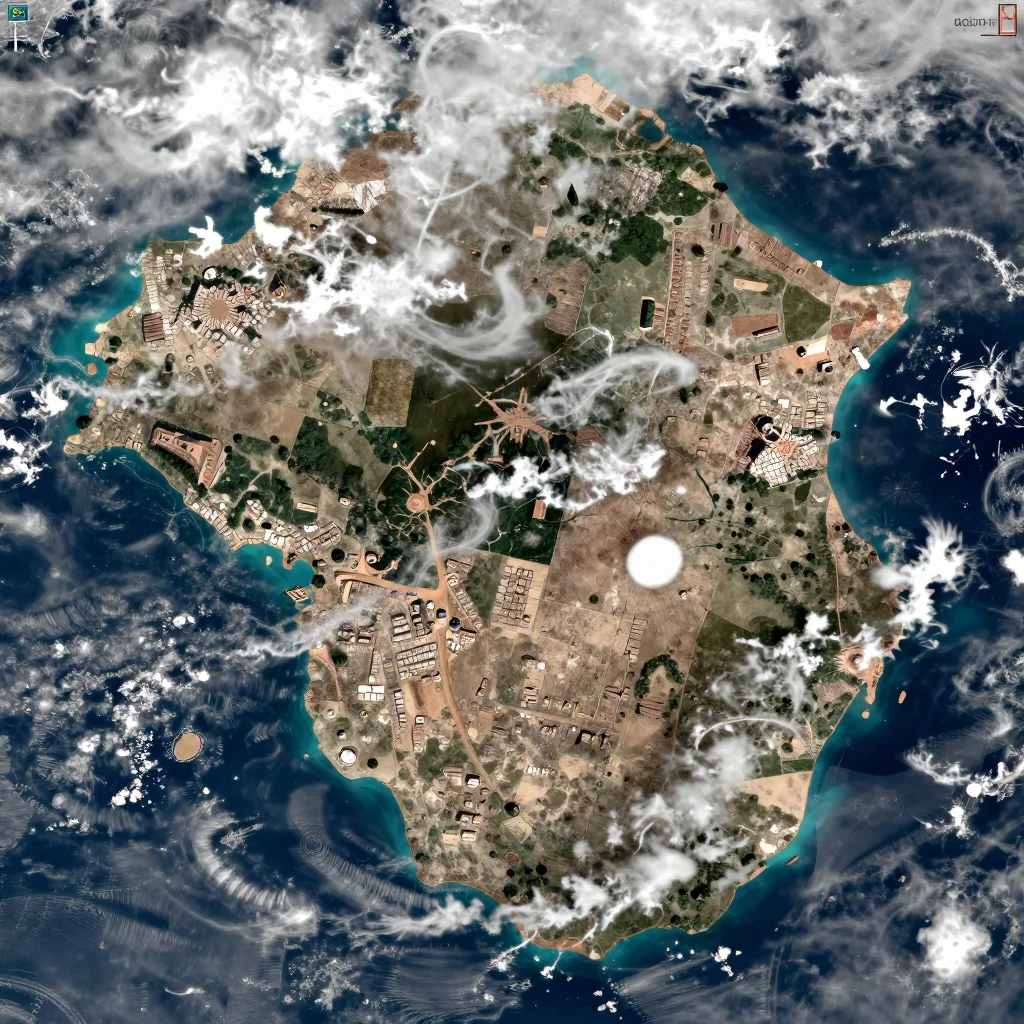
– **Medina de Timimoun**: The adobe labyrinth is a must-see, showcasing intricate geometric patterns and sustainable building techniques. – **Thursday Souk**: A bustling market selling spices, crafts, and livestock, embodying the city’s cultural heartbeat. – **Grand Mosque of Timimoun**: Its distinctive minaret towers over the medina, offering panoramic views. – **Timimoun Museum of Popular Arts and Traditions**: Displays artifacts highlighting local history, nomadic life, and craftsmanship. – **Oases and Dunes**: The surrounding Douissi and Tademaït oases provide serene escapes, while nearby dunes invite desert treks. – **M’Zab Valley**: Though technically separate, this UNESCO World Heritage site is a short drive away, featuring similar Berber architecture in towns like Ghardaia.
Conclusion
Timimoun’s allure lies in its timeless blend of desert resilience and cultural richness. Its earthen architecture, tranquil oases, and storied history make it a unique destination in Algeria’s Sahara. Whether wandering the medina, savoring a meal at the souk, or gazing at endless dunes, visitors experience a world where nature and tradition coexist effortlessly. For those seeking authenticity and adventure, Timimoun is an unforgettable gateway to the soul of the Sahara. *Keywords*: Timimoun map, Timimoun city guide, Timimoun Algeria, Timimoun districts.