
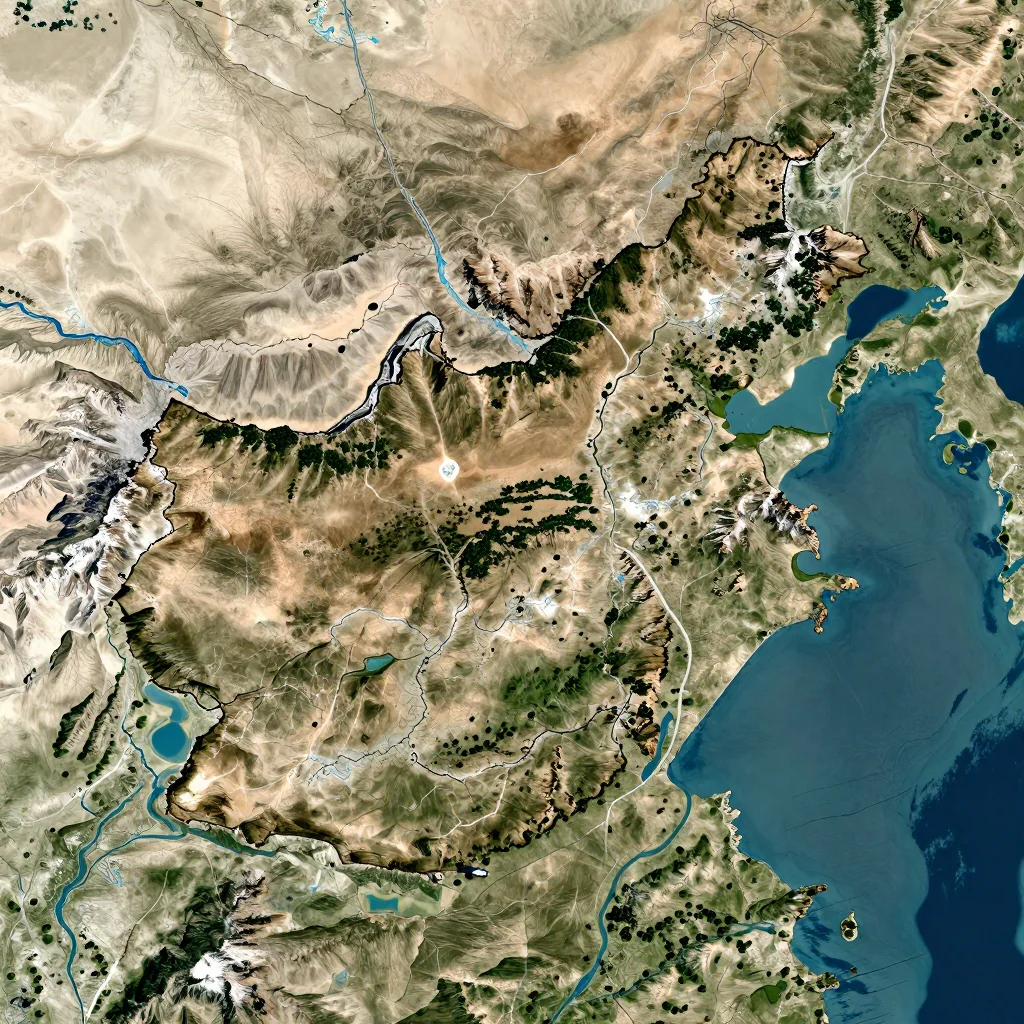
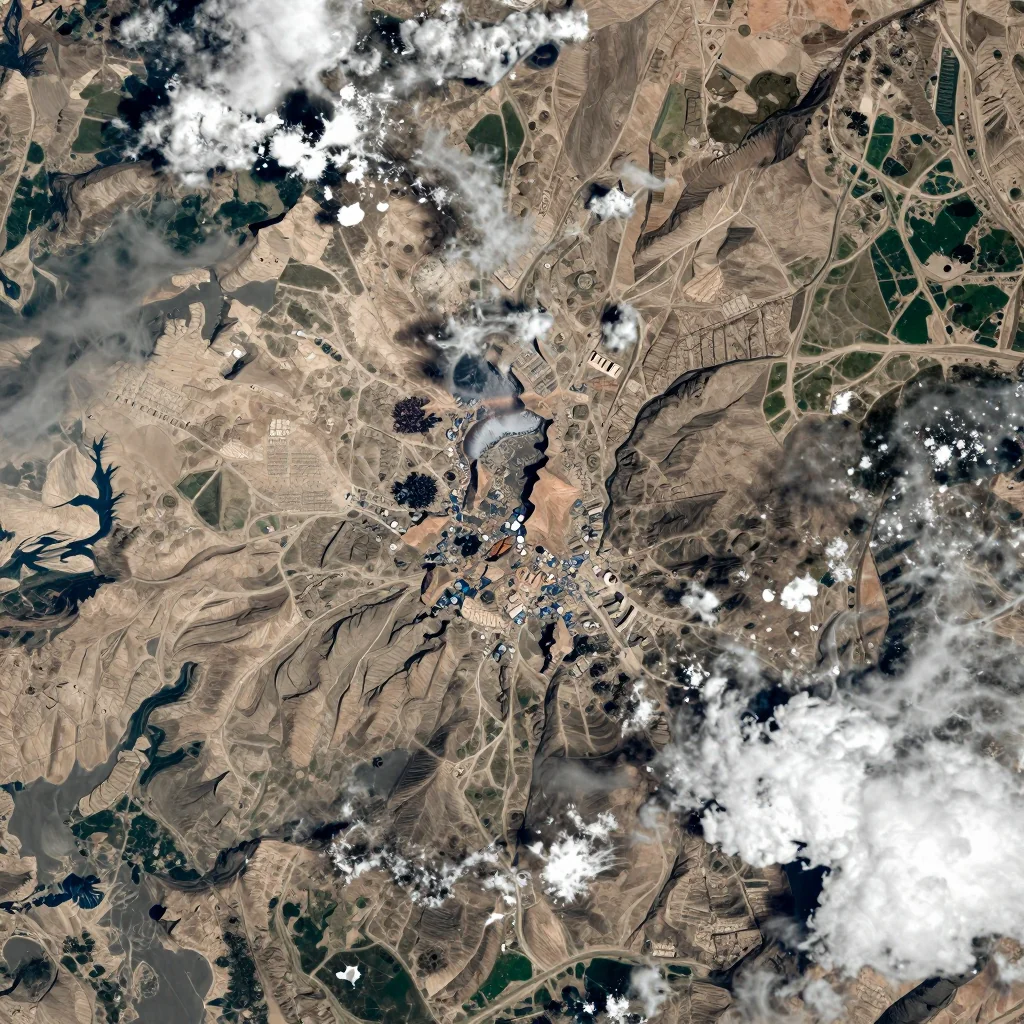
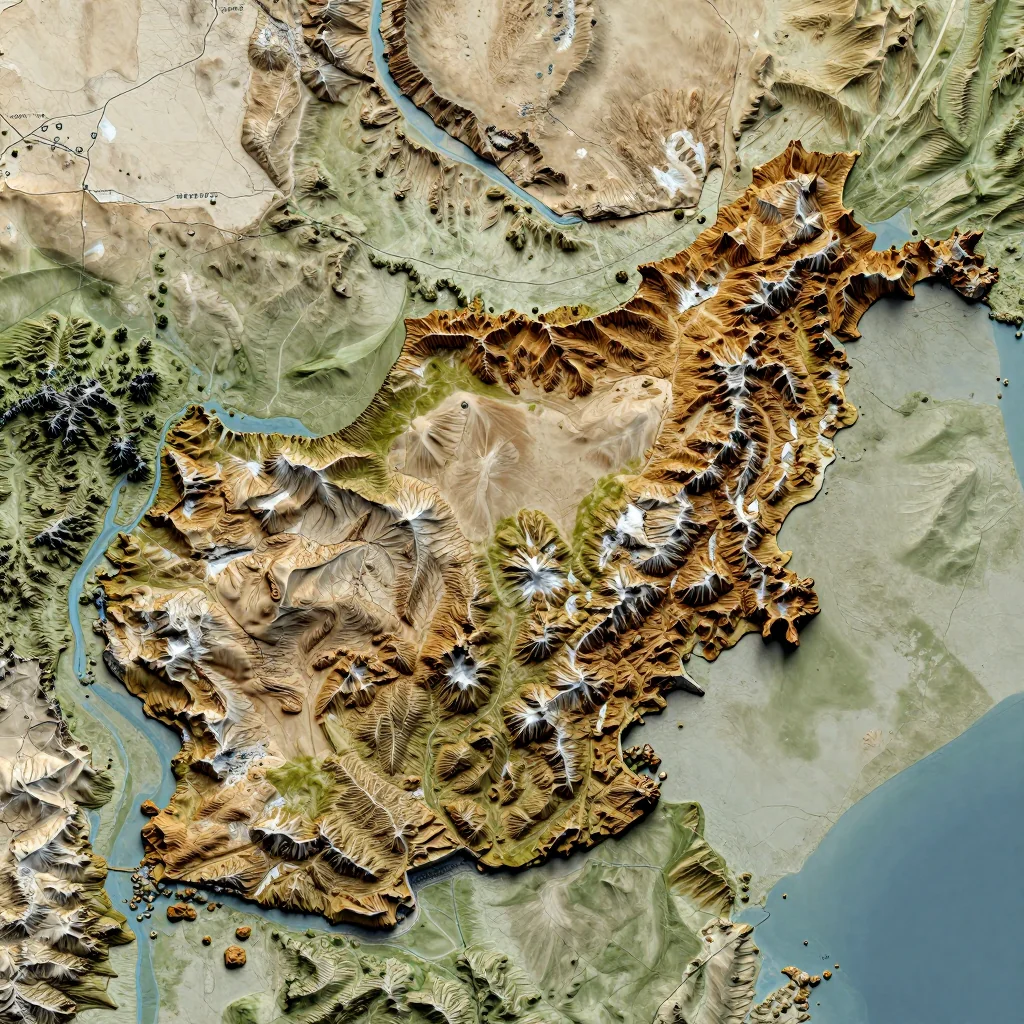
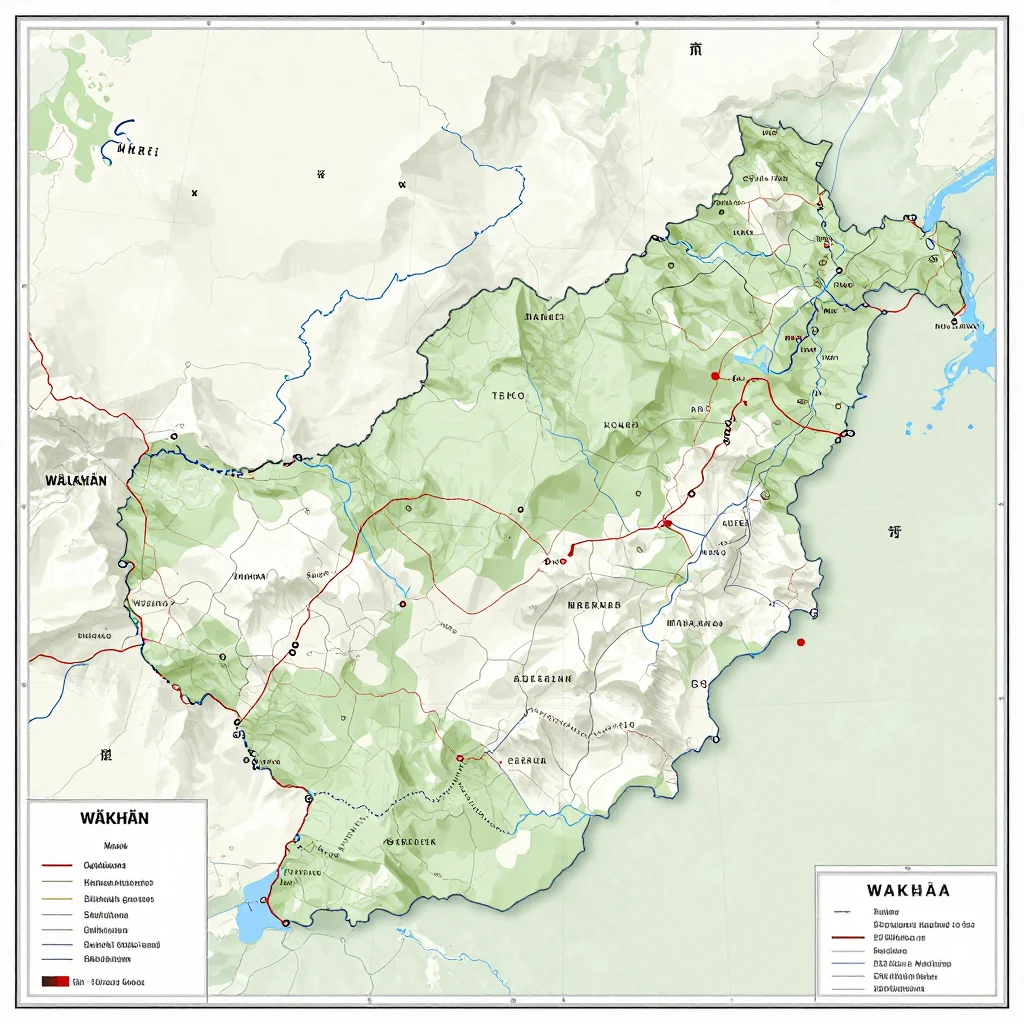
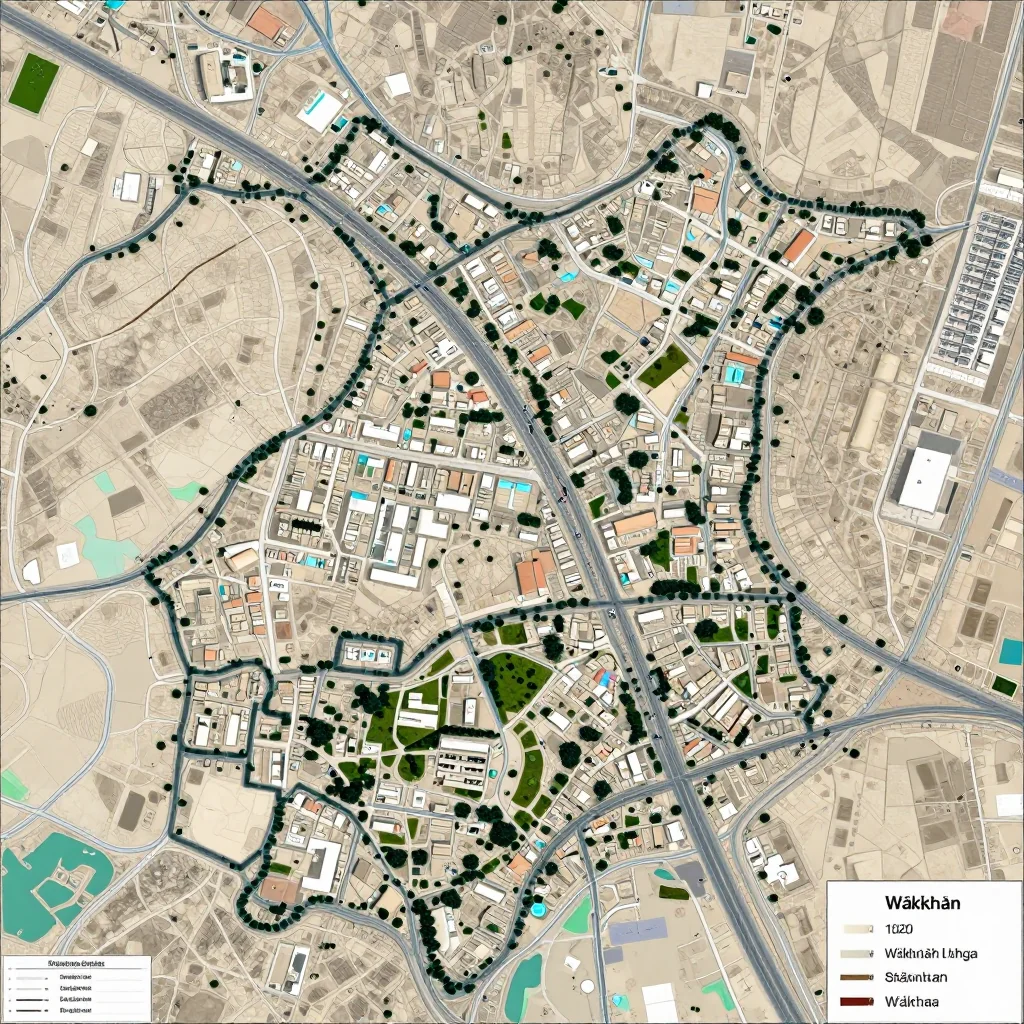
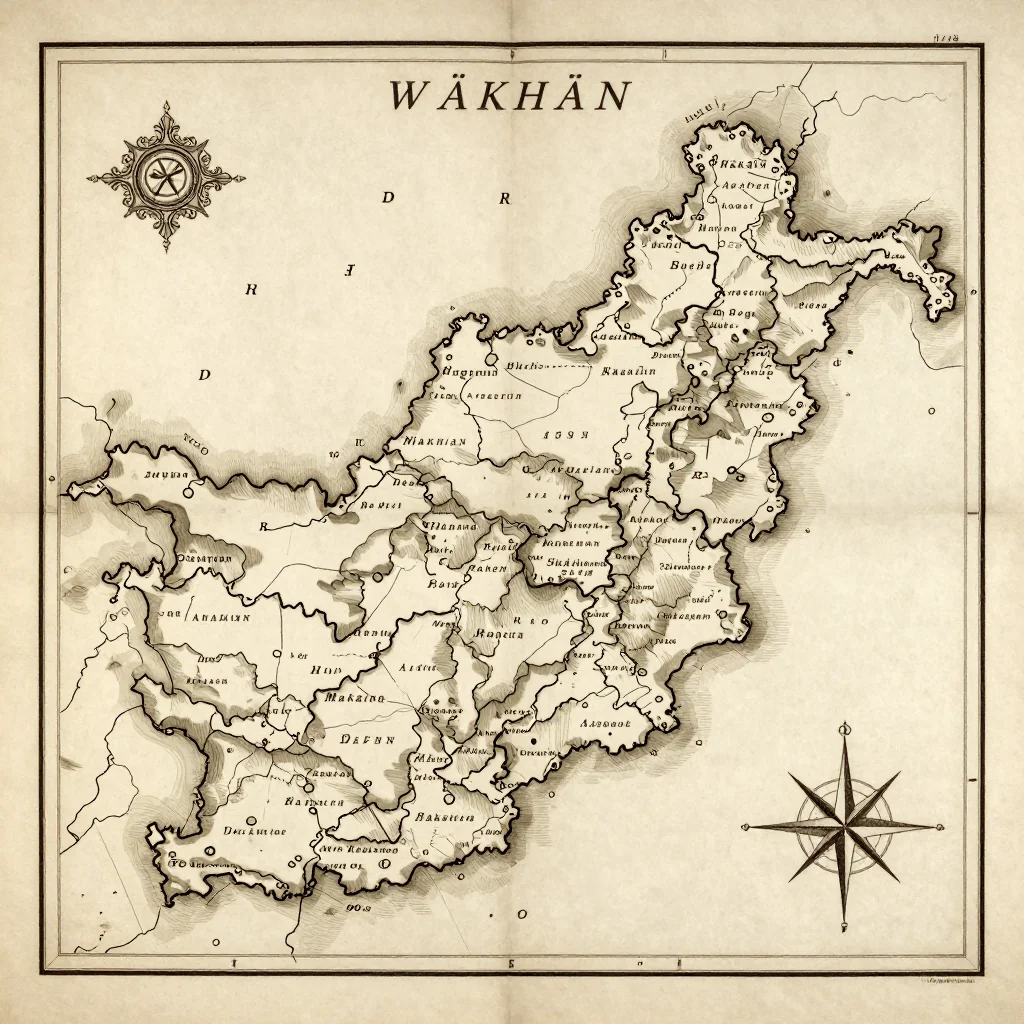
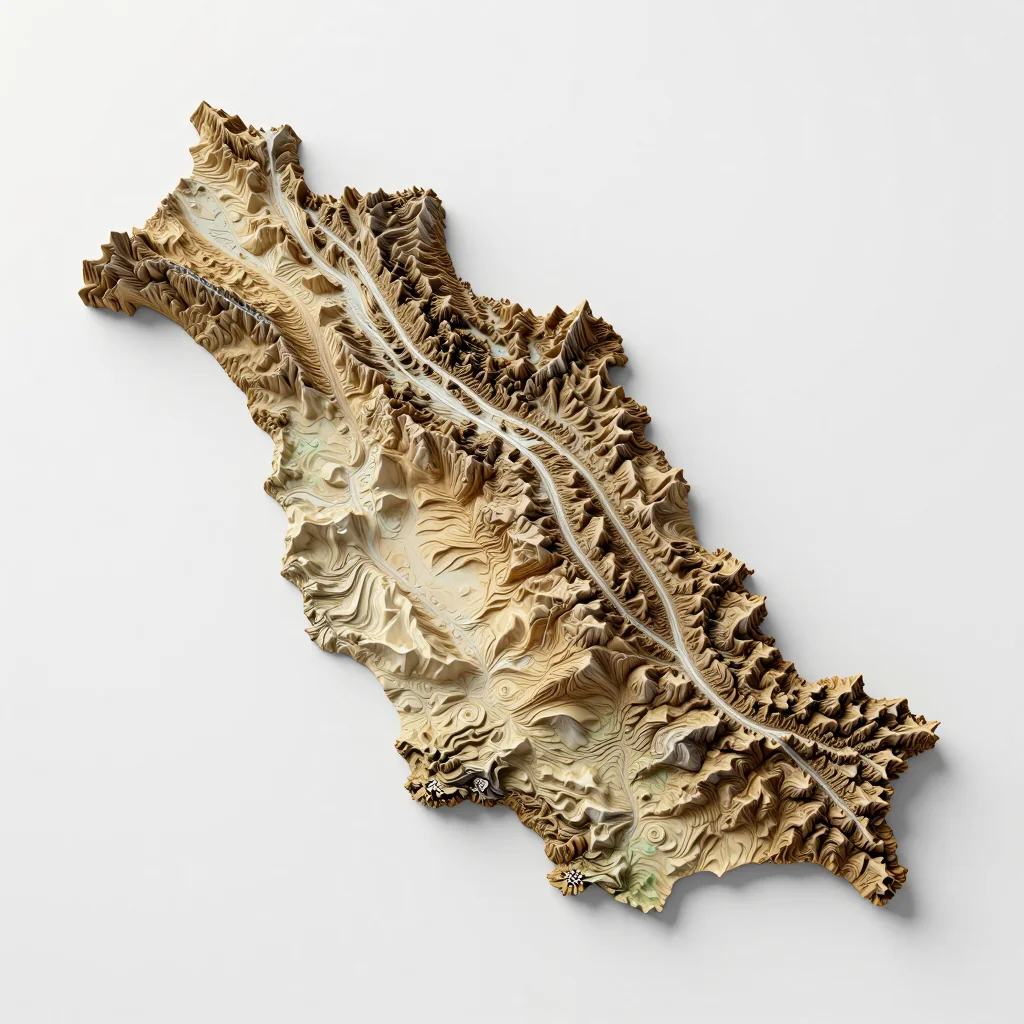
Nestled in the northeastern corner of Afghanistan, the Wākhān Corridor is a remote, mountainous region that epitomizes isolation and adventure. Often referred to as “Wākhān city” in travel guides, this area is less a single urban center than a vast, sparsely populated tract of land. Known for its dramatic landscapes and cultural resilience, Wākhān is a destination for intrepid travelers seeking to explore a corner of the world untouched by modernity. A **Wākhān map** reveals its strategic position at the crossroads of Central Asia, bordering Tajikistan to the north, China’s Xinjiang region to the northeast, and Pakistan’s Gilgit-Baltistan to the southeast. This unique location, once part of the Silk Road, has left an indelible mark on its history and culture.
Map Gallery – 8 Styles
Location and Geography
The Wākhān Corridor stretches along the Pamir Mountains, a rugged range known as the “roof of the world.” Its western edge borders Badakhshan Province, while its easternmost point is the Wakhjir Pass, separating Afghanistan from China. The region’s geographical isolation is accentuated by its elevation—peaks like Tirich Mir (7,708 meters) dominate the horizon—and its narrow valley structure, which funnels travelers along ancient routes. The Panj River, forming part of the border with Tajikistan, and the Pamir River, flowing from the Little Pamir plateau, are central to Wākhān’s hydrology. A **Wākhān city guide** would emphasize that the area is best accessed via a challenging overland journey from Faizabad, the capital of Badakhshan, traversing the Wakhan Valley.
Landmarks and Natural Beauty
Wākhān’s landscapes are its greatest attractions. The Wakhan National Park, established in 2016, protects high-altitude ecosystems, home to Marco Polo sheep, snow leopards, and rare bird species. The park stretches across 1.1 million hectares, offering trails for experienced trekkers. Historical landmarks include the Qaraburj Fortress, a 9th-century structure near the town of Ishkoshim, and remnants of caravanserais along the Silk Road. The Little Pamir Plateau, a high-altitude desert, is a surreal expanse of salt flats and glacial lakes, accessible only during summer. Adventurers also seek out the remote Khunjerab Pass, though it is not always open to foreign travelers.
Transportation Challenges
Navigating Wākhān is an adventure in itself. The primary route from Faizabad is a 200-kilometer dirt road, passable only by 4×4 vehicles, taking two to three days. Landslides and seasonal flooding often disrupt travel, particularly during winter, when snow closes passes. There are no airports, and international borders are tightly controlled, making overland entry from Pakistan or Tajikistan difficult. A **Wākhān city guide** would stress the importance of hiring local drivers and planning meticulously. Despite these challenges, the journey offers breathtaking vistas and encounters with nomadic herders.
Culture and Lifestyle
The people of Wākhān are predominantly ethnic Pamiris, practicing Ismaili Islam under the spiritual leadership of the Aga Khan. Their culture blends Persian, Tajik, and Central Asian influences, reflected in music, intricate embroidery, and stone-carving crafts. The region’s isolation has preserved traditions like the *Nawruz* festival, celebrated with communal meals and folk dances. Most inhabitants live in small villages, sustaining themselves through livestock herding and subsistence agriculture. The Aga Khan Development Network has invested in education and healthcare, balancing progress with cultural preservation.
Conclusion
Wākhān remains Afghanistan’s best-kept secret, a place where time moves at the pace of nomadic caravans. A **Wākhān city guide** must highlight its challenges but also its rewards: unspoiled nature, vibrant cultural heritage, and the chance to walk paths trodden by Silk Road traders. Whether trekking through the Pamirs or sipping green tea with local families, visitors leave with a profound appreciation for this corner of the world where mountains meet myth. For the adventurous, Wākhān is not just a destination—it’s a journey into Afghanistan’s soul. (Word count: 500)